Building Early Literacy Through Art and Creative Expression
25 April 2025
Literacy is more than just reading and writing. It's about understanding the world, communicating ideas, and thinking critically. But what if I told you that art and creative expression play a massive role in building early literacy skills? Yes, you heard it right! Drawing, painting, storytelling, and even simple crafts are powerful tools that can help young minds grasp language, develop critical thinking, and boost their confidence.
In this article, we’ll dive into how art and creativity can shape early literacy, why it works, and how parents and educators can encourage this fun and engaging learning process.
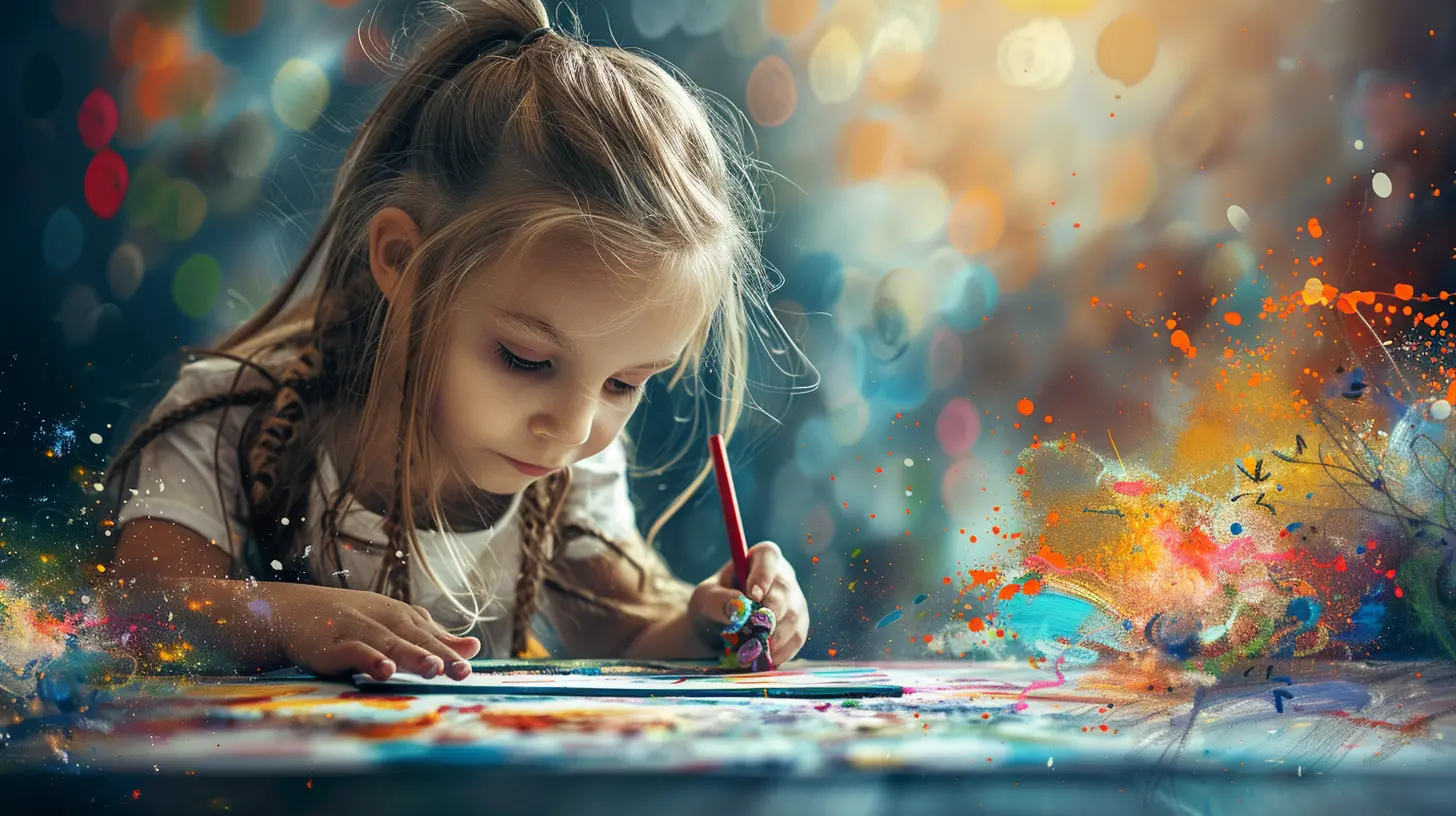
Why Is Early Literacy So Important?
Before we jump into the art side of things, let’s talk about why early literacy matters. Imagine trying to navigate the world without being able to read signs, follow directions, or express your thoughts. Sounds tough, right? Literacy is the foundation of communication and learning.When children develop strong literacy skills at an early age, they gain an advantage in school and life. Reading fluency, comprehension, and writing skills all stem from early exposure to words, stories, and creative play. But here’s the kicker—these skills don’t just come from books. They also emerge through hands-on experiences, including art and other forms of creative expression.
How Art and Creative Expression Boost Literacy
1. Art Encourages Storytelling
Kids see the world in colorful, imaginative ways. Give them a blank sheet of paper and some crayons, and they’ll create entire worlds. But here’s the magic—through drawing and painting, children start telling stories.When a child explains their artwork, they’re practicing narrative skills, sequencing events, and describing details—all essential elements of literacy. Ask questions like:
- "What’s happening in your picture?"
- "Who are the characters?"
- "What do you think will happen next?"
These conversations encourage verbal expression and help kids connect storytelling with visual representation.
2. Drawing and Writing Go Hand in Hand
Before kids can write letters and words, they scribble. Those seemingly random lines and shapes? They’re an early form of writing! When children engage in drawing, they strengthen their fine motor skills, which are essential for holding a pencil and forming letters later on.Encouraging children to describe their pictures or label their drawings with words helps them make connections between images and language. Over time, this develops into writing skills.
3. Creative Play Builds Vocabulary
Ever notice how kids create entire conversations while playing with dolls, action figures, or puppets? This kind of imaginative play expands their vocabulary and improves their ability to express thoughts and emotions.Art projects can do the same. When children mix colors, use new materials, or follow steps to complete a craft, they’re exposed to new words. Terms like “blend,” “shade,” “fold,” and “glue” might seem basic to us, but to a preschooler, they’re new and exciting additions to their vocabulary.
4. Music and Movement Reinforce Language Skills
Literacy isn’t just about reading and writing—it’s also about listening and speaking. Songs, rhymes, and movement activities support language development by reinforcing rhythm, phonetics, and word patterns.Think about how many classic nursery rhymes and children’s songs include repetitive sentences. These patterns help kids recognize sounds, syllables, and word structures, making it easier for them to read and write later. Plus, who doesn’t love a fun song with some silly dance moves?
5. Art Encourages Critical Thinking and Problem-Solving
When kids create artwork, they’re making choices—what colors to use, where to place things, how to fix mistakes. These decisions require critical thinking and problem-solving skills, both of which are crucial for literacy and comprehension.For example, when children illustrate a story they’ve heard, they have to think about the sequence of events and how to visually represent different ideas. This strengthens their understanding of storytelling and helps improve reading comprehension.
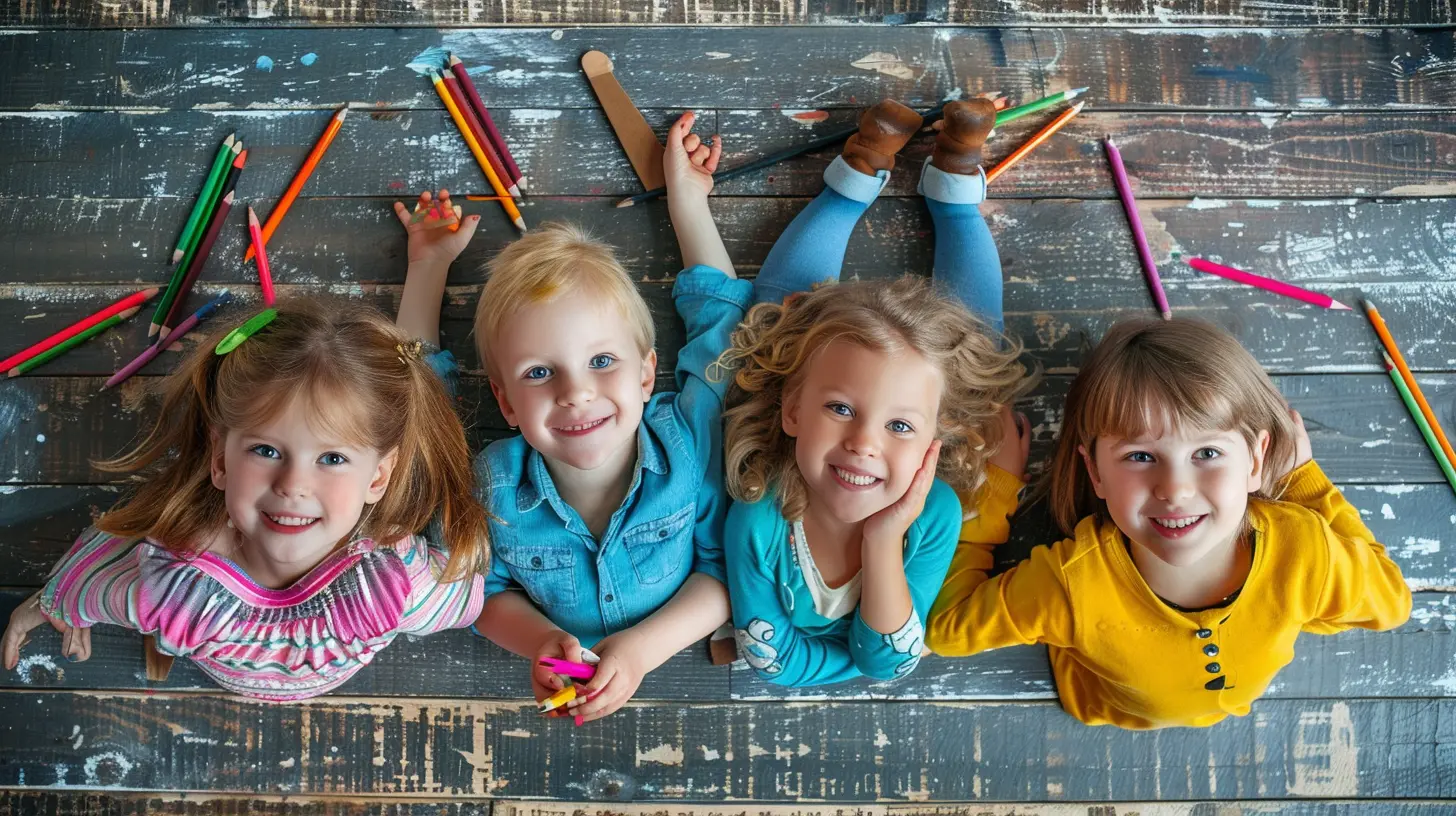
Simple Ways to Use Art to Support Literacy
Now that we know how art supports literacy, let’s explore some practical ways to incorporate creativity into early learning.1. Encourage Daily Drawing and Writing
Provide kids with sketchbooks, crayons, and pencils to encourage daily drawing. Ask them to tell you about their pictures and, if they’re old enough, label them with words.2. Create Story Art
After reading a book, have kids draw a picture of their favorite scene. Then, discuss their drawing and ask them to retell the story in their own words.3. Use Puppets and Dramatic Play
Set up a puppet theater or dress-up corner where kids can act out stories. Acting out narratives helps children understand character roles and plot development.4. Make Alphabet Art
Create fun projects that introduce letters and sounds. For example:- Finger paint letters
- Create collages of objects that start with a specific letter
- Use clay to shape letters and words
5. Encourage Journaling
Even before kids can write full sentences, encourage them to keep a drawing journal. Let them illustrate their day and dictate captions. Eventually, this will transition into writing sentences and short stories.6. Sing and Dance
Sing songs with rhyming words and movement. Clapping along to syllables can help children break down words and improve phonological awareness.7. Let Kids Create Their Own Books
Staple a few blank pages together and let kids create their own books. They can draw pictures and dictate the story to an adult, who can write it down for them. This activity gives children a sense of authorship, making reading and writing more meaningful.8. Display Their Work
Showcasing children’s art and written work around the house or classroom encourages them to take pride in their creativity, reinforcing the importance of self-expression.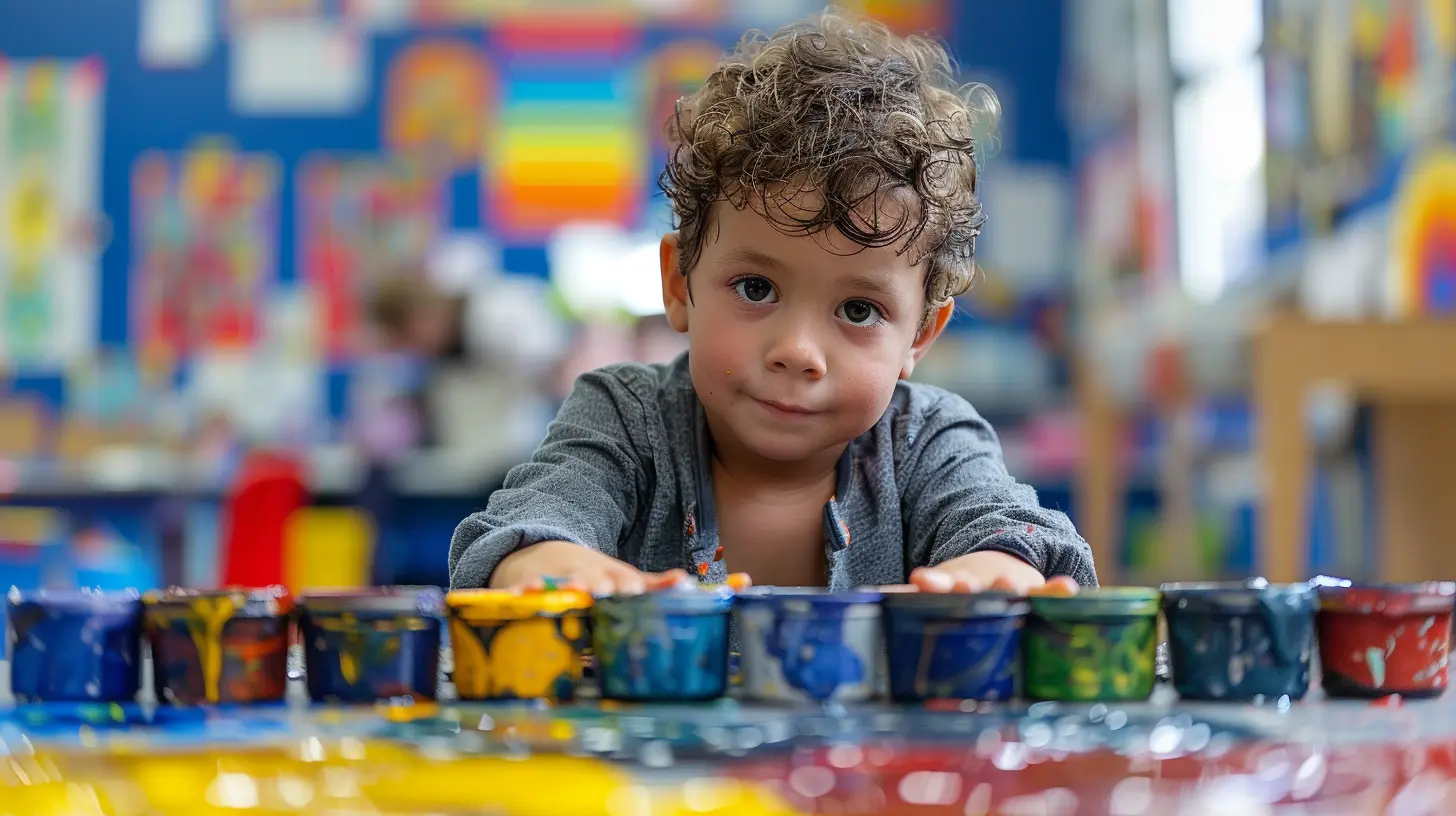
Final Thoughts
Building early literacy doesn’t have to be limited to books and worksheets. Art and creative expression provide exciting, hands-on ways for children to develop language skills, boost their confidence, and cultivate a lifelong love for storytelling.When kids engage in drawing, painting, singing, and imaginative play, they’re not just having fun—they’re laying the foundation for strong reading and writing abilities. So, grab those crayons, turn up the music, and let creativity lead the way to literacy success!
all images in this post were generated using AI tools
Category:
Early LiteracyAuthor:

Charlotte Rogers
Discussion
rate this article
12 comments
Corin Jimenez
Creative expression enhances early literacy skills—an inspiring approach!
January 31, 2026 at 9:33 PM
Charlotte Rogers
Thank you! I’m glad you found the connection between creative expression and early literacy inspiring.
Meagan Spencer
Art sparks imagination, and creativity fuels literacy! By weaving together colors and words, we not only create masterpieces but also lay a strong foundation for reading and writing. Let’s embrace the canvas as a launchpad for young minds!
December 18, 2025 at 9:24 PM
Charlotte Rogers
Thank you for your insightful comment! I completely agree—art is a powerful tool that enhances literacy and nurtures creativity in young minds. Let's continue to inspire through creative expression!
Vanta Phillips
Creative expression enriches literacy, enhancing children's learning experiences.
November 10, 2025 at 1:01 PM
Charlotte Rogers
Thank you for your insightful comment! I wholeheartedly agree that creative expression plays a vital role in enriching literacy and enhancing children's learning experiences.
Carrie Weber
This article insightfully highlights the vital connection between art and early literacy development. By engaging children in creative expression, we can foster not only their imagination but also essential reading and writing skills, making learning both enjoyable and effective.
October 14, 2025 at 3:08 AM
Charlotte Rogers
Thank you! I’m glad you found the article insightful. Engaging children in art truly enriches their literacy journey!
Camden Snow
Absolutely love this approach! Integrating art and creative expression into early literacy not only fosters a love for reading but also enhances critical thinking skills. Keep inspiring young minds!
September 7, 2025 at 6:26 PM
Charlotte Rogers
Thank you so much for your kind words! I'm thrilled you resonate with the integration of art in early literacy—it truly enriches learning!
Delilah Summers
This article beautifully highlights the intersection of art and literacy. Encouraging creative expression in early education is essential for fostering a love for reading and learning.
August 4, 2025 at 4:14 AM
Charlotte Rogers
Thank you! I’m glad you enjoyed it. I truly believe that integrating art into early education is vital for nurturing both creativity and a love for literacy.
Cecilia Huffman
Art enriches literacy; creativity fuels early learning effectively.
July 4, 2025 at 3:20 AM
Charlotte Rogers
Thank you! I completely agree—art and creativity are vital in enhancing early literacy skills and fostering a love for learning in young children.
Wendy Hill
This article beautifully highlights the intersection of art and early literacy. Engaging children in creative expression not only fosters critical thinking and communication skills but also nurtures their emotional development. Integrating art into literacy education can create a more holistic learning experience for young learners.
June 11, 2025 at 6:36 PM
Charlotte Rogers
Thank you for your insightful comment! I'm glad you found the connection between art and early literacy so valuable. Integrating creativity truly enriches children's learning experiences.
Isadora Bishop
This article brilliantly highlights the intersection of art and literacy! I’m curious about the specific strategies educators can use to integrate creative expression into early literacy programs. Art seems like a powerful way to engage young minds and enhance their love for reading. Excited to learn more!
May 20, 2025 at 12:32 PM
Charlotte Rogers
Thank you for your enthusiasm! Educators can integrate creative expression into early literacy by incorporating storytelling through visual arts, using drama to act out stories, and encouraging kids to create artwork that reflects their favorite books. These strategies not only engage young minds but also foster a love for reading. Excited to explore this journey with you!
Quade Elliott
What a wonderful approach! Integrating art and creative expression into early literacy not only makes learning fun but also sparks imagination and fosters a love for reading!
April 28, 2025 at 7:19 PM
Charlotte Rogers
Thank you! I'm glad you appreciate the approach. Integrating art truly enriches the early literacy experience!
Lewis
Creativity fuels literacy—embrace the mess!
April 26, 2025 at 7:53 PM
Charlotte Rogers
Absolutely! Embracing creativity not only enhances literacy but also makes the learning process joyful and engaging. Let’s celebrate the messiness of exploration!
Susan Bishop
This article beautifully highlights the vital connection between art and early literacy. Integrating creative expression into learning not only fosters imagination but also enhances communication skills. Thank you for sharing these inspiring insights for educators and parents alike!
April 25, 2025 at 6:35 PM
Charlotte Rogers
Thank you for your kind words! I'm glad you found the connection between art and early literacy inspiring.
MORE POSTS
How Mindfulness Improves Attention and Reduces Distractions
Early Literacy Games You Can Play at Home
Understanding the Sensitive Periods in Montessori Education
Teaching Beyond the Textbook: How to Incorporate Real-World Learning

The Role of Motivation in Developing Consistent Study Habits

The Importance of Questioning in Critical Thinking Development
Helping Young Children Understand the Connection Between Letters and Sounds
How to Create a Classroom Escape Room for Problem-Solving Skills