Building Emotional Connections with Books: Enhancing Early Literacy
18 December 2025
Let’s talk about something we often take for granted — the emotional bond children develop with books. You probably remember that one book from childhood that made you laugh, cry, or just feel understood. It wasn’t just a story — it was an experience. That emotional connection? That’s where the magic of early literacy starts.
Books are more than just words on a page. For young children, they’re a bridge — to new ideas, to emotional growth, and yes, to literacy. When kids emotionally connect with books, they’re not just learning to read — they’re learning to love reading. And that makes all the difference.

Why Emotional Connections Matter in Early Literacy
So, why are emotional ties to books so important in the early years?Well, think about it like this: Kids are wired to feel first and think second. Emotions drive behaviors and attention. When a child feels joy, comfort, or excitement from a story, they’re more likely to focus, engage, and retain what they’re reading. They don’t even realize they’re building early literacy skills — it just feels like fun.
Reading becomes more than a task. It becomes something they look forward to. That emotional bond forms a foundation that supports curiosity, critical thinking, empathy, and vocabulary — the building blocks of strong literacy development.
The Science Behind It
We’re not just going with our gut here. Research backs this up. Emotional engagement activates more areas of the brain, including those responsible for language, memory, and even sensory experiences. When stories evoke emotion, kids recall them better, talk about them more, and internalize the messages.In other words — feelings fuel learning.

Storytime Isn’t Just For Fun — It's Foundational
Ever notice how a child reacts when you read with enthusiasm? Their eyes light up, they lean in, they ask questions. That’s the emotional connection forming in real-time.Storytime isn’t just a sleepy-time ritual — it's a chance to connect over emotions, characters, and life lessons. And this connection helps shape not just better readers, but more empathetic, thoughtful humans.
Sharing Feelings Through Fiction
When children encounter characters who face challenges, they learn to process emotions vicariously. A character who loses a toy, feels left out, or finds courage teaches a child how to navigate their own experiences. The story becomes a safe space — a mirror and a window.It’s like emotional training wheels. Kids learn empathy and emotional regulation through the lives of fictional friends.

Creating A Positive Association with Books
Let’s be real — not every kid is immediately drawn to books. That’s okay. The key is to create a positive association with reading. You want books to equal comfort, joy, excitement — not pressure or performance.Make Reading a Cozy Habit
Carve out a reading ritual that feels special. A blanket forts, a warm snack, a funny voice for each character — small touches make storytime feel like something to look forward to.It’s less about forcing reading, and more about creating moments that feel emotionally safe and rewarding.
Let Kids Choose What They Read
Let’s not fall into the trap of only pushing “educational” books. If a child wants to read about dinosaurs, fairies, superheroes, or poop jokes — run with it. Their interest is the golden ticket.When kids feel in control of their reading material, they’re more invested. Their emotional engagement spikes, and so does their reading stamina.
The Role of Parents and Educators
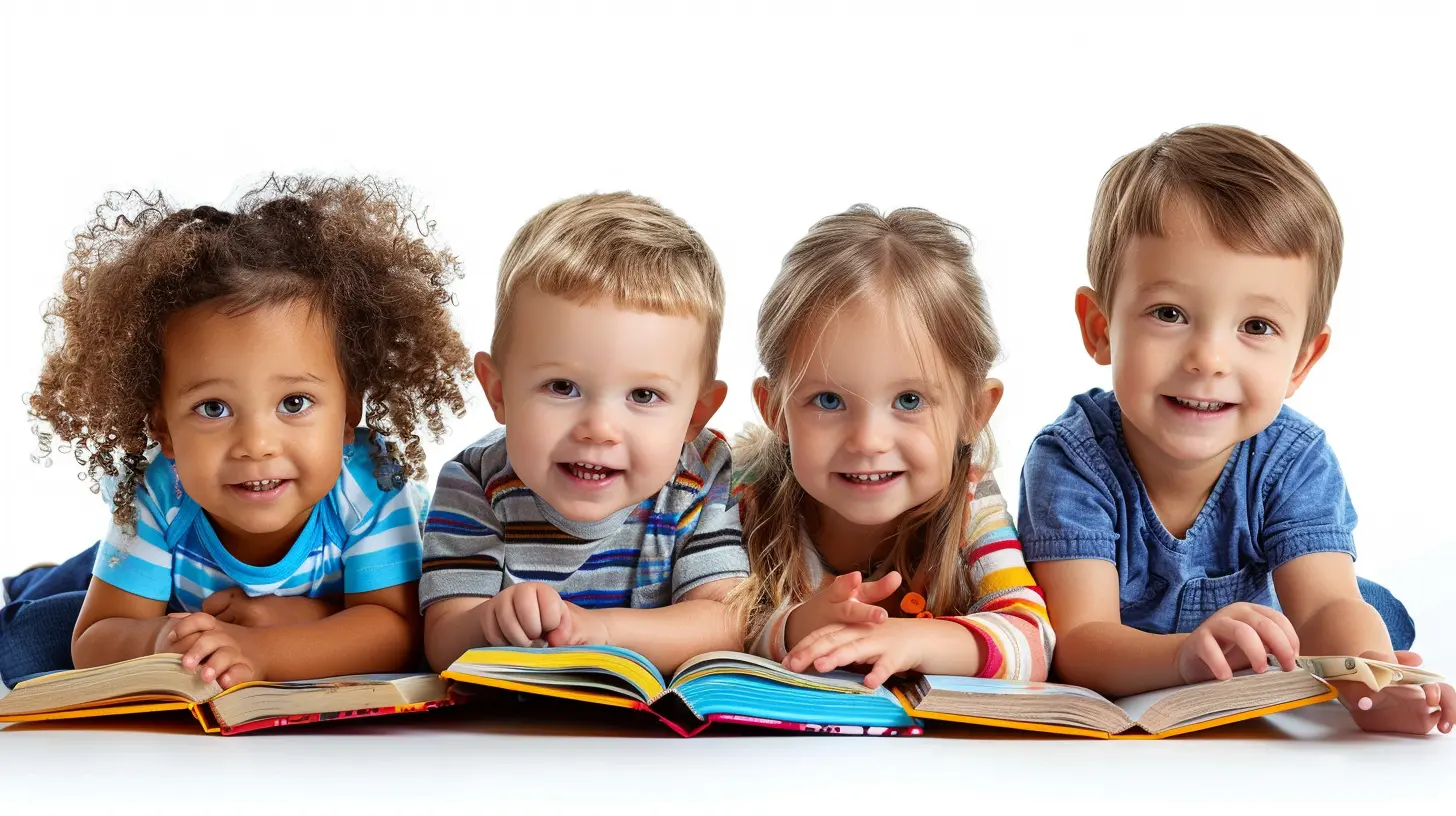
When it comes to fostering emotional connections with books, adults play a HUGE role. You’re the guide that helps children recognize, understand, and connect with emotions in stories.Be Present and Engaged
Reading together shouldn't feel like a chore. Be animated, ask questions, pause to reflect. “Why do you think she’s sad?” or “Would you be scared if that happened to you?” These questions invite deeper thinking and help kids link emotions to life experiences.Model a Love for Reading
Kids are keen observers. If they see you enjoying a book, chances are, they’ll want to join in. Talk about your favorite books, your feelings while reading, or even books that made you cry. That vulnerability is powerful.Choosing Books That Build Emotional Bonds
Not all books are created equal — especially when it comes to emotional impact. So how do you pick the right ones?Look for Relatable Characters
Books that mirror a child’s emotions or situations are powerful. They might see themselves in a character who's starting school, fighting with a sibling, or feeling afraid of the dark. That recognition leads to emotional connection.Choose Stories With Emotional Depth
It’s not just about happy endings — it’s about the emotional journey. A good book balances tension and resolution, fear and comfort, sadness and joy. Stories that tackle bigger feelings in age-appropriate ways create lasting emotional impact.Rotate Books with the Seasons of Life
Kids go through phases, emotionally and developmentally. What resonates with a four-year-old might not hit the same at age six. Update your reading shelf with books that reflect where your child is emotionally and socially.
Emotional Literacy Leads to Reading Success
Here’s the kicker — kids who are emotionally connected to books are more likely to WANT to read. And wanting to read? That’s more than half the battle.Vocabulary and Comprehension Grow From Connection
A child who’s emotionally engaged will try harder to understand what’s happening in a story — which means they’ll pay more attention to words, ask more questions, and build stronger vocabularies and comprehension skills.Emotional Literacy Supports Academic Literacy
Understanding emotions through books helps kids better grasp classroom narratives, instructions, and even social interactions at school. Reading isn’t just for language arts — it helps in math, science, and beyond.Tips For Building Emotional Connections Through Books
Alright, let’s get practical. If you want to weave emotional bonds into your child’s reading experience, here are some down-to-earth strategies:1. Read Aloud With Feeling
Go full theater. Use different voices, change your tone, add sound effects. The more engaged you are, the more emotionally impactful the reading.2. Ask Open-Ended Questions
Instead of just “What happened?” ask:- “Why do you think they did that?”
- “Have you ever felt like that?”
- “What would you have done?”
These questions help kids explore feelings and reflect on their own experiences.
3. Connect Stories to Real Life
After a story, tie the theme to a real situation. “Remember when you were nervous about your first day? Just like this character!” This validates feelings and deepens connection.4. Keep a Feelings Journal
Encourage kids to draw or write about how a story made them feel. Even preschoolers can do this with pictures. It builds emotional vocabulary and self-awareness.5. Revisit Favorite Stories Often
Repetition strengthens emotional bonds. A book that’s read and reread becomes part of a child’s emotional toolkit. Like an old friend they can visit again and again.
The Long-Term Impact of Emotional Bonds with Books
The emotional connections kids make with books don’t just fade away. They lay the groundwork for a lifelong love of reading — and that brings long-term benefits.Lifelong Readers, Lifelong Learners
Children who grow up loving books often become adults who read for pleasure — which correlates with higher academic success, better empathy skills, and even career growth.Emotional Intelligence Matures With Reading
Books help kids understand their own feelings and the feelings of others. Over time, that emotional intelligence expands — and that's worth its weight in gold in relationships, school, and life.Final Thoughts
If we want children to grow into readers, we first need them to feel. Feel excited. Feel seen. Feel connected. Emotional connections with books are the heartbeat of early literacy. Without that heartbeat, reading risks becoming hollow — just letters and sounds. But with it? Reading becomes a journey of the heart and mind.So snuggle up, crack open a book, and let the stories work their magic. It’s not just about reading better — it’s about feeling, connecting, and growing through every page.
all images in this post were generated using AI tools
Category:
Early LiteracyAuthor:

Charlotte Rogers
Discussion
rate this article
12 comments
Mistral Cook
This article beautifully captures the magic of books in fostering deep emotional connections and early literacy. Thank you!
February 1, 2026 at 8:42 PM
Charlotte Rogers
Thank you for your kind words! I'm glad you found the article resonant.
Mackenzie Reynolds
This article beautifully highlights the importance of emotional connections in early literacy. By fostering these bonds through books, we not only enhance reading skills but also nurture empathy and understanding in young minds. It's a vital step in holistic childhood development!
January 8, 2026 at 5:15 AM
Charlotte Rogers
Thank you for your thoughtful comment! I'm glad to hear that you resonate with the focus on emotional connections and their role in early literacy and holistic development.
Selah Ford
Read, feel, connect, thrive!
January 6, 2026 at 12:08 PM
Charlotte Rogers
Absolutely! Books create pathways for emotional connection that enrich early literacy and foster growth. Thank you for sharing!
Yolanda McDonough
What a delightful read! Building emotional connections with books is such a powerful way to enhance early literacy. Let’s inspire our little ones to explore new worlds through stories—after all, a strong bond with books ignites a lifelong love for reading! 📚💖
December 29, 2025 at 3:34 AM
Charlotte Rogers
Thank you! I completely agree—nurturing emotional connections with books is essential for fostering a love of reading in young minds. Let's keep inspiring them! 😊📖
Maggie Sanders
What a lovely article! Building emotional connections with books is truly essential for enhancing early literacy. Your insights beautifully highlight how stories can foster empathy and imagination in young readers. Thank you for sharing such valuable tips and inspiration for parents and educators alike to nurture a love for reading in children!
December 28, 2025 at 9:29 PM
Charlotte Rogers
Thank you so much for your kind words! I'm glad you found the article meaningful and that it resonates with the importance of fostering emotional connections in early literacy. Happy reading!
Giovanna Kelly
Thank you for this insightful article! Building emotional connections with books is truly essential for fostering early literacy. Your tips on creating engaging reading experiences will undoubtedly inspire educators and parents alike to nurture a love for reading in children.
December 27, 2025 at 4:26 AM
Charlotte Rogers
Thank you for your kind words! I'm glad you found the article helpful in promoting a love for reading in children.
Joanna McCarty
This article beautifully highlights the importance of emotional connections in early literacy. I'm curious about the strategies parents and educators can adopt to foster these connections. How can we further engage children's imaginations while strengthening their love for reading?
December 26, 2025 at 4:50 AM
Charlotte Rogers
Thank you for your insightful comment! To foster emotional connections and engage children's imaginations, parents and educators can use interactive reading techniques, such as asking open-ended questions, incorporating storytelling elements, and connecting the story to a child's personal experiences. Encouraging creative discussions and playful activities related to the book can also strengthen their love for reading.
Regina McDougal
This article beautifully highlights the importance of emotional connections in early literacy. By encouraging children to engage with stories on a personal level, we not only foster a love for reading but also enhance their comprehension and empathy. A crucial approach for developing young minds!
December 25, 2025 at 9:39 PM
Charlotte Rogers
Thank you for your insightful comment! I'm glad you found the article resonates with the vital role emotional connections play in early literacy.
London Peterson
Great insights! Emotional connections truly enhance early literacy skills.
December 25, 2025 at 5:55 AM
Charlotte Rogers
Thank you! I'm glad you found the insights valuable. Emotional connections are indeed key to fostering early literacy!
Blair Hall
Oh sure, nothing like a gripping tale to transform toddlers into literary geniuses overnight! Who knew snuggling up with a picture book could unlock the secrets of the universe? Next, let’s teach them to fly by reading about birds!
December 24, 2025 at 2:09 PM
Charlotte Rogers
While it may not teach them to fly, nurturing a love for reading can foster imagination and critical thinking in young minds!
Lyanna Dorsey
Books are more than words; they're bridges to empathy and imagination. By fostering emotional connections, we empower young readers not just to decode text, but to understand themselves and others. Early literacy becomes a journey of discovery, where each page turned is a step towards a richer, more compassionate world.
December 20, 2025 at 4:23 AM
Charlotte Rogers
Absolutely! Books truly open the door to empathy and self-discovery, enriching young readers' lives and fostering a deeper understanding of the world.
Paxton Griffin
Books are magic carpets; let emotions be the fuel for flight!
December 19, 2025 at 12:29 PM
Charlotte Rogers
Absolutely! Books transport us, and when we connect emotionally, we ignite a passion for reading that fuels literacy growth.
MORE POSTS

Transforming Discipline Through Mindfulness

How to Develop a Positive Mindset for Standardized Test Success

Hands-On Learning: Lesson Plans that Inspire Curiosity

The Influence of Classical Music on Modern Education
The Language Curriculum in Montessori: From Phonetics to Fluent Reading

How to Create Culturally Relevant and Engaging Lesson Plans

How to Stay Motivated During Long Study Sessions

Coding Competitions: Encouraging Innovation and Collaboration Among Students