Coding Clubs: After-School Programs Cultivating Tomorrow's Innovators
17 December 2025
Ever wonder how some kids go from playing video games to creating them? Or from acing math tests to building their own websites? The secret sauce could be coding clubs — those after-school hangouts where students unravel the magic behind computers and learn to think like creators, not just consumers.
Let’s dive into what makes these clubs tick, why they’re turning heads in education, and how they’re quietly shaping the next generation of tech wizards.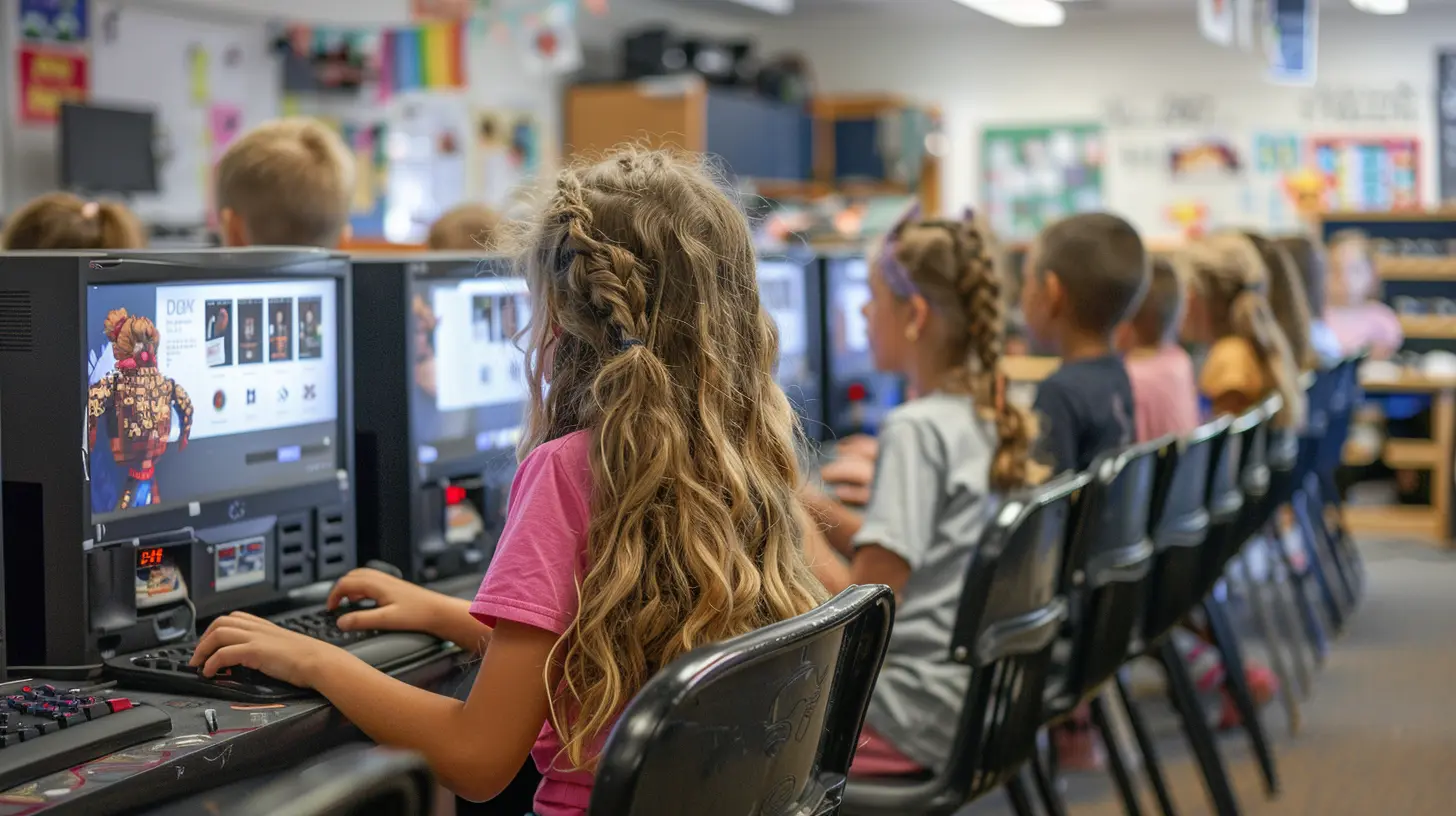
What Exactly Are Coding Clubs?
Picture this: a bunch of curious kids huddled around laptops, swapping ideas, smashing bugs (not the creepy kind!), and high-fiving when their code finally works. That’s the vibe of a coding club.Coding clubs are after-school programs that teach students how to program. But they’re much more than lessons and lectures. They’re interactive, creative spaces where kids can:
- Build apps and games
- Design websites
- Explore robotics
- Collaborate on projects
- Participate in coding competitions
And the best part? There are no grades—just plain curiosity, experimentation, and fun.
Why Are Coding Clubs So Important?
Let’s be real. Tech is everywhere. From your coffee maker to your car, coding has infiltrated nearly every aspect of our lives. If we want our kids to keep up—or better yet, lead—we need to teach them how technology works.1. They Boost Problem-Solving Skills
Coding is like solving puzzles all day. Got a bug in your code? You’ll need logic, patience, and creativity to squash it. It’s no wonder students who code tend to develop killer problem-solving skills.And guess what? These skills aren’t just for computer science. They help in math, science, and even writing.
2. They Teach Kids to Think Like Engineers
Coding clubs teach computational thinking—a fancy term for breaking big problems into bite-sized chunks and solving them step by step. It’s how engineers, scientists, and innovators think. And the earlier kids learn it, the better.3. They Encourage Collaboration
Forget the lonely coder stereotype. In clubs, students often work in teams on projects. They talk through ideas, debug together, and learn to communicate technical concepts. That’s a recipe for future workplaces right there!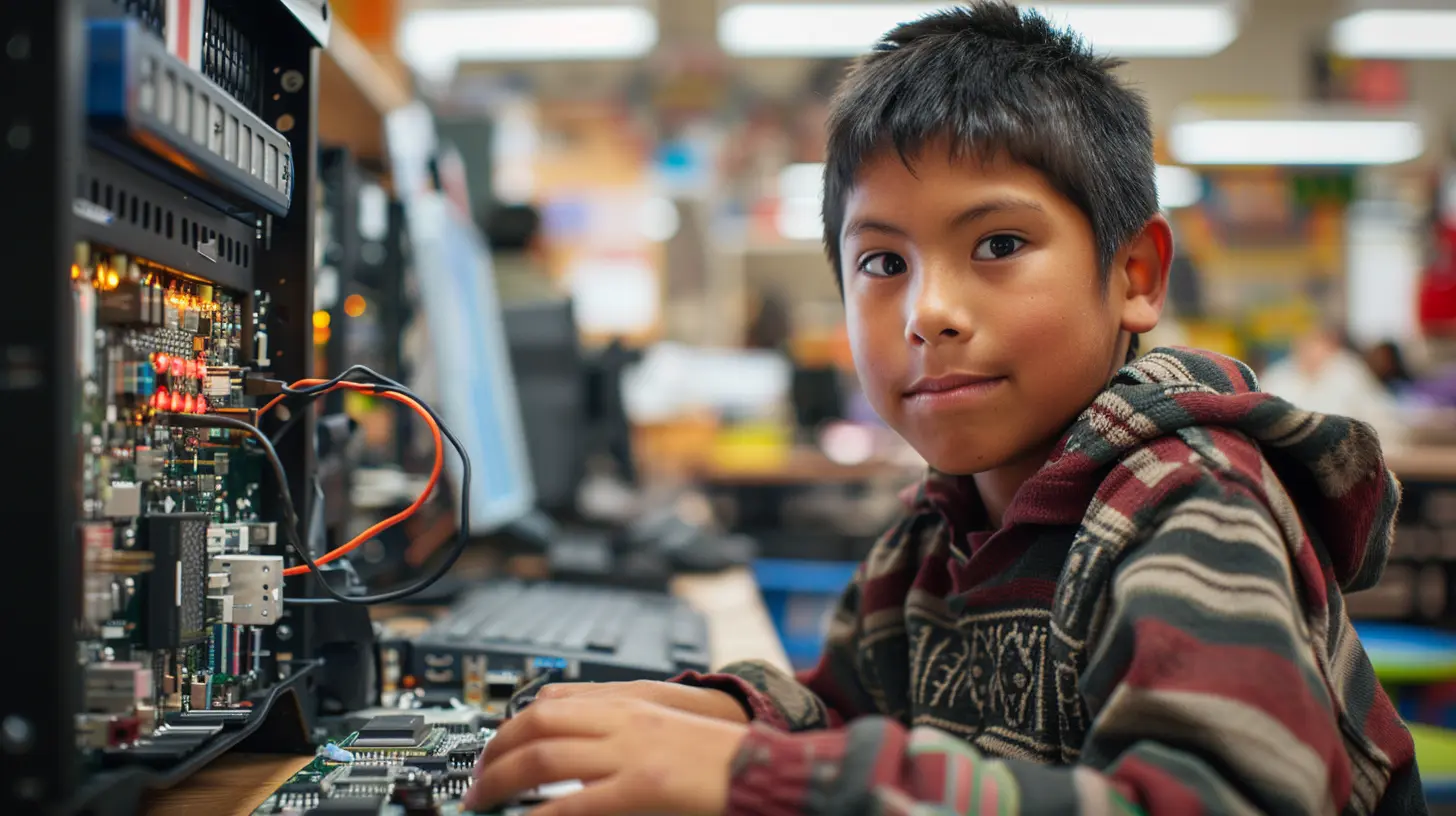
Who Are These Clubs Really For?
Here’s the cool part: coding clubs aren’t just for the math prodigies or the future Mark Zuckerbergs. They’re for everyone.Girls in Coding? Heck Yes!
Despite the tech industry being male-dominated, coding clubs are changing that narrative. Many schools and organizations focus on getting more girls into coding early. Programs like Girls Who Code and Black Girls Code are leading that charge.Once girls see they belong in the tech world, they stay. They thrive. They lead. Coding clubs can be that first spark.
Kids Who Learn Differently
Not every student thrives in traditional classrooms. Some get easily bored, some need more hands-on exploration. Coding clubs offer a flexible, supportive environment where students can learn at their own pace and in their own style.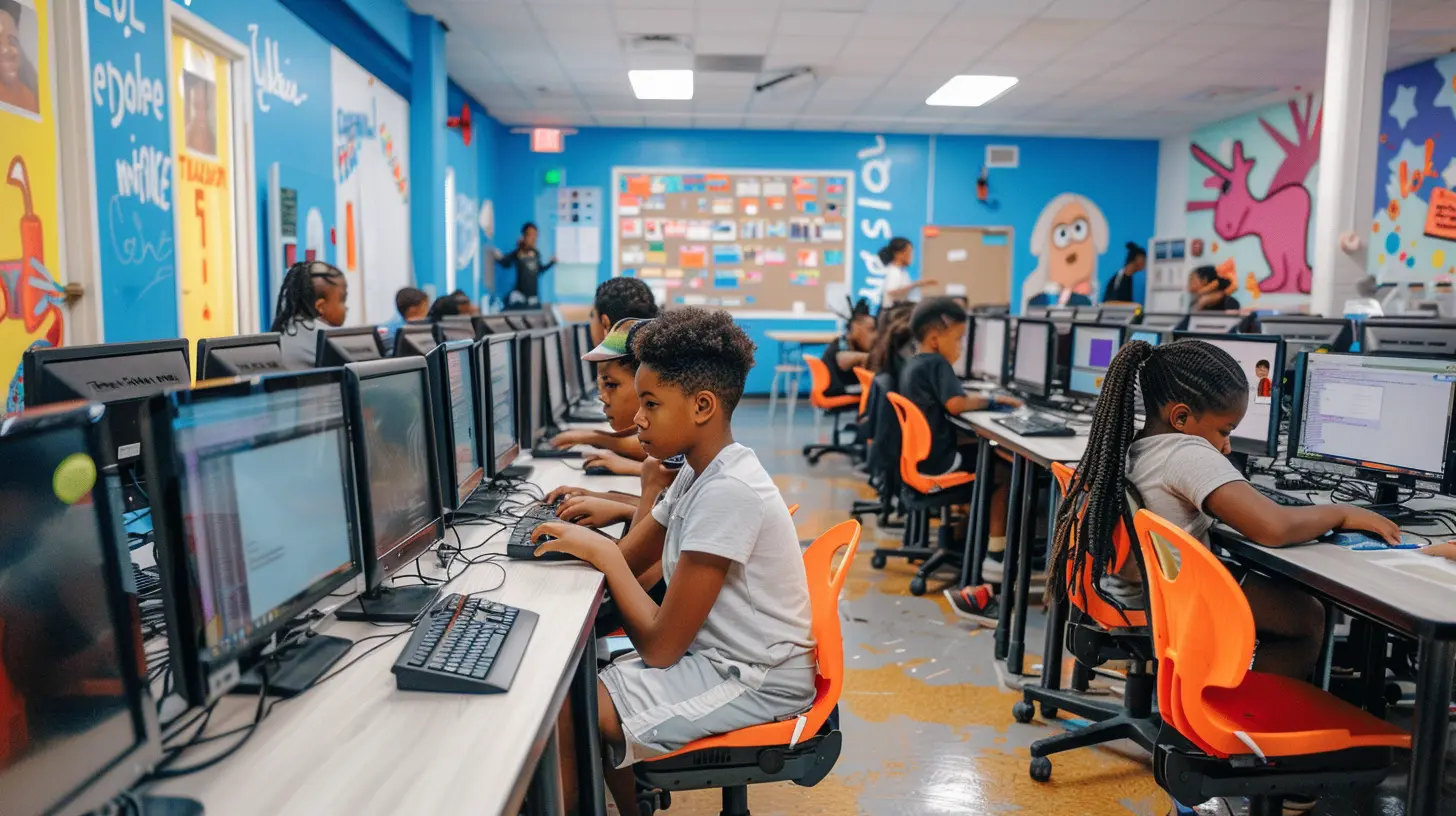
What Do Students Actually Do in a Coding Club?
Great question. It depends on the club, but let’s break it down.Beginner Activities
- Learning the basics of Python or Scratch- Creating animations or mini-games
- Understanding how websites are built
- Practicing drag-and-drop coding
Intermediate Projects
- Building simple web apps using HTML, CSS, and JavaScript- Scripting a chatbot
- Programming robots with Arduino or micro:bit boards
- Participating in "hackathons" or coding challenges
Advanced Work
- Designing and coding mobile apps from scratch- Exploring data science and machine learning concepts
- Contributing to open-source projects
- Joining coding competitions like Code.org’s CS Fair or Google’s Code-In
It’s like leveling up in a game. As kids grow in skill, the projects become more challenging and rewarding.
Why After-School Instead of In-Class?
Coding during school hours is great, but after-school clubs add that extra flavor. They offer:- More Freedom: No grades, no tests, no rigid curriculum. Just experimentation.
- Time for Creativity: School days are packed. After school, you can actually take your time, break things, fix them, and build something cool.
- Community and Friendship: Students work together, form teams, and build memorable experiences.
Let’s be honest—some of the best learning happens when no one’s watching over your shoulder.
How Schools and Parents Can Support Coding Clubs
So at this point, you might be wondering: “How can we get one of these clubs started?” Great question. It actually doesn’t take a tech wizard to set up a coding club.For Schools
- Find a Passionate Facilitator: This could be a teacher, librarian, or even a volunteer parent.- Partner with Organizations: Groups like Hour of Code, Code.org, or CoderDojo offer tons of free resources.
- Provide the Tools: A few computers, good Wi-Fi, and a space to meet are often enough to get started.
For Parents
- Encourage Your Child’s Curiosity: Ask them what they're building, or challenge them to teach you something!- Volunteer or Help Organize: A little help can go a long way in running these clubs.
- Celebrate the Little Wins: That blinking LED or simple game? It’s a big deal. Celebrate it.
Real Success Stories from Coding Clubs
You don’t have to look far to see how these clubs spark innovation.- A group of middle schoolers in New York built a mobile app to help blind people navigate their schools.
- In a small town in India, a girls’ coding club developed an emergency safety app now used by thousands.
- High-schoolers in California used Raspberry Pi devices to build affordable air quality monitors for wildfire-prone areas.
These aren’t just fun side projects. They’re community-changing innovations.
Long-Term Benefits of Coding Clubs
Here’s where it gets exciting. Coding club alumni often go on to:- Major in Computer Science or STEM fields
- Launch startups in high school or college
- Intern at top tech companies
- Win scholarships and national recognition
But even if a student doesn’t end up in tech, the skills they gain—critical thinking, collaboration, creativity—are 100% transferable.
The Tech Industry Is Begging for Talent
Did you know that, in the U.S. alone, there are hundreds of thousands of unfilled tech jobs each year? Companies are desperate for fresh talent. And coding clubs? They’re growing that talent pipeline from the ground up.Starting early means by the time a student hits college (or even high school), they’re not just tech users—they’re creators, problem solvers, and innovators in the making.
Barriers? Yeah, They Exist. But They’re Beatable
Of course, not every student has the same access.- Some schools don’t have enough computers.
- Not all communities have tech mentors nearby.
- Internet access isn’t universal.
But that’s changing. Affordable hardware like Raspberry Pi, accessible tools like Scratch, and nonprofit organizations are closing that gap. And for those with no local club? Virtual coding clubs are a thing now. Zoom, Discord, and GitHub make remote collaboration super easy.
Final Thoughts: The Future Belongs to the Curious
Coding clubs are more than just after-school programs. They’re incubators for future thinkers and leaders. They’re playgrounds for tech-savvy kids to explore and invent. And they’re a powerful step toward a more inclusive, innovative future.If you're a student, join one. If you’re a teacher or parent, start one. If you’re unsure how—start small. One project, one computer, one line of code. That’s all it takes to spark something big.
Remember, today’s curious coders are tomorrow’s startup founders, app developers, and world-changing innovators.
all images in this post were generated using AI tools
Category:
Coding In SchoolsAuthor:

Charlotte Rogers
Discussion
rate this article
12 comments
Cassandra McIlroy
Great article! Coding clubs are a fantastic way to inspire creativity and critical thinking in students. They empower young minds to become tomorrow's innovators. Let's continue to support these programs for a brighter future in tech!
January 30, 2026 at 1:26 PM
Charlotte Rogers
Thank you for your kind words! I'm glad you share the belief in the power of coding clubs to inspire and empower students. Together, we can foster innovation in the next generation!
Wilder McGlynn
Love the idea! Coding clubs truly spark creativity and collaboration in kids!
January 16, 2026 at 12:22 PM
Charlotte Rogers
Thank you! I'm glad you see the value in coding clubs; they really do inspire creativity and teamwork!
Jaxon Kane
Great read! Coding clubs truly empower young minds, fostering creativity and innovation in a supportive environment.
January 14, 2026 at 7:46 PM
Charlotte Rogers
Thank you! I'm glad you enjoyed the article and share the belief in the positive impact of coding clubs on young minds!
Sofia McClary
Coding clubs are essential for fostering creativity and collaboration among students, equipping them with vital skills for future innovation and problem-solving.
January 14, 2026 at 4:54 AM
Charlotte Rogers
Thank you for your insightful comment! I completely agree—coding clubs not only spark creativity but also build essential teamwork skills that are crucial for future innovators.
Elara Simmons
Coding clubs empower students with critical problem-solving skills and creativity, fostering innovation and collaboration essential for future technological advancements.
January 9, 2026 at 11:58 AM
Charlotte Rogers
Thank you for highlighting the vital role of coding clubs! They truly nurture essential skills that drive innovation and collaboration among future leaders in technology.
Nymira Cox
Great article! Coding clubs are a fantastic way to spark creativity and innovation in students. Excited to see where this leads!
January 7, 2026 at 8:30 PM
Charlotte Rogers
Thank you! I'm thrilled you enjoyed the article and share the excitement for the potential of coding clubs in fostering innovation!
Vito McKay
This article beautifully highlights the importance of coding clubs in fostering creativity and innovation. Empowering students with coding skills today truly builds the problem-solvers of tomorrow. Thank you!
January 6, 2026 at 12:08 PM
Charlotte Rogers
Thank you for your kind words! I'm glad you found the article valuable in showcasing the impact of coding clubs on nurturing future innovators.
Ian McMillan
Coding clubs are not just extracurriculars; they are essential incubators for the next generation of innovators. Let's stop underestimating their impact—these programs are shaping critical thinkers and problem solvers who will drive our future forward.
December 30, 2025 at 4:25 AM
Charlotte Rogers
Absolutely! Coding clubs play a crucial role in fostering essential skills and creativity in young minds, preparing them to tackle future challenges. Their impact is invaluable!
Matilda McClellan
Behind every line of code lies a world of possibilities. What secrets do these coding clubs hold that could shape the innovators of tomorrow?
December 27, 2025 at 7:38 PM
Charlotte Rogers
Coding clubs inspire creativity and problem-solving, equipping students with essential skills and knowledge to innovate and tackle future challenges.
Molly McCloud
Nurturing young minds in coding's embrace, where dreams ignite and future’s spark finds grace.
December 26, 2025 at 4:50 AM
Charlotte Rogers
Thank you! I appreciate your poetic take on the importance of coding clubs in shaping future innovators.
Quill McAnally
What a fantastic read! Coding clubs are truly shaping the innovators of tomorrow. They provide a fun and engaging space for students to explore their creativity and problem-solving skills. Excited to see our future tech leaders thrive through these inspiring after-school programs! 🌟💻
December 25, 2025 at 1:02 PM
Charlotte Rogers
Thank you! I completely agree—coding clubs are essential in nurturing creativity and innovation in young minds. Exciting times ahead for our future tech leaders! 🌟
Kevin Lawson
Great article! It's inspiring to see how coding clubs foster creativity and problem-solving skills in young minds. These after-school programs not only equip students with valuable technical skills but also encourage teamwork and innovation, essential for the future. Keep up the fantastic work!
December 20, 2025 at 4:23 AM
Charlotte Rogers
Thank you! I'm glad you found the article inspiring. Coding clubs truly play a vital role in shaping the innovators of tomorrow!
MORE POSTS

Designing Assessments That Motivate and Challenge Students

The Role of Open Source Platforms in Teaching Kids to Code

The Power of Interactive Reading: Engaging Your Child with Books

Critical Thinking vs. Memorization: Why It Matters

Creating a Cozy Reading Space to Inspire a Love for Books

Drama Activities to Enhance Public Speaking and Confidence

How to Use Feedback to Improve Your Learning Experience

Using Educational Apps to Enhance Early Literacy