Coding Competitions: Encouraging Innovation and Collaboration Among Students
17 July 2026
Let’s face it: coding isn't just about long hours in front of a screen, typing endless lines of code in a dark room. It’s a modern-day superpower — one that allows students to build apps, solve real-world problems, and even launch startups before they graduate high school. Now imagine this power mixed with excitement, time-pressure, and teamwork. That’s what coding competitions bring to the table.
In recent years, coding competitions have exploded in popularity, and for all the right reasons. Besides the adrenaline rush and bragging rights, they fuel something even more important — innovation and collaboration. Think of them as playgrounds for young techies to stretch their creative muscles, learn from each other, and solve complex problems while having fun.
So, why are they so effective at boosting innovation and teamwork? And why should students care? Let’s crack this open.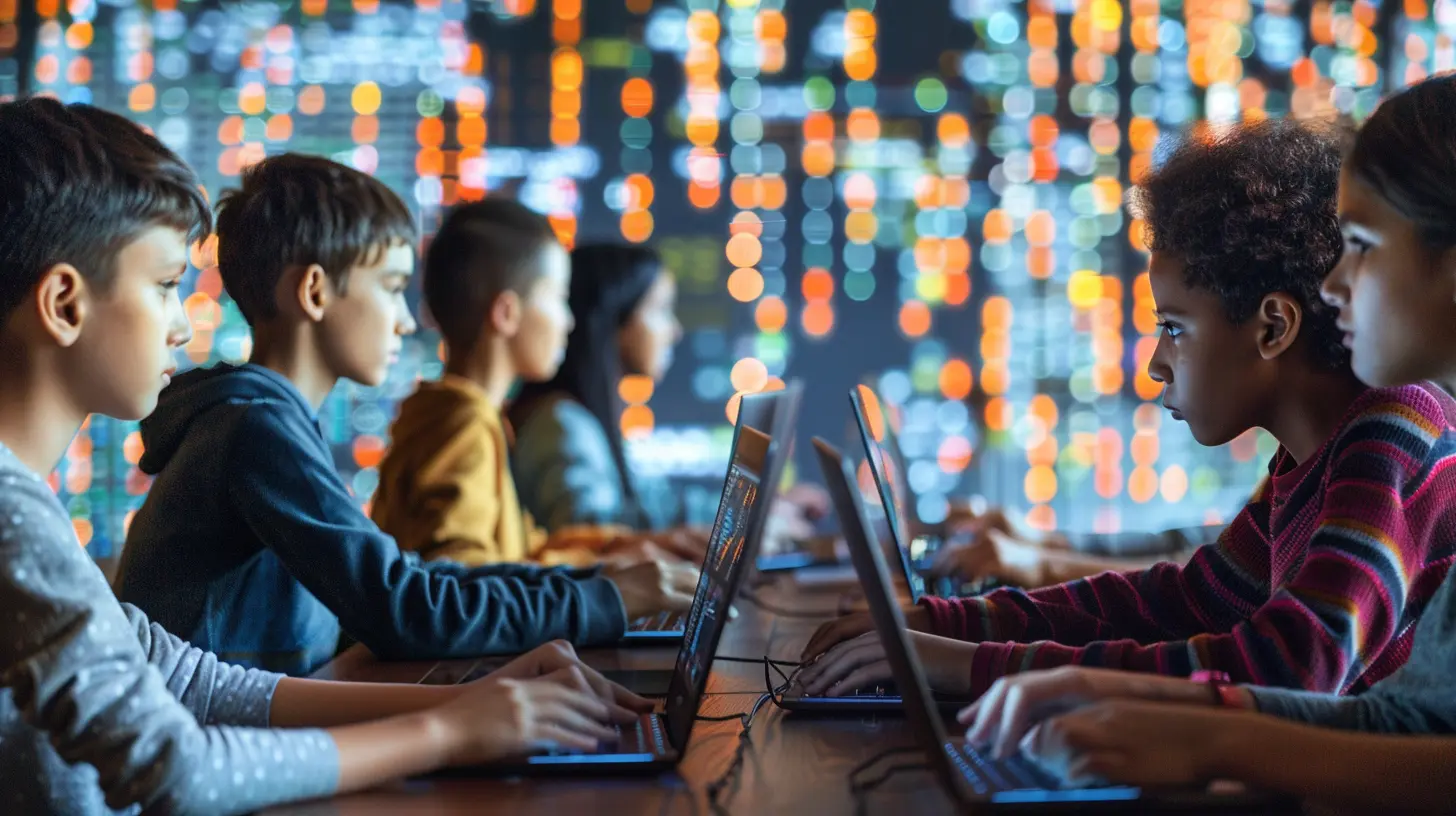
What Are Coding Competitions, Really?
Before we jump into the good stuff, let’s break down what coding competitions actually are.In a nutshell, coding competitions (also known as hackathons, programming contests, or codefests) are time-bound events where individuals or teams solve algorithmic challenges or work on tech projects. These range from shortest-code challenges to building full-scale applications or even solving real-world social issues using tech.
Some popular ones you might’ve heard of include:
- Google Code Jam
- HackerRank Contests
- Codeforces Battles
- ACM ICPC
- Facebook Hacker Cup
- Major League Hacking (MLH) hackathons
But the magic isn’t just in the competition itself — it’s in what students gain from participating.
Innovation Gets a Super Boost ?⚡
Let’s not beat around the bush — every school and college talks about encouraging innovation. But how? Textbooks? Not likely.Coding competitions challenge students to think outside the box. They throw time-sensitive problems their way, forcing them to brainstorm, prioritize, and improvise. It’s like turning your brain into a pressure cooker — and out comes creativity, served hot.
Why Coding Contests Spark Innovation:
- Real-Time Problem Solving: Students must act fast, figure things out quickly, and adapt to new scenarios on the fly.- Freedom to Build Things: They're not limited to theoretical problems. Many competitions allow freeform projects where students can build apps, AI models, or games.
- Exposure to Cutting-Edge Tech: Participants often try out the latest tools, APIs, and frameworks, which pushes them to merge imagination with implementation.
- Thinking Beyond the Classroom: When you’re building something that might actually help people, your mind shifts from scoring grades to solving problems.
It’s no wonder that some of the best startup ideas were born in hackathons — yup, even billion-dollar companies like GroupMe and Zapier.
Collaboration: The Secret Sauce ??
Coding isn’t a solo sport anymore. Sure, “lone genius” stories sound cool, but real-world tech runs on teamwork.In coding competitions, students often form teams — and that’s where the magic happens. You might have one student who's great at design, another who's a backend wizard, and another who's a master at pitching ideas. When these skills combine? Boom. You’ve just created a dream team.
How Collaboration Happens in These Competitions:
- Role Sharing: Dividing tasks based on individual strengths teaches students how to delegate, trust, and support each other.- Peer Learning: Everyone brings something different to the table, and students inevitably learn from one another.
- Communication Skills: Coding may be technical, but explaining your idea? That takes soft skills — and competitions help sharpen them.
- Handling Pressure as a Team: Working under a deadline builds resilience and teaches students how to stay calm and productive under stress.
It’s like the Avengers assembling, except you're wielding code instead of superpowers (ok, maybe code is kinda a superpower too).
The Thrill of Friendly Competition ?
Let’s be honest — a little competition never hurt anyone. In fact, it often brings out the best in us.Coding competitions create a high-energy environment that pushes students to keep learning and improving. When you see your peers crushing it, it makes you want to level up too.
But it’s not about beating others — it's more about beating yesterday’s version of yourself.
Benefits Students Get from the Competitive Spirit:
- Keeps Motivation High: Deadlines and leaderboards add urgency and excitement.- Goal-Oriented Mindset: Working toward a tangible outcome—whether it's a prize, recognition, or just personal pride—boosts focus.
- Constructive Feedback: Judges and mentors often provide insights that help students view their work critically and improve.
And guess what? Many students also make lifelong friends or future co-founders during these competitions. Not all coding journeys need to be lonely — this is where communities form.
Real-World Relevance: Beyond Just Good Grades ?
One of the coolest things about coding competitions is that they simulate real-world tech challenges. Whether it’s debugging code under time pressure or collaborating on scalable systems, these contests offer a glimpse into what tech jobs actually involve.Why Employers Love Coding Competitions:
- Problem-Solving Mindset: You're not just memorizing; you’re applying.- Hands-On Practice: By the time students graduate, they’ve already worked on multiple “mini-projects.”
- Portfolio Gold: Projects built during hackathons serve as awesome resume boosters.
- Shows Passion: Showing up to a coding competition on a weekend? That screams dedication.
In fact, many top employers scout talent directly through these events. It's not uncommon for participants to walk away with job offers.
Boosting Confidence and Reducing Fear ??
Let’s talk about something real. A lot of students feel intimidated by coding. The syntax, the logic, the fear of bugs — it can be overwhelming.But coding competitions flip that narrative. They create a fun, supportive space where learning by doing is the norm. You mess up? No big deal. You try again. You ask a teammate. You Google it. You learn — fast.
And with every competition, students chip away at self-doubt and build real confidence.
How Competitions Empower Students:
- Learning Through Action: There's no better teacher than experience — and competitions are packed with it.- Safe Space to Fail: You’re expected to make mistakes. That’s how you grow.
- Continuous Improvement: Every problem you solve makes the next one a bit easier.
By the end, you're not just a better coder. You’re someone who believes in your ability to tackle challenges head-on.
How Schools & Institutions Can Support ??
Okay, so we know coding competitions are awesome. But how can educators and institutions make the most of them?Here’s how:
- Host Internal Hackathons: Start small. Get students comfortable with the idea of coding for fun.
- Incorporate Challenges in Curriculum: Use real-life coding problems as assignments.
- Offer Mentorship and Prep Sessions: Help students feel ready and supported.
- Celebrate Participation Over Winning: Make it about learning and growing — not just the trophies.
- Encourage Peer-Led Coding Clubs: Let students lead initiatives and support each other.
When schools make coding competitions part of their culture, the results are game-changing.
Final Thoughts: It’s Time to Code Outside the Box
Coding competitions aren’t just for the top tech whizzes or the math geniuses. They’re for anyone curious enough to ask, “What can I build?” and bold enough to try.They foster a culture where innovation blooms, ideas collide, and students become creators — not just consumers — of technology. The mix of adrenaline, team spirit, creative chaos, and achievement creates an environment that no traditional classroom can replicate.
Whether you're a student looking to up your game or an educator keen on inspiring the next generation, taking part in coding competitions is a phenomenal way to spark both innovation and collaboration.
So, next time you hear about a hackathon or coding challenge, don’t think twice. Sign up, show up, and start building.
Coding is fun. Coding with friends? Even better. Coding to change the world? Now we’re talking.
all images in this post were generated using AI tools
Category:
Coding In SchoolsAuthor:

Charlotte Rogers
Discussion
rate this article
1 comments
Gideon Cruz
Fosters teamwork, sparks creative solutions.
July 17, 2026 at 3:18 AM