Empowering Student Voice Through Collaborative Projects
14 February 2026
In today's rapidly evolving educational landscape, there’s a growing recognition that students need more than just facts and figures to succeed. They need the ability to express themselves, share ideas, and actively participate in their learning journey. Empowering student voice through collaborative projects is not just a trend—it's essential for cultivating confident, creative thinkers.
But what exactly does it mean to empower student voice? And why are collaborative projects such a powerful tool for achieving this? Let’s dive in and explore how we can foster an environment where students feel heard, valued, and engaged.
What is Student Voice?
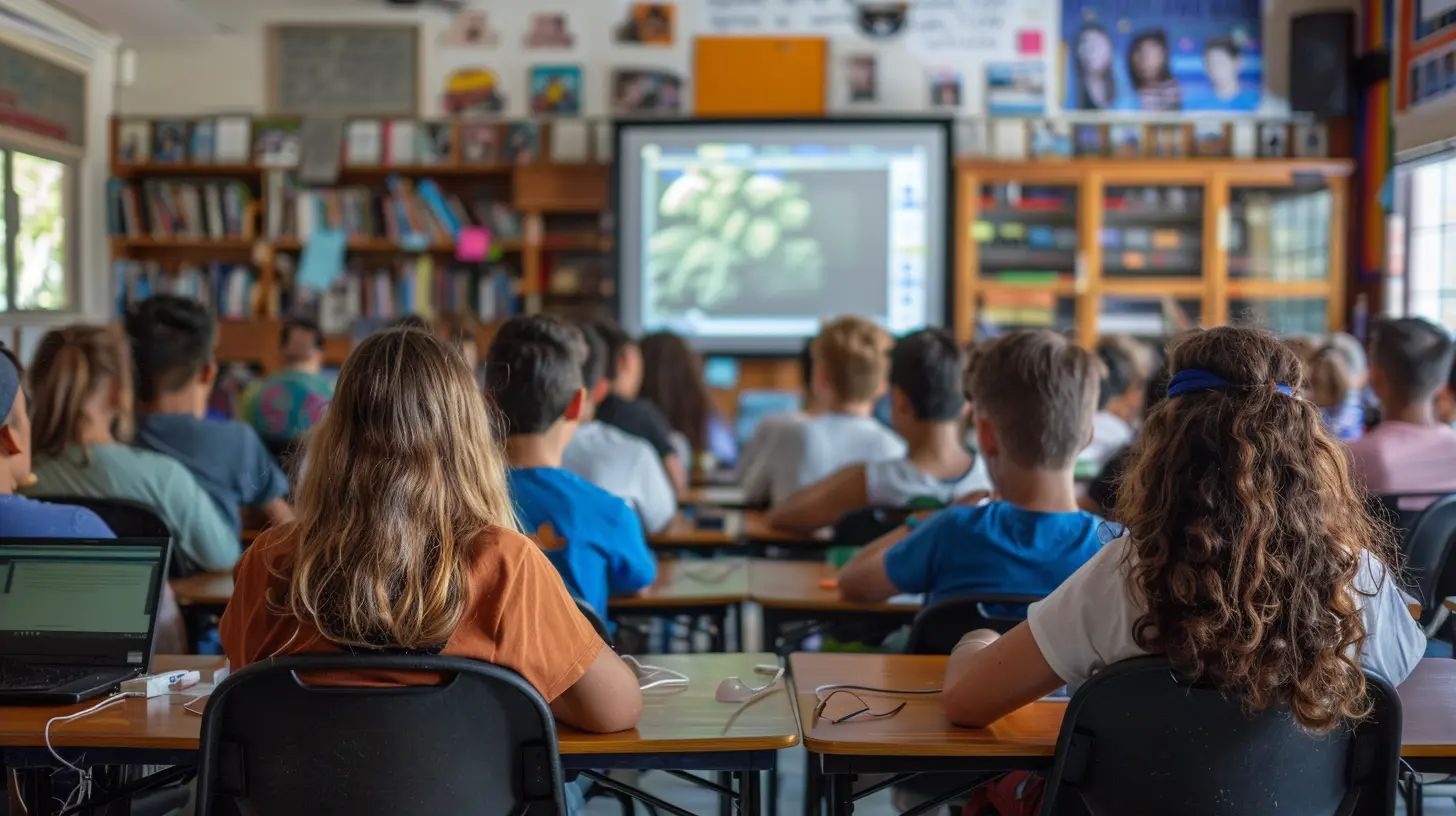
Before we get into the nitty-gritty of collaborative projects, let's clarify what we mean by "student voice." Student voice refers to the ways in which students express their ideas, opinions, and perspectives about their learning process. It's about giving students a platform to speak up, make decisions, and take ownership of their education.Gone are the days when education was a one-way street, with teachers lecturing and students passively absorbing information. Today, the goal is to create a two-way dialogue where students contribute meaningfully to their learning environment. When students feel like their voices matter, they become more invested in what they’re learning.
But here’s the thing: student voice doesn’t just happen on its own. It needs to be nurtured, and one of the best ways to do that is through collaborative projects.
Why Collaborative Projects?
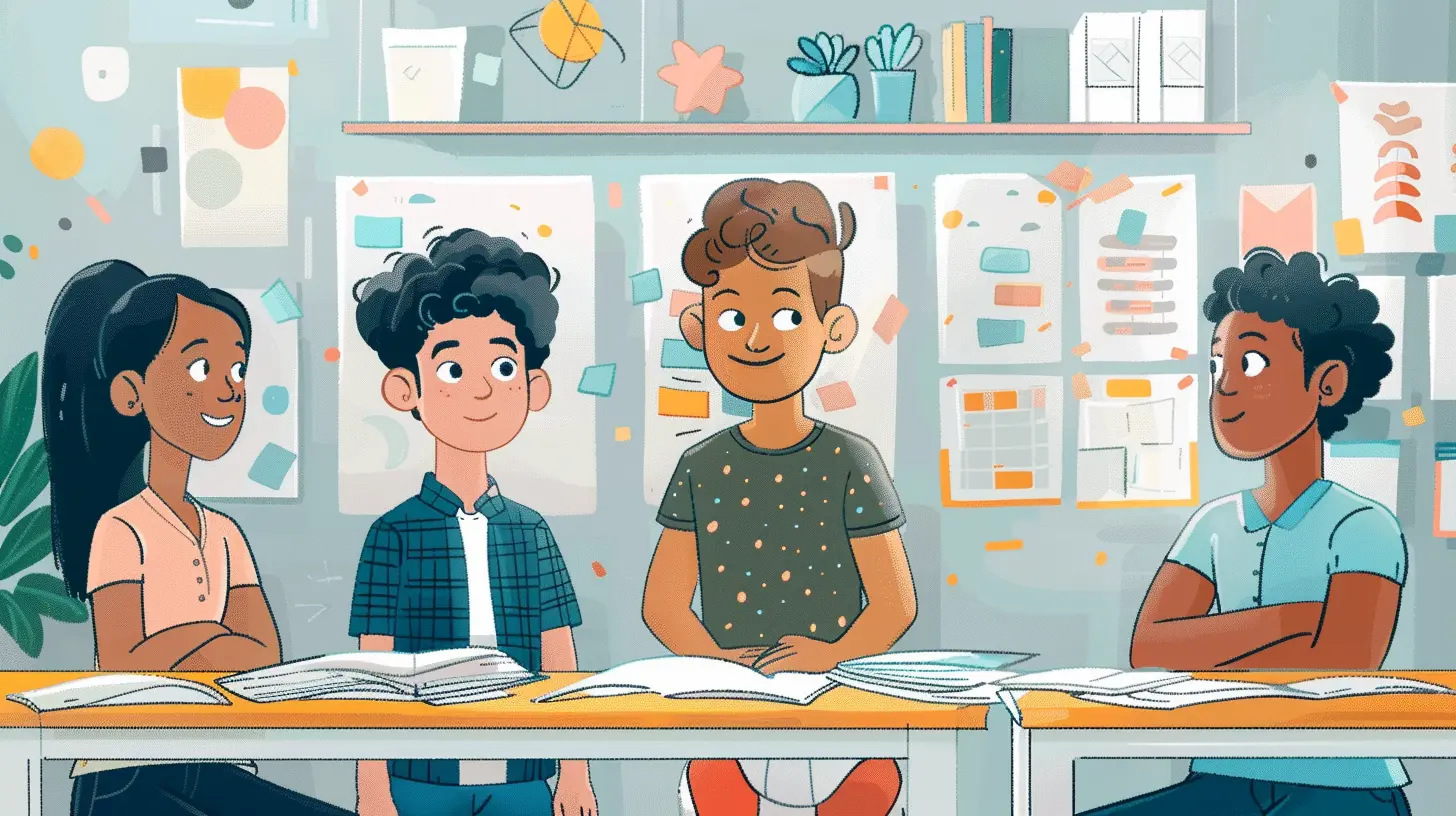
Collaborative projects are an ideal way to empower student voice because they require students to actively engage, communicate, and problem-solve together. When students work as a team, they’re not just completing an assignment—they’re developing essential skills like leadership, listening, and negotiation.Think about it: collaboration is the foundation of the adult world. From the workplace to community involvement, success often depends on our ability to work well with others. By incorporating collaborative projects into education, we're not only teaching students academic content but also preparing them for the real world.
Key Benefits of Collaborative Projects
Here are a few reasons why collaborative projects can be a game-changer in empowering student voice:1. Encourages Diverse Perspectives: In a group setting, students are exposed to different viewpoints and ideas. This diversity fosters critical thinking and helps students appreciate that there are multiple ways to approach a problem.
2. Promotes Active Engagement: When students collaborate, they are more likely to participate actively. They’re not just sitting back and listening—they’re contributing, questioning, and debating.
3. Builds Confidence: By giving students a chance to share their thoughts and ideas within a group, collaborative projects help build self-confidence. They learn that their voice matters, and they become more comfortable speaking up.
4. Fosters Responsibility and Accountability: In a collaborative setting, students are responsible for their contribution to the group. There’s a sense of accountability, which encourages them to take their work seriously.
5. Develops Soft Skills: Beyond academic skills, students learn to communicate effectively, resolve conflicts, and work towards a common goal—skills that are invaluable in the real world.
How Collaborative Projects Empower Student Voice
Now that we’ve established the benefits of collaborative projects, let’s break down how they specifically empower student voice.1. Choice in Decision-Making
One of the most powerful aspects of collaborative projects is that they often give students more control over the learning process. Instead of being told exactly what to do, students can make decisions about how to approach the project, what roles to take on, and how to divide tasks.This autonomy is critical for empowering student voice. When students have a say in how the project unfolds, they feel more ownership over their learning. They're not just doing something because they were told to—they're actively shaping the process.
2. Opportunities for Leadership
Collaborative projects often require students to assume leadership roles, whether it's managing the group, coordinating tasks, or taking the lead on a particular aspect of the project. These leadership opportunities are essential for empowering student voice because they give students a platform to guide their peers and share their vision.Even students who may not typically be the loudest in a traditional classroom setting often find their voice in a collaborative environment where they can lead by example or through their contributions.
3. Encouragement of Open Dialogue
In a collaborative project, communication is key. Students need to share their ideas, listen to others, and engage in discussions to move the project forward. This environment of open dialogue naturally empowers student voice because students are encouraged to speak up and express their opinions.Furthermore, students learn how to listen and respond respectfully to the voices of others, creating a culture of mutual respect and understanding. This not only empowers individual voices but also fosters a sense of community.
4. Feedback and Reflection
Collaborative projects often include opportunities for feedback and reflection, both from peers and teachers. This process is crucial for empowering student voice because it allows students to reflect on their contributions and learn from their experiences.When students receive constructive feedback on their ideas or performance, they gain the confidence to improve and refine their voice. Additionally, the act of giving feedback to others helps students develop critical thinking and communication skills, which are essential for effective self-expression.
5. Peer-to-Peer Learning
One of the most valuable aspects of collaborative projects is the opportunity for peer-to-peer learning. When students work together, they learn from each other’s strengths and perspectives. This peer interaction is a powerful way to empower student voice because it allows students to see the value in their own contributions while also recognizing the importance of other voices.Collaborative projects often lead to moments where students teach or mentor each other, further reinforcing the idea that every student has something valuable to contribute.
Examples of Collaborative Projects That Empower Student Voice
So, how can educators start implementing collaborative projects that empower student voice? Here are a few examples to get you started:1. Group Research Projects
Assign students to work in small groups to research a topic of their choice within a broader theme. Allow them to decide on the specific question or problem they want to explore. Throughout the project, encourage regular check-ins where students present their findings and discuss their progress with the class.This type of project empowers student voice by giving them the freedom to choose what they want to investigate and how they want to present their findings. Plus, the group dynamic requires students to communicate and collaborate effectively.
2. Debate Teams
Organize a class debate where students work in teams to prepare arguments for or against a particular issue. Allow them to choose the side they feel most strongly about, and encourage them to research and develop their arguments as a group.Debates are a fantastic way to empower student voice because they require students to articulate their opinions, defend their ideas, and engage in critical discussions with their peers.
3. Classroom Newsroom
Turn your classroom into a newsroom, where students work together to create a class newspaper or news program. Assign different roles, such as reporters, editors, and graphic designers, and let students take ownership of the content they produce.This type of project empowers student voice by giving students a platform to share their perspectives on current events, school happenings, or other topics of interest. It also encourages creativity and teamwork.
4. Service Learning Projects
Have students work in groups to design and implement a service project that addresses a need in their community. Allow them to identify the problem, develop a plan, and execute the project.Service learning projects empower student voice by giving students the opportunity to make a real impact in their community. They learn to advocate for causes they care about, work together to solve problems, and reflect on the outcomes of their efforts.
Overcoming Challenges in Collaborative Projects
Of course, collaborative projects aren’t without their challenges. Group dynamics can sometimes be tricky, and it’s not uncommon for conflicts or imbalances in participation to arise. However, these challenges are also valuable learning opportunities.Educators can help by setting clear expectations, providing guidance, and facilitating open communication within the group. Encouraging students to reflect on their group experience and discuss any challenges they encountered can also help them develop stronger collaboration skills in the future.
Final Thoughts
Empowering student voice through collaborative projects is about more than just getting students to work together. It’s about creating an environment where students feel valued, respected, and heard. Collaborative projects give students the opportunity to take ownership of their learning, express their ideas, and develop the skills they need to succeed in the real world.So, the next time you’re planning a lesson or activity, consider incorporating a collaborative project. It might just be the key to unlocking your students’ full potential.
all images in this post were generated using AI tools
Category:
Project Based LearningAuthor:

Charlotte Rogers
Discussion
rate this article
12 comments
Ranger Rhodes
Let’s turn students into project superheroes—cape optional!
February 28, 2026 at 8:37 PM
Charlotte Rogers
Absolutely! Empowering students through collaboration not only enhances their skills but also fosters confidence—cape or no cape!
Zephyrwind McInnes
Let’s turn classrooms into creativity factories—where every student’s voice is a key ingredient in the innovation stew!
February 27, 2026 at 5:04 AM
Charlotte Rogers
Absolutely! Embracing student voice enhances creativity and innovation, transforming classrooms into vibrant hubs of collaboration and inspiration. Let's make every voice count!
Lara Lopez
Collaborative projects: where students discover that teamwork makes the dream work—and that sharing a pizza is easier than sharing ideas! Empowering student voice is like unleashing a choir of creativity, proving that together, even the quietest voices can hit the highest notes!
February 26, 2026 at 12:21 PM
Charlotte Rogers
Thank you for capturing the essence of collaboration! When students work together, they not only enhance their creativity but also learn the value of listening and sharing diverse ideas.
Rowan McCarty
Great insights! Collaboration truly amplifies student voices effectively!
February 23, 2026 at 5:21 AM
Charlotte Rogers
Thank you! I'm glad you found the insights valuable. Collaboration really does make a difference in elevating student voices!
Bellamy Cox
Empowering student voice through collaborative projects not only fosters critical thinking and creativity but also cultivates a sense of ownership and responsibility. This approach encourages students to actively engage and contribute, leading to deeper learning and meaningful connections.
February 20, 2026 at 5:20 AM
Charlotte Rogers
Thank you for highlighting the importance of student voice in collaborative projects! Empowering students not only enhances their critical thinking and creativity but also builds essential skills for lifelong learning.
Gavin Horne
Great article! Collaborative projects truly enhance student voice, fostering creativity and critical thinking in meaningful ways.
February 19, 2026 at 10:05 PM
Charlotte Rogers
Thank you! I'm glad you found it insightful. Collaborative projects indeed play a vital role in empowering students and enriching their learning experiences.
Rex Kane
Collaborative projects truly amplify student voices, fostering creativity and ownership in learning experiences.
February 18, 2026 at 11:26 AM
Charlotte Rogers
Thank you for your insight! I completely agree that collaborative projects are essential for empowering students and enhancing their creative ownership in the learning process.
Katie Ramirez
Collaboration amplifies voices; together, students can spark transformative change.
February 18, 2026 at 4:42 AM
Charlotte Rogers
Absolutely! Collaboration not only strengthens student voices but also fosters innovative ideas that drive meaningful change.
Isolde McKinney
Great insights! Empowering student voice through collaboration truly enhances engagement and fosters a deeper learning experience. Thank you!
February 17, 2026 at 8:36 PM
Charlotte Rogers
Thank you for your kind words! I'm glad you found the insights valuable. Collaboration truly makes a difference in student engagement and learning.
Marigold Mendoza
Empowering voices inspires growth!
February 16, 2026 at 2:03 PM
Charlotte Rogers
Absolutely! Empowering student voices fosters creativity and collaboration, driving personal and collective growth. Thank you for your insight!
Blair Myers
Together, we inspire growth!
February 15, 2026 at 9:54 PM
Charlotte Rogers
Absolutely! Together, we foster innovation and create meaningful change. Thank you for your support!
Zayne McKale
Collaborative projects? More like collaborative magic! Let’s unleash those student voices and watch the classroom transform into a powerhouse!
February 14, 2026 at 4:07 AM
Charlotte Rogers
Absolutely! Collaborative projects truly empower students, turning their voices into transformative energy for the classroom. Let's harness that magic!
MORE POSTS

How Continuing Education Can Lead to Entrepreneurship

Making Science Come Alive with Project-Based Learning

Fostering Teamwork and Collaboration Through Group Music Activities

How to Boost Your Vocabulary for Standardized Test Success

The Differences Between Standardized Testing Formats: Computer vs. Paper
Digital Tools for Creating Interactive Classroom Activities

Mindfulness Apps and Tools for Educators and Students

Coding Competitions: Encouraging Innovation and Collaboration Among Students