Encouraging Early Literacy Through Nature and Outdoor Activities
15 May 2026
As parents and educators, we all want our children to develop strong reading and writing skills. But did you know that fostering literacy doesn’t have to happen only within the four walls of a classroom? Nature and outdoor activities can play a huge role in encouraging early literacy in young children.
Imagine a child picking up a leaf and asking, “What kind of tree is this?” or spotting bird tracks in the sand and excitedly wondering aloud, “Where is this bird going?” Moments like these are golden opportunities to build vocabulary, boost comprehension, and ignite a lifelong love for reading and learning.
So, how can we turn the great outdoors into a literacy-rich environment? Let’s dive in and explore creative ways to encourage early literacy through nature and outdoor play.
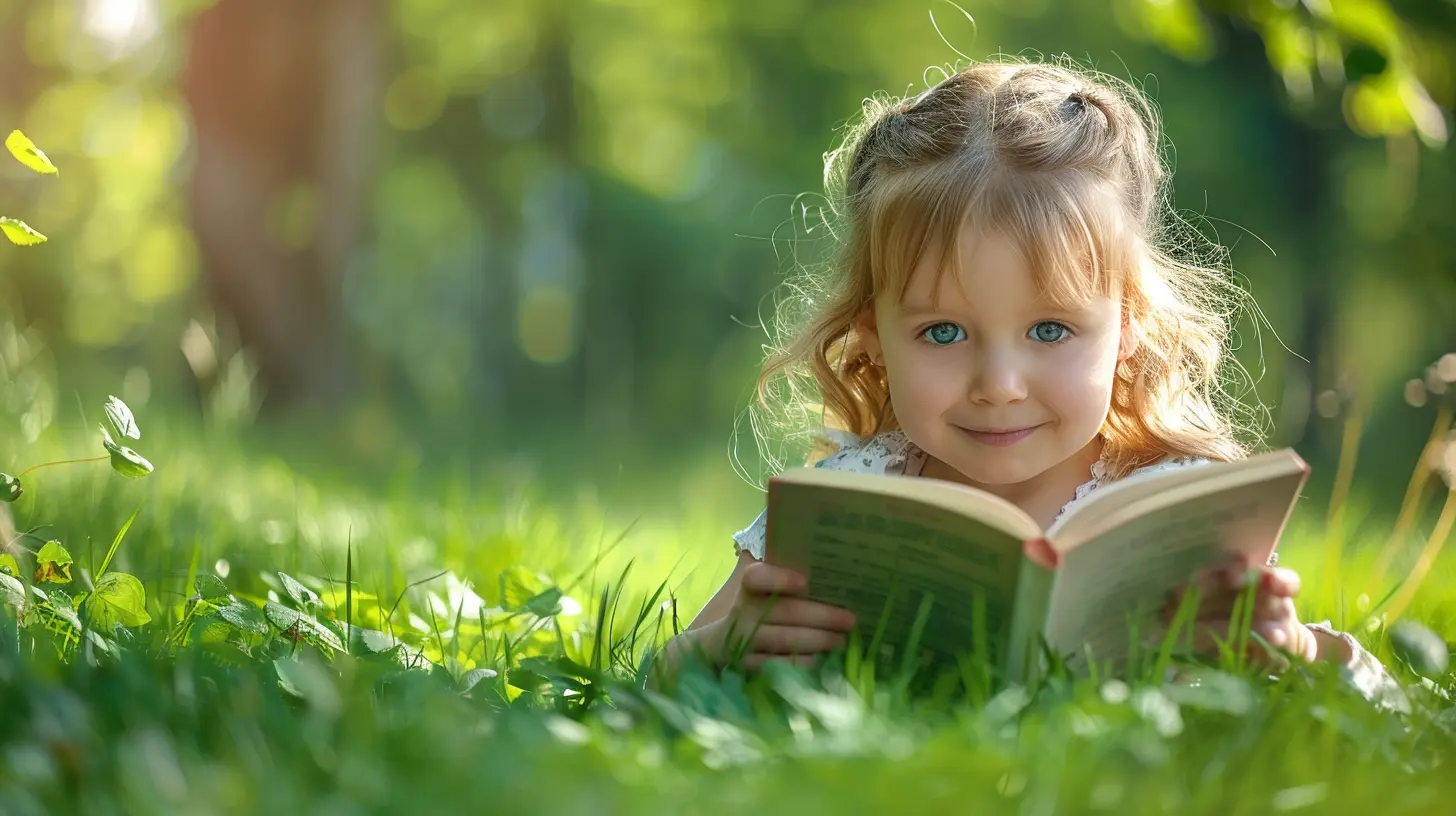
Why Outdoor Learning is Essential for Early Literacy
Children are naturally curious explorers. They want to touch, see, hear, and even smell their surroundings to make sense of the world. Outdoor learning provides a hands-on, multisensory experience that strengthens cognitive development and language skills.Think about it: When kids learn words in a real-life context—like "twig," "cloud," or "squirrel"—those words become more meaningful. They're experiencing them first-hand rather than just reading about them in a book.
Additionally, outdoor activities promote:
- Enhanced Vocabulary – Kids hear and use new words as they engage with nature.
- Improved Storytelling Skills – Outdoor adventures spark creativity, helping children imagine and narrate their experiences.
- Better Focus and Attention Span – Being in nature reduces stress and increases concentration, making it easier for kids to engage in literacy activities.
- A Love for Books and Stories – Reading about animals, trees, or weather patterns becomes more exciting when children can connect the words to real-life experiences.
Now, let’s look at some fun ways to encourage early literacy through outdoor activities!
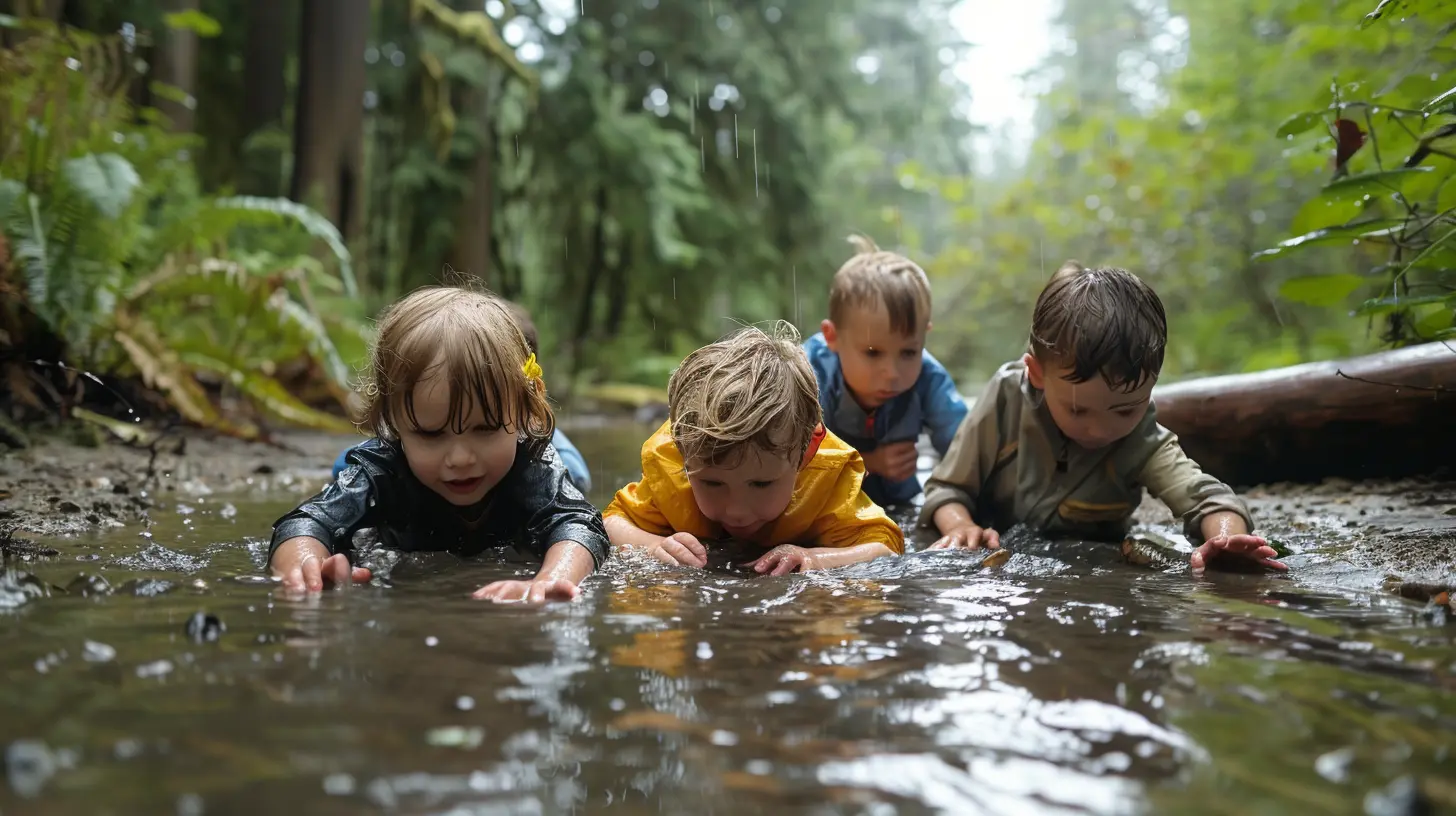
1. Storytelling Under the Sky
There’s something magical about telling stories under an open sky. Whether it’s under a shady tree, around a backyard fire pit, or during a nature walk, storytelling in an outdoor setting enhances a child’s imagination.How to Make It Fun:
- Campfire Stories – Even if you don’t have a real campfire, gather around in a cozy spot and take turns making up a story.- Nature-Inspired Tales – Let children create a story based on what they see around them. A fallen tree could become a fairy’s bridge, or a puddle might be a secret portal to another world!
- Story Stones – Collect small stones and paint different items or symbols on them (a sun, tree, owl, etc.). Have children pull out a stone and weave it into their story.
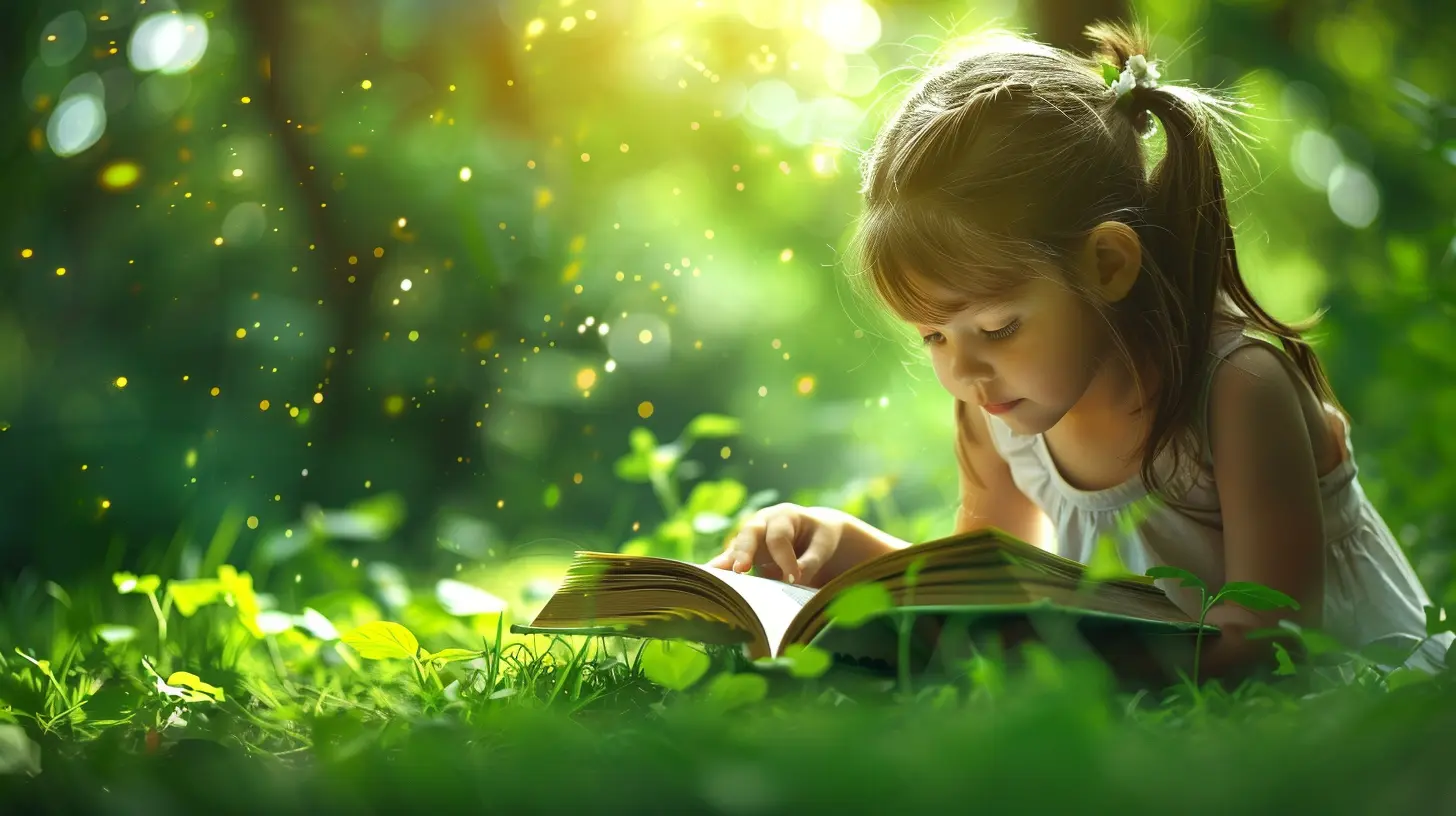
2. Outdoor “Reading Nooks”
Who says books have to be read inside? Set up a cozy outdoor reading space where kids can enjoy stories surrounded by nature.Ideas for Outdoor Reading Spots:
- Blanket Under a Tree – Grab a few books, spread out a blanket, and enjoy a nature-filled reading session.- Hammock Reading Time – A hammock swaying in the breeze makes for the perfect reading retreat.
- Garden Reading Corner – If you have a garden, create a little “book nook” with cushions and a small shelf of outdoor-friendly books.
Reading outside helps children associate books with relaxation and fun, making them more excited to read on their own.
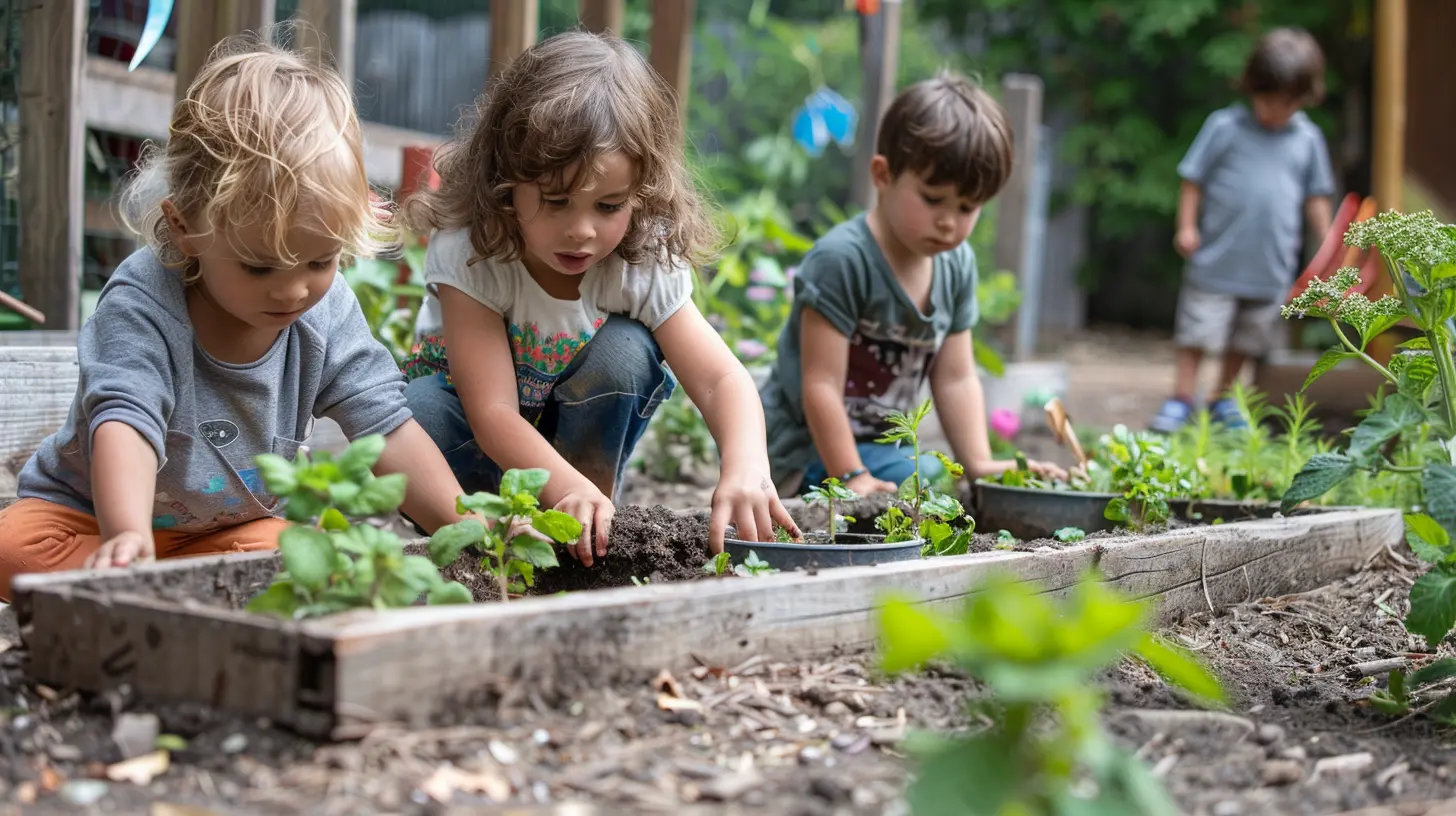
3. Nature Walks with a Literacy Twist
Walks in the park, forest, or even your backyard can become rich literacy experiences with a little creativity.Engaging Activities:
- Alphabet Walk – Challenge kids to find objects that start with each letter of the alphabet (“A for ant, B for bark, C for cloud…”).- Describe What You See – Encourage children to use adjectives to describe nature. Is the sky bright blue or pale gray? Is the tree smooth or rough?
- I-Spy with a Literacy Spin – Play "I-Spy," but incorporate letters and words: “I spy something that starts with ‘T’ (tree).”
These activities build observation skills and vocabulary while keeping kids engaged and active.
4. Journaling in Nature
Writing is just as important as reading when developing literacy skills, and nature provides amazing inspiration for young writers.Fun Ways to Use Nature Journals:
- Daily Nature Log – Have kids write or draw something interesting they observed each time they go outside.- Leaf and Flower Pressing – Collect leaves and flowers, press them into the journal, and write about them.
- Poetry in the Park – Encourage children to write simple poems about what they see, hear, and feel outdoors.
Journaling not only strengthens writing skills but also encourages mindfulness and attention to detail.
5. Scavenger Hunts with a Literacy Spin
Kids love scavenger hunts, and they can be a great way to introduce new words and boost reading skills.Ideas for Literacy-Based Outdoor Hunts:
- Word Hunt – Write down a list of nature-related words (rock, feather, butterfly) and have kids find objects that match.- Rhyming Hunt – Find objects that rhyme with simple words (tree and bee, sand and hand).
- Letter Hunt – Ask kids to find items that resemble the shapes of letters (twigs can form "X" or "L").
Adding a scavenger hunt to outdoor play makes learning feel like an adventure rather than a lesson.
6. Songs and Rhymes in Nature
Singing songs and reciting rhymes while outdoors can be a powerful way to strengthen language skills.Fun Activities:
- Silly Nature Songs – Make up songs about what kids see around them (e.g., “The Squirrel Climbed Up the Tall, Tall Tree”).- Echo Games – Say a fun rhyme and have kids repeat it back to you in a silly, loud, or quiet voice.
- Chanting Nature Facts – Turn simple facts into catchy chants (“Leaves need sun, water, and air to grow!”).
Rhymes and rhythms help children remember new words and build early phonemic awareness.
7. Hands-On Nature Crafts with a Literacy Focus
Crafting can be a great way to incorporate literacy without kids even realizing they’re learning.Creative Craft Ideas:
- Nature Name Collage – Collect leaves, twigs, and flowers to spell out a child’s name.- Mud or Sand Writing – Use a stick to write letters or words in mud, sand, or even snow!
- Storyboards with Nature Items – Arrange gathered items into a scene and encourage kids to write a story about it.
By using nature as a tool for literacy, children get to be creative while reinforcing essential reading and writing skills.
Final Thoughts
Encouraging early literacy through nature and outdoor activities isn’t just about teaching kids how to read and write. It’s about sparking curiosity, building confidence, and helping children form a deeper connection to the world around them.By incorporating simple activities like storytelling, nature walks, journaling, and scavenger hunts, you can turn everyday outdoor adventures into fun, meaningful learning experiences.
So, the next time you step outside with your little one, take a moment to see the world through their eyes. Encourage questions, share stories, and turn the beauty of nature into a magical gateway to early literacy.
all images in this post were generated using AI tools
Category:
Early LiteracyAuthor:

Charlotte Rogers
Discussion
rate this article
4 comments
Zephyrine Lane
In nature's embrace, where stories unfold, Young hearts ignite, and imaginations behold. Whispers of leaves, the rustle of grass, Teach children to read as the seasons pass. Let the wild world be their classroom vast.
August 7, 2026 at 12:53 PM
Jet Sawyer
Who knew nature was the ultimate library? Let’s swap story time indoors for tree-climbing tale time! Just remember: if you can’t read the book, at least enjoy the squirrels’ acorn adventures!
May 31, 2026 at 12:37 PM
Mila Mathews
This article brilliantly highlights the importance of combining nature with literacy. Engaging children outdoors not only fosters a love for reading but also enhances their cognitive and observational skills. A must-read!
May 20, 2026 at 10:42 AM
Charlotte Rogers
Thank you for your insightful comment! I’m glad you found the article highlights the vital connection between nature and literacy in fostering young minds.
Thalia McFee
This article offers valuable insights on blending outdoor experiences with literacy development. Engaging children in nature not only sparks curiosity but also enhances their reading and writing skills in a fun, interactive way.
May 19, 2026 at 3:13 AM
Charlotte Rogers
Thank you for your thoughtful comment! I’m glad you found the connection between outdoor experiences and literacy development valuable. Engaging with nature truly enriches children's learning in so many ways!