Encouraging Mindfulness During Recess and Breaks
19 June 2026
Introduction
Ever watched kids during recess? It’s often a whirlwind of noise, energy, and chaotic fun. While this free time is essential for unwinding, it can also leave kids overstimulated and frazzled rather than refreshed. That’s where mindfulness comes in.
Encouraging mindfulness during recess and breaks can help children recharge, refocus, and develop emotional resilience. But how do we integrate mindfulness into these short windows of free time without making it feel like another classroom lesson? Let’s dive into some practical strategies to bring mindfulness into daily breaks—without making it boring or forced. 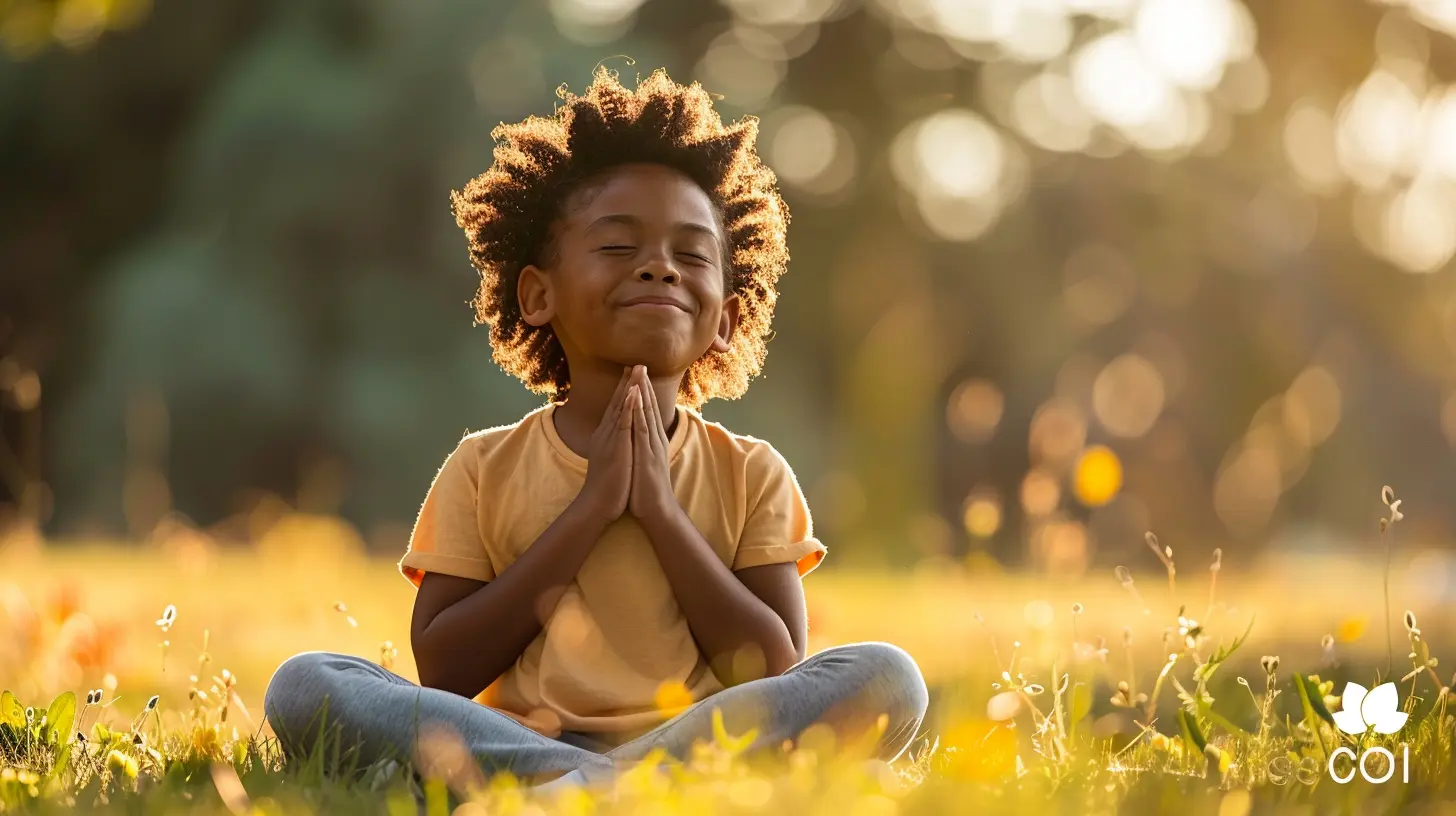
Why Mindfulness Matters During Breaks
Recess is meant to give kids a mental and physical reset between academic lessons. However, the traditional idea of recess—running wildly, shouting, and jumping from one activity to another—can sometimes be overstimulating rather than relaxing.Mindfulness offers a way to slow things down, helping children regulate their emotions, improve focus, and return to class more composed. The benefits go beyond just feeling calm; mindfulness has been linked to improved concentration, emotional intelligence, and better social interactions.
The Science Behind It
Research shows that mindfulness activates the prefrontal cortex, the part of the brain responsible for focus, decision-making, and emotional regulation. When children practice mindfulness, they’re essentially strengthening their brain’s ability to manage stress and improve learning outcomes.Imagine giving kids a mental "reset button" they can press anytime they're feeling overwhelmed. That’s what mindfulness can do! 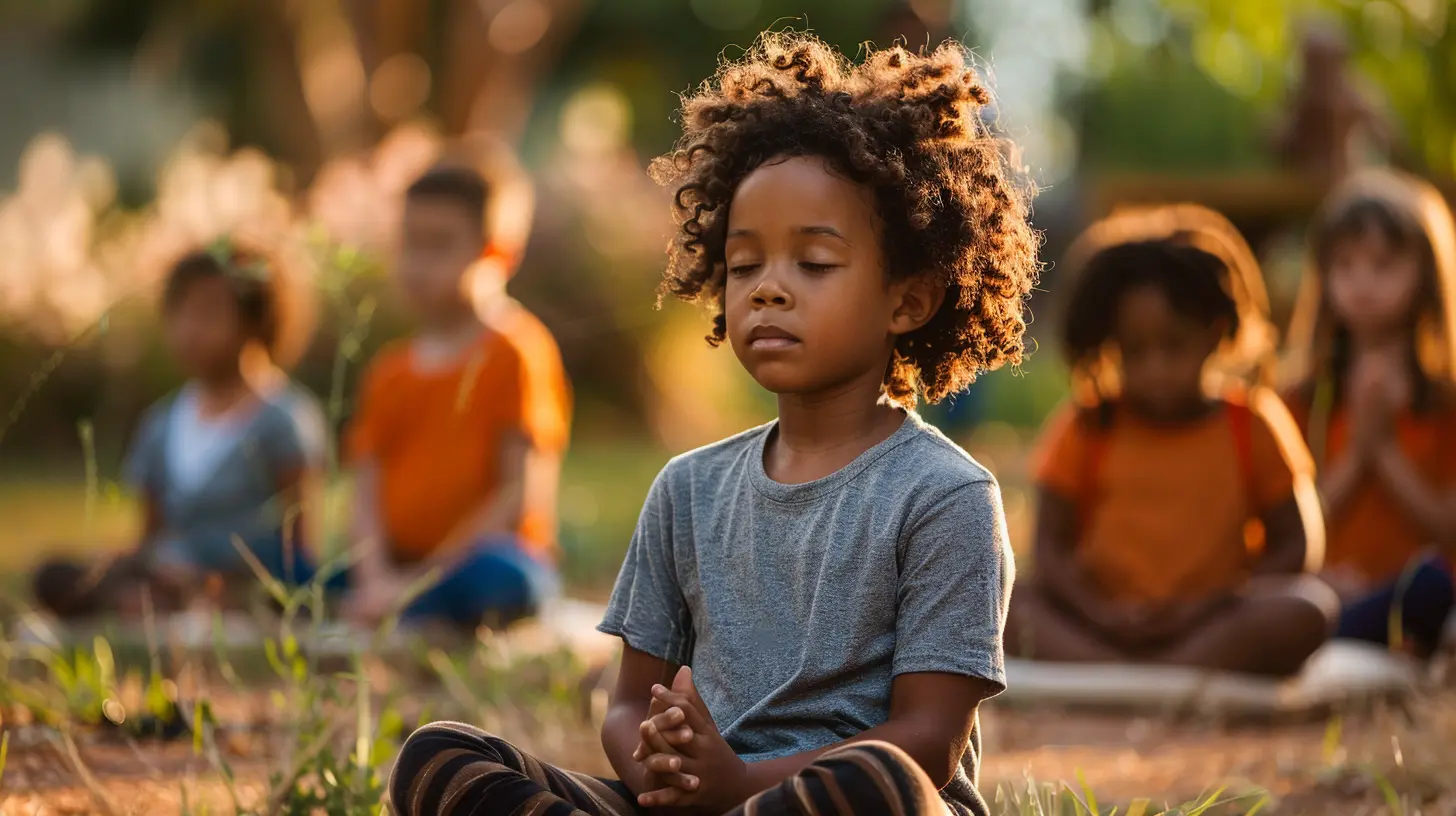
Simple Ways to Introduce Mindfulness During Recess
Now, you might be thinking, “How do I get a group of energetic kids to practice mindfulness without forcing it?” The key is to make it engaging and natural. Here are some simple yet effective ways to encourage mindfulness during breaks:1. Mindful Breathing Games
Instead of asking kids to sit still and focus on their breathing (which may not go over well during recess), turn it into a fun challenge:- Balloon Breath – Have kids imagine they’re inflating a balloon in their belly as they breathe in and releasing the air as they breathe out.
- Dragon Breathing – Pretend to be dragons, taking deep breaths in and blowing out “fire” (slow, controlled exhales).
- Five-Finger Breathing – Have kids trace their fingers with the opposite hand as they breathe in and out, focusing on the sensation.
These playful exercises sneak mindfulness into their break without making it feel like a chore.
2. Mindful Observations in Nature
If recess takes place outdoors, encourage children to engage with their surroundings mindfully:- “I Spy” with Senses: Instead of naming objects, have kids describe what they hear, smell, or feel around them.
- Cloud Watching: Lying on the grass and watching clouds float by is a simple and calming mindfulness exercise.
- Nature Scavenger Hunt: Ask kids to find something rough, smooth, colorful, or with a particular scent.
By tuning into their senses, kids naturally slow down and become more present in the moment.
3. Guided Mindful Walks
Walking mindfully can transform a simple stroll into a grounding experience. Encourage kids to walk in silence for a minute, focusing on the feel of their steps, the sounds around them, or the rhythm of their breathing.A fun twist? "Secret Agents Walk" – Have kids move as quietly as possible, noticing every little detail around them like secret spies!
4. Gratitude Circles
Before heading back to class, take a minute for a quick gratitude circle. Ask kids to share one thing they’re grateful for about recess or their friends. It could be as simple as, “I loved playing tag,” or “I’m happy the sun is shining.”Practicing gratitude helps shift focus from what’s missing to what’s present, fostering a more positive mindset.
5. Calm-Down Corners
Creating a small “calm-down corner” on the playground or in the classroom can give kids a space to recharge. Stock it with stress balls, picture books, or even a small sand timer so they can take a mindful minute when needed.For kids who find social interactions overwhelming, having a quiet space to regroup can be incredibly beneficial.
6. Mindful Coloring or Doodling
If outdoor play isn’t possible (bad weather, limited space), offer mindfulness-based activities like coloring or doodling. Providing mandala coloring pages or blank notebooks for free drawing can offer a creative way to relax.No need for strict guidelines—just let kids express themselves and enjoy the process without worrying about perfection. 
Overcoming Resistance to Mindfulness
Despite its benefits, some kids (and even teachers) may roll their eyes at the idea of mindfulness. That’s natural! The trick is to integrate mindfulness in a way that feels fun and natural, rather than a forced “lesson.”Here’s how to make it stick:
- Keep it short and playful: Kids won’t engage if mindfulness feels like another task. Keep it light and appealing.
- Model it yourself: When teachers and staff practice mindfulness, kids are more likely to follow suit.
- Let kids take the lead: If students come up with their own mindfulness games or activities, they’ll be more invested in participating. 
The Long-Term Impact
By encouraging mindfulness during recess, we’re giving children essential life skills beyond academic success. These small practices add up, helping kids manage stress, build emotional resilience, and improve their overall well-being.Mindfulness doesn’t have to be complicated or time-consuming—it just needs to be intentional. And the best part? Once kids get used to it, they might start incorporating mindfulness into their daily lives without even realizing it.
So, why not give it a try? A few deep breaths, a moment of gratitude, or a mindful walk could be the difference between a chaotic or a truly refreshing break.
Conclusion
Recess and breaks are more than just a time to burn off energy—they’re an opportunity to reset, recharge, and refocus. By weaving mindfulness into these moments, we can help kids develop emotional awareness, resilience, and improved concentration.The best part? It doesn’t take major changes—just small, mindful moments that fit seamlessly into their day. Whether it’s a quick breathing exercise, a mindful walk, or simply taking a moment to notice their surroundings, these tiny habits can make a massive difference.
Ready to introduce mindfulness during breaks? Start small, make it playful, and watch as kids begin to embrace a more mindful way of experiencing their world.
all images in this post were generated using AI tools
Category:
Mindfulness In EducationAuthor:

Charlotte Rogers
Discussion
rate this article
3 comments
Stacey Larsen
In the hush of playground dreams, let children pause, embrace the gleams. Mindfulness blooms in laughter's grace, a tranquil heart finds its place. Recess whispers the art of being— a joyful mind, ever freeing.
June 28, 2026 at 12:09 PM
Charlotte Rogers
Thank you for beautifully capturing the essence of mindfulness during recess! Your words truly highlight the importance of embracing joy and tranquility in our children's play.
Aris Ross
This article beautifully highlights the importance of mindfulness during recess and breaks. Encouraging kids to take a moment for themselves fosters emotional well-being and enhances their focus. Simple practices can transform these short pauses into powerful tools for relaxation and rejuvenation. Thank you for sharing such valuable insights!
June 23, 2026 at 4:12 AM
Charlotte Rogers
Thank you for your thoughtful comment! I'm glad you found the insights on mindfulness during recess valuable. Creating those moments for kids is essential for their well-being and focus.
Zevin Malone
Great insights! Incorporating mindfulness during recess can enhance students' focus and well-being. Practical tips could further enrich this valuable approach.
June 20, 2026 at 6:59 PM
Charlotte Rogers
Thank you! I'm glad you found the insights valuable. I'll definitely consider adding practical tips in future discussions.