Encouraging Problem-Solving Skills in Preschoolers
1 December 2025
From the moment they're born, children are natural problem solvers. You’ve probably seen it too — maybe your preschooler has tried to figure out how to fit a square block into a round hole or how to open a tricky container. Those little daily challenges are all part of their growing problem-solving skills. But did you know, as parents and educators, we can (and should) actively encourage and nurture these skills in our preschoolers?
In this article, we will dive into why problem-solving is such a crucial skill to develop in young children and explore fun, yet effective, ways to foster this ability. So, grab a cup of coffee, sit back, and let’s explore how you can set your little one up for success!
Why Problem-Solving Skills Matter in Preschoolers
Before we get into the "how," let’s talk about the "why." Why are problem-solving skills so important for preschoolers?Well, for starters, problem-solving is more than just solving puzzles or fixing broken toys. It’s about teaching children how to think critically, make decisions, and approach challenges. These abilities form the foundation of lifelong learning, creativity, and even emotional resilience. In fact, children who develop strong problem-solving skills from a young age tend to perform better academically and socially as they grow.
Think about it: Life is filled with obstacles, both big and small. Whether it’s learning how to tie their shoes, figuring out how to share toys with friends, or navigating the complexities of school work, children will face challenges at every turn. By developing problem-solving skills early on, you’re equipping them with the tools they need to thrive in an ever-changing world.
The Benefits of Early Problem-Solving Development
1. Boosts Confidence and Independence
When a preschooler successfully solves a problem, no matter how small, it gives them a sense of accomplishment. That feeling of "I did it!" is a powerful motivator. It boosts their confidence and encourages them to take on new challenges. Over time, this builds independence as they realize they are capable of figuring things out on their own.2. Enhances Cognitive Abilities
Problem-solving exercises the brain, plain and simple. Preschoolers are constantly learning how to think logically, analyze situations, and come up with solutions. This mental workout enhances cognitive abilities like memory, reasoning, and attention to detail—all of which are crucial for academic success down the road.3. Promotes Social Skills
Believe it or not, problem-solving isn’t just about math problems or puzzles. It’s also about navigating social situations. For example, when two children want to play with the same toy, they need to figure out a solution—whether it’s taking turns, sharing, or finding something else to play with. These social problem-solving situations teach kids about cooperation, empathy, and negotiation.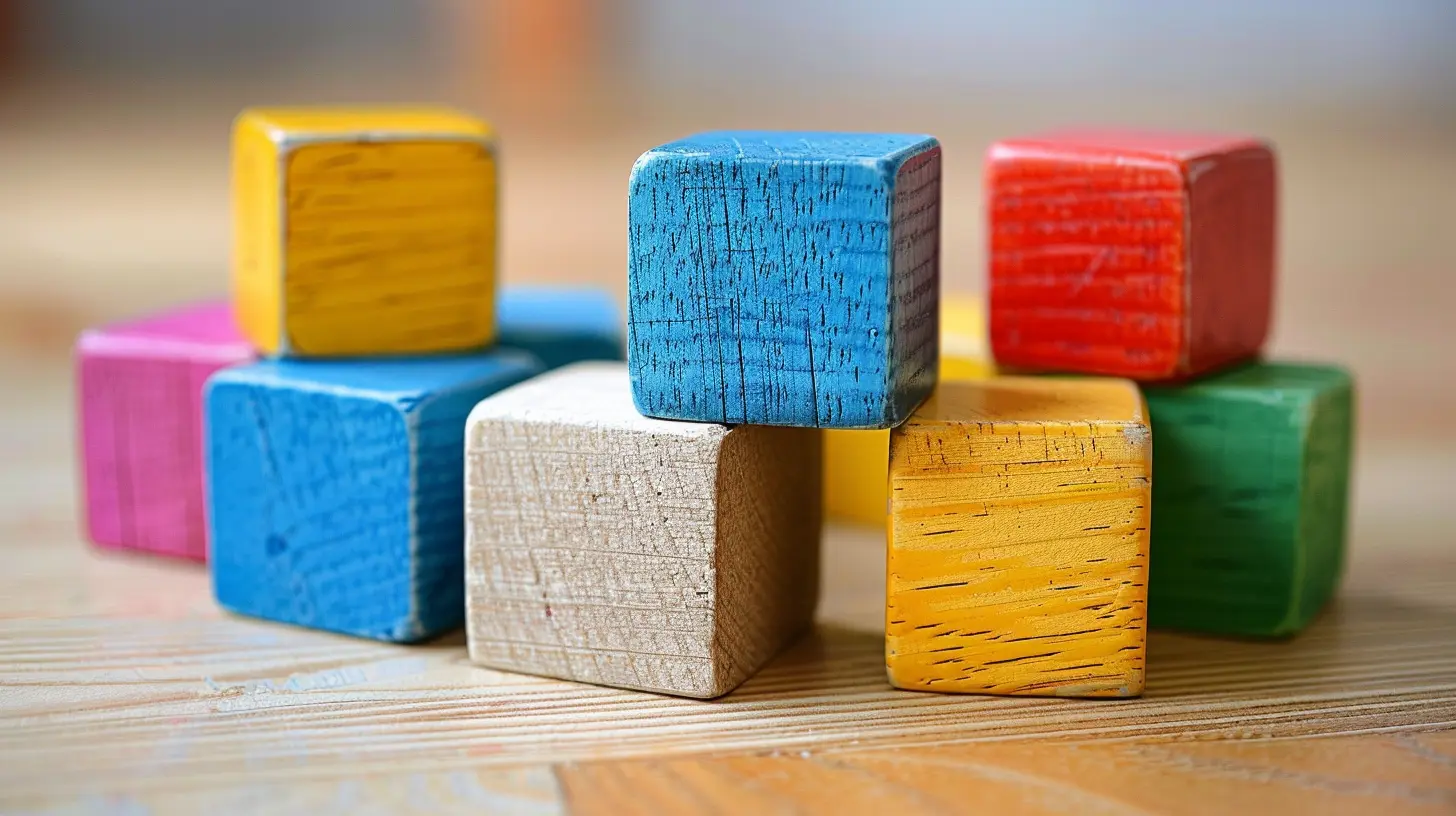
How to Encourage Problem-Solving Skills in Preschoolers
Now that we’ve established how essential these skills are, let’s explore some practical strategies to encourage problem-solving in your preschooler. Keep in mind that every child is different, so what works for one may not work for another. But don’t worry, there are plenty of ways to keep it fun and engaging!1. Create Problem-Solving Opportunities in Daily Life
Problem-solving doesn’t have to be a formal lesson. There are countless opportunities throughout the day where you can encourage your child to think critically. For example, if your child drops a toy under the couch, resist the urge to grab it for them right away. Instead, ask them how they think they can retrieve it. Can they use a stick? Move the couch? Let their imagination take over and see what creative solutions they come up with.Tip: Ask open-ended questions like, "What else could you try?" or "How do you think we can fix this?"
2. Encourage Trial and Error
Preschoolers are naturally curious, and curiosity leads to experimentation. Encourage them to explore different solutions to a problem, even if it means making mistakes. Trial and error is a key part of the learning process. When they try something and it doesn’t work, guide them through the process of thinking about what went wrong and what they could do differently next time.Example: If they’re building a block tower and it keeps falling, ask them why they think it’s happening. Is the base too small? Should they place the bigger blocks at the bottom?
3. Play Problem-Solving Games and Puzzles
Games and puzzles are fantastic tools for developing problem-solving skills. Simple board games like "Candyland" or "Chutes and Ladders" involve decision-making and strategic thinking. Jigsaw puzzles, shape-sorters, and matching games are also great for teaching kids about patterns and spatial awareness.Bonus: These activities are fun for the whole family, so you can bond while boosting your child’s brainpower!
4. Model Problem-Solving Behavior
Children learn a lot by watching the adults around them. When you encounter a problem—whether it’s figuring out how to fix a broken toy or deciding what to make for dinner—talk through your thought process aloud. This helps your child understand that problem-solving is a natural part of life, and it’s okay to take your time to find the right solution.Tip: Use phrases like, "Let’s think about this together," or "Hmm, I wonder what we should do next?"
5. Use Storytelling to Teach Problem-Solving
Children love stories, and they can be a powerful way to teach problem-solving. Read books where the characters face challenges and need to figure out solutions. After reading, talk to your child about the story. Ask them what they would have done in the character’s shoes. This not only builds problem-solving skills but also fosters empathy and emotional intelligence.Books to Try: "The Very Hungry Caterpillar" by Eric Carle or "Pete the Cat: I Love My White Shoes" by James Dean.
6. Encourage Group Play
Group play is another excellent opportunity for problem-solving. When preschoolers play together, they often encounter conflicts, such as who gets to play with a particular toy or how to build a fort. These scenarios provide real-world opportunities for kids to negotiate, collaborate, and come up with solutions as a team.Tip: Give them some space to work things out themselves before intervening. Of course, step in if things get heated, but give them a chance to try resolving the issue first.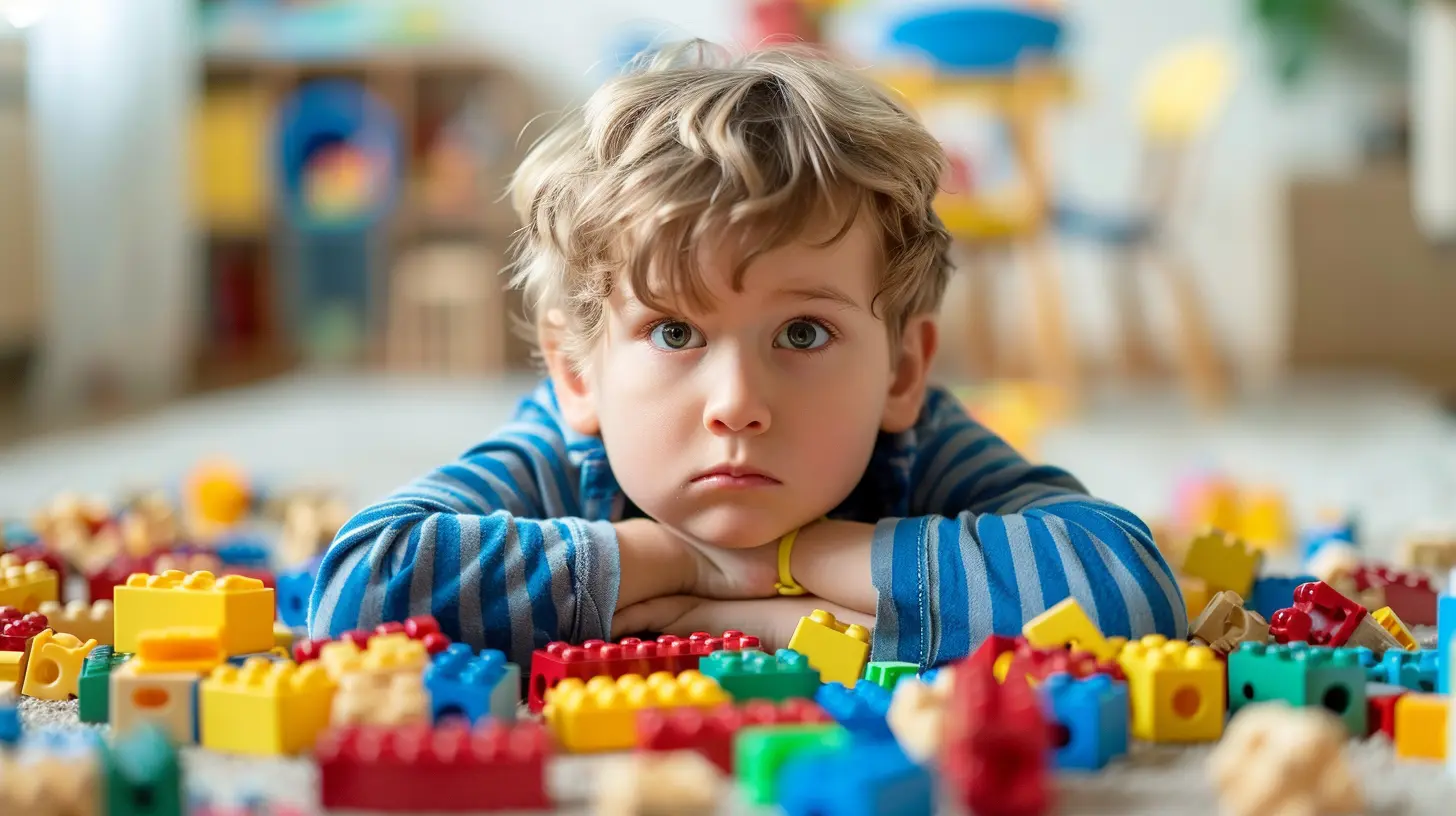
Overcoming Common Challenges in Teaching Problem-Solving
Let’s be real—teaching problem-solving can come with its own set of challenges. Maybe your preschooler gets frustrated easily, or perhaps they’re a little too eager for you to solve every problem for them. Don’t worry, this is normal! Let’s go over some common hurdles and how to overcome them.1. Dealing with Frustration
It’s not uncommon for preschoolers to get frustrated when things don’t go their way. If your child becomes upset after a failed attempt, remind them that it’s okay to make mistakes and that they can try again. Use encouraging language like, "You’re doing great! Let’s see what else we can try."If the frustration becomes overwhelming, take a break and come back to the problem later.
2. Avoiding the Urge to Solve Problems for Them
As much as we want to help when we see our children struggling, resist the temptation to jump in and solve every problem for them. Instead, offer guidance without giving them the answer. Think of yourself as their problem-solving coach rather than the solver. After all, if we solve all their problems for them, we rob them of the chance to develop their own skills.Final Thoughts
Encouraging problem-solving skills in preschoolers is one of the most valuable gifts you can give them. Not only does it set them up for future academic success, but it also teaches them resilience, creativity, and independence—all essential life skills. Start small, be patient, and most importantly, have fun with the process. After all, learning how to solve problems is a journey, not a destination.So, the next time your preschooler faces a challenge, instead of providing the solution right away, step back, ask questions, and watch them grow. You’ll be amazed at what they can achieve when given the opportunity to think for themselves.
all images in this post were generated using AI tools
Category:
Early Childhood EducationAuthor:

Charlotte Rogers
Discussion
rate this article
13 comments
Jamie Erickson
Why did the preschooler bring a ladder to class? Because they heard problem-solving skills were on a whole new level! Let’s climb those challenges together and make learning a tall tale of fun!
March 1, 2026 at 5:35 AM
Charlotte Rogers
What a clever and playful way to express the importance of problem-solving! Using imaginative scenarios like this can inspire preschoolers to embrace challenges and think creatively. Let's keep fostering that spirit of exploration!
Zevran Griffin
Teaching preschoolers problem-solving is like watching tiny detectives at work—magnifying glasses optional, but the curiosity factor is always off the charts! Let the adventures begin!
January 26, 2026 at 11:36 AM
Charlotte Rogers
Absolutely! Their natural curiosity makes every challenge an exciting adventure in learning. Let's nurture that detective spirit!
Xena Gonzalez
Fostering independence through problem-solving in preschoolers cultivates resilience and critical thinking early on.
December 19, 2025 at 12:29 PM
Charlotte Rogers
Thank you for your insightful comment! Fostering independence indeed lays a strong foundation for resilience and critical thinking in young learners.
Patrick McMillen
Why just color outside the lines when you can rewrite the whole story? Let preschoolers lead the charge in problem-solving—after all, tiny thinkers can spark big ideas!
December 14, 2025 at 4:16 AM
Charlotte Rogers
Absolutely! Empowering preschoolers to explore and innovate not only fosters their creativity but also builds essential problem-solving skills for the future. Let's celebrate their imaginative thinking!
Reece McGuffin
This article highlights the vital role of fostering problem-solving skills in preschoolers, emphasizing creativity and critical thinking. By integrating play-based learning and open-ended questions, educators can nurture resilience and adaptability in young learners. Such foundational skills will not only enhance cognitive development but also prepare children for future academic challenges.
December 13, 2025 at 7:26 PM
Charlotte Rogers
Thank you for your insightful comment! I completely agree that fostering creativity and critical thinking through play-based learning is essential for developing problem-solving skills in preschoolers.
Seraphine Hensley
What if the key to unlocking a child's potential lies not in answers, but in the questions we inspire them to ask? Dive into the mystery!
December 12, 2025 at 1:24 PM
Charlotte Rogers
Absolutely! Encouraging children to ask questions fosters curiosity and critical thinking, essential for developing problem-solving skills. Let's inspire their inquiries!
Gunnar Riggs
This article highlights the importance of fostering problem-solving skills in preschoolers, emphasizing hands-on activities and curiosity. It’s a crucial foundation for their future learning and development. Great insights!
December 12, 2025 at 5:06 AM
Charlotte Rogers
Thank you for your thoughtful comment! I'm glad you found the insights valuable for fostering essential skills in preschoolers.
Harlow Bell
Fostering curiosity today builds confidence tomorrow.
December 9, 2025 at 4:42 AM
Charlotte Rogers
Absolutely! Encouraging curiosity in preschoolers lays the foundation for confidence in tackling challenges as they grow.
Patience Middleton
Problem-solving skills in preschoolers? Please! Let them get messy, negotiate toy disputes, and tackle puzzles. Real-world skills aren’t learned in bubble wrap—let’s embrace the chaos!
December 7, 2025 at 12:27 PM
Charlotte Rogers
Absolutely! Embracing the chaos of play fosters critical problem-solving skills in preschoolers. Messy moments and negotiations are essential for their development!
Tempra Kirk
Great tips! It’s amazing how little ones can surprise us with their creativity. Encouraging problem-solving early sets the foundation for lifelong learning. Can’t wait to try these ideas!
December 5, 2025 at 9:01 PM
Charlotte Rogers
Thank you! I'm glad you found the tips helpful. Encouraging creativity and problem-solving in young children is truly rewarding! Enjoy trying them out!
Edith Harris
This article highlights effective strategies for fostering problem-solving skills in preschoolers, such as hands-on activities, open-ended questions, and collaborative play, essential for developing critical thinking and resilience in young learners.
December 5, 2025 at 1:48 PM
Charlotte Rogers
Thank you for your insightful comment! I'm glad you found the strategies helpful for nurturing critical thinking and resilience in preschoolers.
Cypher Newton
Empowering preschoolers to tackle problems fosters resilience and creativity! By nurturing their natural curiosity and encouraging exploration, we lay the foundation for lifelong critical thinking skills. Let’s inspire our little ones to embrace challenges with confidence and joy!
December 4, 2025 at 12:56 PM
Charlotte Rogers
Thank you for your insightful comment! I completely agree—nurturing curiosity and resilience in preschoolers is essential for developing their critical thinking skills. Let's continue to inspire their confidence and love for exploration!
Patrick Harmon
Love this! Cultivating problem-solving in kids sets them up for lifelong success. Simple activities can make a big difference!
December 3, 2025 at 8:45 PM
Charlotte Rogers
Thank you! I completely agree—simple activities can truly lay the foundation for lifelong problem-solving skills in children.
MORE POSTS

Mindful Listening: Building Better Communication Skills in the Classroom

Building Early Literacy Through Multisensory Learning

Using Music to Teach History and Culture

Leveraging Past Mistakes to Improve Future Study Sessions

How to Set Realistic Educational Goals as an Adult

How Mindful Eating Can Be Part of a School’s Wellness Program
Understanding the Stages of Early Childhood Social Development
How to Approach the Math Section of Standardized Tests
Incorporating World Music in the Classroom