From Analog to Digital: Transitioning Traditional Subjects with Coding
30 July 2026
As technology continues to evolve at a rapid pace, it’s no surprise that coding has become one of the most sought-after skills in the 21st century. But here's the thing: coding isn't just for tech geeks or Silicon Valley entrepreneurs anymore. It’s making its way into classrooms across the globe, and it's not limited to just computer science classes. Traditional subjects like math, science, art, and even history are undergoing a digital transformation thanks to coding.
But how exactly does this transition work? Why is it important? And how can educators smoothly navigate the shift from analog to digital in their teaching methods? Buckle up as we dive deep into how coding is being integrated into traditional subjects, making education more dynamic and engaging than ever before.
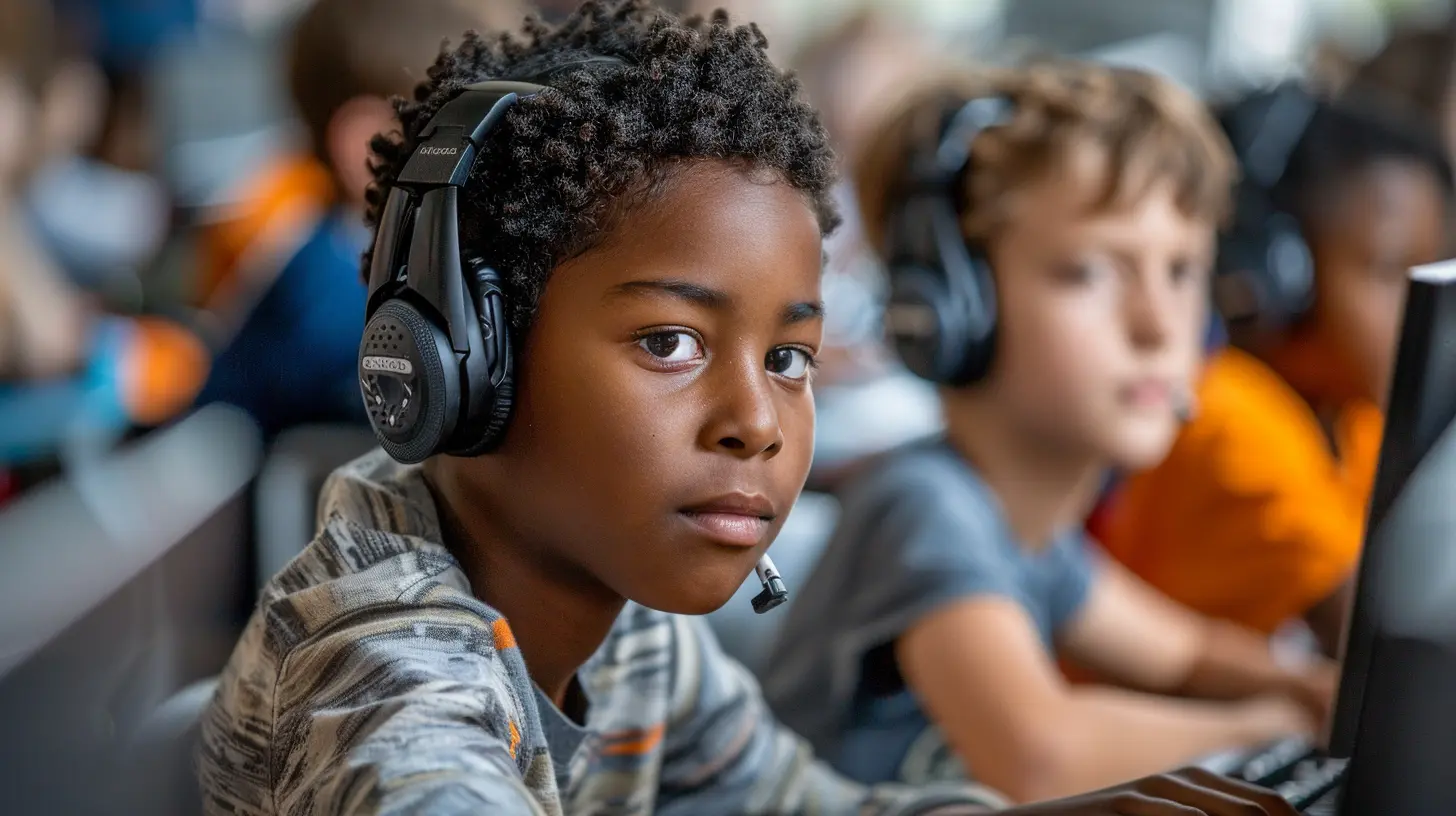
Why Transitioning Traditional Subjects with Coding Matters
Let’s face it. The world is becoming more digital by the second, and our education system needs to keep up. Gone are the days when coding was considered an obscure skill reserved for a select few. Today, coding is akin to literacy—an essential skill that can unlock countless doors for students, no matter their career aspirations.When we talk about transitioning traditional subjects with coding, we’re not just slapping some software on top of existing lessons. We’re fundamentally changing the way students engage with and understand the material. Coding is like learning a new language that opens up entirely new ways to solve problems, create projects, and think critically.
The "Why" Behind the Shift
Let’s put this into perspective. Imagine you're teaching algebra. How many students typically groan their way through quadratic equations? Now, what if they could create a program that visually demonstrates the solutions to these equations in real-time? Suddenly, algebra isn’t just abstract numbers on a page—it becomes something they can interact with, manipulate, and see. Coding takes the theory and makes it tangible.Plus, coding fosters a growth mindset. Students learn through trial and error, which teaches resilience, problem-solving, and creative thinking. These are skills that benefit every subject, not just computer science.

Transitioning Math with Coding: From Chalkboards to Code Editors
Math and coding are like peanut butter and jelly—they just go together. Both rely on logic, structure, and problem-solving. But while traditional math is often taught with pencil and paper (or the occasional interactive whiteboard), coding brings math concepts to life in ways that are both fun and functional.Coding in Geometry and Algebra
Coding isn’t just for solving problems—it can also be used to visualize solutions. Take geometry, for instance. Through coding, students can create shapes, manipulate angles, and explore the properties of polygons in real-time. Platforms like Python's Turtle module allow students to draw geometric figures with just a few lines of code, transforming abstract concepts into something they can see and interact with.In algebra, coding can simplify complex equations. For example, using a simple Python script, students can write programs that solve quadratic equations, demonstrate the distributive property, or graph linear equations. The result? Students don’t just memorize formulas—they understand what’s happening behind the scenes.
Interactive Learning Tools
There are plenty of educational tools that blend coding and math seamlessly. Tools like Scratch, Khan Academy, and Tynker allow students to create interactive math projects, like building calculators or designing math-based games. These tools offer a hands-on approach to learning that is far more engaging than traditional worksheets.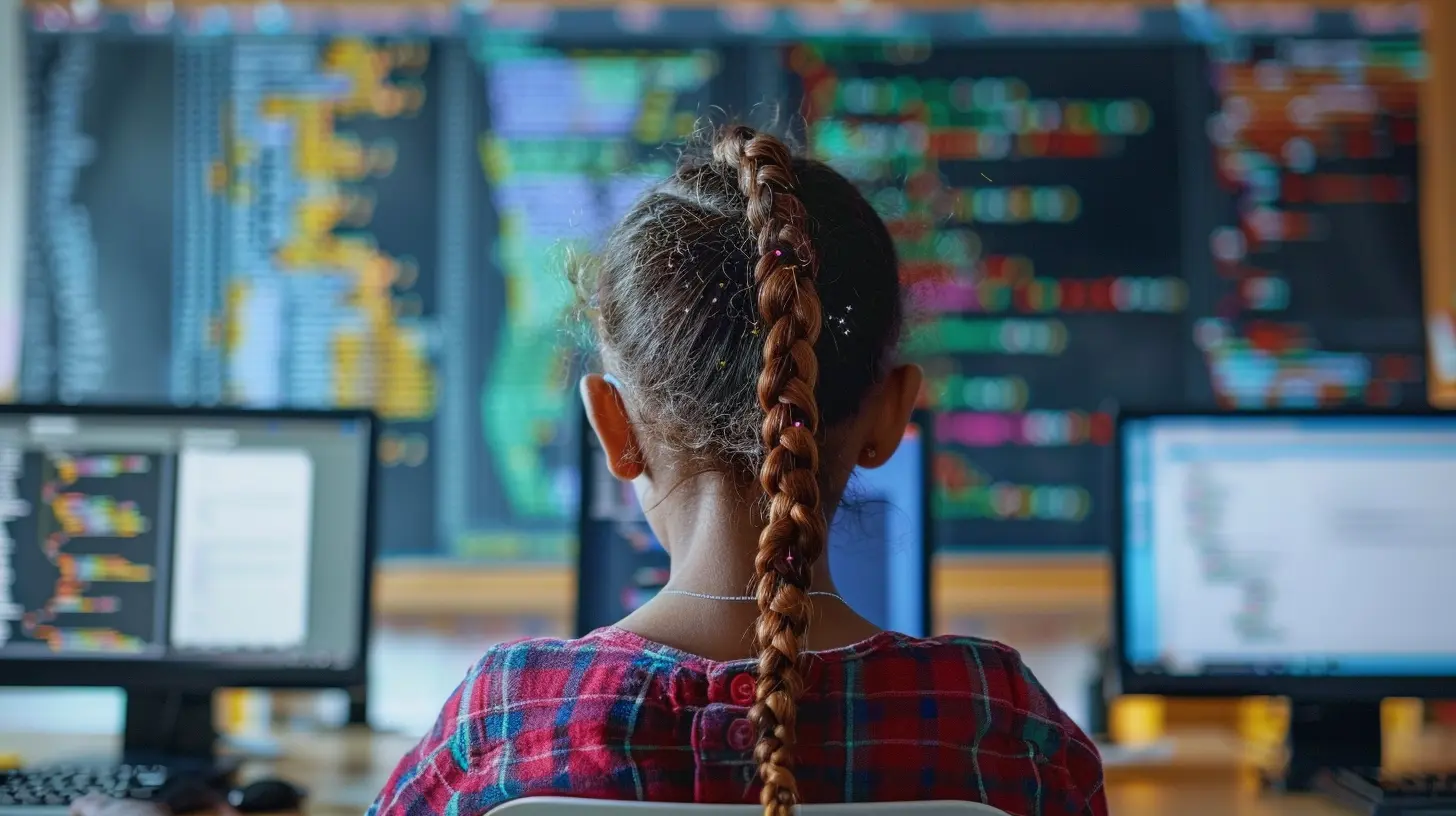
Science and Coding: Making the Invisible Visible
Science is all about experimentation, observation, and data analysis. Coding fits right into this framework by giving students the tools to simulate experiments, visualize data, and even model complex scientific phenomena.Coding in Physics and Chemistry
Let’s talk physics. Coding allows students to simulate everything from the motion of a pendulum to the trajectory of a projectile, helping them see how different variables interact. Want to understand Newton's laws of motion? Students can write a program that models how objects accelerate, react to forces, or collide. This makes physics more interactive and engaging, allowing students to play with the laws of nature in a digital sandbox.In chemistry, coding can be used to simulate chemical reactions or visualize molecular structures. Students can create programs that balance chemical equations, predict reaction outcomes, or even model the behavior of gases under different conditions. Instead of passively watching a teacher perform an experiment, students can control and manipulate the variables themselves through code.
Data Science: The New Lab Report
Coding also allows students to analyze scientific data in ways that were previously unimaginable. In traditional science classes, students might collect data from an experiment and plot it on a graph by hand. With coding, they can write programs that analyze large datasets, identify trends, and even make predictions. This introduces students to the world of data science, a field that is becoming increasingly important in everything from biology to environmental science.
History and Coding: Turning the Past into an Interactive Experience
You might be thinking, “Okay, math and science make sense, but how on earth do you integrate coding into history?” It’s a fair question. History is often seen as a subject rooted in reading, writing, and memorization. However, coding can breathe new life into historical studies by creating interactive experiences that make the past feel closer and more relevant.Interactive Timelines and Maps
Instead of asking students to memorize dates and locations, why not let them create interactive timelines or maps using coding? Platforms like JavaScript and HTML/CSS allow students to design interactive historical maps where they can plot key events, add multimedia elements like images and videos, and even simulate historical battles or migrations. This turns what can often be a dry subject into an immersive experience.Virtual Museums and Archives
With coding, students can also create virtual museums or digital archives, where they can curate historical artifacts, documents, and images. This transforms a simple research project into a hands-on coding experience, where students become both historians and web developers. By building their museums, students gain a deeper understanding of the material while also learning valuable coding skills.Art and Coding: Where Creativity Meets Logic
Art and coding might seem like two completely different worlds—one rooted in creativity and expression, the other in logic and structure. But in reality, coding can be an incredibly powerful tool for artistic expression, blending the best of both worlds.Generative Art
Generative art is a form of digital art where artists use algorithms and code to create unique, often unpredictable, visual patterns. Programs like Processing or p5.js allow students to write code that generates everything from abstract patterns to complex designs. The beauty of generative art is that it introduces students to coding in a fun, creative way—without the pressures of getting the "right" answer.Animation and Interactive Art
Coding can also be used to create animations and interactive art installations. Platforms like Scratch or Blender allow students to code animations, design 3D models, or create interactive digital art that responds to user input. Whether they are coding a simple video game or designing a virtual sculpture, students are learning to merge creativity with technical skills—a combination that is becoming increasingly valuable in the digital age.
Overcoming Challenges in the Transition
Of course, transitioning traditional subjects with coding isn’t without its challenges. Not all teachers are familiar with coding, and not all schools have the resources to implement these changes. But with the right support, tools, and mindset, these challenges can be overcome.Teacher Training and Support
Teacher training is a crucial piece of the puzzle. Many educators may feel intimidated by the idea of incorporating coding into their lessons if they’ve never coded before. However, there are many resources available that can help teachers get up to speed quickly. Platforms like Code.org, Google's CS First, and Scratch offer free tutorials and lesson plans designed specifically for educators with little to no coding experience.Access to Resources
Another challenge is access to resources. While coding may seem like it's tied to expensive software or high-tech gadgets, there are plenty of free or low-cost tools available. Many coding platforms, like Scratch or Tynker, are free and accessible on most devices, including tablets and Chromebooks. Schools don’t need to invest in expensive computer labs to start integrating coding into traditional subjects.The Future of Education: Coding as a Core Skill
As we look to the future, it’s clear that coding will continue to play a pivotal role in education. It’s not just a skill for computer science majors—it’s a fundamental tool that can enhance learning in nearly every subject. By transitioning traditional subjects with coding, we’re not only preparing students for the jobs of tomorrow, but we’re also making learning more engaging, interactive, and fun.So, whether you're a teacher, student, or parent, it’s time to start thinking about how coding can fit into the educational picture. The transition from analog to digital isn’t just about adding technology for technology’s sake—it’s about transforming the way we think, learn, and create in the modern world.
all images in this post were generated using AI tools
Category:
Coding In SchoolsAuthor:

Charlotte Rogers