Gamification in Education: Turning Learning Into Play
2 December 2025
Education has long been associated with textbooks, lectures, and exams. But let’s be honest—traditional learning methods can sometimes be dull, especially for students who thrive on interaction and engagement. This is where gamification in education steps in, transforming the learning experience into something more dynamic, exciting, and, most importantly, effective.
So, what happens when we mix education with game mechanics? Let’s dive into the world of gamification and see how it’s revolutionizing the way we learn. 
What Is Gamification in Education?
Gamification in education is the integration of game elements—such as points, rewards, leaderboards, challenges, and levels—into learning environments. It’s not about turning lessons into video games but rather applying game-like mechanics to boost motivation, engagement, and knowledge retention.Think about it: Why do people spend hours playing video games? Because they’re fun, challenging, and rewarding. When you apply these principles to education, students become active participants rather than passive listeners. 
The Psychology Behind Gamification
Gamification works because it taps into fundamental human psychology. Here’s why it’s so effective:- Motivation Through Rewards – People love rewards, whether it’s a digital badge, a high score, or simply moving up in levels. These incentives trigger dopamine release, making learning more enjoyable.
- Instant Feedback – Unlike traditional education methods, where feedback is delayed, gamification provides instant results. Students know immediately whether they’re on the right track.
- Sense of Achievement – Completing a challenge or earning a new badge gives students a sense of accomplishment, reinforcing positive behavior.
- Healthy Competition – Leaderboards foster friendly competition, pushing students to improve and perform better.
By making learning interactive and rewarding, gamification keeps students engaged and eager to continue. 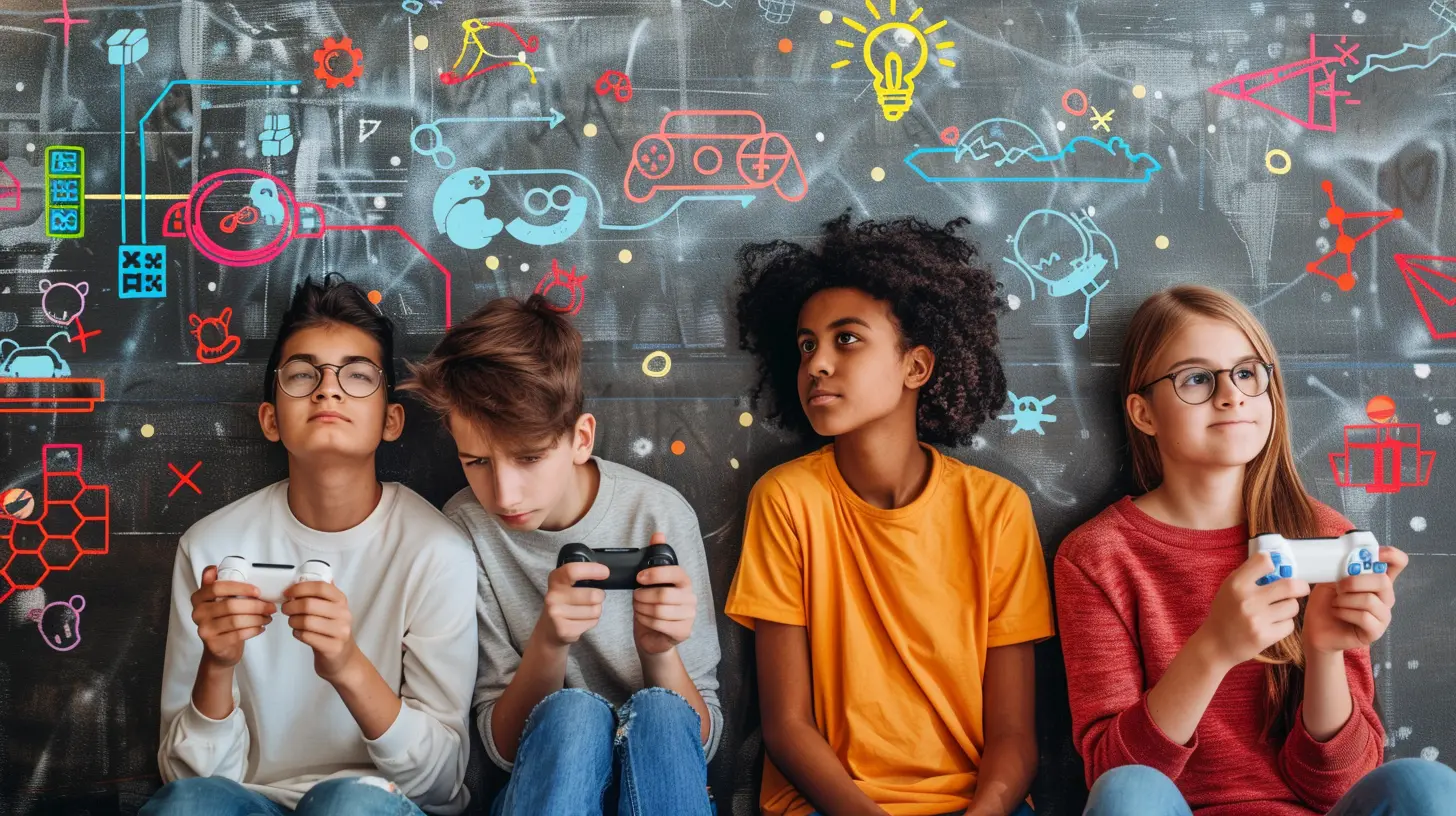
Benefits of Gamification in Education
1. Increases Engagement and Participation
Traditional learning methods often struggle to hold students’ attention. Gamification introduces elements like challenges and rewards, making lessons more interactive and stimulating. Instead of just reading and memorizing, students actively participate in their learning journey.2. Enhances Retention and Understanding
Students remember information better when they’re involved in the learning process. Gamified learning experiences promote active problem-solving and critical thinking, leading to better knowledge retention.3. Encourages Healthy Competition
Leaderboards and point systems create motivation without excessive pressure. Friendly competition encourages students to push themselves harder while still enjoying the process.4. Develops Critical Thinking and Problem-Solving Skills
Gamification often involves challenges that require strategic thinking and decision-making. Whether it's solving a puzzle, completing a mission, or making choices that affect outcomes, students develop crucial problem-solving skills.5. Provides a Safe Space for Failure
Traditional education often penalizes mistakes, making students afraid to take risks. Gamification, on the other hand, allows students to learn through trial and error. If they fail a level, they can always try again—just like in a video game.6. Caters to Different Learning Styles
Not all students learn the same way. Some are visual learners, while others learn better through interaction. Gamification incorporates multiple learning styles, making it more inclusive.7. Boosts Motivation and Enjoyment
Let’s face it—learning can sometimes feel like a chore. Gamification turns the process into something enjoyable, ensuring that students stay motivated to reach their goals.
Practical Examples of Gamification in Education
Gamification isn't just a theory—it’s already making waves in real classrooms. Here are some practical ways it's being implemented:1. Point-Based Learning and Rewards
Students earn points for completing assignments, participating in discussions, or reaching milestones. Points can be exchanged for rewards, such as privileges or small prizes.2. Badges and Achievements
Just like in video games, students unlock badges for accomplishments. These can be awarded for mastering a topic, improving performance, or demonstrating leadership.3. Leaderboards and Rankings
A little competition goes a long way. Leaderboards encourage students to put in extra effort to secure a higher rank among their peers.4. Educational Apps and Games
Apps like Kahoot!, Duolingo, and Classcraft incorporate gamification to make learning more engaging. Quizzes, levels, and interactive challenges keep students coming back for more.5. Story-Based Learning
Some educators turn lessons into interactive stories where students make decisions that shape the outcome. This makes learning more immersive and engaging.6. Escape Rooms and Challenges
Teachers create problem-solving challenges where students must "escape the room" by answering questions and solving puzzles.7. Virtual and Augmented Reality Games
Technological advancements allow students to experience lessons in virtual worlds. Imagine learning about ancient Egypt by walking through a virtual pyramid—sounds way more exciting than reading about it in a textbook, right?Challenges of Gamification in Education
While gamification has incredible benefits, it’s not without challenges.1. Overemphasis on Rewards
If students rely solely on rewards for motivation, they might struggle with intrinsic motivation. Educators must strike a balance between extrinsic and intrinsic motivation.2. Not All Games Are Equal
Poorly designed gamification can feel forced and unengaging. It’s crucial to implement game mechanics that actually enhance learning rather than distract from it.3. Time and Resource Intensive
Effective gamification requires planning, resources, and sometimes digital tools, which may not always be available in every school.4. Risk of Increased Competition Anxiety
While competition can motivate, it can also stress out some students. Teachers must ensure that all students feel included and valued, not just the top-ranking individuals.The Future of Gamification in Education
Gamification is here to stay, and with advancements in technology, it’s only going to get better. AI-driven adaptive learning, virtual reality classrooms, and immersive simulations will continue reshaping how knowledge is delivered.But at its core, gamification isn't just about technology—it’s about engagement. When done right, it transforms education from something students have to do into something they want to do.
Whether you're an educator looking for fresh ideas, a parent wanting to keep your child's learning journey exciting, or a student searching for a more engaging approach, gamification is revolutionizing education one level at a time.
Conclusion
Gamification in education is more than just a trend; it's a powerful tool to increase engagement, motivation, and retention. By incorporating game-like elements, students become active learners, making education a far more rewarding and enjoyable experience.While challenges exist, the benefits of gamification far outweigh the downsides. As technology continues to evolve, the way we educate will evolve with it—making learning not just effective but fun.
all images in this post were generated using AI tools
Category:
Teaching StrategiesAuthor:

Charlotte Rogers
Discussion
rate this article
13 comments
Ardent McLoughlin
Great insights on gamification in education! Turning learning into play not only enhances engagement but also fosters a deeper understanding of concepts. By integrating game elements, we can motivate students and create a dynamic learning environment. Excited to see how this evolves in classrooms! Keep inspiring!
February 27, 2026 at 8:15 PM
Charlotte Rogers
Thank you for your thoughtful comment! I'm glad you found the insights valuable. Exciting times ahead for gamification in education!
Aubrey McLanahan
Gamification transforms education, igniting passion for learning and empowering students to embrace their potential!
January 28, 2026 at 8:45 PM
Charlotte Rogers
Thank you! I completely agree—gamification not only makes learning enjoyable but also inspires students to unlock their full potential.
Jenna Wood
Great insights! Gamification truly transforms learning into an engaging and enjoyable experience.
December 24, 2025 at 8:38 PM
Charlotte Rogers
Thank you! I'm glad you found the insights valuable. Gamification indeed makes learning more engaging and fun!
Dean Kline
What a fantastic read! Gamification truly transforms education into an engaging adventure. By making learning fun, students become more motivated and enthusiastic. This innovative approach not only enhances understanding but also fosters a love for learning. Excited to see how this will shape the future of education!
December 23, 2025 at 6:06 AM
Charlotte Rogers
Thank you! I'm glad you enjoyed the article. Gamification really does revolutionize education by making learning more engaging and enjoyable!
Spencer Rocha
Gamification effectively enhances student engagement and motivation by transforming educational tasks into interactive experiences, fostering deeper learning and participation.
December 22, 2025 at 8:23 PM
Charlotte Rogers
Thank you for your insightful comment! Gamification truly empowers students by making learning more interactive and engaging.
Isabelle Adkins
This article effectively highlights the benefits of gamification in education, showcasing how integrating game elements can enhance engagement and motivation. However, it's crucial to remember that not all students respond to gamification equally; a balanced approach that considers diverse learning styles is essential for success.
December 21, 2025 at 9:14 PM
Charlotte Rogers
Thank you for your insightful comment! I completely agree that while gamification can boost engagement, it's important to tailor approaches to accommodate diverse learning styles for maximum effectiveness.
Nixie McLaughlin
Gamification transforms education by enhancing engagement, motivation, and retention through playful, interactive learning experiences.
December 16, 2025 at 6:02 AM
Charlotte Rogers
Thank you for your insightful comment! I completely agree—gamification truly does revolutionize education by making learning more engaging and enjoyable.
Idris McVicar
Who knew learning could be as fun as a game night with friends? Gamification in education transforms boring lessons into exciting adventures, making knowledge feel like a treasure hunt! Let’s level up our classrooms and sprinkle some fun on those textbooks!
December 15, 2025 at 9:13 PM
Charlotte Rogers
Absolutely! Gamification injects excitement into learning, making it both engaging and memorable. Let's keep transforming education into an adventure!
Laila Love
Who says learning can’t be a blast? 🎉 With gamification, textbooks transform into treasure maps, and lessons become epic quests! It’s like leveling up in life—minus the boss battles (unless you count math homework!). Let’s turn those frowns into fun and make education a game we all win! 🎮📚
December 11, 2025 at 9:45 PM
Charlotte Rogers
Absolutely! Gamification makes education engaging and fun, turning traditional learning into an exciting adventure. Let's embrace this transformative approach! 🎉📚
Zareth McGrady
Gamification can truly transform education by making learning enjoyable and engaging. It nurtures curiosity and motivation, fostering a positive and memorable experience for all students.
December 10, 2025 at 10:09 PM
Charlotte Rogers
Thank you! I'm glad you see the potential of gamification in education. It really does have the power to ignite curiosity and enhance the learning experience for students.
Rosalind McMillan
Who knew learning could be this much fun? Game on!
December 10, 2025 at 3:30 AM
Charlotte Rogers
I'm glad to hear you're enjoying it! Gamification really does make learning engaging and enjoyable. Game on!
Whitney Meyers
This article beautifully highlights how gamification can transform education. I'm excited to see how incorporating play can enhance engagement and deepen learning experiences for students!
December 2, 2025 at 8:51 PM
Charlotte Rogers
Thank you! I'm glad you enjoyed the article and share our excitement about the potential of gamification to enrich learning experiences!
Lyra Stewart
Gamification effectively enhances student engagement and motivation by integrating game elements into learning, fostering a more interactive and enjoyable educational experience.
December 2, 2025 at 5:07 AM
Charlotte Rogers
Thank you! I'm glad you recognize how gamification transforms learning into a dynamic and engaging experience for students.
MORE POSTS

Mindfulness for Teachers: Preventing Burnout in the Profession

How to Identify and Support Learning Differences in Early Childhood

The Rise of Micro-Credentials in Adult Education

The Long-Term Benefits of Mindfulness in Education
How to Design Effective Lesson Plans for Formative Assessment

Data-Driven Decision Making in Classroom Assessment

How to Design Fair and Inclusive Assessments

Cultivating Mindful Classrooms: Techniques for Teachers

Team Building Exercises That Strengthen Classroom Community