How Montessori Encourages the Development of Fine and Gross Motor Skills
19 December 2025
When we talk about early childhood education, we often throw around terms like "motor skills" without really unpacking what they mean—or why they matter. But if you've ever watched a toddler fumble with buttons or a kindergartner climb a jungle gym, you're seeing motor skill development in action. Now, when you add Montessori education into the mix, things truly start to get interesting. Why? Because Montessori isn’t just teaching kids their ABCs or 123s—it’s shaping how they move through the world, quite literally.
In this article, we’re going to dig deep into how the Montessori method encourages both fine motor skills (think small, precise movements like picking up a pencil) and gross motor skills (bigger body movements like jumping or balancing). And don't worry—we'll keep the jargon to a minimum and the value to a maximum.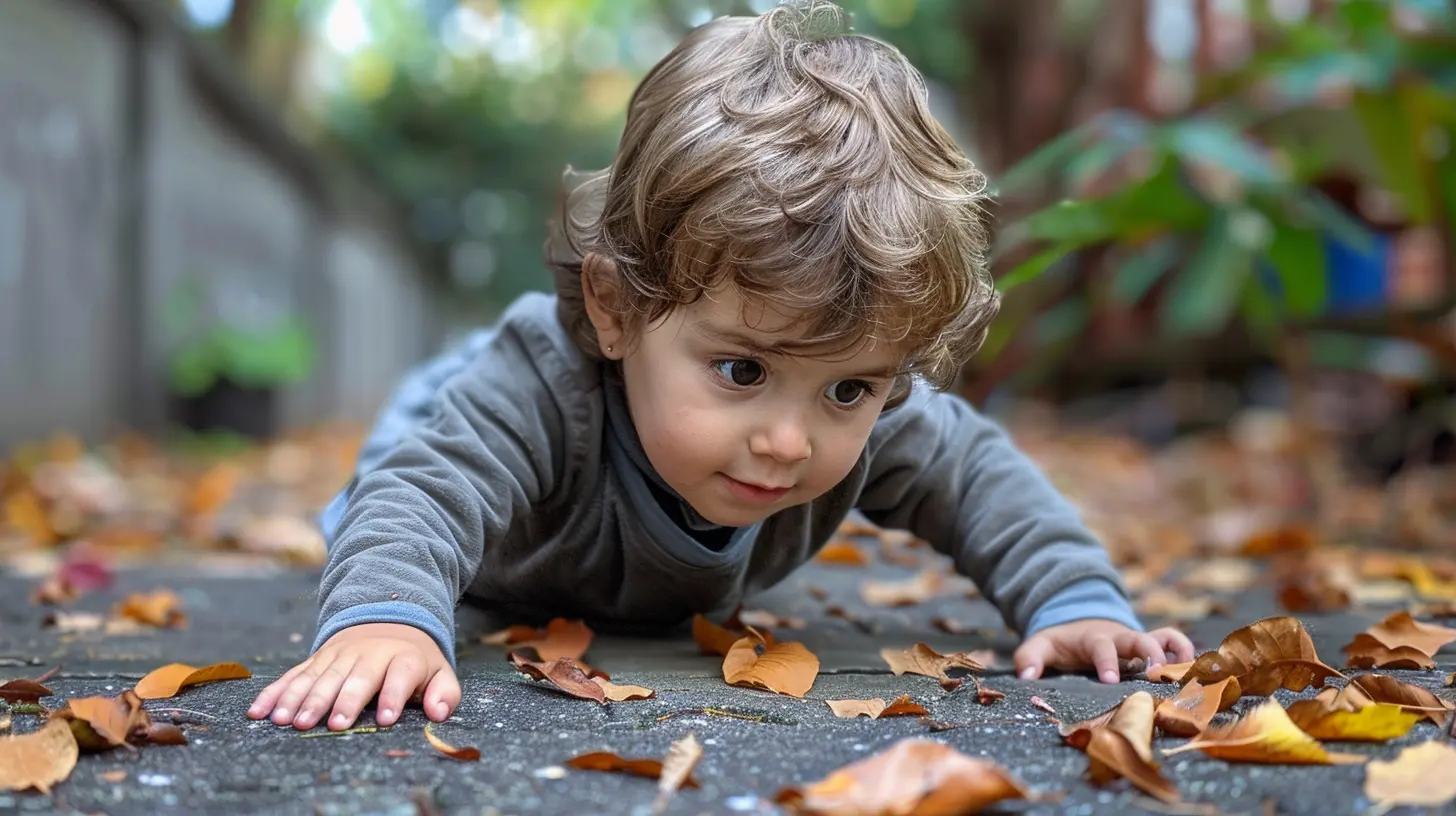
What Are Fine and Gross Motor Skills, Anyway?
Before we can appreciate how Montessori nurtures these abilities, let’s break down the terms.Fine motor skills involve the small muscles in our hands and fingers. These are the skills kids use to zip up their jacket, cut with scissors, tie shoelaces, or draw a picture. They're crucial for independence and future academic tasks.
Gross motor skills, on the other hand, involve larger muscle groups—arms, legs, and torso. Think walking, running, throwing, catching, crawling, and hopping. These skills build strength, coordination, and balance.
Both types are essential for everyday life. And Montessori? It's like a secret sauce for developing them in an organic, child-led way.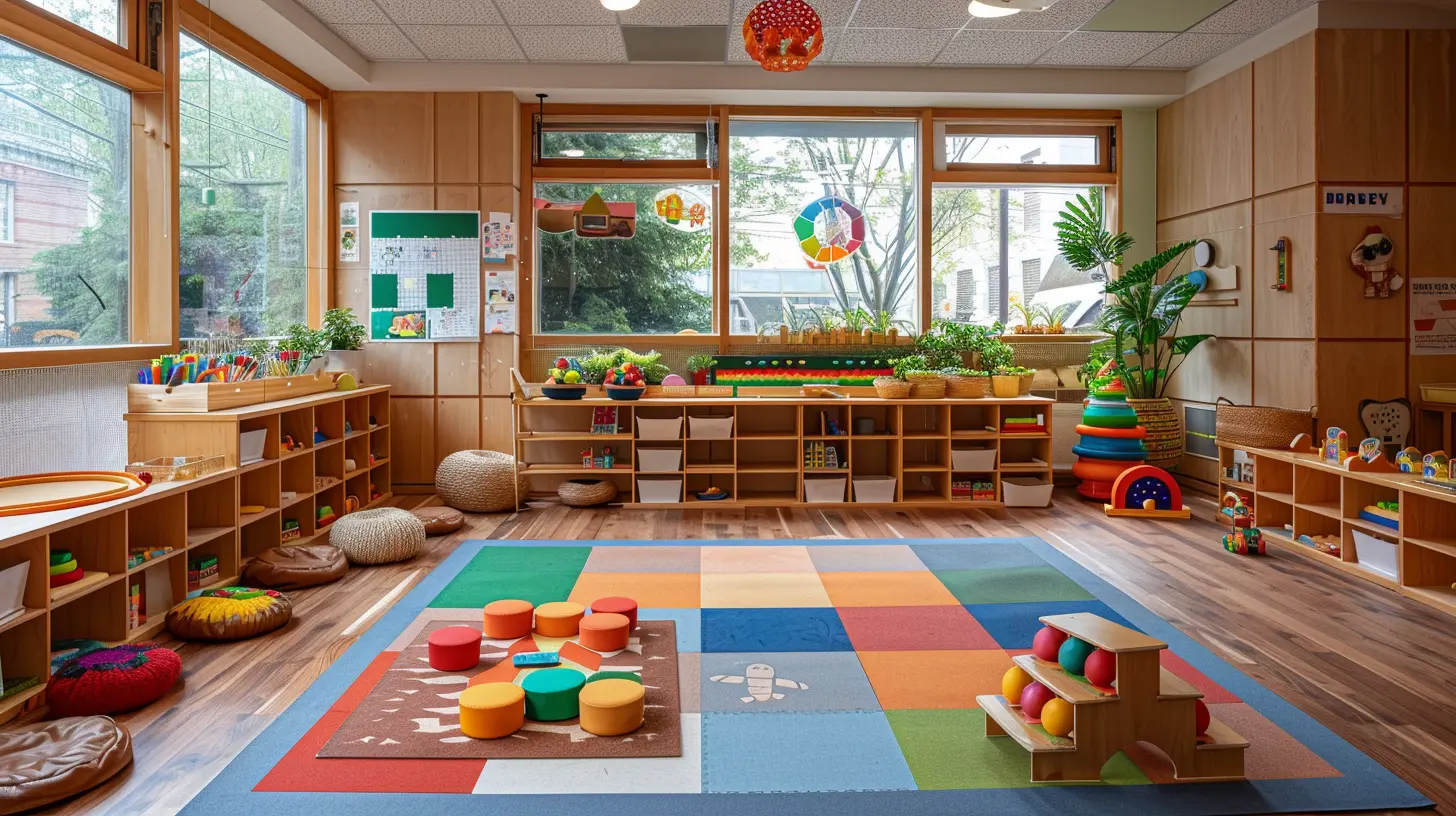
Montessori Philosophy: Movement is Learning
One of the foundational principles of the Montessori approach is that movement and cognition are connected. Dr. Maria Montessori, the founder of this educational philosophy, observed that children learn best when they are free to move within a carefully prepared environment.So instead of forcing a child to sit still all day listening to lectures or watching a screen, Montessori encourages kids to move, explore, touch, and engage. The idea is simple: when the hands are busy, the brain is buzzing.
This kind of learning environment naturally builds both fine and gross motor skills without even feeling like “work” to the child.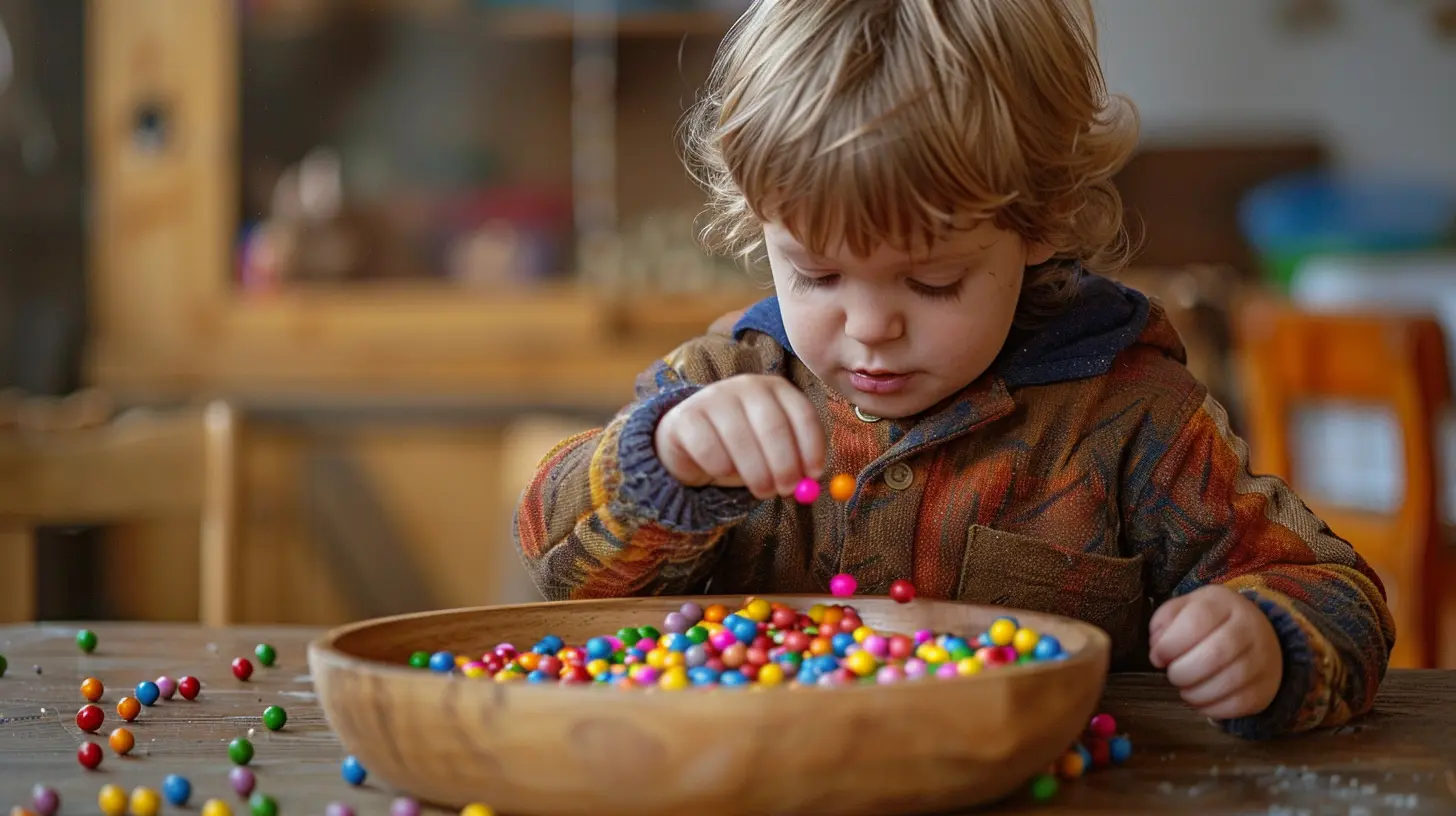
How Montessori Encourages Fine Motor Development
Fine motor skills take time to develop, and Montessori classrooms are practically designed to support this process from day one. Let’s look at how:1. Practical Life Activities
You’ll often see toddlers in a Montessori classroom pouring water from one jug to another, spooning rice, buttoning clothes on dressing frames, or using tongs to transfer objects. These activities aren't just cute—they’re purposeful.Each action requires hand-eye coordination, finger precision, and concentration. And unlike random play, these exercises are repeatable and designed at just the right difficulty level for growing hands.
What does that mean for the child? They build muscle control, learn focus, and feel the joy of mastering small challenges.
2. Sensorial Materials
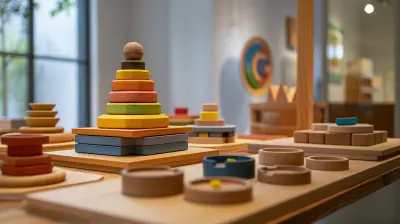
Montessori sensorial tools—like knobbed cylinders, color tablets, and geometric solids—encourage precise hand movements.Picking up objects, fitting shapes into slots, or matching textures may seem simple, but these tasks are incredible workouts for little fingers. Over time, children refine their grip, build dexterity, and gain confidence in using their hands.
3. Writing and Drawing Tools
Montessori doesn’t throw pencils into kids’ hands on day one. First, children engage in indirect preparation like tracing shapes, sanding wood, or using metal insets. These activities strengthen hand muscles and improve control, making writing a natural next step, not a forced leap.Before you know it, a child who was once tracing shapes is writing letters with a steady hand.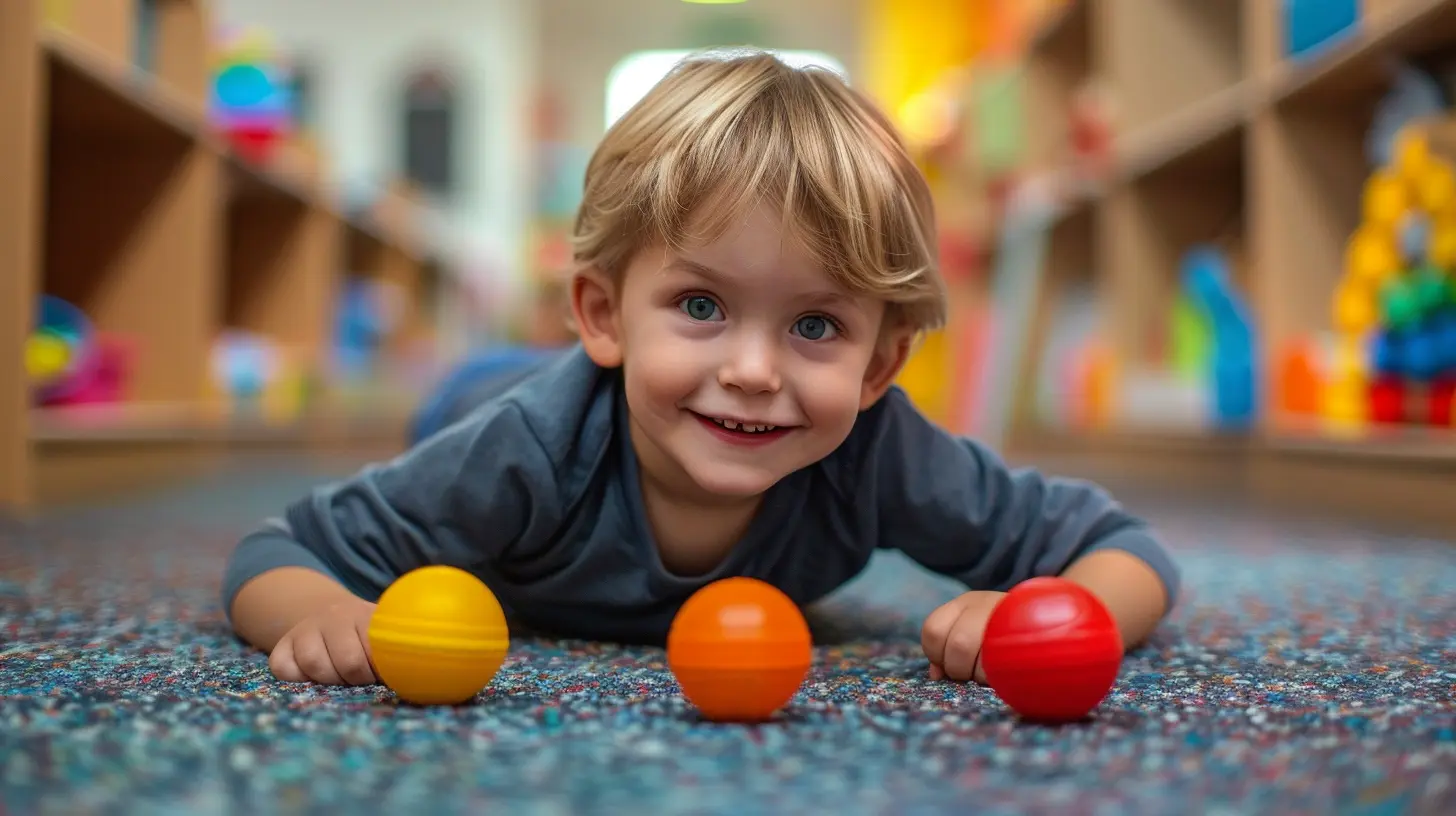
How Montessori Supports Gross Motor Development
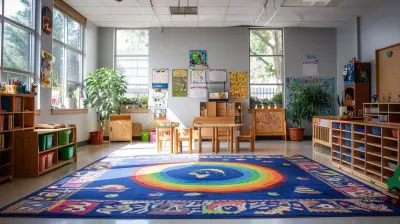
While the traditional image of a classroom might involve rows of desks and lots of sitting, Montessori classrooms are open spaces filled with movement. Here's how gross motor skills come into play:1. Freedom of Movement
In Montessori, children aren’t glued to a desk. They move around the room, choose materials, roll out mats, carry trays, and work on the floor if they want.All of this contributes to their core strength, balance, and coordination. Even moving a chair or balancing a tray builds spatial awareness and strengthens major muscle groups.
2. Outdoor Exploration
Montessori schools emphasize outdoor time—a lot. Whether it's gardening, nature walks, or playing in a well-designed outdoor environment, these activities promote large motor movement.Running, hopping, climbing, digging—all these gross motor activities come naturally when children are let loose in a thoughtful outdoor setting.
3. Structured Gross Motor Tasks
Some Montessori materials and activities are specifically designed to target balance, posture, and large muscle development. Think walking on the line (a classic Montessori exercise where kids walk on a taped line in various patterns), yoga for kids, or even rhythmic movement with scarves.These activities improve coordination and help children become more aware of their bodies in space—a skill called proprioception.
Independence Is the Name of the Game
One thing that constantly pops up in both fine and gross motor development is independence. Montessori is huge on this. Why? Because the ability to do things on your own isn't just empowering—it's foundational to a child’s self-esteem and sense of purpose.When a child learns to button their coat or carry a glass of water across the room without spilling it, they’re not just showing off coordination. They’re saying, “I can do this myself.”
These seemingly small achievements are actually huge developmental wins. And in Montessori, every activity is designed to offer these opportunities.
Real-Life Skills via Purposeful Movement
Ever wonder why Montessori classrooms include child-sized brooms, real glass cups, and tiny screws with working screwdrivers? It’s because the method values real work over pretend play.Kids want to do what adults do. Giving them tools that fit their hands and letting them engage in everyday tasks builds physical skills and emotional satisfaction.
From sweeping the floor to kneading dough, these tasks involve both fine and gross motor elements. But more importantly, they teach responsibility, focus, and resilience.
Mixed-Age Classrooms: Learning Through Observation and Imitation
Montessori classrooms usually group children in 3-year age spans (like ages 3–6, 6–9, etc.). This isn’t random—it’s intentional.Younger children watch older peers pour juice or thread beads and naturally want to mimic them. Older children, in turn, model more refined movements and often help teach the younger ones.
This dynamic creates a loop of learning and teaching, where fine and gross motor skills are constantly being observed, attempted, and refined.
No Pressure, Just Practice
Here’s the magic of Montessori: kids aren’t forced into skill development. Instead, they’re invited. Every material on the shelf exists to meet a developmental need. Children can return to the same task over and over until they master it.There are no worksheets to fill out or tests to complete. The focus is on real understanding and real experience, not just memorization.
And because there’s no rush or comparison, children develop at their own pace, leading to more secure and confident learners.
Montessori at Home: Simple Ways to Support Motor Skills
Okay, so what if your child isn’t in a Montessori school? You can still bring the benefits home. Here are a few simple (and fun) ideas to support motor skill development the Montessori way:For Fine Motor Skills:
- Let your child help in the kitchen—stirring, pouring, peeling- Provide child-safe scissors and encourage cutting activities
- Use building toys like LEGO or wooden blocks
- Offer tracing, drawing, and simple sewing kits
For Gross Motor Skills:
- Encourage outdoor play—climbing, digging, nature walks- Set up an obstacle course with pillows or cushions
- Practice yoga or dance together
- Let kids carry their own backpack or small groceries
The key? Let them do it themselves, even if it takes longer or gets messy. That's where growth happens.
Wrapping It Up
Montessori education goes far beyond academics. It celebrates a child’s whole development—mind, body, and spirit. By encouraging movement through purposeful work, it lays a strong foundation for both fine and gross motor skills.Kids in Montessori settings aren’t just busy; they’re building the physical and mental tools they need for life. From tying shoelaces to climbing trees, every movement holds meaning.
So the next time you see a Montessori child carefully pouring water or walking on a line with laser focus, know this: you're not just watching a task. You're witnessing a child becoming capable, confident, and coordinated—one movement at a time.
all images in this post were generated using AI tools
Category:
Montessori EducationAuthor:

Charlotte Rogers
Discussion
rate this article
12 comments
Rhiannon Rocha
Empowering growth through mindful movement activities.
January 29, 2026 at 9:11 PM
Charlotte Rogers
Thank you! Mindful movement is indeed a key aspect of Montessori education, fostering both fine and gross motor skills through engaging activities.
Zyana Nelson
Thank you for shedding light on the Montessori approach! It's inspiring to see how it nurtures both fine and gross motor skills in children. This perspective truly highlights the importance of hands-on learning in their development.
January 14, 2026 at 1:14 PM
Charlotte Rogers
Thank you for your thoughtful comment! I'm glad you found the Montessori approach inspiring—hands-on learning truly makes a significant impact on children's development.
Zephyrian Whitley
This article effectively highlights Montessori's holistic approach to motor skill development, showcasing its benefits in fostering both fine and gross motor abilities in children.
January 14, 2026 at 4:54 AM
Charlotte Rogers
Thank you for your insightful comment! I'm glad you found the article effectively highlights the benefits of Montessori's holistic approach to motor skill development.
Clover McGlynn
Montessori methods effectively nurture essential fine and gross motor skills.
January 13, 2026 at 3:26 AM
Charlotte Rogers
Thank you! The Montessori approach indeed emphasizes hands-on learning, which beautifully supports the development of both fine and gross motor skills.
Serenity Turner
Embracing Montessori methods unlocks a world of exploration for children! By nurturing both fine and gross motor skills, we empower their growth, creativity, and confidence—laying a strong foundation for lifelong learning!
January 12, 2026 at 9:58 PM
Charlotte Rogers
Thank you! I'm glad you see the value in Montessori methods for fostering essential skills and promoting lifelong learning in children.
Lisa Robinson
This article beautifully highlights the importance of Montessori methods in fostering fine and gross motor skills. By nurturing independence and exploration, we empower children to build confidence and coordination—essential foundation stones for lifelong learning. Great insights!
January 7, 2026 at 8:30 PM
Charlotte Rogers
Thank you for your thoughtful comment! I'm glad you found the article insightful. Montessori methods truly do play a vital role in developing essential skills for children's growth.
Vesper Gibson
Montessori's approach brilliantly nurtures essential motor skill development.
January 7, 2026 at 12:31 PM
Charlotte Rogers
Thank you! Montessori's emphasis on hands-on learning truly supports the development of these vital skills.
Sybil Hubbard
This article beautifully highlights the Montessori approach's unique ability to nurture fine and gross motor skills through purposeful play and hands-on activities. It reinforces the importance of fostering independence in children, ultimately shaping their confidence and ability to learn.
December 27, 2025 at 12:16 PM
Charlotte Rogers
Thank you for your insightful comment! I’m glad you found the article highlights the significance of hands-on learning in developing motor skills and fostering independence in children.
Kimberly Cruz
This article brilliantly highlights how Montessori methods foster both fine and gross motor skills through engaging, hands-on activities. The emphasis on independence and exploration truly nurtures children's physical development in a supportive learning environment. Great insights!
December 27, 2025 at 4:26 AM
Charlotte Rogers
Thank you for your thoughtful comment! I'm glad you found the article's insights on Montessori methods and their impact on motor skills engaging.
Ian Harper
Montessori’s hands-on approach effectively fosters autonomy, enhancing both fine and gross motor skills through purposeful play and exploration.
December 25, 2025 at 9:39 PM
Charlotte Rogers
Thank you! Montessori's emphasis on hands-on learning truly empowers children to develop essential motor skills through engaging, purposeful activities.
Sawyer Pope
This article beautifully captures the essence of Montessori education in nurturing motor skills. By fostering independence and hands-on learning, children not only enhance their fine and gross motor abilities but also build confidence in their capabilities. Embracing this approach can truly empower our little learners for life’s challenges ahead!
December 23, 2025 at 9:25 PM
Charlotte Rogers
Thank you for your thoughtful comment! I'm glad you enjoyed the article and appreciate the importance of Montessori education in fostering motor skills and confidence in children.
Shannon Rosales
This article beautifully highlights the Montessori approach to developing fine and gross motor skills. By integrating hands-on activities and real-life tasks, children engage in meaningful play that fosters their physical abilities. It’s a refreshing take on learning that promotes independence and confidence in young learners.
December 19, 2025 at 12:29 PM
Charlotte Rogers
Thank you for your thoughtful comment! I'm glad you appreciated the emphasis on hands-on activities and their role in fostering independence and confidence in children.
MORE POSTS

Authentic Learning Experiences Through Project-Based Learning

How to Use Social Media as a Tool for Learning
The Benefits of Mixed-Age Classrooms in Early Childhood Education

The Role of Self-Assessment in Improving Study Habits

Balancing Summative and Formative Assessments for Maximum Impact

Lesson Planning for Historical Inquiry and Perspective Taking
Montessori’s Influence on Modern Educational Practices

The Importance of Teacher Training in School Coding Programs