How to Assess the Impact of Mindfulness in Education
21 December 2025
Mindfulness in education isn't just a trendy buzzword anymore. It’s becoming a real game-changer for students, teachers, and even school administrators. But here's the million-dollar question: how do we actually know it's working? How do we assess the impact of mindfulness in education in a way that goes beyond "it feels good"?
If you're scratching your head wondering where to begin, you're not alone. Whether you're an educator, a parent, or just curious about why kids sitting quietly with their eyes closed is making waves in classrooms, you’re in the right place.
Let’s kick off our shoes (mindfully, of course), take a deep breath, and break down exactly how to assess the impact of mindfulness in education—without making it feel like taking a pop quiz.
What Even Is Mindfulness in Education?
Alright, let’s start with the basics. Mindfulness is all about being present in the moment — paying attention to thoughts, feelings, and surroundings without judgment. In schools, this often looks like guided breathing exercises, meditation, mindful movement (like yoga), or even simple body scans.But mindfulness goes beyond sitting cross-legged. It's about helping students manage stress, focus better, and respond instead of react. It’s like giving kids (and teachers!) emotional superpowers.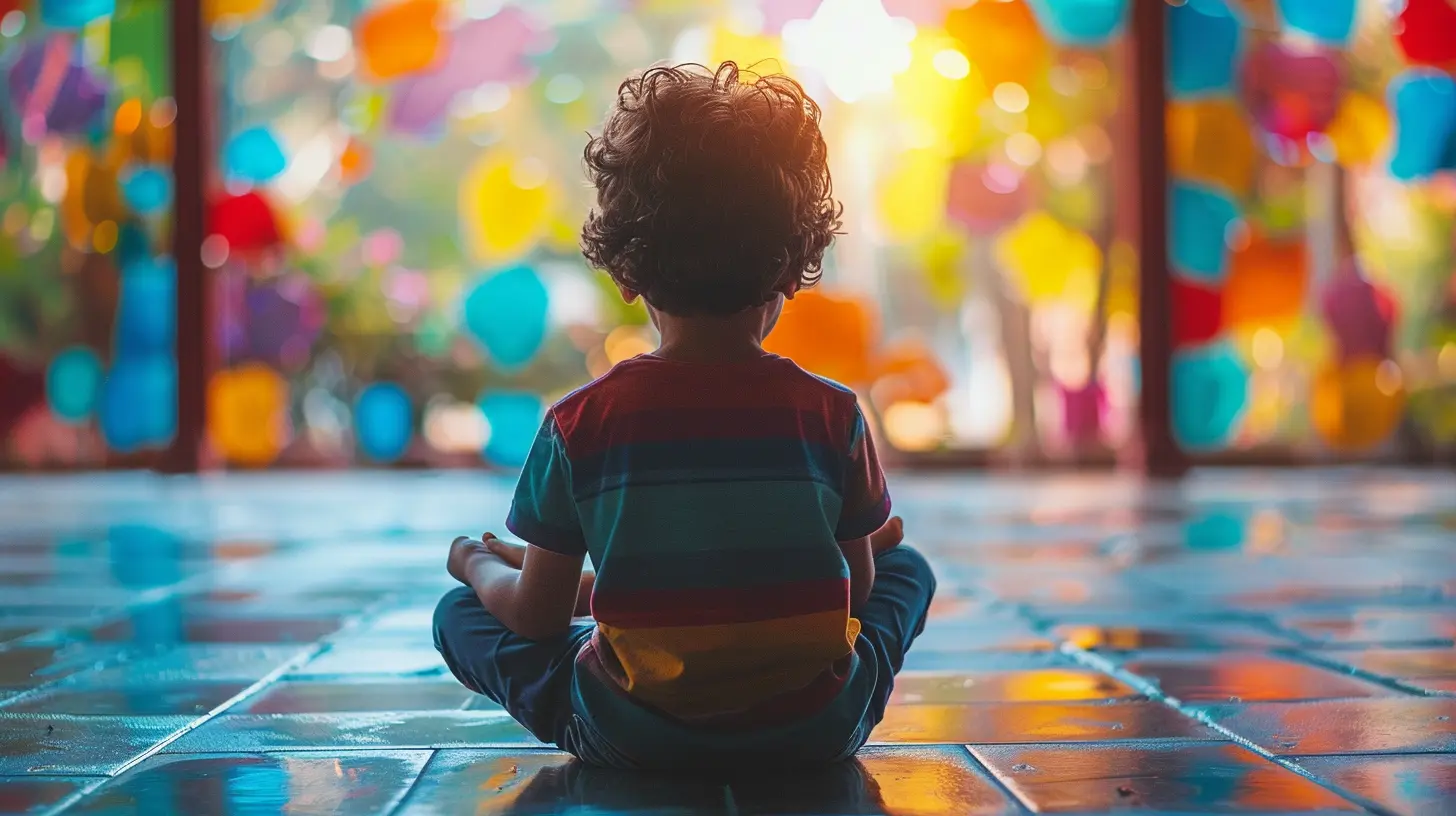
Why Should We Care About Mindfulness in Schools?
You might be thinking: “Sounds cool, but is it really necessary?” Short answer—yep!Here’s why mindfulness in education matters:
- Improves focus and attention: Students who practice mindfulness often show better concentration in class.
- Boosts emotional regulation: They learn to handle tough emotions without melting down.
- Reduces anxiety and stress: School can be overwhelming, and mindfulness helps take the pressure off.
- Enhances empathy and kindness: Kids become more aware of how they treat themselves and others.
- Supports teacher well-being: Happy teachers = better learning environments.
It’s like planting a seed of calm that blossoms into better academic and emotional outcomes. Pretty powerful stuff, right?
So, How Do We Know It’s Working?
That’s the real kicker. Schools love data. Parents want results. Teachers need proof. So how do we assess the impact of mindfulness practices, especially when the benefits can feel a little... intangible?Let’s dig into some practical, actionable ways to measure it.
1. Start With Clear Goals
Before you can measure success, you need to define it. What are you hoping mindfulness will improve in your students?Here are a few common goals:
- Reduced disciplinary incidents
- Better attendance
- Improved focus in class
- Decreased stress levels
- Boosted academic performance
- Happier, more resilient kids
Once you know what you're aiming for, you can figure out how to measure it. It’s like setting the GPS before starting your journey — you need a destination to know when you've arrived.
2. Use Pre- and Post-Assessments
Okay, time to put the “assess” in assessment.One of the most reliable ways to measure progress is through before-and-after assessments. You give students (and maybe teachers, too!) a short survey or quiz before starting the mindfulness program and then again after it's been in place for a while.
What can you measure?
- Stress and anxiety levels
- Attention and focus
- Emotional regulation
- General well-being
- Behavior trends
How to do it?
There are a bunch of tools already out there. Here are a few to check out:
- Mindfulness Attention Awareness Scale (MAAS)
- Perceived Stress Scale (PSS)
- Strengths and Difficulties Questionnaire (SDQ)
- Social Emotional Learning (SEL) assessments
Just remember, these aren't graded tests. Think of them as check-ins to see how the students are doing emotionally and mentally.
3. Observe Behavior Changes
Sometimes, you don't need forms and graphs. You just need to pay attention.Teachers and counselors can be mindfulness detectives, watching for clues in student behavior. Are kids calmer after recess when they’ve done breathing exercises? Are they quicker to forgive a classmate and move on?
Here’s what to look for:
- Less fidgeting or off-task behavior
- More cooperation during group work
- Quicker recovery from emotional outbursts
- Improved communication skills
- Fewer office referrals or disciplinary actions
Create a simple checklist or journal where educators can jot down what they observe. Over time, patterns will start to show up.
Think of it like watching flowers bloom — slow and steady growth that adds up to something beautiful.
4. Gather Feedback From Students
Let’s be real — kids are brutally honest. And that’s a good thing when you're trying to figure out if mindfulness is making a difference.Create short, anonymous surveys with simple questions like:
- “Do you feel more calm after mindfulness practice?”
- “Has mindfulness helped you when you feel angry or stressed?”
- “Do you like doing mindfulness activities?”
- “Is it helping you focus more in class?”
Use emojis, multiple choice, or short answers—whatever makes sense for your students' age group. The goal is to hear their voice, in their own words.
You’ll be surprised what insights you get when you actually ask them.
5. Talk to Teachers and Parents
Don’t forget the grown-ups! Teachers and parents are on the front lines and can offer valuable perspectives on student progress.Ask them questions like:
- Have you noticed a change in your child’s behavior?
- Is your student more focused during lessons?
- Has your child mentioned anything about mindfulness at home?
- Do you feel the classroom environment has become calmer?
These conversations don’t have to be formal. Shoot out a Google Form or host a parent night. Sometimes, a quick hallway chat reveals more than a spreadsheet.
6. Track Academic Performance (But Cautiously)
Now, this one’s tricky. While mindfulness isn’t directly aimed at boosting grades, it often leads to better academic performance because students are more focused and less stressed.But let’s set realistic expectations—this isn’t a magic spell for straight A’s.
Still, it’s worth keeping an eye on:
- Test scores before and after implementing mindfulness
- Homework completion rates
- Participation during class
Just remember, academic success is only one piece of the puzzle. And mindfulness is more about the journey than the final exam.
7. Let Time Do Its Thing
Here’s the honest truth: mindfulness works, but it often takes time to show results. It’s more marathon than sprint.Assess impacts periodically, and don’t stress if the results aren’t immediate. Keep nurturing the process and checking in regularly.
Much like growing a garden, you may not see blooms every day, but something beautiful is happening beneath the surface.
8. Use Technology to Help Out
Feeling overwhelmed trying to track all this? Tech to the rescue.There are several mindfulness apps and platforms designed specifically for schools that include built-in tracking and assessment tools. Some even offer dashboards to show trends over time.
Examples include:
- Headspace for Educators
- Calm Schools Initiative
- Mind Yeti
- Smiling Mind
These tools help streamline the process and keep everything organized so you can focus on what really matters—supporting your students.
9. Celebrate the Wins (Big and Small)
This might be the most important part. Don’t forget to pause and celebrate the progress your students (and staff!) are making.Did a normally impulsive student pause to take a breath before reacting? Huge win.
Did a class make it through a chaotic transition time without tears or tantrums? Pop the (virtual) confetti!
Acknowledging growth keeps everyone motivated and reminds us why we started this journey in the first place.
Final Thoughts: Mindfulness Is Meant to Be Felt, Not Just Measured
Look, assessing the impact of mindfulness in education isn’t about turning it into a numbers game. It’s about showing that when kids and teachers learn to slow down, breathe, and connect with themselves and each other, amazing things can happen.Yes, we want measurable results, but we also want meaningful change. So keep your assessments heartfelt, human, and holistic. Because sometimes, the most important improvements won’t fit neatly into a chart—but they’ll show up in brighter eyes, calmer hearts, and a little more kindness in the classroom.
Keep breathing, keep believing, and keep making space for mindfulness. You’re doing incredible work.
all images in this post were generated using AI tools
Category:
Mindfulness In EducationAuthor:

Charlotte Rogers
Discussion
rate this article
12 comments
Zeth McVeigh
Great insights! Mindfulness in education can truly transform learning experiences. Remember, even small steps towards awareness can lead to big changes. Keep spreading the positivity and inspiration! 🌟
January 29, 2026 at 9:11 PM
Charlotte Rogers
Thank you! I completely agree—small steps in mindfulness can create profound changes in education. Let’s keep the conversation going! 🌟
Melody McAlister
Mindfulness in education is a transformative tool. To effectively assess its impact, we must prioritize measurable outcomes, gather diverse student feedback, and embrace continuous refinement of practices. Only then can we unlock its full potential for enhancing learning environments.
January 8, 2026 at 8:34 PM
Charlotte Rogers
Thank you for your insightful comment! I completely agree that focusing on measurable outcomes and diverse feedback is crucial for maximizing the benefits of mindfulness in education. Continuous refinement is key to unlocking its full potential.
Audrey Roberts
Mindfulness in education: where calm meets curiosity! Assessing its impact is like measuring giggles in a classroom – delightful and essential for a happy learning environment!
January 8, 2026 at 5:15 AM
Charlotte Rogers
Thank you for your delightful comment! Indeed, assessing mindfulness in education can be both challenging and rewarding, much like capturing the joy of giggles in a classroom. Your insights highlight its importance for a positive learning atmosphere!
Falkor McKittrick
Great insights! Assessing mindfulness in education is crucial for understanding its benefits. Engaging students in reflection can lead to transformative learning experiences.
January 7, 2026 at 4:19 AM
Charlotte Rogers
Thank you for your thoughtful comment! I completely agree—student reflection is key to unlocking the full benefits of mindfulness in education.
Audra Clayton
This article offers valuable insights into evaluating the effects of mindfulness in educational settings. By providing clear metrics and practical approaches, it empowers educators to measure student well-being and engagement effectively. Emphasizing both qualitative and quantitative data can enhance understanding and support effective implementation.
January 6, 2026 at 12:08 PM
Charlotte Rogers
Thank you for your thoughtful feedback! I'm glad you found the article's insights on evaluating mindfulness in education valuable. Your emphasis on both qualitative and quantitative data is crucial for effective implementation.
Nymira McGrath
Mindfulness in education: turning chaotic classrooms into calm seas! Just imagine students finding their zen while cramming for tests—'Ohm' my goodness, who knew tranquility could boost test scores? Let's assess the impact before we all start meditating instead of studying!
January 6, 2026 at 4:34 AM
Charlotte Rogers
Absolutely! Assessing the impact of mindfulness in education is crucial to ensure it enhances learning outcomes without replacing traditional study methods. Let’s explore effective evaluation techniques to measure its benefits!
Phaedra Johnson
This article effectively highlights the multifaceted benefits of integrating mindfulness into educational settings. By emphasizing evidence-based assessment methods, it provides educators with practical tools to measure outcomes. Understanding mindfulness’s impact not only enhances student well-being but also fosters a more focused and engaged learning environment. A valuable read for educators!
December 31, 2025 at 4:11 AM
Charlotte Rogers
Thank you for your thoughtful comments! I'm glad you found the article valuable and practical for educators.
Patience McMillan
This article offers valuable insights into assessing mindfulness in education. It emphasizes practical methods and tangible outcomes, making it a useful guide for educators seeking to enhance student well-being.
December 27, 2025 at 12:16 PM
Charlotte Rogers
Thank you for your feedback! I'm glad you found the article helpful and practical for enhancing student well-being.
Dior McRae
Mindfulness in education: where calm meets creativity and learning takes a joyful leap!
December 27, 2025 at 4:26 AM
Charlotte Rogers
Thank you! Mindfulness fosters a positive learning environment, enhancing creativity and engagement, which we aim to explore in assessing its impact.
Thomas Mathews
This article beautifully highlights the transformative power of mindfulness in education. By fostering emotional well-being and focus, we can truly enhance students' learning experiences. Thank you for shedding light on such an essential topic for today's educators!
December 24, 2025 at 8:38 PM
Charlotte Rogers
Thank you for your thoughtful comment! I'm glad you found the article highlights the importance of mindfulness in enhancing student learning and well-being.
Soren Yates
Ah, yes! Because nothing says ‘academic rigor’ like measuring the impact of mindfulness with a yoga mat and a crystal ball. Just imagine the groundbreaking results: students meditating while taking exams! I can already hear the sound of enlightenment echoing through the classroom.
December 22, 2025 at 12:05 PM
Charlotte Rogers
While it may seem unconventional, integrating mindfulness practices like meditation can foster focus and reduce stress, ultimately enhancing academic performance.
Dana Klein
This article beautifully highlights the importance of mindfulness in education. It's a fantastic resource for educators looking to enhance student well-being and engagement. Thank you for sharing these valuable insights!
December 21, 2025 at 9:14 PM
Charlotte Rogers
Thank you for your kind words! I'm glad you found the article helpful in emphasizing the importance of mindfulness in education.
MORE POSTS

The Benefits of Joining Study Groups for Adult Learners
The Impact of Cultural Bias in Standardized Exams

Nurturing Independence: The Montessori Approach to Early Childhood Education

Unlocking Your Potential: The Power of Lifelong Learning

How to Overcome Fear When Returning to School as an Adult

Critical Thinking in the Age of Social Media: A Guide for Teachers

The Role of Parents in Encouraging Children to Learn Coding at School

Celebrating Milestones in Early Literacy Development