How to Build a Classroom Culture of Respect and Inclusion
3 December 2025
Creating a classroom where every student feels welcome, heard, and valued isn't just a nice idea—it’s essential. You and I both know that a positive classroom culture doesn’t happen by accident. It takes intention, consistency, and a whole lot of heart.
Whether you’re a new teacher just starting or a seasoned educator looking to refresh your approach, this guide will walk you through practical steps and real-talk strategies for cultivating a space where respect and inclusion aren't buzzwords—they're built into the everyday rhythm of learning.
Let’s dive into how we can build a classroom culture of respect and inclusion that’s not only strong but contagious.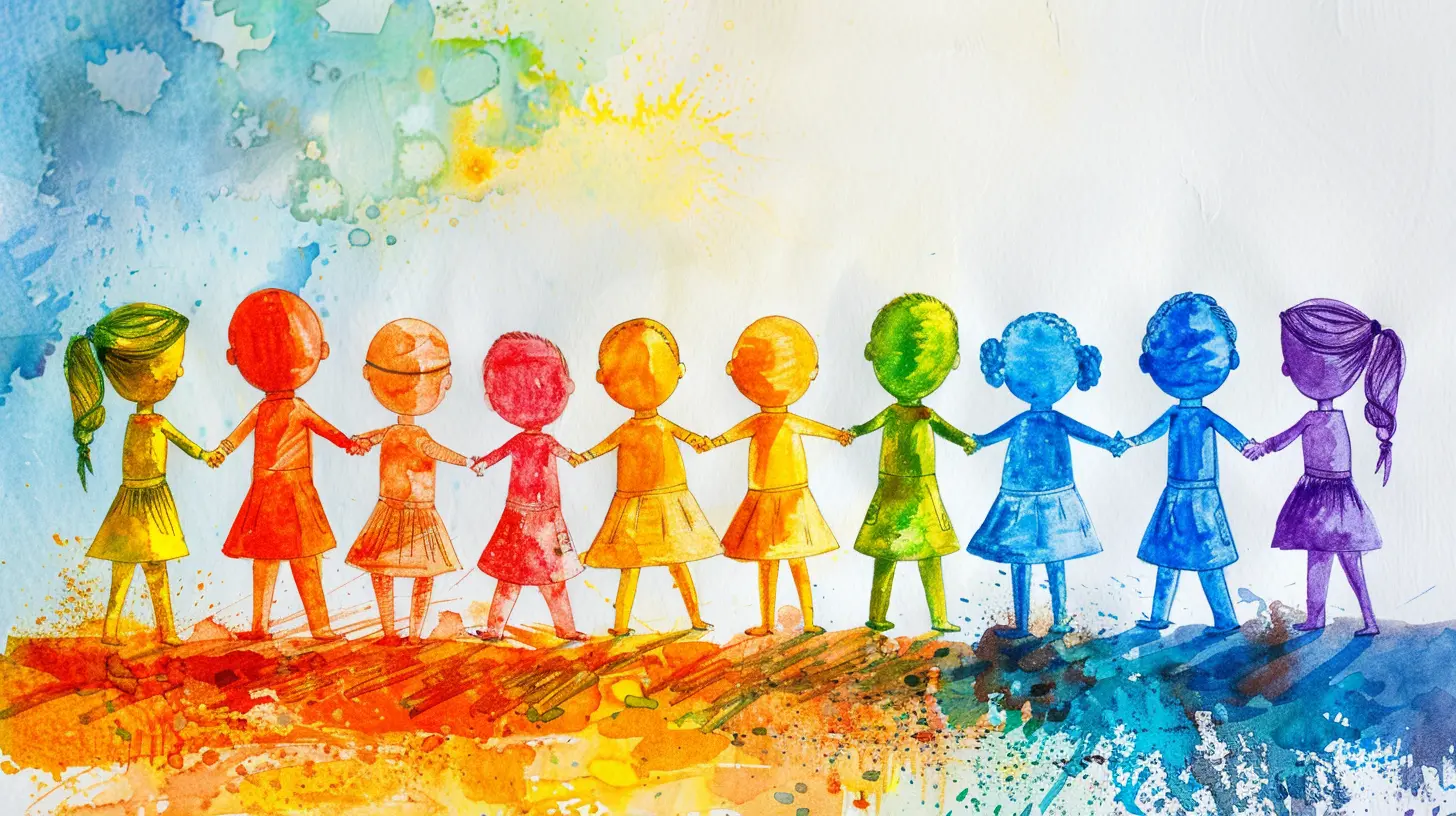
Why Respect and Inclusion Matter in the Classroom
Let’s start with the basics. Why should we even care about building a culture of respect and inclusion? Isn’t teaching the curriculum enough?Actually, it’s not.
Think about it. Students spend most of their day in school. If the environment isn’t safe and supportive, how can we expect them to thrive academically—or emotionally?
A culture of respect nurtures trust. Inclusion amplifies belonging.
When students feel respected and included:
- They’re more likely to participate.
- They’re less likely to act out.
- They take more academic risks.
- They build empathy and tolerance.
Let’s be real for a sec—when respect and inclusion are missing, you can feel the tension in the air. But when they’re present? The classroom becomes a buzzing hive of curiosity and connection.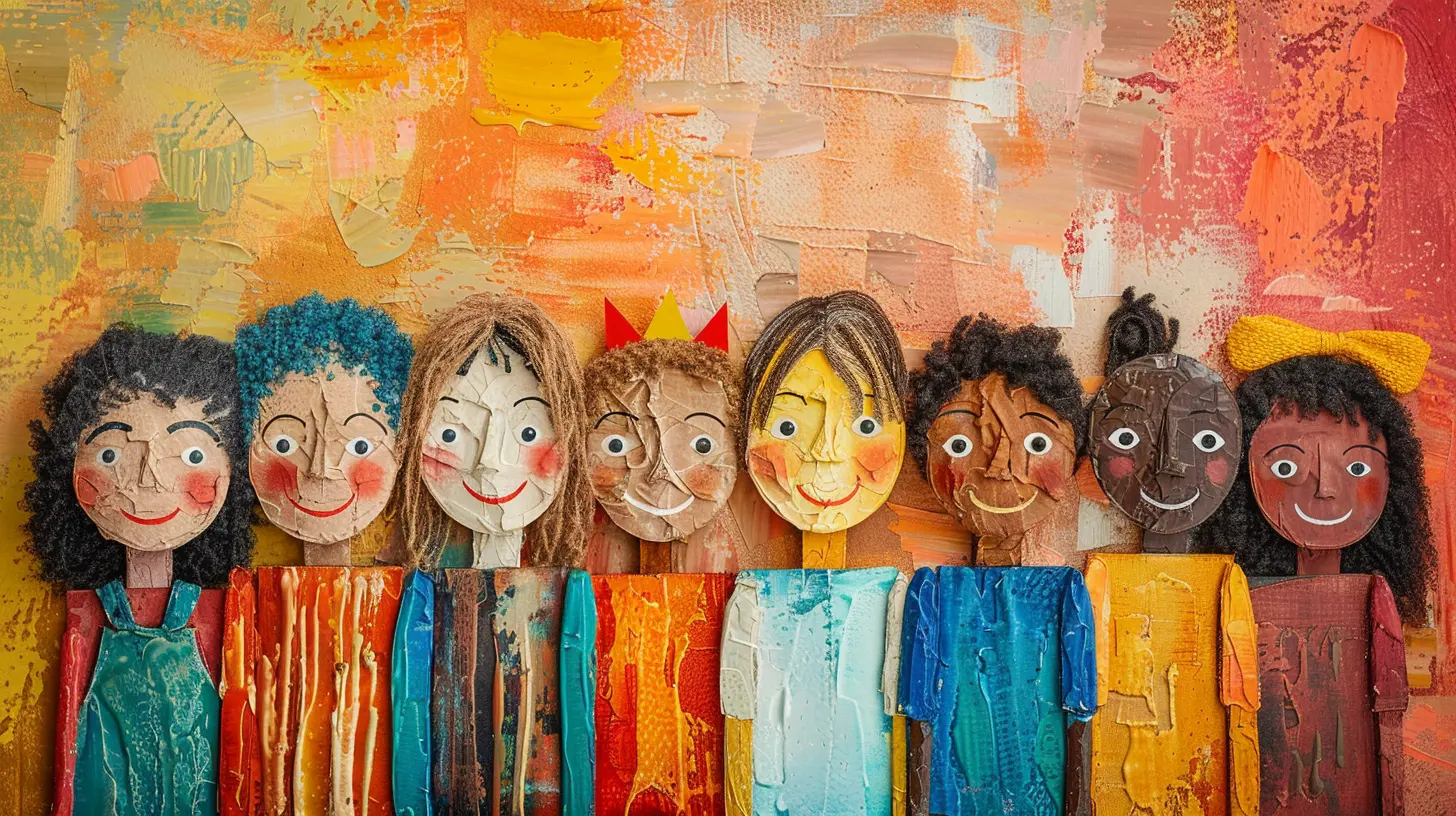
Step 1: Set the Tone from Day One
You don’t get a second chance at first impressions. From the very first moment students walk into your classroom, they’re picking up on everything—your words, your tone, your body language.So set the tone early. Make it clear that your room is a safe space where everyone belongs.
Start with a Class Agreement
Instead of laying down strict rules like a drill sergeant, create a class agreement—together.Ask questions like:
- What does respect look like in our classroom?
- How do we want to treat each other?
- How should we handle disagreements?
When students have a say in the values that define your space, they’re far more invested in upholding them.
Step 2: Model the Behavior You Want to See
Let’s not sugarcoat it—kids are watching you like a hawk. They see how you handle stress, conflict, mistakes, and diversity.Want them to show respect? Show it first.
- Speak kindly and calmly—even when you’re frustrated.
- Listen actively without interrupting.
- Acknowledge when you’ve made a mistake (yes, even teachers mess up).
- Treat every student like they matter—because they do.
You’re the thermostat, not the thermometer. Set the emotional temperature you want your classroom to have.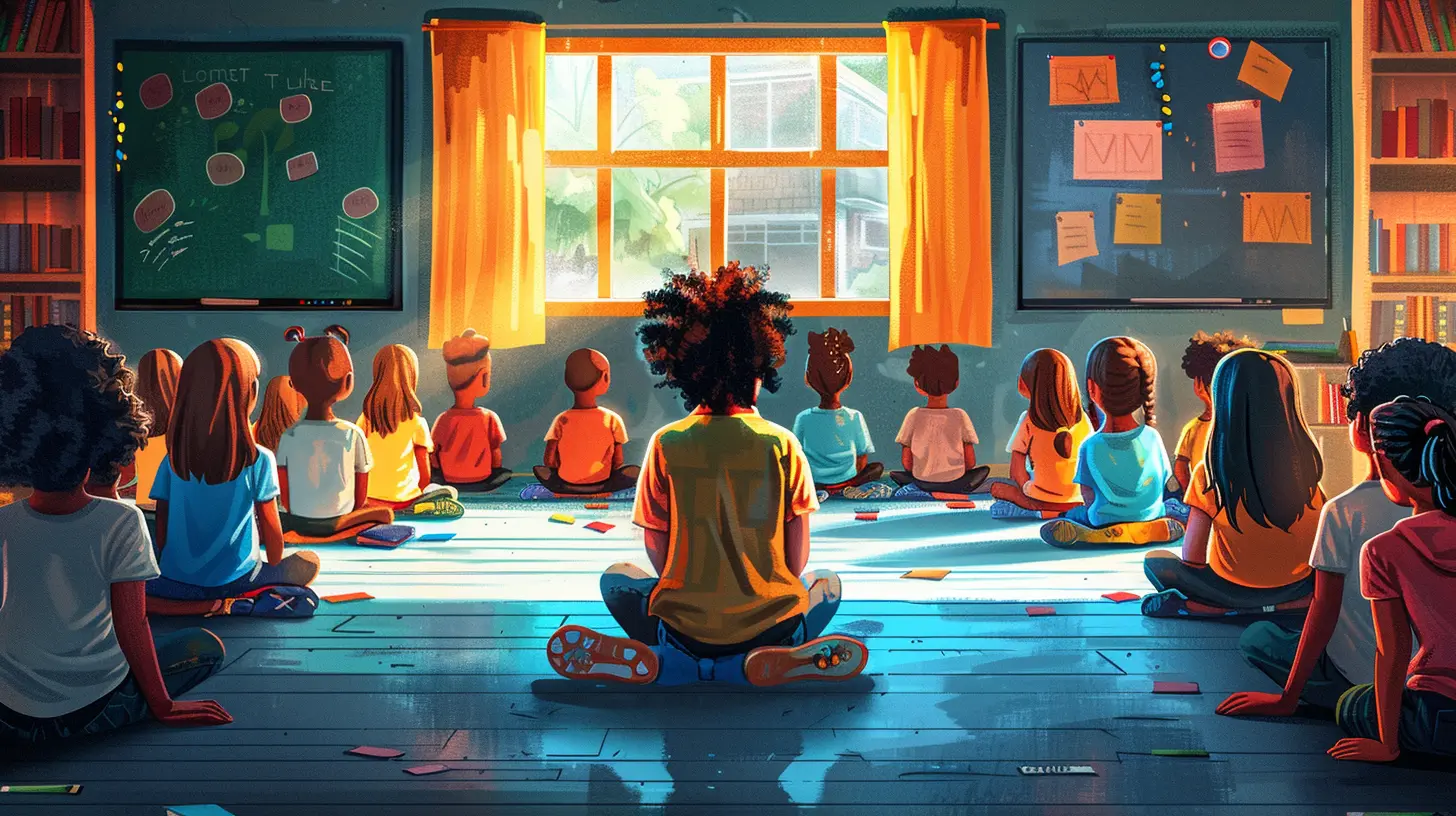
Step 3: Celebrate Diversity Loud and Proud
Every classroom is a microcosm of the larger world. Students come from different cultures, backgrounds, family structures, and belief systems. This diversity is powerful—it’s your secret weapon.But students won’t value each other’s differences if we brush them under the rug.
Ways to Celebrate Diversity
- Integrate books and media that reflect different cultures, languages, and identities.- Invite students to share their traditions, languages, and stories.
- Acknowledge and celebrate cultural holidays throughout the year.
- Talk about difficult topics like racism and bias in age-appropriate, honest ways.
When students see themselves reflected in your lessons, they feel seen. When they see others reflected too, they learn to appreciate—not fear—what makes people different.
Step 4: Speak the Language of Inclusion
We all know that words carry weight. So let's use them intentionally.Avoid language that excludes or labels. Instead, speak in ways that build bridges.
Inclusive Language Tips
- Use students’ preferred names and pronouns.- Avoid saying things like “you guys” (try “everyone” or “team”).
- Praise behaviors, not people (e.g., “You showed great empathy,” not “You’re a good kid”).
- Never tolerate jokes or comments that marginalize others.
And here’s a powerful one: Ask students how they want to be supported. It shows you care and teaches them to advocate for themselves.
Step 5: Address Incidents with Compassion, Not Punishment
Stuff happens. A student says something hurtful. Someone gets left out of a group project. A conflict escalates.The way you respond can either build or break the culture you're trying to create.
Try Restorative Practices
Rather than rushing to consequences, focus on restoring relationships.Ask things like:
- What happened?
- How did it make you feel?
- How can we make it right?
Get students talking and listening to each other. These conversations take time, but they’re the backbone of a respectful classroom.
Everyone makes mistakes—including you, me, and your most well-behaved student. What matters most is how we grow from them.
Step 6: Foster Student Voice and Choice
Inclusion isn’t just about who’s in the room—it’s about who gets to speak, decide, and lead.When students have a voice, they feel empowered. When they have choice, they feel trusted.
Try This in Your Classroom
- Let students vote on classroom activities or projects.- Rotate classroom jobs to boost ownership.
- Run student-led conferences or morning meetings.
- Encourage feedback—yes, even about your teaching!
When students feel like stakeholders in their own learning, they’re more likely to respect the process—and each other.
Step 7: Build Relationships, Always
Here's the truth: Relationships are the foundation of everything. You can have the fanciest lesson plans and the most high-tech classroom, but if your students don’t feel connected to you or each other, it all falls flat.How to Build Strong Connections
- Greet students by name every day.- Learn about their interests, families, and dreams.
- Use humor and stories to make your teaching feel human.
- Check in often—not just when there’s a problem.
A simple “Hey, how’s your day going?” can mean the world to a kid who feels invisible. Relationships aren’t just warm and fuzzy—they're game changers.
Step 8: Create Physical Spaces That Include
The way your classroom looks and feels sends a message. Is it welcoming? Does it honor every student’s identity?Things to Consider
- Display student work proudly.- Post visuals about kindness, empathy, and inclusion.
- Offer flexible seating arrangements.
- Make sure décor reflects different cultures and abilities.
Even things like having books in multiple languages or posters showing diverse scientists can shift the vibe from “you have to fit in” to “you already belong here.”
Step 9: Reflect and Revisit Often
Let’s be honest—classroom culture isn’t a one-and-done deal. It’s a living, breathing thing. It needs attention, reflection, and sometimes a little tune-up.Ask Yourself:
- Are all my students participating equally?- Am I addressing microaggressions or brushing them off?
- Do students feel safe taking academic and emotional risks?
And don’t be afraid to ask your students too. They’ll tell you—if you’re willing to listen.
Set regular times to revisit your class agreements and make changes. Growth is a process, and so is building a truly inclusive space.
Final Thoughts: You’ve Got This
Look, creating a classroom culture of respect and inclusion isn’t always easy. It involves tough conversations, messy moments, and a lot of self-reflection.But the payoff? Huge.
When students feel seen, heard, and safe, they can show up fully. They stop spending energy trying to fit in and start focusing on what really matters—learning, growing, and becoming who they’re meant to be.
And you’re the one who sets that stage.
So keep showing up. Keep being the adult who doesn’t just talk about respect and inclusion but lives it every day.
Your students will notice.
They’ll remember.
And one day, they’ll pass it on.
all images in this post were generated using AI tools
Category:
Teaching StrategiesAuthor:

Charlotte Rogers
Discussion
rate this article
12 comments
Samantha Green
Great insights! Building a classroom culture of respect and inclusion is so important. It’s amazing how small gestures can create a welcoming environment. Can’t wait to implement these ideas and see the positive changes in my classroom!
January 29, 2026 at 1:11 PM
Charlotte Rogers
Thank you! I'm glad you found the insights helpful. Small gestures can truly make a big difference. Best of luck in creating that welcoming environment!
Octavia Rodriguez
Creating a respectful and inclusive classroom starts with genuine connections and open communication among students.
December 15, 2025 at 9:13 PM
Charlotte Rogers
Absolutely! Genuine connections and open communication are essential foundations for fostering respect and inclusion in the classroom. Thank you for highlighting this important aspect!
Galina West
Respect and inclusion are non-negotiable essentials.
December 14, 2025 at 9:51 PM
Charlotte Rogers
Absolutely! Respect and inclusion are the foundation for a positive classroom culture. They empower every student to thrive and feel valued.
Matteo Roberson
Respect and inclusion aren't optional; they're fundamental. Educators must boldly dismantle biases, elevate diverse voices, and foster an environment where every student feels valued and heard. This isn’t just best practice; it’s an ethical imperative we must embrace without hesitation or compromise.
December 12, 2025 at 5:06 AM
Charlotte Rogers
Absolutely agree! Respect and inclusion are essential for a thriving classroom environment. It’s our duty as educators to prioritize these values for the benefit of all students.
Wyatt Henson
Great tips! Fostering respect and inclusion truly makes a difference in students’ learning experiences!
December 11, 2025 at 4:47 AM
Charlotte Rogers
Thank you! I'm glad you found the tips helpful. Fostering respect and inclusion is indeed key to enriching students' learning experiences!
Dahlia Parker
Respect isn't optional; it's essential!
December 10, 2025 at 10:09 PM
Charlotte Rogers
Absolutely! Cultivating respect is fundamental to fostering an inclusive and positive classroom environment. Thank you for highlighting its importance!
Xander Jacobs
Building respect and inclusion starts with open dialogue and genuine relationships among students.
December 10, 2025 at 1:39 PM
Charlotte Rogers
Absolutely! Open dialogue and strong relationships are foundational to fostering respect and inclusion in the classroom. Thank you for highlighting this essential aspect!
Jade McGowan
How can we measure the impact of respect in classrooms?
December 9, 2025 at 4:42 AM
Charlotte Rogers
We can measure the impact of respect in classrooms through student surveys, behavioral observations, and academic performance, as well as tracking engagement and collaboration among students.
Kael Lambert
Fostering a culture of respect and inclusion isn’t just a policy—it's a daily practice that empowers students to thrive together. Let’s start today!
December 8, 2025 at 7:50 PM
Charlotte Rogers
Absolutely! Daily actions and open dialogue are key to cultivating an inclusive environment where all students can succeed together. Let's make it happen!
Pilar McBride
Thank you for this insightful article! Fostering respect and inclusion is essential for a positive learning environment.
December 8, 2025 at 11:28 AM
Charlotte Rogers
Thank you for your thoughtful comment! I completely agree—respect and inclusion are crucial for a thriving classroom environment.
Velma Johnson
Love this! Cultivating respect truly transforms classrooms!
December 7, 2025 at 8:46 PM
Charlotte Rogers
Thank you! I'm glad you found it valuable. Cultivating respect is indeed key to fostering an inclusive classroom environment!
Peregrine Horne
This article effectively highlights the importance of fostering respect and inclusion in the classroom. By implementing practical strategies, educators can create a supportive environment that values diversity and encourages open dialogue. However, the challenge lies in maintaining consistency and addressing conflicts as they arise. Real change requires ongoing commitment from everyone involved.
December 7, 2025 at 12:27 PM
Charlotte Rogers
Thank you for your thoughtful comment! I completely agree that consistency and ongoing commitment are crucial for fostering a truly inclusive classroom culture.
MORE POSTS

How to Create Flexible Lesson Plans for Hybrid and Remote Learning

Lesson Planning for Language Acquisition and Bilingual Education

How Continuing Education Can Boost Your Confidence

The Future of Classroom Assessments: Trends and Innovations

Mindfulness and Play: Learning Through Calm and Focused Fun

The Growing Importance of Digital Literacy for Adult Learners

Celebrating Milestones in Early Literacy Development

Encouraging Lifelong Learning: How to Foster Self-Motivated Students