How to Create a Print-Rich Environment at Home
28 June 2026
Alright, folks, let’s get real—if you want your child to love reading and writing, you’ve got to immerse them in a world where words rule. No, I’m not talking about turning your home into a library (unless you’re into that). I mean surrounding your kiddo with words in a way that makes them naturally want to read. A print-rich environment does exactly that. It’s like giving your child VIP access to a world of literacy, and trust me, the benefits are endless.
Think about it: Ever noticed how kids pick up songs or jingles faster than their ABCs? That’s because they’re exposed to music constantly! Now, imagine if the same exposure happened with words, letters, and books. Sounds like magic, right? Well, strap in because I’m about to show you exactly how to turn your home into the ultimate literacy powerhouse—without making it feel like a classroom. 
? What Is a Print-Rich Environment?
Before we dive into the nitty-gritty, let’s break it down. A print-rich environment is simply a space where words are everywhere—on walls, furniture, labels, books, and even everyday household objects. It’s an environment that encourages reading, writing, and language development in the most natural way possible.The goal? To help your child develop literacy skills effortlessly—like they’re picking up a new language without even realizing it. Whether it’s recognizing letters on a cereal box or "writing" grocery lists with you, a print-rich environment makes reading and writing second nature.
Sound good? Let’s get to work. 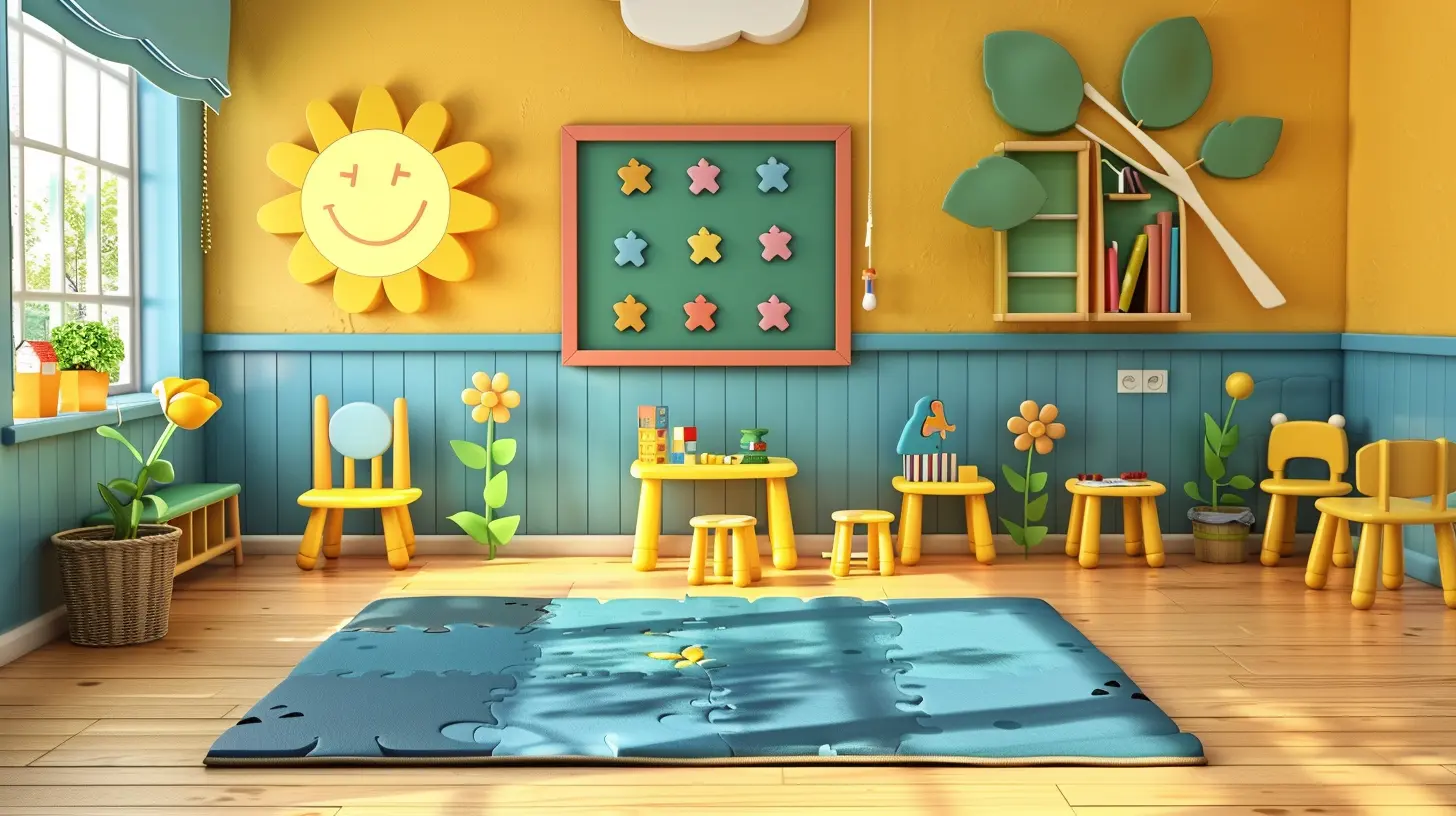
? Why Is a Print-Rich Environment Important?
Still not convinced? Let me hit you with the facts:- Boosts Early Reading Skills – The more words your child sees, the easier it is for them to recognize patterns, letters, and sounds.
- Encourages Independent Learning – Kids who grow up surrounded by words feel more confident exploring books and trying out new vocabulary.
- Enhances Communication – When kids constantly interact with written language, they naturally develop better speaking and writing skills.
- Supports School Readiness – Teachers love kids who come prepared, and trust me, a child who’s been exposed to print at home has a head start.
Basically, a print-rich environment is like the secret sauce to raising a book-loving, word-savvy little human. 
? How to Create a Print-Rich Environment at Home
Now that we're all on the same page (pun totally intended), let's talk about ways to sneak words into every corner of your home—without making it feel like homework.1. Fill Your Home with Books (Duh!)
This may seem obvious, but I’m not just talking about stuffing books on a shelf and calling it a day. Make books a part of everyday life. Keep them in places where your child naturally spends time—their bedroom, the living room, even the bathroom (yes, really).If your child sees books often, they’re more likely to pick one up. Bonus points if you leave books open on a favorite page—it’s like setting a little reading trap!
Pro Tip: Keep a basket of books in the car. Long drives? Instant storytime.
2. Label EVERYTHING
Okay, I’m not saying turn your home into a museum, but adding simple labels around the house is a game-changer. Write “Door,” “Table,” “Chair,” “Window” on sticky notes and place them on their respective objects. It gives kids visual word recognition without even realizing they’re learning.Make it even more fun—turn labeling into a game! Ask, "Can you find the word ‘door’ in the house?" Watch their little minds light up with excitement.
Bonus Tip: Use pictures alongside words for extra reinforcement, especially for younger kids.
3. Create a Word Wall
No, you don’t need an entire Pinterest-worthy setup. A simple bulletin board or even a fridge door will do! Add new words regularly—sight words, fun vocabulary, or even their name in big, colorful letters.The more frequently they see certain words, the faster they’ll start recognizing them. Plus, switching up words keeps it fresh and exciting.
4. Make Writing Materials Easily Accessible
If you want your child to write, make it ridiculously easy for them. Keep pens, markers, sticky notes, and notebooks within reach. Let them “write” their thoughts, make lists, or doodle. It’s all part of the process!Fun Idea: Get a chalkboard or a whiteboard wall where they can scribble away. Who said writing has to be on paper?
5. Incorporate Print into Daily Routines
Reading and writing shouldn’t feel like some big, scheduled event. Instead, fit print into your regular routine:- During meals: Read the cereal box or the menu together.
- At the store: Have them read shopping lists or signs.
- In the car: Point out street signs, license plates, or billboards.
The point is, make words a normal part of life instead of something that only happens at school.
6. Encourage Storytelling
Reading is great, but let’s not forget about storytelling! Get your child to make up their own stories—even if they can’t write yet, they can tell you their tale while you jot it down.Take it a step further: Turn their stories into homemade books. Staple some paper together, let them add drawings, and boom—your little one is now an author!
7. Use Technology Wisely
I get it—screens are everywhere. Instead of banning them, use them to your advantage. Educational apps, audiobooks, and interactive e-books can supplement traditional reading in a fun way.Just make sure screen time doesn’t replace actual book time. Balance is key!
8. Make Reading a Family Affair
Kids mimic what they see. If they catch you scrolling on your phone nonstop, guess what they’ll want to do? But if they see you reading regularly, they’ll naturally be drawn to books too.Set aside a few minutes of “family reading time” every day. Even if it’s just 10 minutes before bed, it makes a HUGE difference in developing a habit of reading. 
? Final Thoughts
Creating a print-rich environment at home isn’t about forcing your kid to read 24/7. It’s about making words so accessible, fun, and natural that they can't help but want to read and write.So, start small! Add a few books, label some things, mix words into your daily routine, and watch the magic happen. Before you know it, your little one will be reading street signs, pointing out words on food packages, and maybe even writing their own stories.
And hey, if nothing else, at least you’ll never have to spell out words in secret again—because they’ll catch on to you fast!
all images in this post were generated using AI tools
Category:
Early LiteracyAuthor:

Charlotte Rogers
Discussion
rate this article
3 comments
Rusty McPhail
Creating a print-rich environment at home is essential for fostering literacy. Incorporate books, labels, and educational materials throughout your space. Engage your children with reading and writing to spark their interest in learning.
July 10, 2026 at 11:30 AM
Charlotte Rogers
Thank you for highlighting the importance of a print-rich environment! Engaging children with various reading materials truly enhances their literacy development and fosters a love for learning.
Andrea Griffin
Creating a print-rich environment at home fosters literacy development. Incorporate diverse reading materials, label household items, and encourage storytelling to engage children and enhance their vocabulary and comprehension skills.
July 6, 2026 at 4:11 AM
Charlotte Rogers
Thank you for your insightful comment! Incorporating diverse reading materials and labeling items are excellent strategies to support children's literacy development at home.
Sophie Cummings
Transform your home into a literary wonderland! 📚✨ With colorful print materials everywhere, you’ll have a cozy nook for reading, learning, and maybe a little adventurous daydreaming! Happy printing!
July 5, 2026 at 4:16 AM
Charlotte Rogers
Thank you for your enthusiasm! A print-rich environment truly sparks imagination and inspires creativity—happy reading and dreaming! 📚✨