Math Puzzles and Games to Make Problem-Solving Fun
15 January 2025
When most people hear the word “math,” they think of endless equations, intimidating formulas, and the dreaded word problems. It’s no wonder math gets a bad reputation. But what if I told you math could be fun? Yes, you read that right – fun! Math puzzles and games have the power to transform the way we view problem-solving. Instead of seeing math as a chore, we can approach it as an entertaining and rewarding challenge.
Whether you're a parent looking to help your child improve their problem-solving skills or a teacher seeking engaging activities for your students, math puzzles and games are a fantastic way to make learning math enjoyable. In this article, we’ll dive deep into why math puzzles and games work, explore different types of puzzles, and show you how to incorporate them into your daily routine.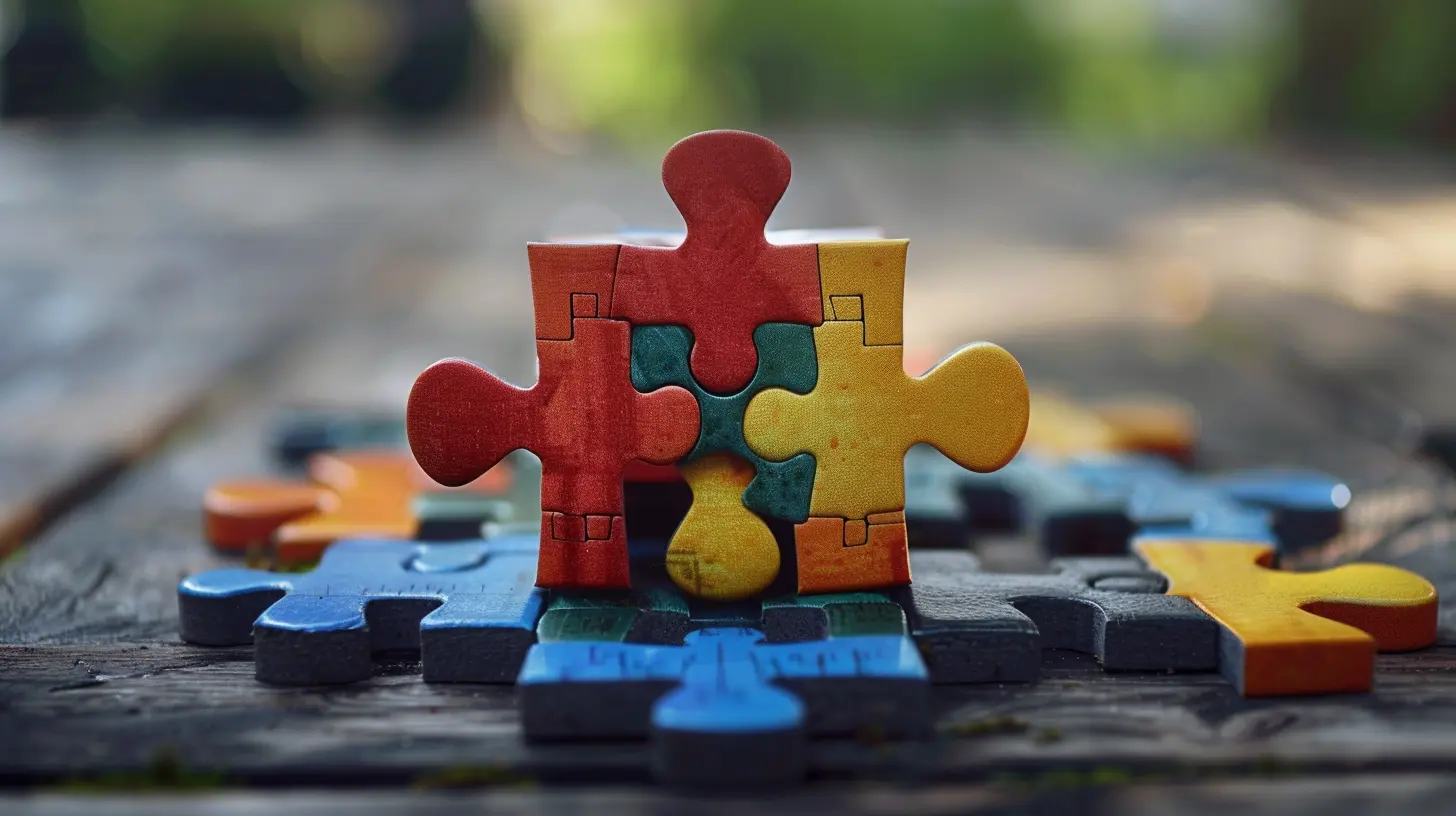
Why Math Puzzles and Games Work
Let’s start by addressing the elephant in the room: Why use puzzles and games for math learning? Why not stick to traditional textbooks and worksheets?1. Engagement and Motivation
Traditional math exercises can feel repetitive and uninspiring. However, puzzles and games tap into something deeper – they stimulate curiosity and problem-solving instincts. When faced with a tricky puzzle or engaging game, our brains want to solve it. This creates a sense of excitement and a challenge, making learning far more engaging.2. Real-World Problem-Solving Skills
Math puzzles are not just about numbers; they foster critical thinking, logic, and reasoning. Whether it’s Sudoku, logic grids, or brain teasers, these games mirror real-world problem-solving. They require us to think outside the box, analyze patterns, and come up with creative solutions – skills that are essential in everyday life.3. Improving Math Fluency
Many math games focus on enhancing number sense and fluency. When students practice math through games, they get more comfortable with the numbers and operations they encounter. This helps build confidence and reduces math anxiety because the process becomes second nature rather than something to fear.4. Building Perseverance
Puzzles, by nature, are not always easy. They can be frustrating, but that’s the point! They teach perseverance and resilience. When learners are encouraged to stick with a difficult puzzle instead of giving up, they develop a growth mindset – the belief that challenges can be overcome with effort and persistence.
Types of Math Puzzles and Games
Now that we know why math puzzles and games are beneficial, let’s explore some of the most popular (and fun!) types of puzzles you can incorporate into your learning experience.1. Logic Puzzles
Logic puzzles challenge the brain to think critically and carefully. These puzzles often don’t require advanced math skills but instead focus on reasoning and deduction.A classic example is the "Einstein Riddle," where you’re given a set of clues and need to determine specific attributes of different characters. Logic puzzles help sharpen your reasoning skills, which is essential for tackling complex math problems.
Try this simple example:
You have three boxes. One contains apples, one contains oranges, and one contains both. The boxes are labeled incorrectly. If you can only take one fruit from one box, how can you label all the boxes correctly?
2. Sudoku
Sudoku is one of the most popular math puzzles out there. While it may seem like a simple grid of numbers, it’s actually a powerful tool for developing critical thinking skills. The goal is to fill a 9x9 grid so that each row, column, and 3x3 section contains the numbers 1-9 without repeating.What makes Sudoku so fascinating is that it’s a puzzle of pure logic. No arithmetic is required – just sharp, analytical thinking. It’s a fantastic way to improve pattern recognition and attention to detail.
3. Math Riddles
Who doesn’t love a good riddle? Math riddles are fun, quirky, and often require thinking outside the box. They combine humor with problem-solving and are ideal for engaging learners who might not be as fond of traditional math exercises.Here’s a classic:
I am an odd number. Take away one letter, and I become even. What number am I?
Answer: Seven (Take away the "s" to get "even").
4. Tangrams
Tangrams are ancient Chinese puzzles that involve seven geometric shapes – five triangles, a square, and a parallelogram. The challenge is to arrange these shapes to form a specific figure, such as an animal, house, or human figure.Tangrams are excellent for developing spatial reasoning and geometry skills. Plus, they’re fun for all ages! You can even get crafty and cut out your own tangram set from paper or cardboard.
5. Math Card Games
Who says math can’t be social? Math card games are perfect for group play and can be a great way to sneak in math practice without making it feel like work.For example, the game “24” challenges players to use four numbers and basic arithmetic operations (addition, subtraction, multiplication, division) to get the number 24. It’s a fast-paced way to develop mental math skills.
Another classic is Math War, where players compare cards to see who has the highest value, reinforcing basic addition and subtraction skills.
Incorporating Math Puzzles and Games into Learning
So, how can you bring these puzzles and games into your learning environment? Whether you’re a parent or teacher, here are practical tips for making math fun and interactive.1. Daily Puzzle Challenges
Start each day with a math puzzle! Whether it’s a riddle, logic puzzle, or Sudoku, presenting a daily challenge encourages regular engagement with math in a low-pressure environment. It becomes a fun routine that learners can look forward to.2. Turn Homework into Games
Instead of traditional worksheets, why not turn math homework into a game? For example, use dice to practice multiplication tables, or create a math scavenger hunt where students need to solve equations to find clues. Gamifying homework can make it feel less like a chore and more like an adventure.3. Use Apps and Online Games
There are tons of fantastic websites and apps that offer free math puzzles and games. Some popular options include:- Prodigy – A math-based RPG (role-playing game) where students battle monsters by solving math problems.
- Math Playground – Offers a wide variety of puzzles, problem-solving games, and logic challenges.
- Kahoot! – Create your own interactive math quizzes and compete with friends or classmates.
These platforms provide instant feedback, which can be motivating for learners.
4. Create a Math Puzzle Corner
Designate a space in your home or classroom dedicated to math puzzles and games. Fill it with tangrams, puzzle books, flashcards, and brain teasers. It’s a great way to encourage independent learning and exploration. Plus, it gives learners a chance to take a break from traditional lessons while still engaging with math.5. Math Game Night
Why not make math a family affair? Host a math game night where everyone competes in math-related games like Math Bingo, Mathopoly (a math-focused twist on Monopoly), or even a friendly round of Sudoku. It’s a wonderful way to bond as a family while promoting mathematical thinking.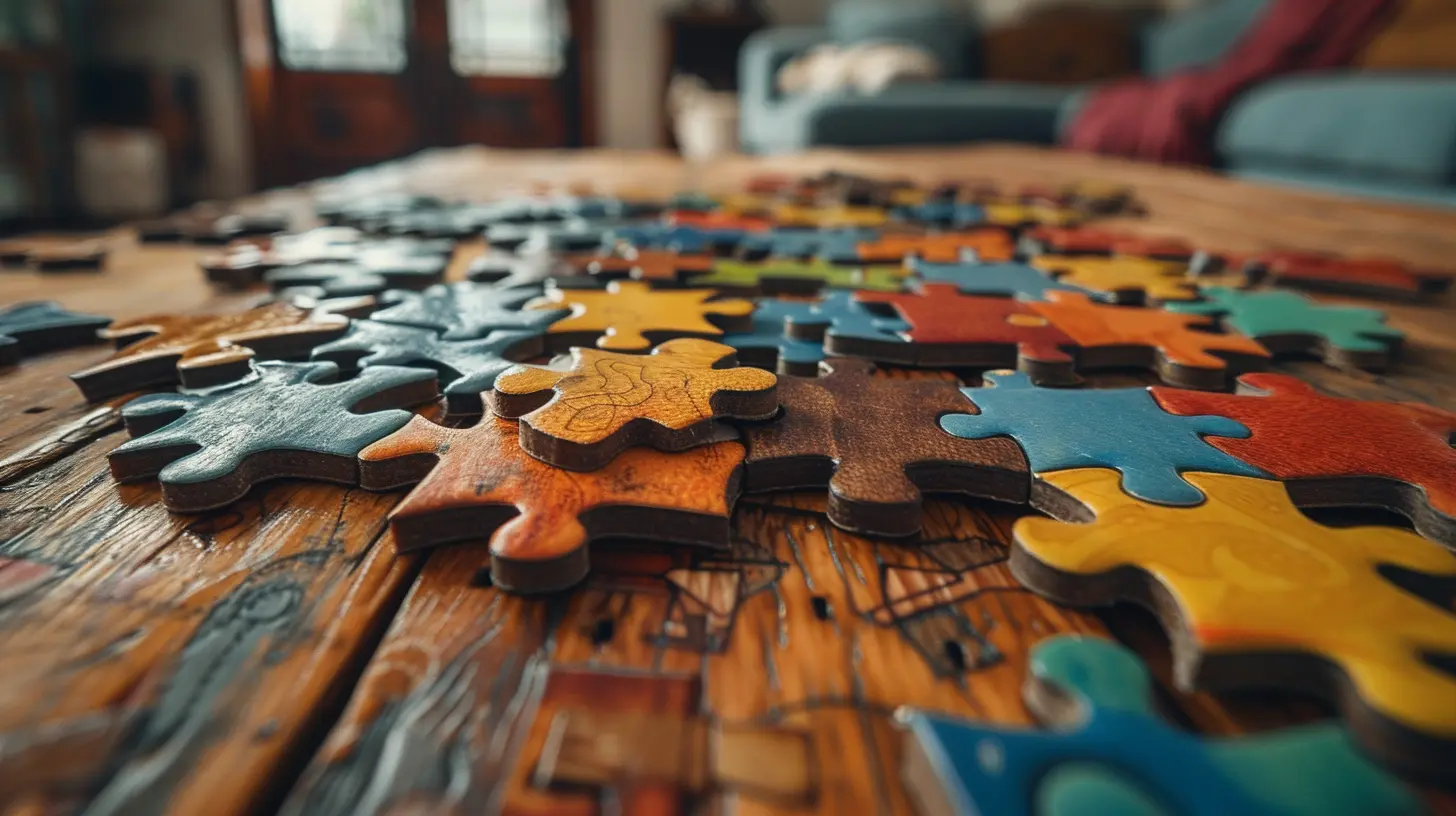
Math Puzzles for All Ages
One of the best things about math puzzles is that they’re incredibly versatile. They can be adapted for any age group or ability level, making them accessible to everyone from preschoolers to adults.- For Young Kids: Simple puzzles like shape sorting, counting games, or basic addition and subtraction games.
- For Older Kids and Teens: Sudoku, algebra-based puzzles, and math riddles.
- For Adults: More complex logic puzzles, brain teasers, and strategy games like chess (which has a surprising amount of mathematical thinking involved!).
Conclusion
Math doesn’t have to be something we dread. By incorporating puzzles and games, we can turn problem-solving into an exciting and enjoyable experience. Math puzzles not only sharpen our minds but also help us develop essential life skills like perseverance, logical thinking, and creativity.So, the next time you’re faced with a tricky math problem, why not approach it like a puzzle? You might just find that problem-solving is more fun than you think.
all images in this post were generated using AI tools
Category:
Classroom ActivitiesAuthor:

Charlotte Rogers
Discussion
rate this article
18 comments
Ronan McWain
Who knew math could be as thrilling as a roller coaster ride? With these puzzles and games, solving problems becomes a playful adventure! Get ready to crunch numbers and exercise those brain cells—who says math can't be both fun and fabulously brainy? Let the games begin!
February 8, 2025 at 10:01 PM
Charlotte Rogers
Thank you! I'm glad you find math puzzles exciting! They truly are a great way to make problem-solving enjoyable and engaging. Let the fun begin!
Juliet McInerney
This article brilliantly highlights how math puzzles and games can transform problem-solving into an engaging experience. By integrating fun elements, educators can foster critical thinking and enhance students' mathematical skills. These creative approaches not only stimulate interest but also strengthen foundational concepts. A must-read for educators!
February 4, 2025 at 4:06 AM
Charlotte Rogers
Thank you for your thoughtful comment! I'm glad you enjoyed the article and see the value of using math puzzles and games to enhance learning.
Jace White
This article brilliantly highlights how math puzzles and games can transform problem-solving into an engaging experience. By incorporating interactive activities, educators can enhance students’ critical thinking and creativity, fostering a love for mathematics that extends beyond the classroom. Great insights!
January 31, 2025 at 4:34 AM
Charlotte Rogers
Thank you! I'm glad you found the insights valuable. Engaging activities can truly spark a love for mathematics in students!
Onyx McWilliams
What a fantastic way to engage learners! Math puzzles and games can transform problem-solving from a daunting task into an exciting adventure. I’m eager to explore how these activities can spark creativity and critical thinking in students—can’t wait to try some of these ideas!
January 29, 2025 at 6:09 AM
Charlotte Rogers
Thank you! I’m glad you’re excited to explore these ideas—math can truly be an adventure!
Pearl Meyers
This article brilliantly highlights how engaging math puzzles and games can transform problem-solving into an enjoyable and interactive experience for students!
January 23, 2025 at 9:40 PM
Charlotte Rogers
Thank you for your kind words! I'm glad you found the article insightful. Engaging with math through puzzles and games can truly make learning enjoyable!
Eliana Duke
Math puzzles and games transform learning into an enjoyable challenge—great for all ages!
January 22, 2025 at 4:23 AM
Charlotte Rogers
Thank you! I completely agree—math puzzles and games make learning engaging and accessible for everyone!
Candace Cole
What a fantastic article! Incorporating math puzzles and games into learning makes problem-solving so much more enjoyable for students. It’s a great way to foster a love for math while enhancing critical thinking skills. Can’t wait to try some of these ideas!
January 21, 2025 at 4:22 AM
Charlotte Rogers
Thank you for your kind words! I'm glad you found the article inspiring and can’t wait for you to try the ideas!
Zealot Nguyen
Engaging activities enhance math skills and enjoyment!
January 20, 2025 at 8:21 PM
Charlotte Rogers
Absolutely! Engaging activities not only boost math skills but also make learning enjoyable. I'm glad you agree!
Raleigh Ross
Engaging way to learn!
January 20, 2025 at 1:51 PM
Charlotte Rogers
Thank you! I'm glad you found it engaging!
Khloe McConkey
Engaging with math puzzles transcends mere calculations, fostering critical thinking and creativity. By intertwining play with problem-solving, we not only enhance mathematical understanding but also cultivate resilience and adaptability—essential skills for navigating an increasingly complex world. Learning becomes a joyful exploration.
January 19, 2025 at 7:41 PM
Charlotte Rogers
Absolutely! Math puzzles not only boost problem-solving skills but also make learning enjoyable and foster essential life skills like creativity and resilience.
Felicity Sanders
Engaging with math puzzles and games fosters critical thinking and enhances problem-solving skills, making learning both enjoyable and effective for students.
January 19, 2025 at 11:59 AM
Charlotte Rogers
Absolutely! Math puzzles and games not only make learning enjoyable, but they also deepen critical thinking and problem-solving skills in students.
Lysara Carr
Who knew math could be this much fun? If only my teachers had swapped out textbooks for puzzles—maybe then I'd have traded my calculator for a party hat!
January 18, 2025 at 7:29 PM
Charlotte Rogers
I'm glad you found it fun! Turning math into games and puzzles can definitely spark a love for learning—who knows what could happen with a little creativity!
Valentina McKibben
This article highlights a fantastic approach to learning! Math puzzles and games not only engage students but also foster critical thinking and teamwork in a playful way.
January 18, 2025 at 12:17 PM
Charlotte Rogers
Thank you for your positive feedback! I'm glad you appreciate the approach of using puzzles and games to enhance learning and collaboration in math.
Lorna Lawson
Who knew math could be this fun? Finally, a way to solve problems without losing my mind!
January 17, 2025 at 9:31 PM
Charlotte Rogers
I'm glad to hear you're enjoying it! Math can be a blast when you approach it as a game. Happy puzzling!
Isabelle Wilkins
This article beautifully highlights the joy of learning through play. I appreciate how it encourages creativity in math problem-solving. These puzzles and games could truly spark a love for math in students of all ages!
January 17, 2025 at 5:01 AM
Charlotte Rogers
Thank you! I'm glad you enjoyed the article and see the value in using play to inspire creativity and a love for math.
Kaleb Ward
Math puzzles and games are essential tools for enhancing problem-solving skills. They engage students' creativity, boost critical thinking, and make learning enjoyable. Incorporating these activities into education is a powerful way to inspire future mathematicians.
January 16, 2025 at 12:19 PM
Charlotte Rogers
Absolutely! Math puzzles and games not only make learning enjoyable but also foster essential skills like creativity and critical thinking, paving the way for future mathematicians.
Georgia Hubbard
I love the idea of using games to enhance problem-solving skills! It's fascinating how engaging activities can transform math into an enjoyable and dynamic learning experience.
January 15, 2025 at 8:03 PM
Charlotte Rogers
Thank you! I’m glad you find it exciting—games truly do make learning math both fun and effective!
Samuel Chavez
Math games make learning fun—let the problem-solving begin!
January 15, 2025 at 1:54 PM
Charlotte Rogers
Absolutely! Math games not only engage students but also enhance their problem-solving skills in an enjoyable way. Let’s dive into the fun!
MORE POSTS

Scaffolding for Success: Helping Students Achieve Mastery

How to Introduce Mindfulness to Parents and Caregivers

The Role of Mentorship in Adult Learning
Building Strong Foundations: The Role of Early Literacy
Scavenger Hunt Ideas to Reinforce Learning Objectives

How to Analyze Your Practice Test Results for Maximum Improvement

Designing Assessments for Critical and Creative Thinking

The Evolution of Coding Education: From Scratch to Python and Beyond

Exploring Career Advancement Through Further Education

Creating a Study Routine That Works for Adult Learners

The Science Behind Effective Classroom Assessments