Mindfulness Apps and Tools for Educators and Students
30 March 2026
In today’s fast-paced digital world, it’s no surprise that stress and anxiety are becoming common companions, especially in educational settings. Whether you're a teacher trying to juggle lesson plans and grading or a student overwhelmed by assignments and exams, it’s crucial to take a step back and breathe. Enter mindfulness—an ancient practice that has found its way into the modern classroom, often with the help of apps and tools designed to make it easier than ever to tap into a sense of calm and focus.
But what exactly are these mindfulness apps, and how can they benefit both educators and students? Let’s break it down.
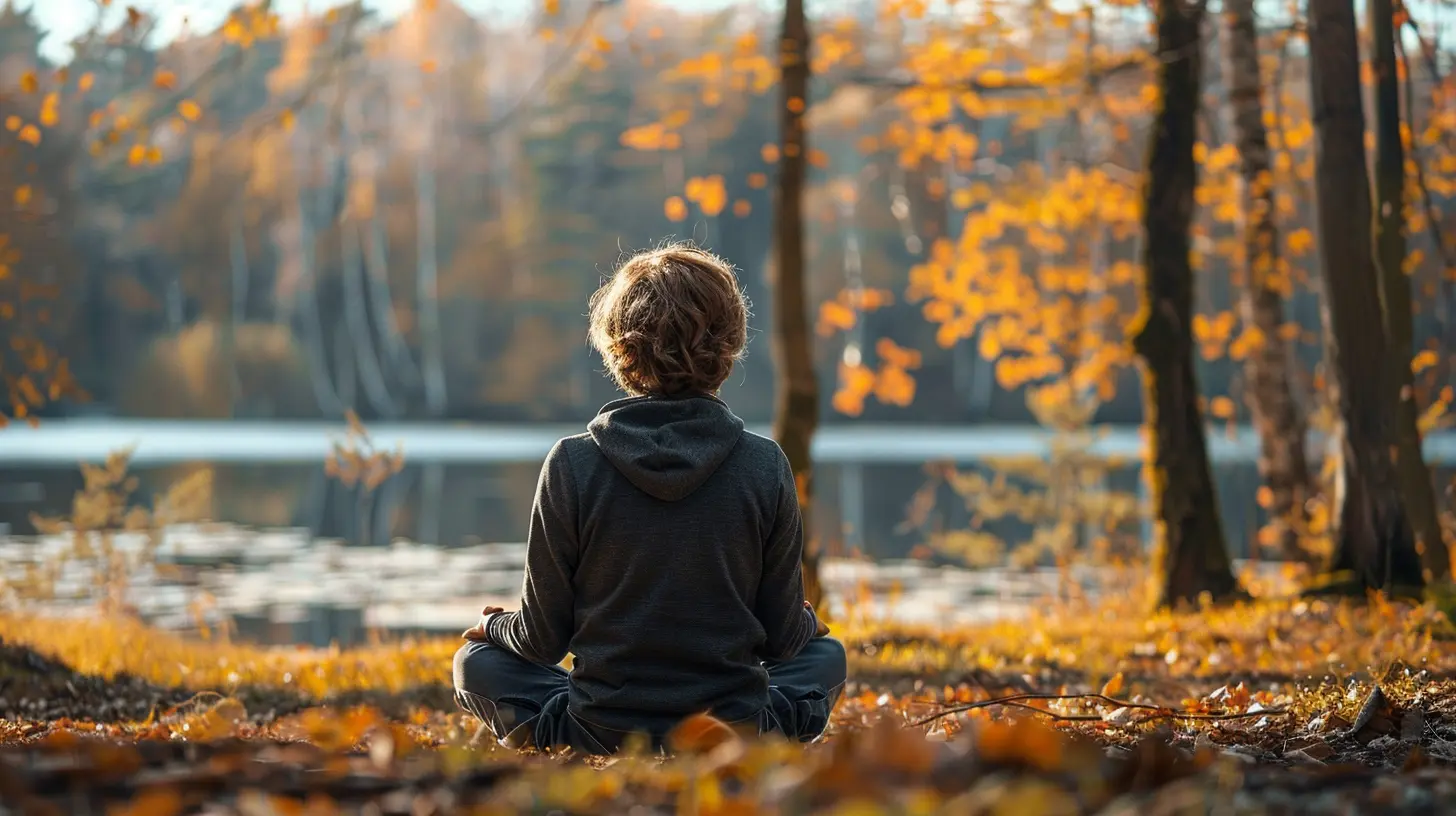
What is Mindfulness?
Before diving into the tools, let’s take a moment to define mindfulness. Simply put, mindfulness is the practice of staying present in the moment. It’s about paying attention to what you’re doing right now, without letting your mind wander to the past or the future. Sounds simple, right? Well, not exactly. In practice, it can be quite challenging, especially when you’ve got a million things on your mind.But here’s the good news: mindfulness isn’t something you need to be perfect at. It's a skill you can build, and the more you practice, the better you get at it. And this is where mindfulness apps come into play. They offer guided sessions, reminders, and tools to help you stay grounded, even in the busiest of times.

Why Mindfulness Matters in Education
You might be wondering, “Why should educators and students care about mindfulness?” Well, for starters, studies show that practicing mindfulness can reduce stress, improve focus, and enhance emotional resilience. For educators, this means less burnout and more patience when navigating the challenges of the classroom. For students, it means better concentration, improved academic performance, and a healthier way to cope with stress.In a world where distractions are everywhere, mindfulness offers a way to regain control, stay focused, and cultivate a sense of inner peace. It’s not just about feeling good—it’s about building mental strength that can carry you through tough times.
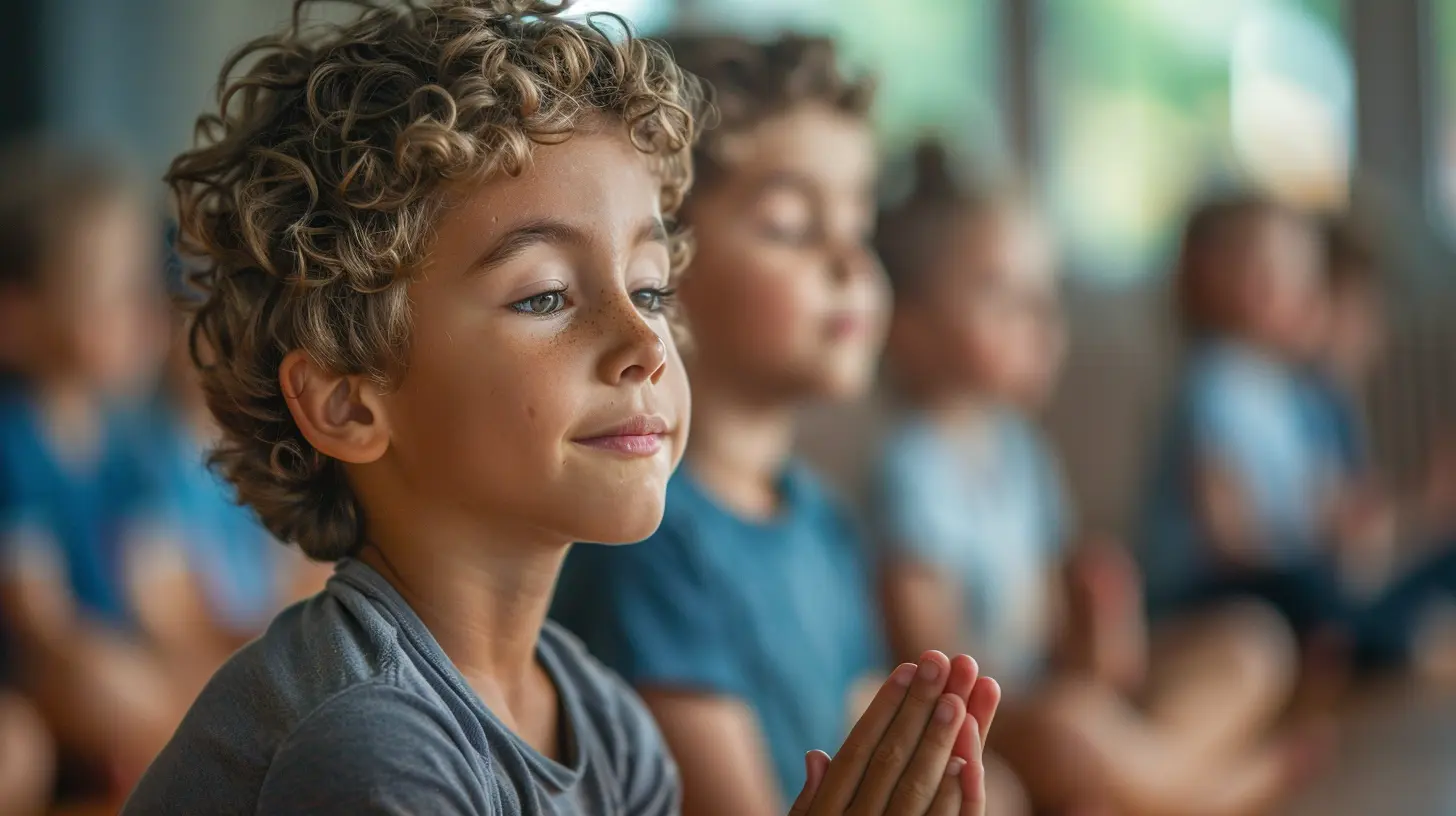
The Benefits of Mindfulness for Educators
Let’s be real: teaching is stressful. Between managing a classroom, meeting curriculum standards, and attending countless meetings, educators often find themselves pulled in a hundred different directions. Mindfulness offers an antidote to the chaos by helping teachers stay grounded, even when things get hectic.Here are some key benefits mindfulness brings to educators:
1. Reduced Stress and Burnout
Teachers are no strangers to burnout. Constant demands, both emotional and professional, can take a toll. Mindfulness helps educators manage stress by teaching them how to stay present, even in challenging situations. Instead of getting overwhelmed by a mountain of tasks, they learn to focus on one thing at a time.2. Improved Classroom Management
When teachers practice mindfulness, they’re better equipped to handle the ups and downs of daily classroom life. Mindful educators are more patient, responsive, and less reactive, which can lead to a more positive learning environment for students.3. Enhanced Emotional Intelligence
Mindfulness fosters self-awareness, which helps educators recognize their own emotions and respond to them in a healthy way. This emotional intelligence can then be passed on to students, creating a more compassionate and understanding classroom culture.4. Better Work-Life Balance
One of the biggest challenges for educators is separating work from personal life. Mindfulness helps teachers establish boundaries and practice self-care, which is essential for maintaining a healthy work-life balance.
The Benefits of Mindfulness for Students
Students face their own set of challenges—whether it’s dealing with peer pressure, preparing for exams, or simply trying to keep up with the demands of school life. Mindfulness can help students navigate these challenges with more ease and resilience.Here’s how mindfulness benefits students:
1. Improved Focus and Concentration
In a world full of distractions (hello, smartphones!), staying focused can be tough. Mindfulness teaches students how to concentrate on the task at hand, whether it’s listening to a lecture, working on a project, or studying for an exam. This improved focus can translate into better academic performance.2. Reduced Anxiety and Stress
School can be stressful, no doubt about it. Mindfulness provides students with the tools to manage their anxiety by teaching them techniques like deep breathing and body scanning, helping them stay calm during high-pressure situations like exams or presentations.3. Enhanced Emotional Regulation
Let’s face it: emotions can run high during the school years. Mindfulness helps students develop emotional regulation skills, allowing them to respond to situations thoughtfully rather than react impulsively. This can lead to better peer relationships and a more positive school experience overall.4. Boosted Creativity and Problem-Solving
Mindfulness encourages thinking outside the box by allowing students to approach problems with a clear, open mind. When students aren’t bogged down by stress, they’re more likely to think creatively and come up with innovative solutions.Best Mindfulness Apps for Educators and Students
Now that we’ve covered the "why," let’s talk about the "how." There are a ton of mindfulness apps and tools out there, but which ones are best suited for educators and students? Below are some of the top apps that can make practicing mindfulness easier and more accessible.1. Headspace
Headspace is one of the most popular mindfulness apps out there, and for good reason. It offers guided meditation sessions that range from just a few minutes to longer, more in-depth practices. The app also has specific content for students and educators, making it easy to find sessions that fit your needs. Whether you’re looking to de-stress after a long day or build a daily mindfulness routine, Headspace has something for everyone.Key Features:
- Guided meditations- Sessions tailored for educators and students
- Sleep aids and calming sounds
- Short “bite-sized” mindfulness exercises
2. Calm
Another well-known app, Calm offers a variety of mindfulness resources, including guided meditations, sleep stories, and breathing exercises. It’s a great option for both educators and students who want to integrate mindfulness into their daily lives. The app also includes programs specifically designed to help with anxiety and focus, making it an excellent tool for managing school-related stress.Key Features:
- Meditations for stress, sleep, and focus- Breathing exercises
- Sleep stories and relaxing music
- Daily mindfulness reminders
3. Insight Timer
If you’re looking for variety, Insight Timer is the app for you. With a vast library of free meditations, it’s a fantastic option for both educators and students who want to explore different mindfulness techniques. The app also features a timer function, allowing users to meditate on their own or with guidance.Key Features:
- Over 100,000 free guided meditations- Timer for self-guided meditation
- Courses on mindfulness, stress, and emotional well-being
- Ability to create a personalized meditation playlist
4. Stop, Breathe & Think
This app is specifically designed to help users manage their emotions through mindfulness. It starts by asking how you're feeling and then recommends mindfulness exercises based on your emotional state. It’s perfect for students who might need quick relief from stress or anxiety, as well as educators looking for a tool to help them stay calm throughout the day.Key Features:
- Emotion check-in prompts- Tailored mindfulness practices
- Breathing exercises
- Short meditations for quick relief
5. Smiling Mind
Developed by psychologists and educators, Smiling Mind is a free mindfulness app that’s particularly suited for younger students and educators working with children. It offers programs that can be integrated into the classroom, making it easy for teachers to introduce mindfulness practices to their students.Key Features:
- Programs designed for different age groups- Classroom integration tools
- Guided mindfulness exercises
- Free for both educators and students
Mindfulness Tools Beyond Apps
While apps are a great way to practice mindfulness, they’re not the only option. There are plenty of other tools you can use to build mindfulness into your day-to-day routine.1. Mindful Journaling
Writing can be a powerful mindfulness tool. Encouraging students to keep a "mindful journal" where they write about their thoughts and feelings can help them process emotions and stay present. Teachers can also benefit from journaling by reflecting on their day and identifying areas where they can improve their mindfulness practice.2. Breathing Exercises
Sometimes, all it takes to reset is a few deep breaths. Simple breathing exercises—like the 4-7-8 method—can help both students and educators calm their nervous systems and refocus. You don’t need an app for this; just a quiet space and a few minutes will do the trick.3. Yoga and Movement
Mindfulness isn’t just about sitting still. Incorporating mindful movement, like yoga, into the classroom or your personal routine can be a great way to stay grounded. Even simple stretches can help increase mindfulness and reduce tension in the body.How to Incorporate Mindfulness into the Classroom
So, how can you bring mindfulness into the classroom or your study routine? Here are a few tips:1. Start Small: You don’t need to meditate for 30 minutes to feel the benefits of mindfulness. Even just a few minutes a day can make a difference.
2. Use Guided Sessions: If you’re new to mindfulness, using a guided session from an app like Headspace or Calm can be a great way to get started.
3. Incorporate Breathing Exercises: Teaching students simple breathing techniques can help them calm down before exams or presentations.
4. Create a Mindfulness Routine: Whether it’s a morning meditation or a quick body scan before bed, building mindfulness into your daily routine can help you stay consistent.
Conclusion
Mindfulness is more than just a trend—it’s a powerful tool that can benefit both educators and students in countless ways. Whether you’re looking to reduce stress, improve focus, or simply create a more positive learning environment, incorporating mindfulness into your daily routine can make a world of difference. And with the help of apps like Headspace, Calm, and Insight Timer, practicing mindfulness has never been easier.So, why not give it a try? Take a deep breath, download an app, and start your mindfulness journey today.
all images in this post were generated using AI tools
Category:
Mindfulness In EducationAuthor:

Charlotte Rogers
Discussion
rate this article
4 comments
Owyn Duke
Mindfulness apps enhance focus and well-being for educators and students alike.
June 25, 2026 at 2:51 AM
Aleta McCall
Mindfulness apps and tools can significantly enhance both educators' and students' well-being by fostering a culture of self-awareness and emotional regulation. By integrating these resources into daily routines, schools can cultivate a supportive environment that promotes focus, resilience, and overall mental health, benefiting the entire educational community.
April 29, 2026 at 4:06 AM
Charlotte Rogers
Thank you for your insightful comment! I completely agree that mindfulness apps can play a crucial role in enhancing well-being and fostering a supportive educational environment.
Graham McAndrews
Essential resources for enhancing focus and well-being.
April 13, 2026 at 3:46 AM
Charlotte Rogers
Thank you for your comment! Mindfulness apps can indeed be valuable resources for improving focus and overall well-being in both educators and students.
Lola Sanchez
Great insights! Mindfulness tools can truly enhance focus and well-being for both educators and students. Thank you for sharing these valuable resources!
April 11, 2026 at 3:31 AM
Charlotte Rogers
Thank you for your kind words! I'm glad you found the resources helpful for enhancing focus and well-being.