Montessori and Art: Nurturing Creativity Through Free Exploration
20 August 2026
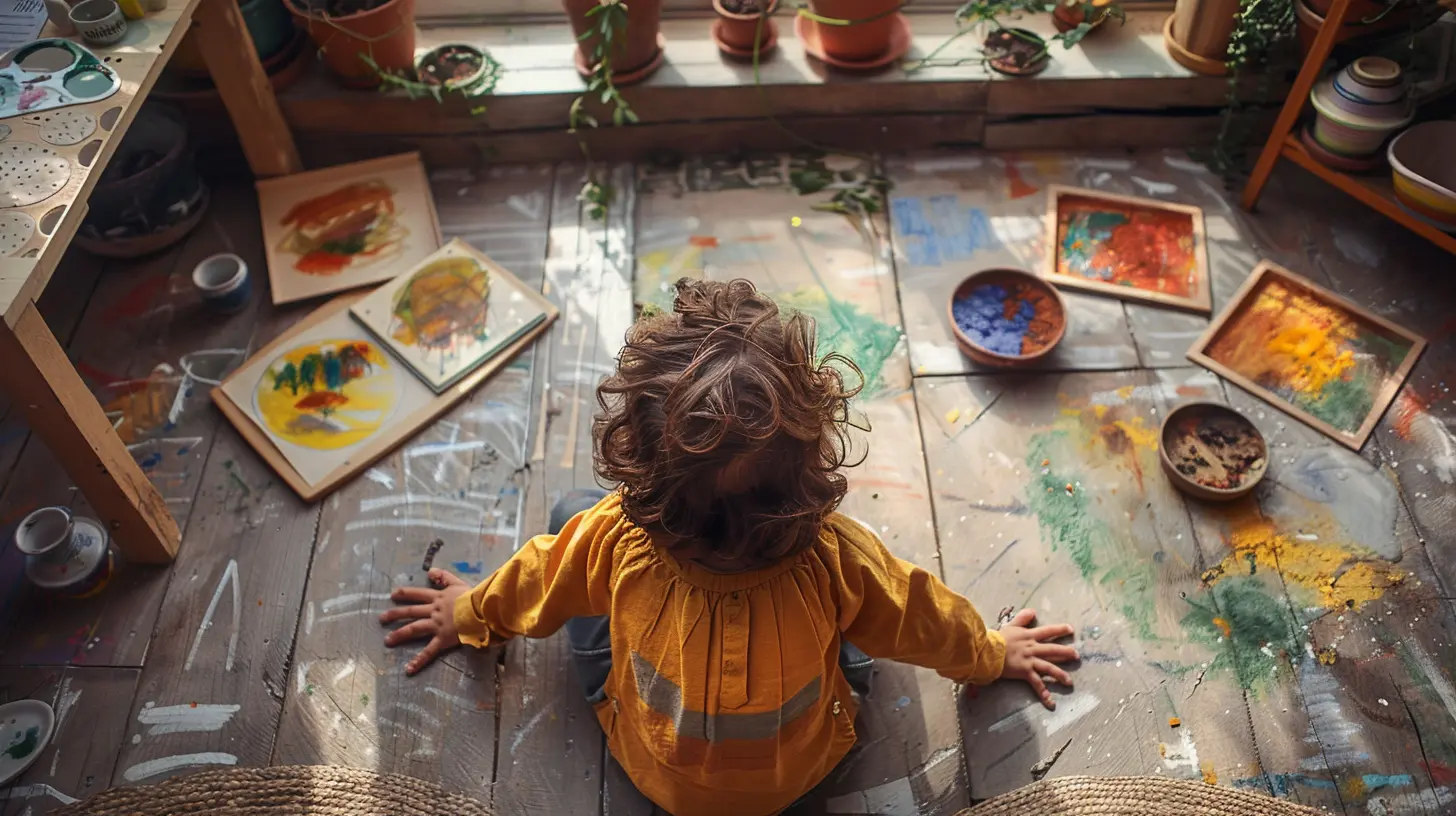
Ever watched a child completely lost in drawing spirals in the sand or mixing paint colors just to see what happens? There’s this kind of spellbinding magic about kids and creativity. It’s raw, curious, and untamed. And that’s exactly where Montessori and art meet—at the intersection of freedom, exploration, and self-expression.
In this post, we’re diving deep into how the Montessori method fuels creativity through art, not by teaching kids how to draw a perfect circle, but by handing them the tools and letting their imaginations run wild. Intrigued? You should be.
The Montessori Philosophy: A Quick Refresher
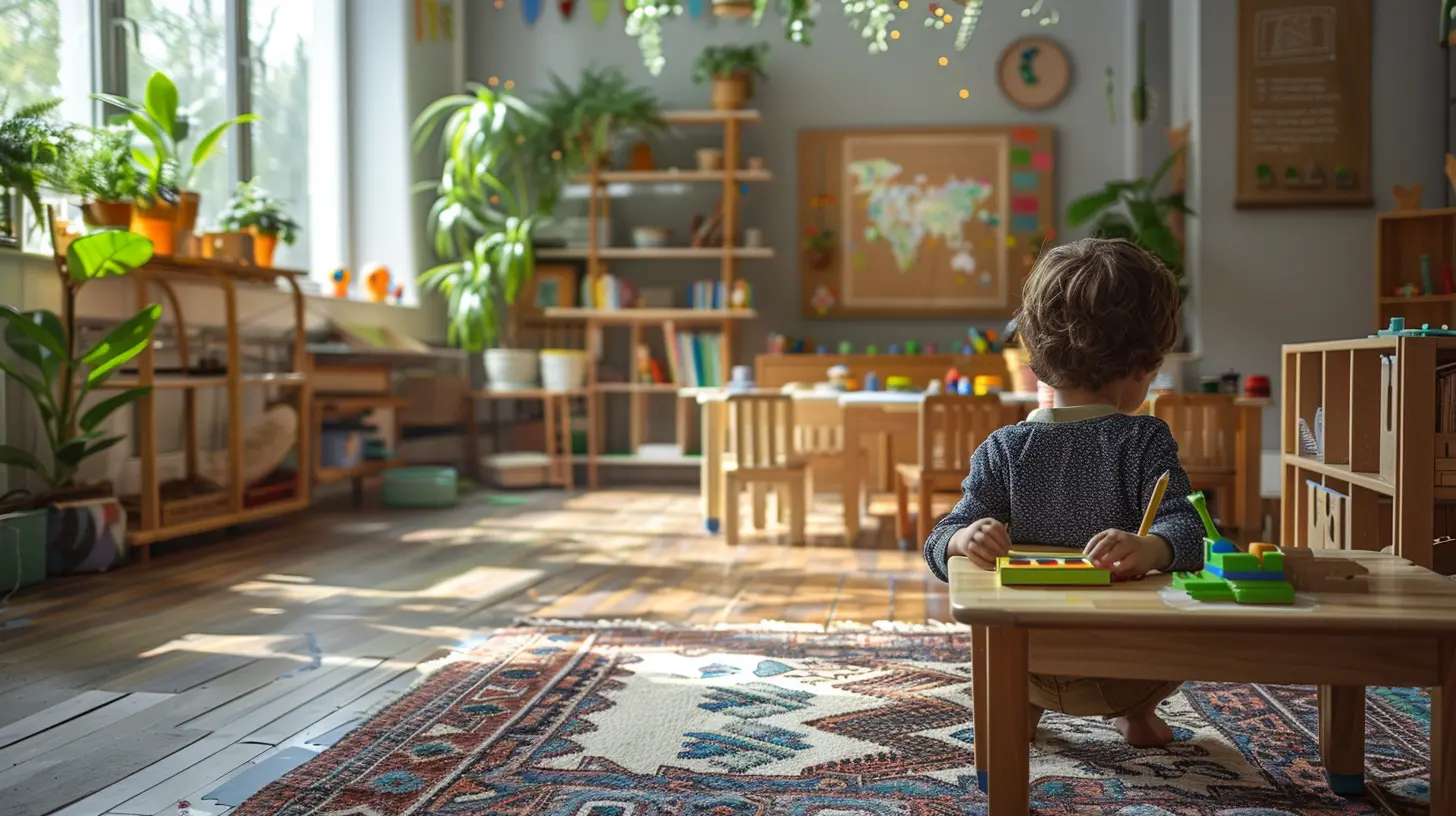
Okay, let’s back up for a second.Montessori education, developed by Dr. Maria Montessori in the early 1900s, is all about child-led learning. Kids aren’t passive recipients of information—they’re active participants in their own development. Montessori classrooms are designed to promote independence, hands-on learning, and respect for a child’s natural psychological development.
Pretty cool, right?
And here’s the twist that makes it even more fascinating: Montessori doesn’t treat art like a subject to be “taught.” Instead, it sees creativity as a natural human trait that just needs a little space—and maybe some colored pencils—to bloom.
Why Is Art So Essential in Montessori?
Let’s face it—children are like little scientists. They're constantly experimenting, observing, and creating.Art gives them a way to do all of that, just with a lot more glitter.
Here’s why art plays such a powerful role in Montessori education:
1. Freedom of Expression
Montessori encourages freedom within limits. When it comes to art, that means kids have the freedom to choose what medium to use, what to create, and how long they want to spend on their masterpiece.There’s no “right” way to paint a sky. No one’s hovering over their shoulder correcting the color of a tree. It’s all about expression, not perfection.
2. Motor Skills Development
Sure, art is creative. But it’s also deeply physical. Holding a paintbrush, molding clay, cutting paper—they all help build those fine motor skills. Montessori materials often include mini-sized tools to fit small hands perfectly, helping to strengthen muscle control and coordination while creating.3. Emotional Intelligence
Ever tried to explain your feelings but just couldn’t find the words? That’s where art comes to the rescue—especially for little ones. Drawing, painting, and sculpting give kids a safe outlet to express joy, frustration, confusion, or even sadness.The art table is kind of like a miniature therapist’s office in a Montessori environment.
4. Fostering Focus and Patience
Here’s something magical about the Montessori approach—it teaches kids how to focus, not by forcing them but by giving them the space to get lost in what they love. Art is meditative. When a child sits quietly mixing watercolors or placing beads in a pattern, they’re learning patience, attention to detail, and the joy of the process itself.5. Problem Solving Through Discovery
Ever mixed blue and yellow for the first time and gasped when it turned green? That’s pure discovery.Montessori art isn’t about instruction—it’s about exploration. Kids are mini problem-solvers, constantly asking, “What happens if I do this?” That kind of thinking leads not just to better art, but to better critical thinking skills in general.
Art in the Montessori Classroom: What Does It Look Like?
Now, let’s paint a picture (pun totally intended) of how this actually plays out in a real Montessori classroom.Minimalist Setup, Maximum Possibility
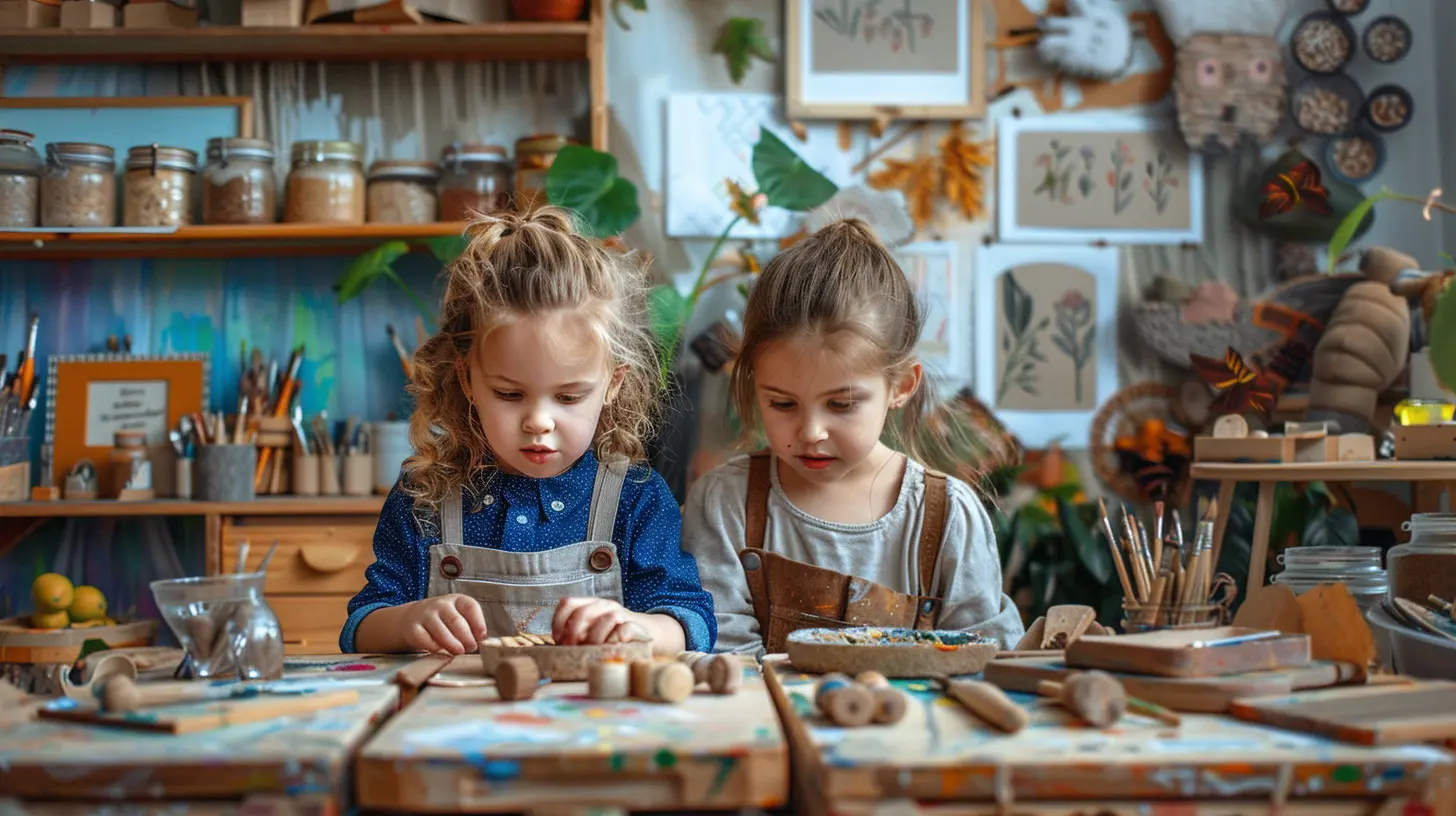
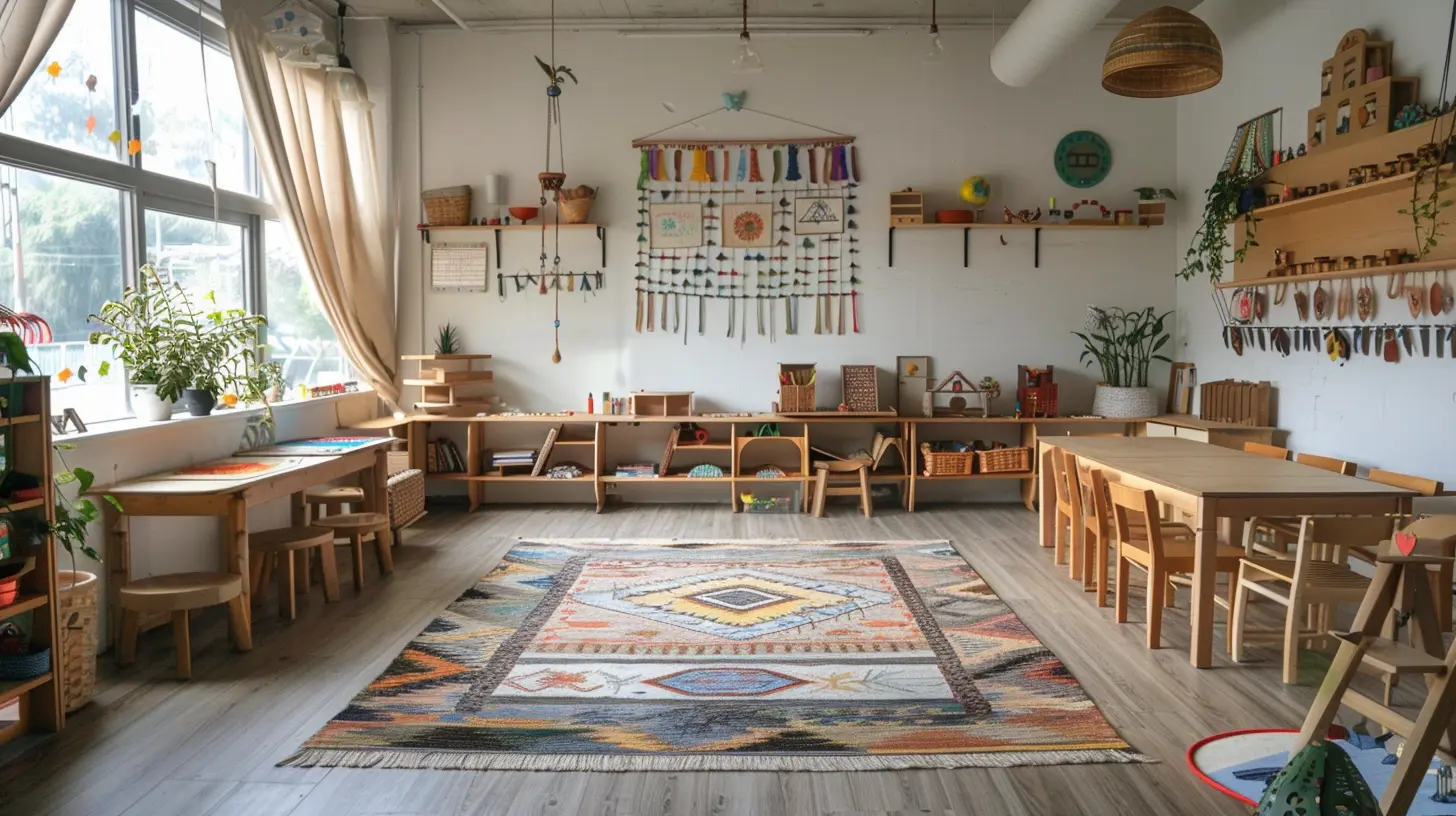
Montessori classrooms are calm, organized, and beautiful. The art area is no exception. Think open shelves with easy access to materials: watercolor paints, pastels, glue, papers of all textures and colors, scissors, and sometimes even natural materials like leaves or pebbles.Kids can pick what they need, work independently, and clean up afterward. That’s responsibility in action.
Process Over Product
Montessori doesn’t care if your snowflake looks like a porcupine. What matters is the process.Teachers don’t hover and say, “Draw it like this.” They observe, offer gentle guidance if requested, and let the child lead the way. It’s the experience of creating that holds the value—not the final result.
No Templates, No Tracing
Here’s a biggie: you won’t find coloring books or tracing sheets in Montessori classrooms. Those limit creativity. Instead, kids start with blank canvases and are encouraged to create from scratch, using their imagination as their only blueprint.Integration with Other Activities
Art isn’t sectioned off as a separate activity. It weaves into science projects (draw what you observed under the microscope), history timelines (illustrate a scene from ancient Egypt), or cultural studies (explore Aboriginal dot painting).Montessori treats creativity like the lifeblood of learning—not a side hobby.
The Role of the Adult: Guide, Don’t Direct
Montessori adults aren’t traditional teachers. They’re guides. Their role is to:- Observe the child without interfering
- Provide materials that provoke curiosity
- Offer support when needed, but never do the task for the child
- Encourage effort, not evaluate outcomes
Imagine a world where no one tells you your tree must be green and your sun must be yellow. That’s the world children live in under Montessori.
At Home: Bringing Montessori Art Ideas Into Daily Life
Don’t worry if your child isn’t in a Montessori school. You can totally bring the magic home.Create an Art Nook
Designate a small shelf or drawer for art supplies. Make it accessible and tidy, with a rotating selection of materials. Include:- Crayons, colored pencils, watercolor paints
- Paper (scrap paper is fine!)
- Glue, safety scissors, tape
- Found objects like feathers, fabric scraps, or shells
It doesn’t need to be Pinterest-perfect. Function beats fancy.
Let Go of the Outcome
Here’s the hard part for adults: resist the urge to “help.” If your child’s dog drawing looks like a cactus, that’s okay! Celebrate the creativity, not the accuracy.Model Creativity
Let your child see you drawing, painting, or doodling just for fun. Show them creativity isn’t just for kids—it’s a lifelong gift.Keep It Open-Ended
Instead of saying, “Let’s draw a house today,” try, “What would you like to make?” Or start with a question: “What do you think the inside of a cloud looks like?” Let your child’s imagination do the heavy lifting.
Beyond the Easel: Art As a Way of Life
Montessori doesn’t stop at art—the whole method breathes creativity. From the way kids prepare food to how they water plants or build with blocks, every action has the potential to be an act of creation.Creativity isn’t just something we do—it’s something we live. And Montessori gives kids the freedom to live it fully.
The Long-Term Impact: Growing Creative, Confident Humans
Here’s the real payoff.When kids are raised in an environment where their ideas are valued, their choices respected, and their creative efforts celebrated, something incredible happens. They grow up confident in their voice, curious about the world, and unafraid to think differently.
They become the artists, the innovators, the thinkers, and the dreamers the world truly needs.
And it all starts with a stick of chalk, a pile of paper, and an adult who’s willing to step back and watch the magic unfold.
Final Thoughts: Keep the Wonder Alive
Montessori and art are like two old friends, walking hand in hand through a world of wonder. Together, they remind us that creativity isn’t about talent—it’s about freedom. It’s not about coloring inside the lines—it’s about making your own lines.So whether you’re a parent, educator, or just someone who believes every child should be free to express themselves, remember this: a little space, some simple materials, and a whole lot of trust can light up a child’s imagination in ways we can’t even begin to predict.
Because when we nurture creativity through free exploration, we don’t just make art—we make magic.
all images in this post were generated using AI tools
Category:
Montessori EducationAuthor:

Charlotte Rogers