Montessori and the Science of Child Brain Development
24 June 2026
When it comes to early childhood education, no approach has garnered as much attention as the Montessori Method. But what if I told you that Montessori isn't just an educational philosophy—it’s a science-backed system that aligns perfectly with how a child’s brain develops?
Let’s break it down, shall we?
Understanding Montessori: More Than Just a Trend
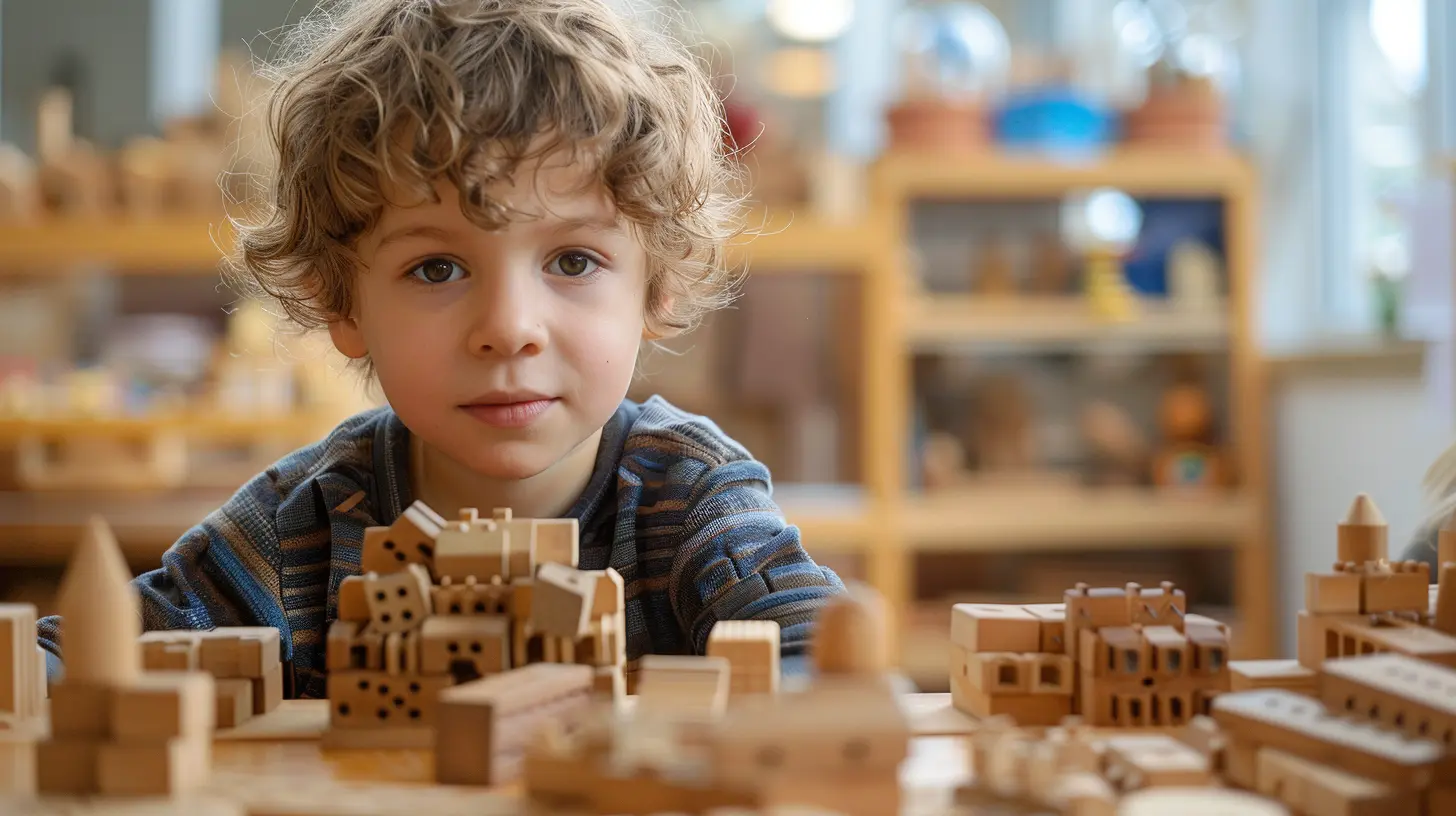
If you’ve ever walked into a Montessori classroom, you’ve probably noticed that it feels different. There are no rigid desks, no teacher lecturing at the front of the room, and no memorization-based learning. Instead, there’s an air of independence—kids are freely choosing activities, engaging in hands-on tasks, and learning in a way that seems almost… effortless.That’s because Dr. Maria Montessori, an Italian physician and educator, designed this system based on how children actually learn, not how adults think they should learn. And guess what? Modern neuroscience backs her up.
The Science of Early Brain Development
Your child’s brain is like a sponge, absorbing everything around it. But did you know the first six years of life are the most critical for brain development? This is when neural connections form at lightning speed—literally millions per second. If there’s ever a time to set a foundation for lifelong learning, the early years are it.Montessori education aligns beautifully with what neuroscience tells us about these formative years. Let’s break down the key areas where science and Montessori perfectly overlap.
1. Sensitive Periods: The Brain’s Windows of Opportunity
In the early years, children go through “sensitive periods”—short windows of time when their brains are especially primed to absorb specific skills. These windows open and close rapidly. For example:- Language development peaks between birth and age six.
- Sensory skills are at their strongest from birth to five.
- Order and routine become crucial between ages one and four.
Montessori classrooms cater to these sensitive periods by offering materials and lessons that align with what a child naturally wants to learn at that moment.
2. The Role of Hands-On Learning in Brain Growth
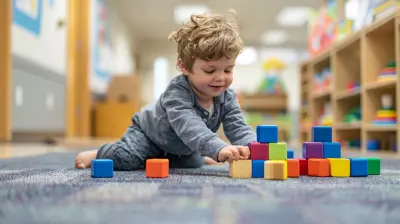
Ever heard the phrase "learning by doing"? Well, it’s not just a catchy saying—it’s science.Studies show that children retain information better when they engage in hands-on activities rather than passive learning (like listening to a lecture). Montessori classrooms are filled with tactile learning materials that encourage kids to manipulate, explore, and experiment—whether it's arranging beads to understand math, tracing sandpaper letters to build literacy, or practicing pouring water to develop motor skills.
This type of experiential learning helps form stronger neural connections, making knowledge stick in a way rote memorization never could.
3. The Power of Independence and Choice
Traditional schooling often follows a one-size-fits-all model—teach all kids the same thing at the same time. But here’s the thing: no two brains develop at the exact same pace.Montessori flips the script by allowing children to choose their own activities within structured guidelines. This freedom builds executive function—the brain’s ability to plan, focus, and regulate emotions.
Science tells us that when kids make choices, their prefrontal cortex (the decision-making hub of the brain) strengthens. This means Montessori kids aren’t just learning facts—they’re developing critical thinking skills that last a lifetime.
4. Movement and Cognition: A Brain-Body Connection
Ever noticed how kids can’t sit still? That’s because movement isn’t just a way to burn energy—it’s crucial for brain development.Research proves that physical activity enhances cognitive function. Montessori classrooms seamlessly integrate movement into learning. Instead of sitting at desks, children move freely, working with materials that require coordination and fine motor skills.
From threading beads to stacking blocks, these activities do more than improve muscle control—they help forge the brain pathways needed for reading, writing, and problem-solving.
5. The Absorbent Mind: A Child’s Superpower
Dr. Montessori coined the term “The Absorbent Mind” to describe a child’s ability to soak up knowledge effortlessly. Neuroscientists now confirm this concept, showing that young children’s brains are wired to learn naturally through immersion.Think about it—how do toddlers pick up language without formal instruction? Because their brains are hardwired to absorb patterns, sounds, and meanings through exposure. Montessori education harnesses this ability by surrounding children with rich, sensory-based learning experiences.
How Montessori Shapes Emotional & Social Intelligence
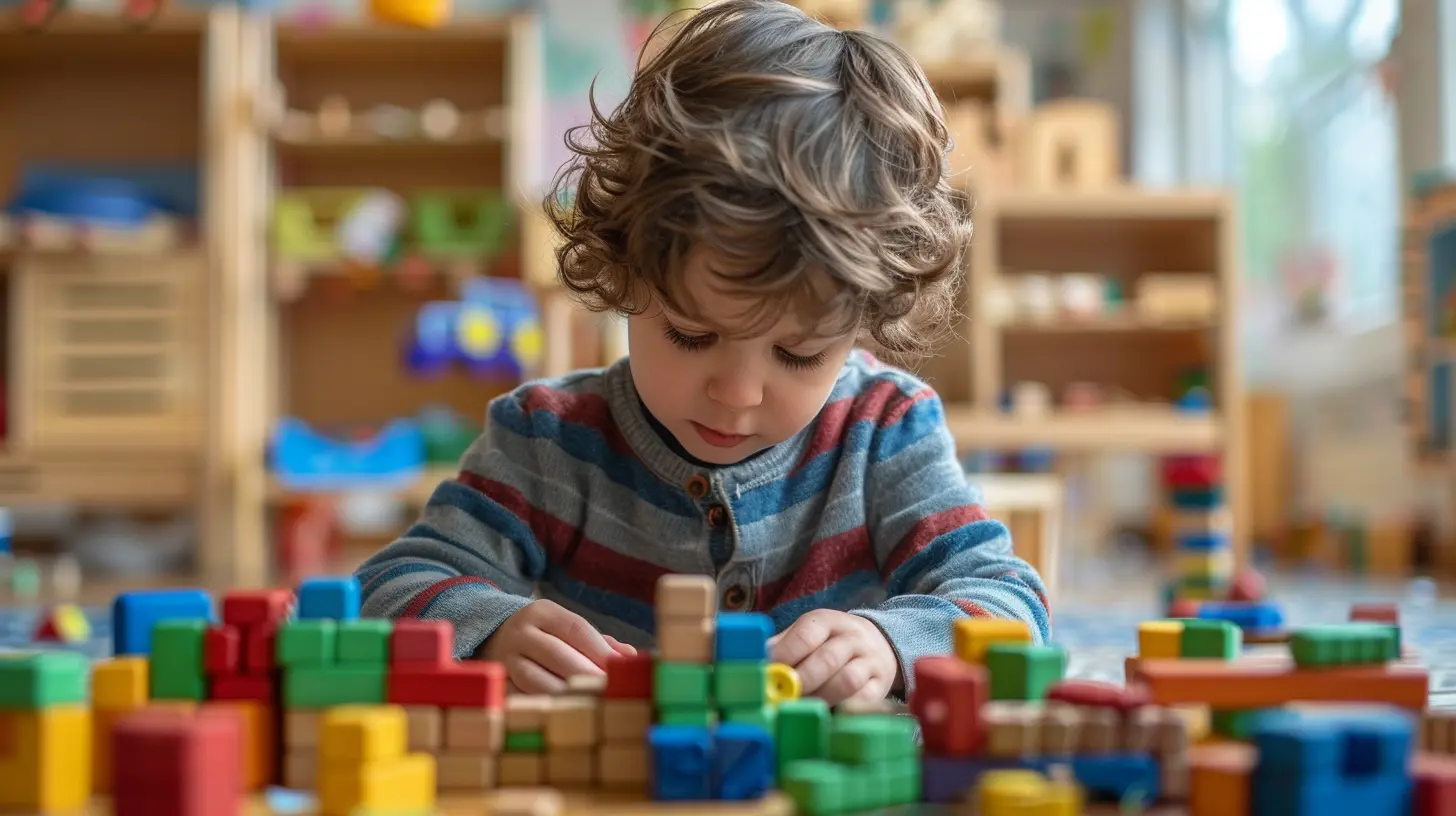
While academics are important, we can’t ignore social and emotional development. The ability to communicate, empathize, and regulate emotions plays a massive role in lifelong success.Montessori classrooms encourage collaboration, respect, and conflict resolution from an early age. Kids work together, share resources, and engage in real-life practical tasks—like preparing snacks for their classmates or helping a younger friend with a puzzle.
Neuroscience backs this up, showing that social interaction strengthens neural circuits related to emotional intelligence. When kids practice kindness, cooperation, and patience, they’re not just being "good students"—they're building the neural foundation for meaningful relationships in adulthood.
Why Traditional Education Misses the Mark
Standardized tests, rigid schedules, passive learning—traditional schools were designed for the Industrial Age, not the Information Age. The problem? They often work against the natural wiring of a child’s brain.- Sitting still for long periods? That contradicts the need for movement-based learning.
- Memorization over understanding? That doesn’t build deep neural connections.
- One-size-fits-all curriculum? That ignores individual brain development timelines.
Montessori education, on the other hand, embraces how learning actually happens—from hands-on exploration to independent problem-solving.
Final Thoughts: Montessori Isn’t Just a Method—It’s Science in Action
The Montessori Method isn’t some educational fad; it’s a scientifically sound approach rooted in decades of brain research. When we align learning with the way a child’s brain naturally develops, we unlock their full potential—not just academically, but socially, emotionally, and cognitively.So if you’re wondering whether Montessori is the right choice for your child, don’t just take my word for it—trust the science.
all images in this post were generated using AI tools
Category:
Montessori EducationAuthor:

Charlotte Rogers
Discussion
rate this article
3 comments
Sloan Abbott
Unlocking the secrets of the mind: Montessori's approach intertwines with cutting-edge neuroscience, revealing hidden pathways of learning. What if the key to creativity and intelligence lies in the hands of our youngest explorers?
June 29, 2026 at 4:50 AM
Charlotte Rogers
Absolutely! Montessori's methods align beautifully with neuroscience, highlighting the potential of young learners to unlock their creativity and intelligence through exploration and discovery.
Zethryn Lambert
Embracing Montessori principles empowers children to thrive! Understanding the science of brain development highlights the importance of nurturing curiosity and independence. Let's champion environments that inspire lifelong learners and unlock each child’s incredible potential!
June 27, 2026 at 4:59 AM
Charlotte Rogers
Thank you for your insightful comment! Embracing Montessori principles indeed fosters curiosity and independence, essential for optimal brain development and lifelong learning. Together, we can create inspiring environments that unlock every child's potential!
Zephyris McGee
This article brilliantly highlights the connection between Montessori methods and child brain development, emphasizing the importance of hands-on learning and fostering independence in early education.
June 25, 2026 at 2:51 AM
Charlotte Rogers
Thank you for your insightful comment! I'm glad you found the connection between Montessori methods and brain development compelling. Hands-on learning truly plays a crucial role in fostering independence in early education.