Montessori Materials Explained: Tools for Hands-On Learning
27 July 2026
Education is evolving, and one of the most effective learning approaches is the Montessori method. Rooted in the idea that children learn best through hands-on exploration, this method uses carefully designed materials to support independent learning. But what exactly are Montessori materials, and why are they so powerful? In this article, we'll break down these unique tools, explaining how they foster learning and why they're essential in a child's educational journey.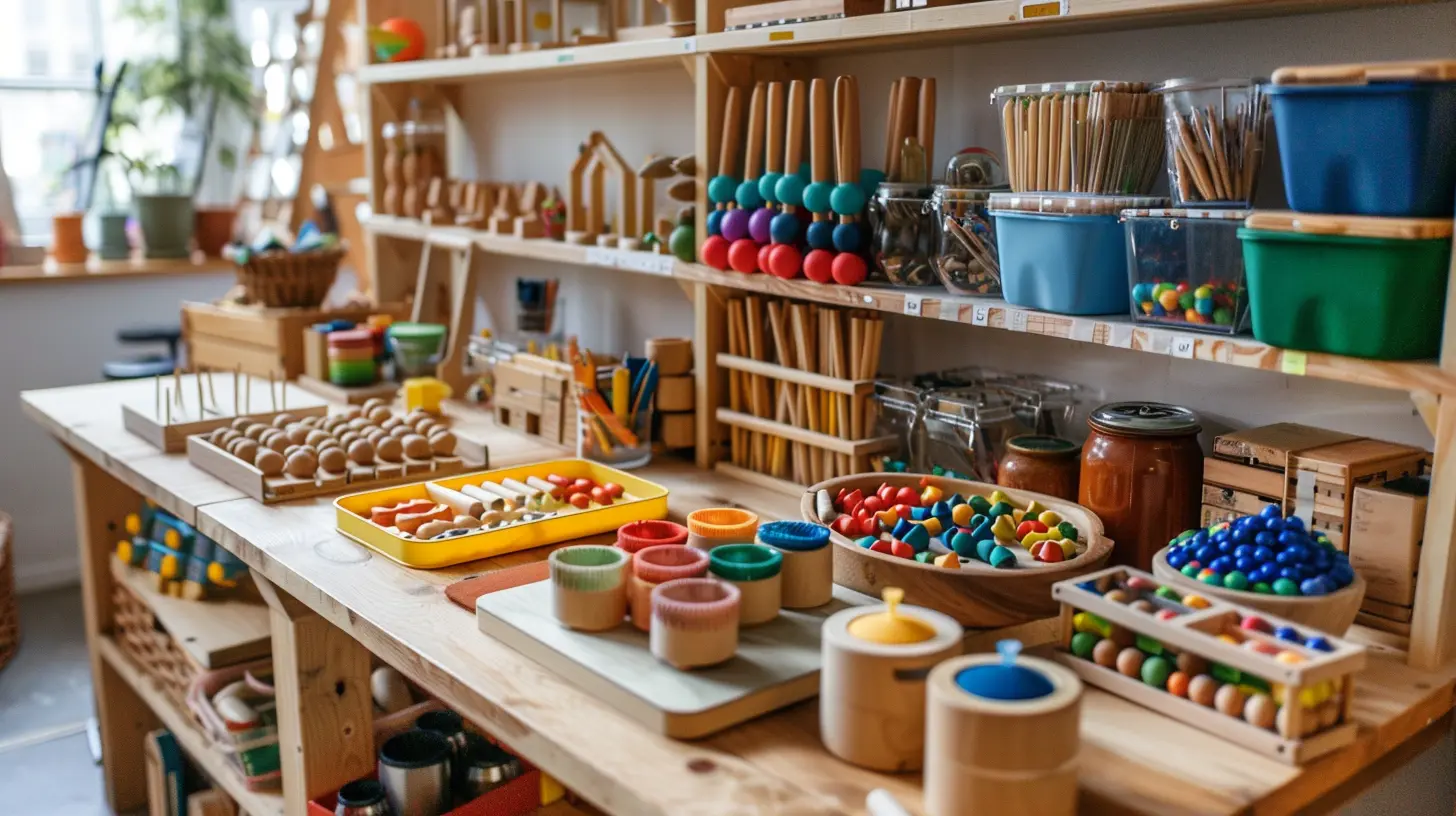
What Are Montessori Materials?
Montessori materials are specially designed tools that help children grasp concepts in a hands-on way. Unlike traditional learning tools, these materials encourage self-discovery, problem-solving, and independence. Maria Montessori, the founder of this method, believed that children learn best when they engage with their environment through their senses. Every Montessori material is crafted with this principle in mind, allowing children to explore, repeat, and master concepts at their own pace.These materials are not just toys; they serve a specific educational purpose. Each one is designed to teach a single concept, reinforcing learning through touch, sight, and movement. From simple wooden blocks to complex math tools, Montessori materials create a structured yet flexible learning experience.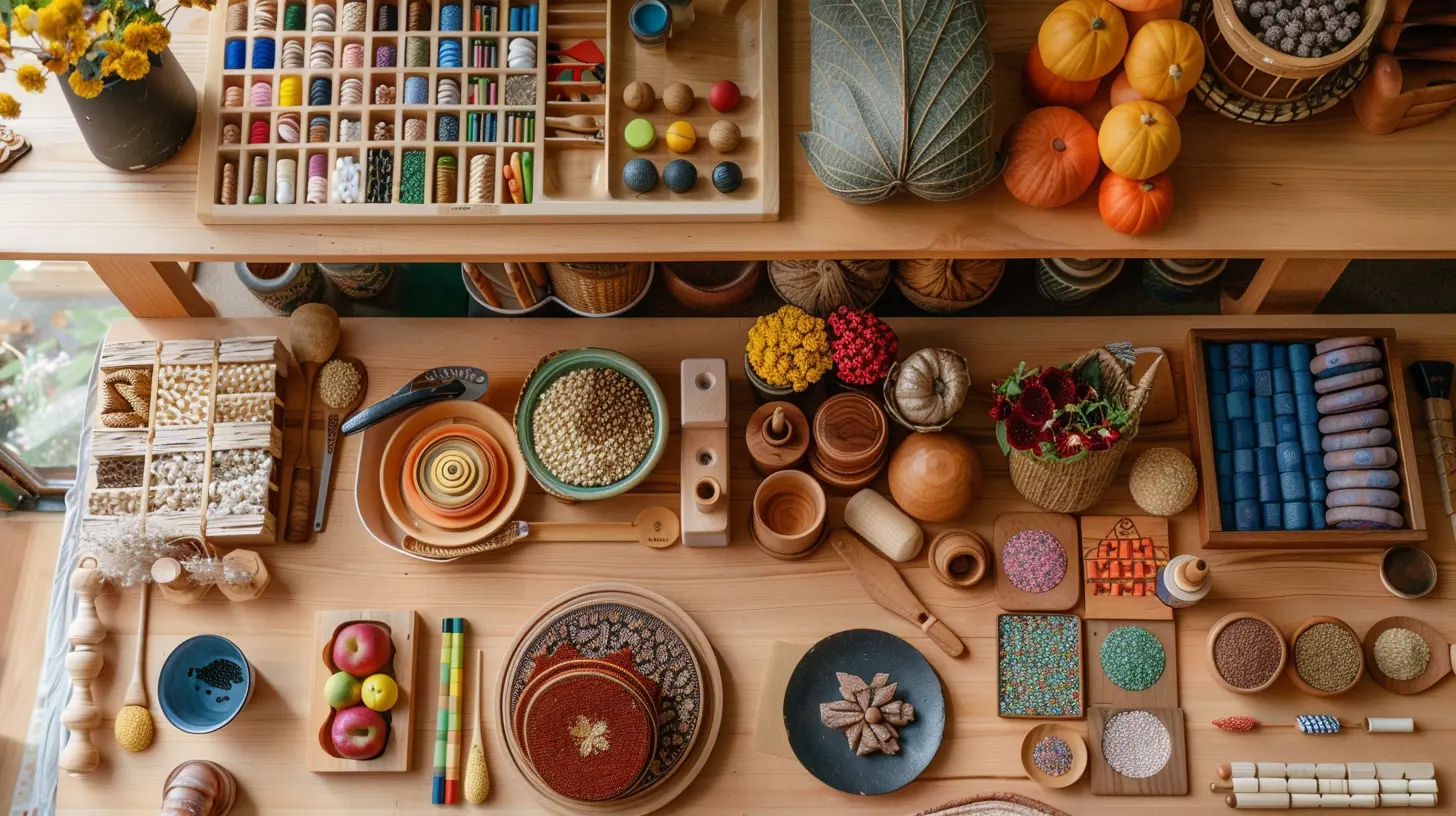
The Core Principles Behind Montessori Materials
Montessori materials stand out because of the philosophy behind them. Here are the key principles that make them effective:1. Self-Directed Learning
Children learn best when they have the freedom to explore topics that interest them. Montessori materials give children control over their learning, making education a personal and rewarding journey.2. Hands-On Experience
Ever noticed how kids love touching and experimenting with objects? Montessori learning takes advantage of this natural curiosity. Materials are designed to be manipulated, helping children understand abstract concepts through physical interaction.3. Built-In Control of Error
One of the most brilliant aspects of Montessori materials is that they allow children to recognize mistakes on their own without the need for constant correction by a teacher. This fosters independence and self-confidence.4. Progression from Simple to Complex
Montessori materials are introduced in a sequence, starting with simple concepts and gradually building up to more complex ones. This method ensures a natural and smooth learning progression.5. Multi-Sensory Learning
Children learn better when multiple senses are engaged. Montessori materials incorporate touch, sight, and even sound, making abstract ideas easier to grasp.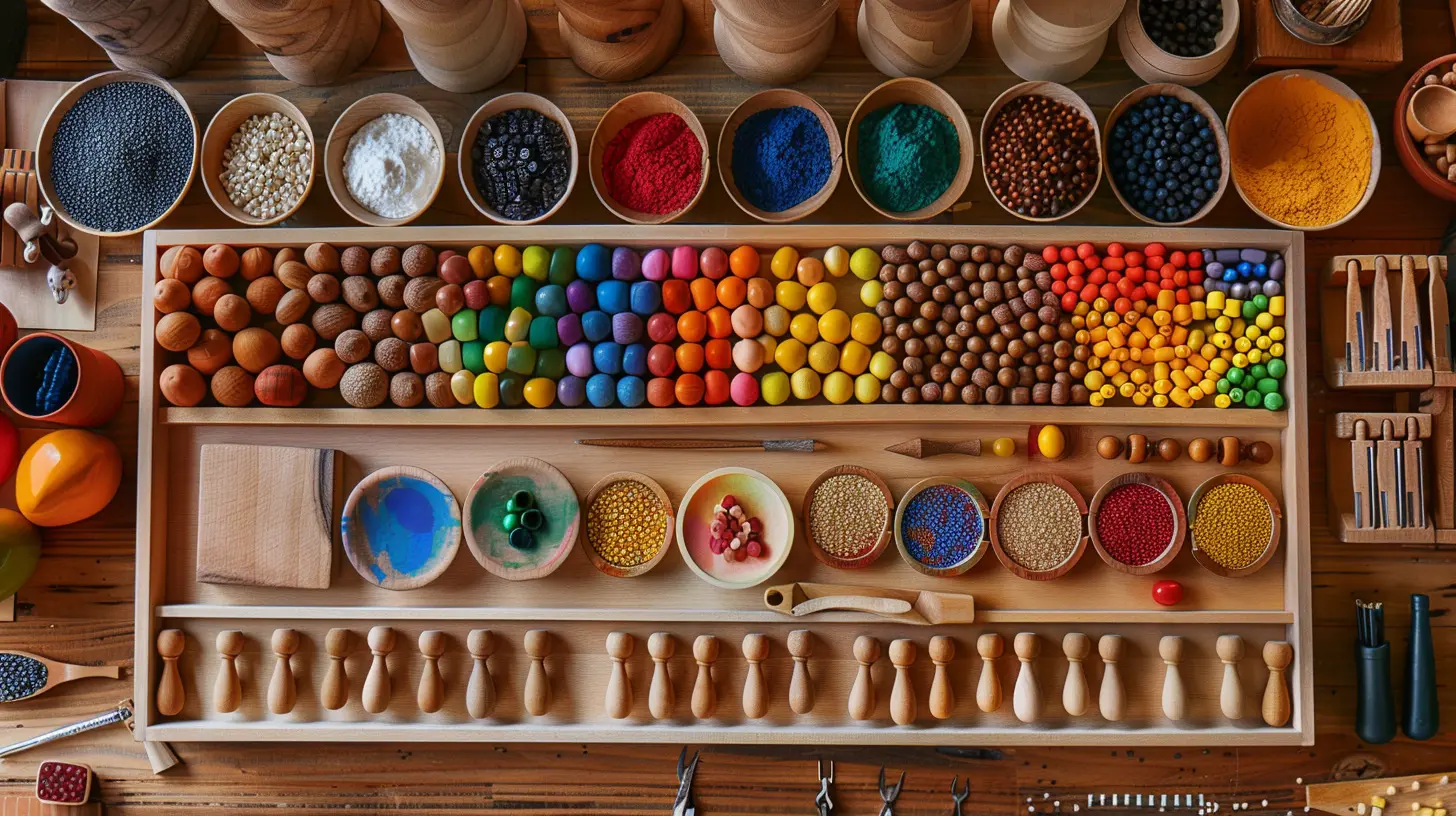
Key Montessori Materials and Their Purpose
Montessori materials cover a wide range of subjects, from math and language to sensory and practical life skills. Let's explore the most common ones and how they help children learn.1. Practical Life Materials
Practical life activities teach children essential real-world skills. These materials help develop fine motor control, independence, and responsibility.Examples:
- Pouring and Spooning Sets – Strengthen hand-eye coordination and prepare kids for writing.- Buttoning Frames and Lacing Cards – Teach self-care and improve dexterity.
- Cleaning Tools (Child-Sized Brooms, Mops, and Dustpans) – Instill a sense of responsibility and care for the environment.
Practical life materials help children gain confidence in everyday tasks, fostering independence from an early age.
2. Sensorial Materials
Sensorial materials refine the five senses—touch, sight, sound, smell, and taste. These tools help children recognize differences in size, shape, texture, and even weight.Examples:
- Pink Tower – A set of stacking cubes that teach size differentiation and spatial awareness.- Color Tablets – Help children learn color recognition and matching.
- Sound Cylinders – Encourage auditory discrimination by matching similar sounds.
By fine-tuning their senses, children develop observation skills that prepare them for future learning experiences.
3. Language Materials
Montessori language materials build literacy skills in a natural and engaging way. Children move from recognizing sounds to forming words and eventually reading and writing.Examples:
- Sandpaper Letters – Introduce letter shapes and sounds using touch.- Moveable Alphabet – Allows children to form words by manipulating letters before they can write.
- Object Boxes – Help connect spoken and written language by matching objects with labels.
Language materials encourage a love for reading while strengthening phonics and vocabulary.
4. Mathematics Materials
Math can be challenging, but Montessori materials make it accessible. Instead of memorizing numbers, children get hands-on experience with mathematical concepts, making learning intuitive.Examples:
- Number Rods – Introduce the concept of numbers and measurement.- Golden Beads – Help children understand place value by visually representing units, tens, hundreds, and thousands.
- Spindle Boxes – Teach counting and the concept of zero.
With Montessori math materials, children build a strong foundation in numeracy through hands-on exploration.
5. Cultural and Science Materials
Montessori education extends beyond the basics, encouraging curiosity about the world. Cultural and science materials introduce children to geography, biology, history, and more.Examples:
- Puzzle Maps – Teach geography through hands-on map assembly.- Life Cycle Models (Butterflies, Frogs, Plants) – Help children understand biological growth and transformation.
- Magnets and Simple Machines – Offer an interactive introduction to physics concepts.
These materials inspire children to ask questions and explore the world around them.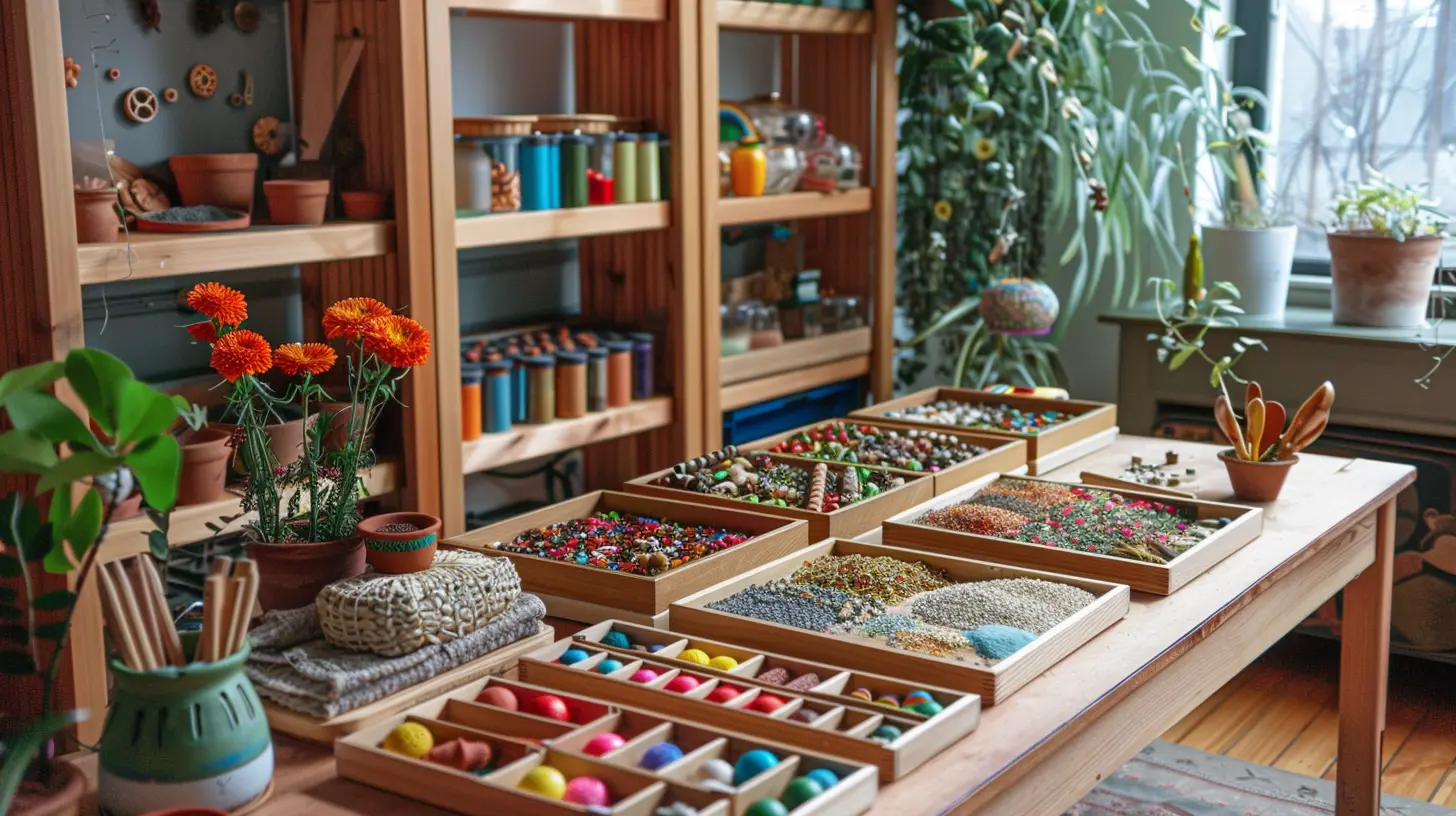
The Benefits of Montessori Materials
Montessori materials aren’t just effective—they transform how children engage with learning. Here’s why they stand out:1. Encourages Independence
Montessori materials empower children to learn at their own pace without constant adult intervention. They develop problem-solving skills and take ownership of their education.2. Improves Focus and Concentration
Since these materials are designed for hands-on interaction, children stay engaged longer, improving their ability to focus on tasks.3. Builds a Strong Foundation for Future Learning
From math to language, Montessori materials create a concrete understanding of concepts, making it easier for children to grasp advanced topics as they grow.4. Develops Fine Motor Skills
Many materials require small hand movements, strengthening fine motor control and preparing children for tasks like writing, drawing, and everyday self-care.5. Fosters a Love for Learning
Traditional schooling can sometimes feel like a chore, but Montessori materials make learning exciting. When children enjoy the learning process, they develop a lifelong love for education.Should You Use Montessori Materials at Home?
Absolutely! While Montessori schools specialize in these materials, parents can also incorporate them at home. You don’t need a full classroom setup—simple tools like wooden puzzles, sandpaper letters, and practical life activities can make a huge difference.A great starting point is creating a Montessori-inspired space:
- Keep materials on low shelves for easy access.
- Use natural, simple materials like wood and fabric.
- Encourage independent play and exploration.
- Rotate materials to keep the environment fresh and engaging.
Bringing Montessori materials into your home allows children to learn naturally while fostering independence and confidence.
Final Thoughts
Montessori materials are more than just learning tools—they are the foundation for hands-on, engaged learning. Designed to cater to a child’s natural curiosity, these materials make education an exciting journey rather than a chore. Whether at school or home, Montessori tools bring learning to life, empowering children to explore, discover, and grow at their own pace.If you're considering a Montessori approach for your child, investing in these materials is a game-changer. By providing opportunities for hands-on learning, you’re setting the stage for a bright, independent, and confident learner.
all images in this post were generated using AI tools
Category:
Montessori EducationAuthor:

Charlotte Rogers
Discussion
rate this article
1 comments
Chantal Lambert
Thank you for shedding light on Montessori materials! It's heartening to see how these tools foster a love for learning through hands-on experiences. They truly empower children to explore, discover, and grow at their own pace. Beautifully explained!
July 27, 2026 at 3:04 AM