Montessori’s Approach to Cultural and Geography Education
22 May 2026
When you think of Montessori education, what comes to mind? Wooden toys? Freedom within limits? Peaceful classrooms? While all of these are key aspects, there's another beautiful part of the Montessori philosophy that often gets overshadowed—Cultural and Geography Education.
In the Montessori classroom, cultural education isn’t an afterthought. It’s a vibrant, hands-on journey that helps kids connect with the world around them. And geography? It’s not just about maps and memorizing capital cities. It’s about understanding where we fit in a vast, interconnected world.
In this post, we’ll dive into how the Montessori method introduces children to cultural and geography education in a way that's deep, meaningful, and, most importantly—fun.
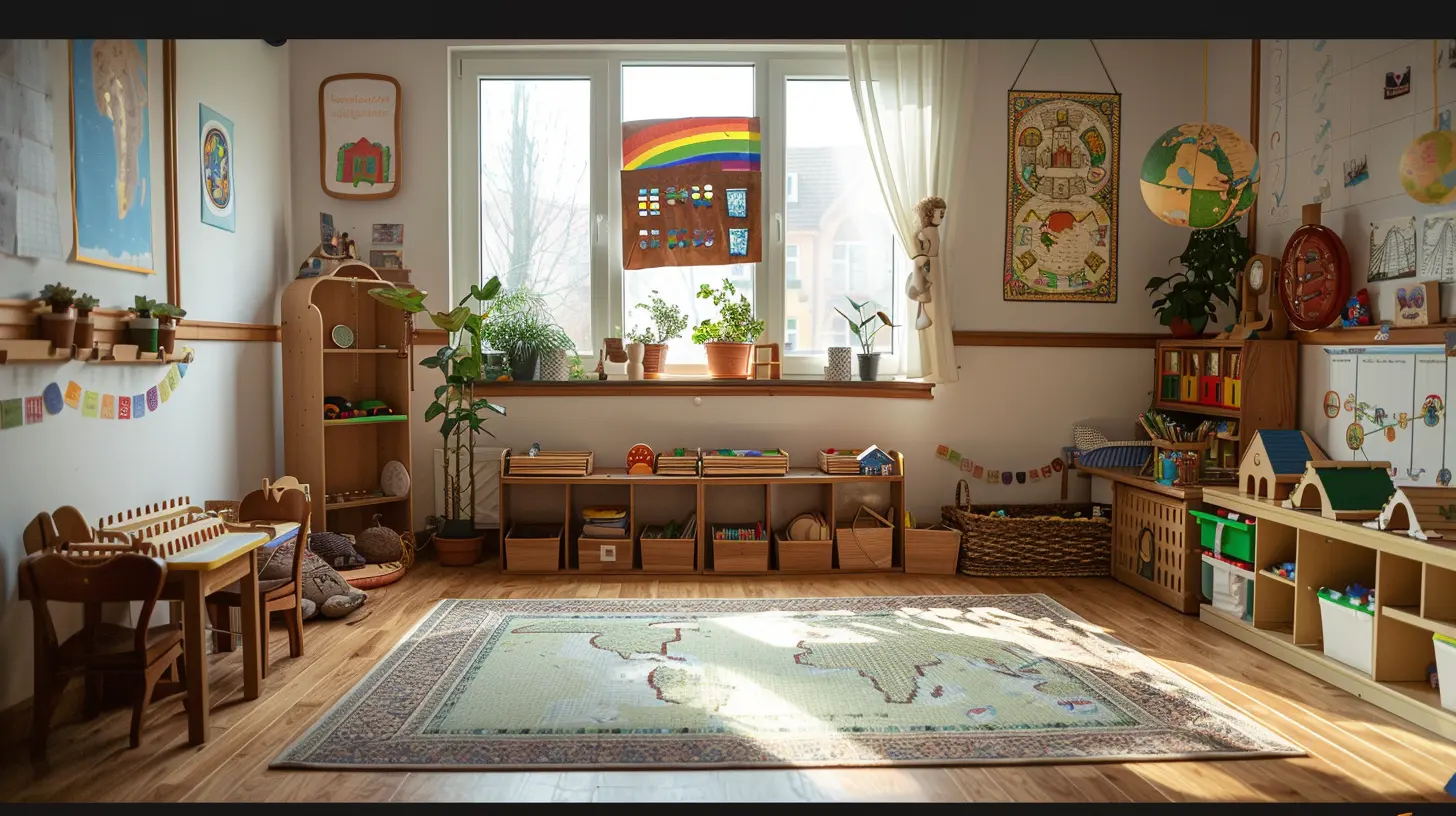
Why Culture and Geography Matter in Early Education
Before we get into the Montessori-specific methods, let’s talk about the “why.” Why do we even bother teaching culture and geography to little kids?Well, think about it. Kids are naturally curious. They want to know why people look different, speak different languages, or celebrate different holidays. When we help them understand these differences early on, we raise compassionate, open-minded humans.
Geography lays the foundation for this. It gives kids a mental map of the world. Once they know where places are, they start asking questions: "Why is it hot there?" "Why do people dress like that?" "What do they eat?"
That's where culture steps in. Geography and culture go hand-in-hand—like peanut butter and jelly.
Now, here’s where the Montessori magic comes in.
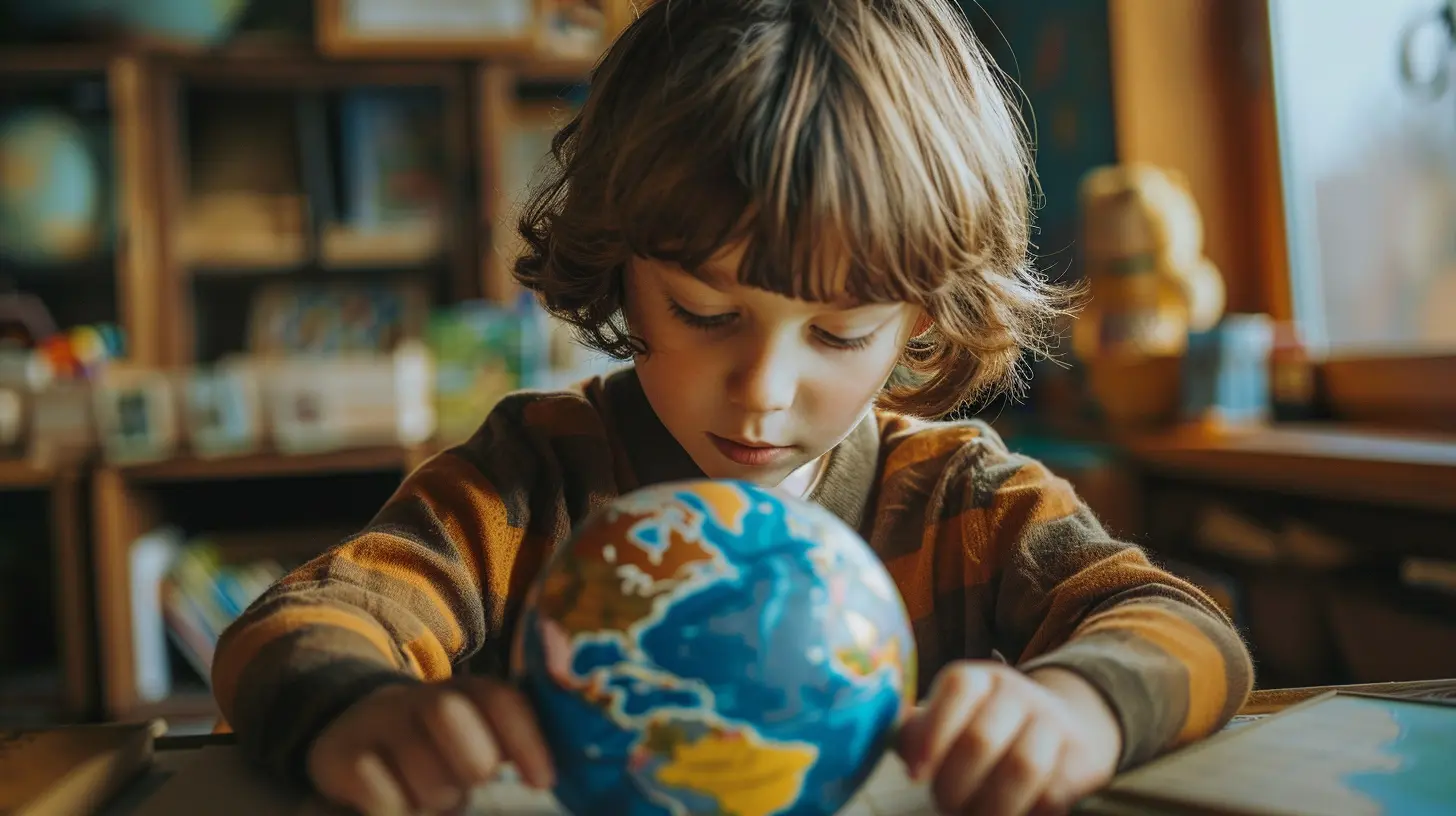
The Montessori Perspective: A Global Mindset from the Start
Dr. Maria Montessori saw children as citizens of the world. She believed it was vital to teach them not just about their own culture, but about the entire human experience.Montessori classrooms are designed to foster this global mindset from day one. The environment, the materials, and even the way lessons are given are crafted to help children explore not only their own community but communities across the planet.
So, how does that actually look in practice?
Let’s break it down.
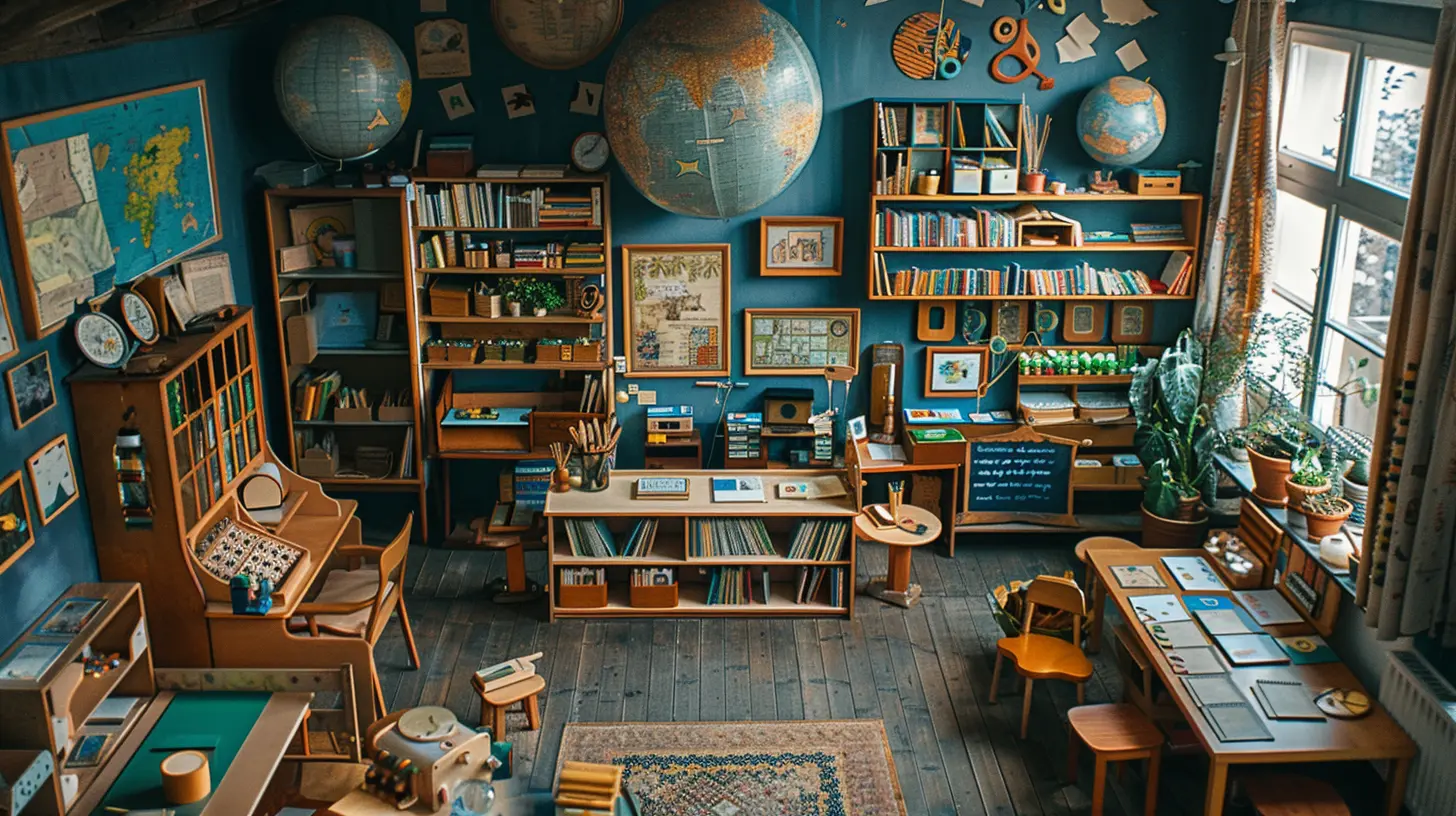
Montessori Cultural Curriculum: More Than Just Flags
Montessori culture studies include:- Geography
- History
- Zoology
- Botany
- Music
- Art
- Science
Yes, all of that fits under the “culture” umbrella in Montessori language.
And it’s all integrated. That means when a child is learning about Africa, they’re not just coloring a map. They might also hear African music, learn about traditional clothing, touch fabrics, see photos of animals from the savanna, and read folktales. It’s a sensory-rich, whole-child experience.
The Montessori Continents Puzzle: Geography’s Starting Point
Ever seen a brightly colored wooden puzzle with continents in a Montessori classroom? That’s the Montessori Continents Puzzle—and it's a big deal.It’s where geographic understanding begins.
Each continent is a different color. Young children trace the shapes with their fingers, remove them, and put them back together. It’s tactile. It’s visual. And it sticks in their memory.
But this puzzle isn’t just about fitting pieces in the right spots. It’s a jumping-off point. Each continent becomes its own unit of study.
For example, after introducing the Africa puzzle piece, teachers might say:
"Let’s find out what kind of animals live in Africa. What’s the weather like there? Who are the people who live there? What languages do they speak?"
From that one puzzle piece, the door to an entire culture swings wide open.
The Globe: Where It All Begins
Before the puzzle, though, comes the globe.The Montessori curriculum introduces children to two specific globes:
1. Sandpaper Globe – This one shows land and water only. Land is rough; water is smooth. It's a sensory introduction that helps toddlers grasp the basic concept of Earth’s surface.
2. Colored Globe – This one is color-coded with continents and oceans. It's the next step in understanding geography.
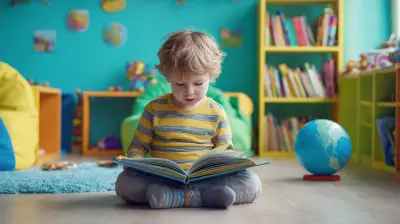
These tools are designed to gently introduce the idea that Earth is round, that we live in one part of it, and that there’s so much more to see and learn.
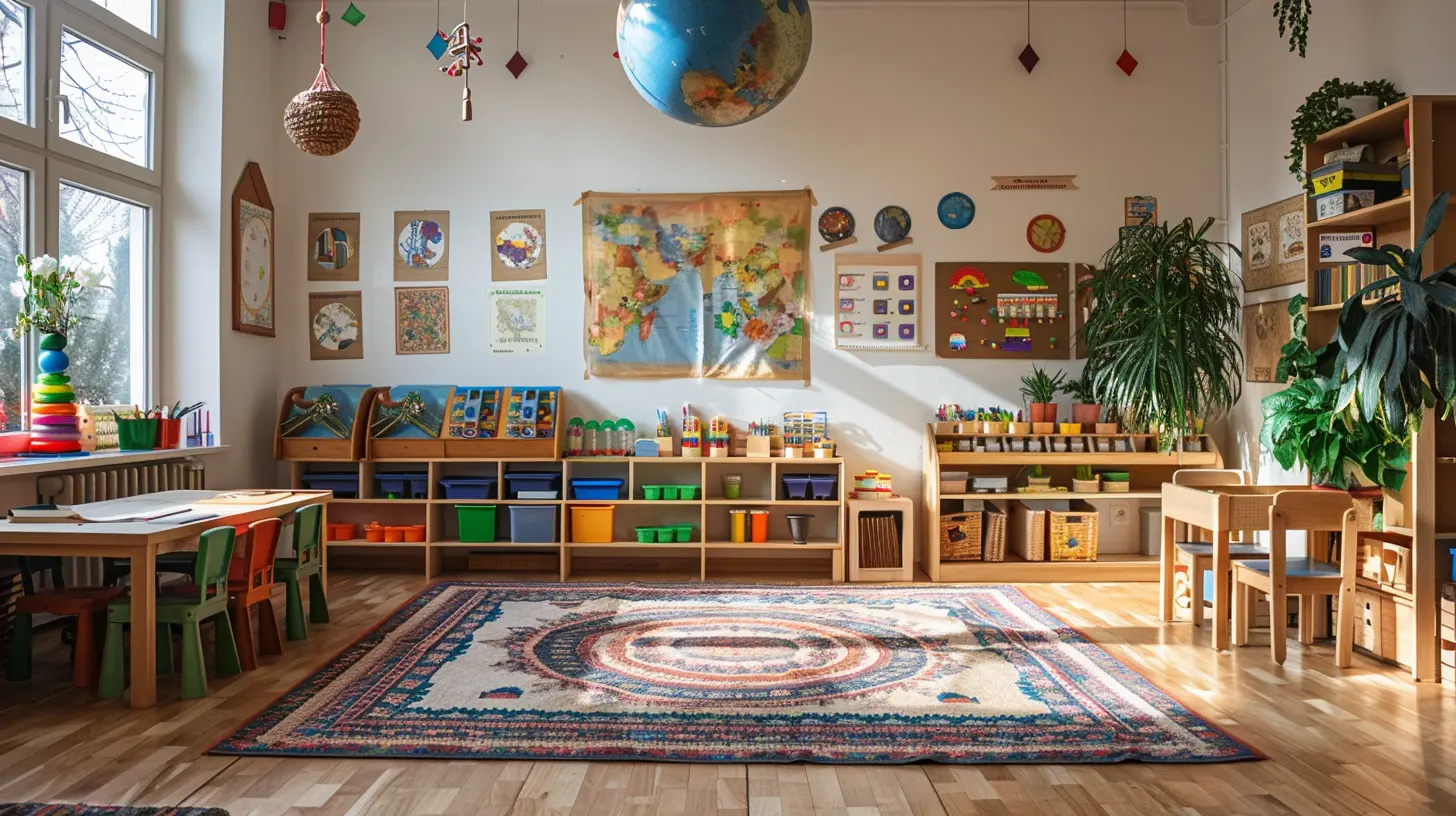
Layers of Geography in the Montessori Method
Montessori geography doesn’t stop at maps and continent names. It goes deeper. Let’s look at the two layers of geography that Montessori dives into:1. Physical Geography
This is all about understanding the natural world. Think landforms, water forms, climate, seasons, and natural resources.Montessori uses hands-on materials like:
- Land and water form trays – Kids pour water into plastic trays shaped like islands, lakes, peninsulas, and gulfs. They actually feel the difference.
- Three-part cards – These include a photo of a landform, its name, and a description. This builds vocabulary and context.
- Experiments – Simple science experiments explain concepts like erosion, volcanoes, and the water cycle.
By exploring physical geography this way, kids don’t just memorize—they understand.
2. Political Geography
This covers man-made divisions like countries, states, flags, and capitals.Montessori teachers might introduce:
- Flag cards
- Map puzzles with country borders
- Cultural folders with pictures and info about daily life in different countries
But again, this isn’t just about memorizing capitals. It’s about seeing the rich diversity of human life.
Cultural Folders: Opening Windows to the World
One of the most brilliant Montessori materials is the Cultural Folder.Each folder focuses on a specific continent or country and contains real-life images—people, homes, food, celebrations, transportation, animals, and landscapes.
Children flip through these like picture books. They have conversations. They ask questions.
“What are they eating?”
“Why is that house shaped like that?”
“Can I hear that kind of music?”
These folders aren’t just “materials.” They’re windows to the world.
Circle Time: Building Cultural Awareness Together
In Montessori classrooms, circle time often includes cultural lessons. Teachers introduce songs, dances, folk tales, and stories from around the globe.Through these shared experiences, children begin to see that, yes, people might be different—but we all sing songs, tell stories, and celebrate love and family.
It’s a beautiful way to develop empathy and a sense of belonging to a big, diverse family called humanity.
Holidays Around the World
Celebrating holidays is another fun way Montessori brings culture to life.Instead of only focusing on traditional or local holidays, Montessori classrooms often explore how people across the globe celebrate important events.
From Diwali to Hanukkah to Chinese New Year, children see how joy and tradition show up in every part of the world.
It’s not about religion—it’s about understanding and appreciation.
Geography Through Art
Art is another powerful tool in Montessori’s cultural curriculum.When kids create Aboriginal dot paintings, Japanese cherry blossom art, or Mexican papel picado—they’re not just making crafts. They’re connecting with the soul of a culture.
And because Montessori encourages creativity over cookie-cutter projects, there’s room for self-expression too.
Kids learn to appreciate the colors, textures, and traditions of global art as a living part of history and society.
Food, Music, Language: Engaging All the Senses
Want to get to know a culture? Eat its food. Listen to its music. Try speaking its language.Montessori teachers often incorporate:
- International snacks or cooking experiences
- World music listening sessions
- Simple vocabulary in other languages
These sensory experiences stick. They make culture memorable and meaningful.
Imagine a child saying, “This rice tastes like what we had on Japan Day!” or “I know that song! It’s from Ghana!”
That’s powerful.
The Goal: Raising Global Citizens
At the heart of it all, Montessori’s approach to cultural and geography education is about raising respectful, compassionate, globally-minded individuals.Children learn:
- We are different, and that’s beautiful.
- We are the same where it matters.
- Every person, place, and culture has value.
In a world that can often feel divided, this is more than education—it’s preparation for a kinder future.
Final Thoughts: Bringing the World to Their Fingertips
Montessori classrooms don’t just teach culture and geography—they bring it to life. Through hands-on activities, multi-sensory experiences, and an open heart for diversity, children aren’t just memorizing facts. They’re building bridges.If you’re a parent, teacher, or just someone who loves how kids learn—you can bring this into your home or classroom too. Start with a globe. Cook a dish from another part of the world. Listen to music in another language.
The magic of Montessori is that it makes the world feel within reach.
And in the end, isn’t that what we all want for the next generation? To feel connected, inspired, and ready to embrace the world with open arms?
all images in this post were generated using AI tools
Category:
Montessori EducationAuthor:

Charlotte Rogers
Discussion
rate this article
4 comments
Adam McLemore
Montessori's method enriches children's understanding of culture and geography.
August 17, 2026 at 4:06 AM
Trinity Sheppard
Great insights! Montessori’s method beautifully fosters a love for culture and geography in children, encouraging curiosity and appreciation for our diverse world. Keep up the fantastic work!
June 8, 2026 at 3:53 AM
Charlotte Rogers
Thank you! I'm glad you found the insights valuable. Montessori's approach truly nurtures curiosity and appreciation for diversity.
Finnian Lozano
Montessori's method fosters global awareness through hands-on cultural experiences.
May 27, 2026 at 12:32 PM
Charlotte Rogers
Thank you for your insight! Montessori's hands-on approach indeed enriches cultural awareness and fosters a deeper understanding of global perspectives.
Courtney McVicar
Love how Montessori makes learning about cultures and geography both fun and enriching!
May 24, 2026 at 4:22 AM
Charlotte Rogers
Thank you! Montessori truly fosters a love for learning by engaging students in diverse cultures and geography in a meaningful way.