Nurturing Independence: The Montessori Approach to Early Childhood Education
10 July 2026
Early childhood education plays a crucial role in shaping a child's future. But have you ever wondered if traditional methods are truly the best way to foster independence, creativity, and confidence? This is where the Montessori approach shines. Designed to cultivate autonomy from a young age, Montessori education doesn't just teach children—it empowers them.
So, what makes the Montessori method so special, and how does it help kids grow into independent thinkers? Let’s unravel the magic behind this unique approach to early childhood education.

What Is the Montessori Method?
The Montessori approach was developed by Dr. Maria Montessori, an Italian physician and educator, in the early 1900s. She believed that children learn best when given the freedom to explore within a structured environment. Instead of forcing kids to sit still and absorb information, Montessori encourages hands-on learning, self-direction, and natural curiosity.This method is more than just an alternative form of education—it’s a lifestyle that nurtures problem-solving skills, decision-making, and self-sufficiency from the start. Unlike conventional classrooms, Montessori spaces allow children to take the lead in their learning journey, fostering confidence and independence.
Key Principles of the Montessori Approach
1. Child-Led Learning
In a Montessori classroom, children aren’t forced to follow a rigid curriculum. Instead, they choose activities based on their interests. Imagine walking into a classroom where kids are deeply engaged in different tasks—some working with puzzles, others pouring water from one container to another, and a few studying letters with sandpaper cards. That’s Montessori in action!When children are given the freedom to choose, they develop an intrinsic motivation to learn, making education feel like an adventure rather than a chore.
2. Hands-On Activities
Montessori education is all about learning by doing. Instead of memorizing facts from textbooks, kids engage with real-world objects and materials designed to stimulate their senses.For example, rather than simply telling children about shapes, Montessori teachers provide geometric solids that kids can touch and explore. This concrete experience helps them grasp abstract concepts more naturally than traditional rote memorization ever could.
3. Prepared Environment
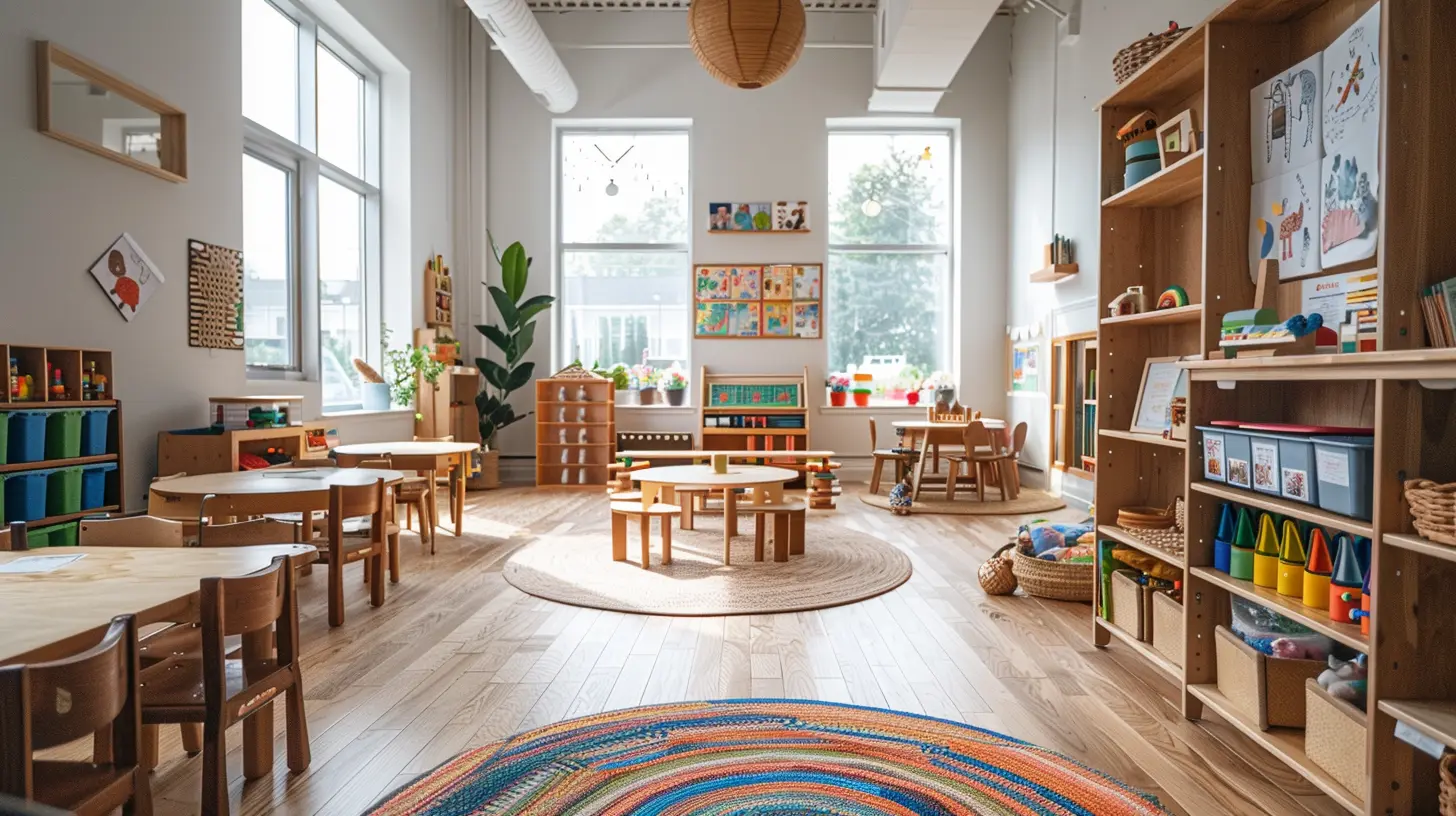
Montessori classrooms are carefully designed to encourage independence. Everything—yes, everything—is placed within the child’s reach. Low shelves, child-sized furniture, and accessible materials ensure that kids can navigate their environment without constantly relying on adults.This setup sends a clear message: You are capable! It subtly encourages children to take responsibility for their own learning and daily tasks.
4. Encouraging Independence
From tying their own shoelaces to cleaning up after playtime, Montessori emphasizes self-sufficiency. Children are taught practical life skills early on, which boosts their confidence and helps them develop a sense of responsibility.Ever noticed how toddlers love doing things on their own? Montessori nurtures this natural drive instead of suppressing it. By allowing kids to complete simple tasks without interference, they build resilience and self-reliance.
5. Mixed-Age Classrooms
Unlike traditional schools that group children strictly by age, Montessori classrooms mix students of different ages. A typical class might have kids ranging from three to six years old.Why? Because younger children learn by observing older peers, while older kids reinforce their knowledge by teaching younger classmates. This dynamic fosters empathy, patience, and leadership—qualities that serve them well beyond the classroom. 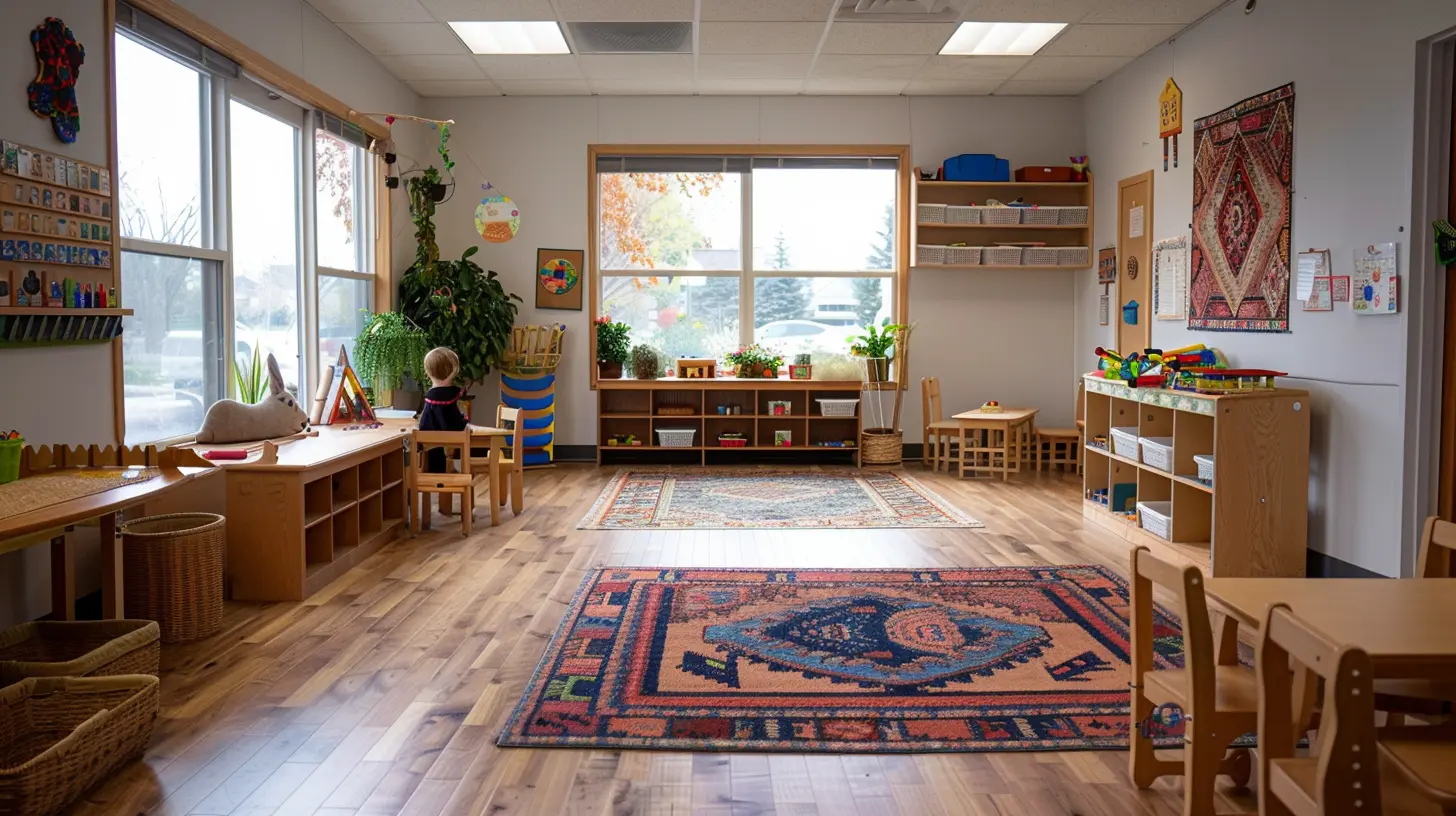
How Montessori Nurtures Independence in Early Childhood
Now that we've covered the fundamentals, let’s dive into how Montessori uniquely fosters independence in little learners.1. Encouraging Decision-Making
Montessori gives kids the power to make choices—a crucial skill for independent thinking. From selecting what they want to learn to deciding how to structure their activities, children develop a sense of control over their education.Making these choices from a young age sets the foundation for confident decision-making later in life. Imagine how empowering it is for a child to realize, I can choose, and my choices matter!
2. Teaching Problem-Solving Naturally
Ever seen a child struggle with a puzzle and then light up when they finally solve it? That’s Montessori in action. Rather than giving immediate answers, Montessori educators encourage children to figure things out on their own.By overcoming small challenges daily—whether it’s pouring water without spilling or completing a tricky shape-sorting activity—kids learn persistence, patience, and problem-solving skills.
3. Fostering Self-Care and Responsibility
In Montessori education, children take care of both themselves and their environment. From putting away their toys to watering plants and preparing snacks, they develop a strong sense of personal responsibility.These small, everyday tasks teach kids that they are capable individuals. Instead of waiting for adults to do things for them, they learn to take initiative—an essential skill for real-world success.
4. Encouraging Focus and Self-Discipline
Montessori classrooms may seem relaxed, but they’re actually designed to foster concentration and discipline. Kids work on activities that genuinely interest them, which naturally leads to longer attention spans and deeper engagement.Because Montessori values intrinsic motivation over external rewards, children develop a love for learning rather than relying on grades or praise to stay motivated. This cultivates self-discipline—a key trait of independent learners. 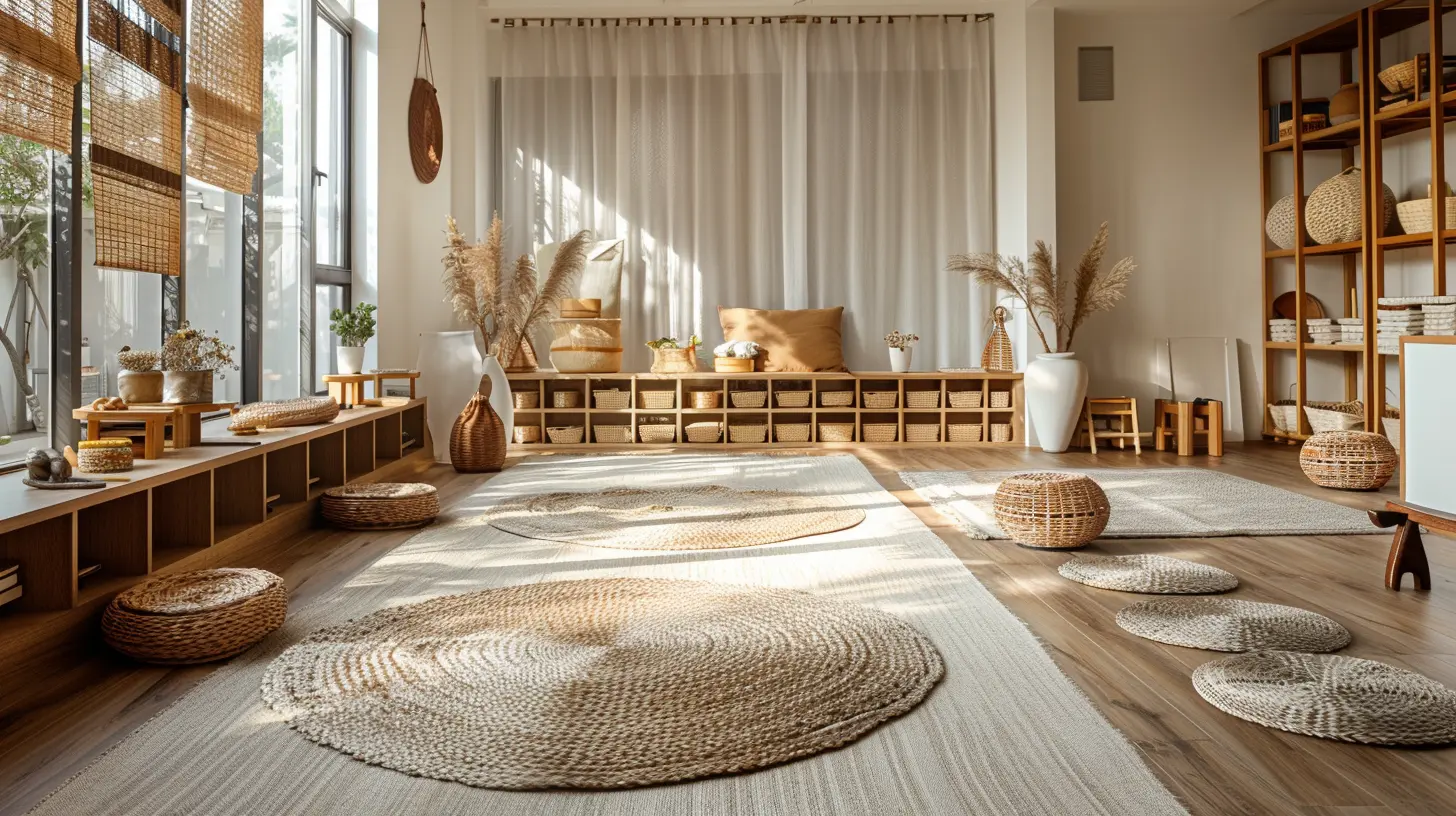
Montessori at Home: How Parents Can Support Independence
You don’t need to enroll your child in a Montessori school to embrace this method. There are plenty of ways to integrate Montessori principles at home and encourage independence in your little one.1. Create a Child-Friendly Space
Arrange your home in a way that allows your child to perform tasks independently. Think low shelves, easily accessible clothing, and child-sized kitchen tools. The more control they have over their environment, the more self-sufficient they’ll become.2. Let Them Do Things Themselves
It’s tempting to step in when your child struggles with tying their shoes or buttoning their coat. But resist the urge! Give them the time and space to practice these skills. They may fumble at first, but that’s part of the learning process.3. Encourage Practical Life Activities
Simple household chores, like pouring juice, sweeping, or setting the table, can help kids feel capable and valued. These everyday activities build independence while also strengthening their fine motor skills.4. Offer Choices (Within Limits)
Instead of dictating everything, give your child small choices. For example, ask, Would you like to wear the red shirt or the blue one today? This helps them develop decision-making skills while still maintaining necessary boundaries.5. Model Independence
Children learn by watching. If they see you confidently solving problems and managing tasks, they’ll naturally adopt the same mindset. Be a role model for independence by demonstrating patience, persistence, and responsibility.Final Thoughts
The Montessori approach to early childhood education is a powerful way to nurture independence, self-confidence, and a lifelong love for learning. By allowing children the freedom to explore, make choices, and engage in hands-on experiences, Montessori fosters an environment where kids thrive as capable, self-directed individuals.Whether in a Montessori school or at home, the principles of this method can shape your child’s future in remarkable ways. After all, when kids are trusted to take charge of their learning, they grow into confident adults ready to take on the world.
all images in this post were generated using AI tools
Category:
Montessori EducationAuthor:

Charlotte Rogers