Promoting Inclusivity in Early Childhood Classrooms
2 November 2025
Let’s be real—early childhood classrooms are vibrant, messy, joyful little worlds of their own. Crayon masterpieces on the wall, storytime giggles, shared snacks, and that tiny human chaos we secretly love. But behind those picture books and circle time songs, there’s something way more important going on: inclusivity.
Promoting inclusivity in early childhood classrooms isn't just a warm-and-fuzzy idea—it’s the foundation for shaping kind, empathetic, and aware human beings. After all, the earlier we plant the seeds of acceptance and respect, the stronger the roots will grow.
So let’s unpack the what, why, and how of creating inclusive spaces for our smallest learners. Whether you're a teacher, parent, or school administrator, I promise this journey is worth it (and fun too!).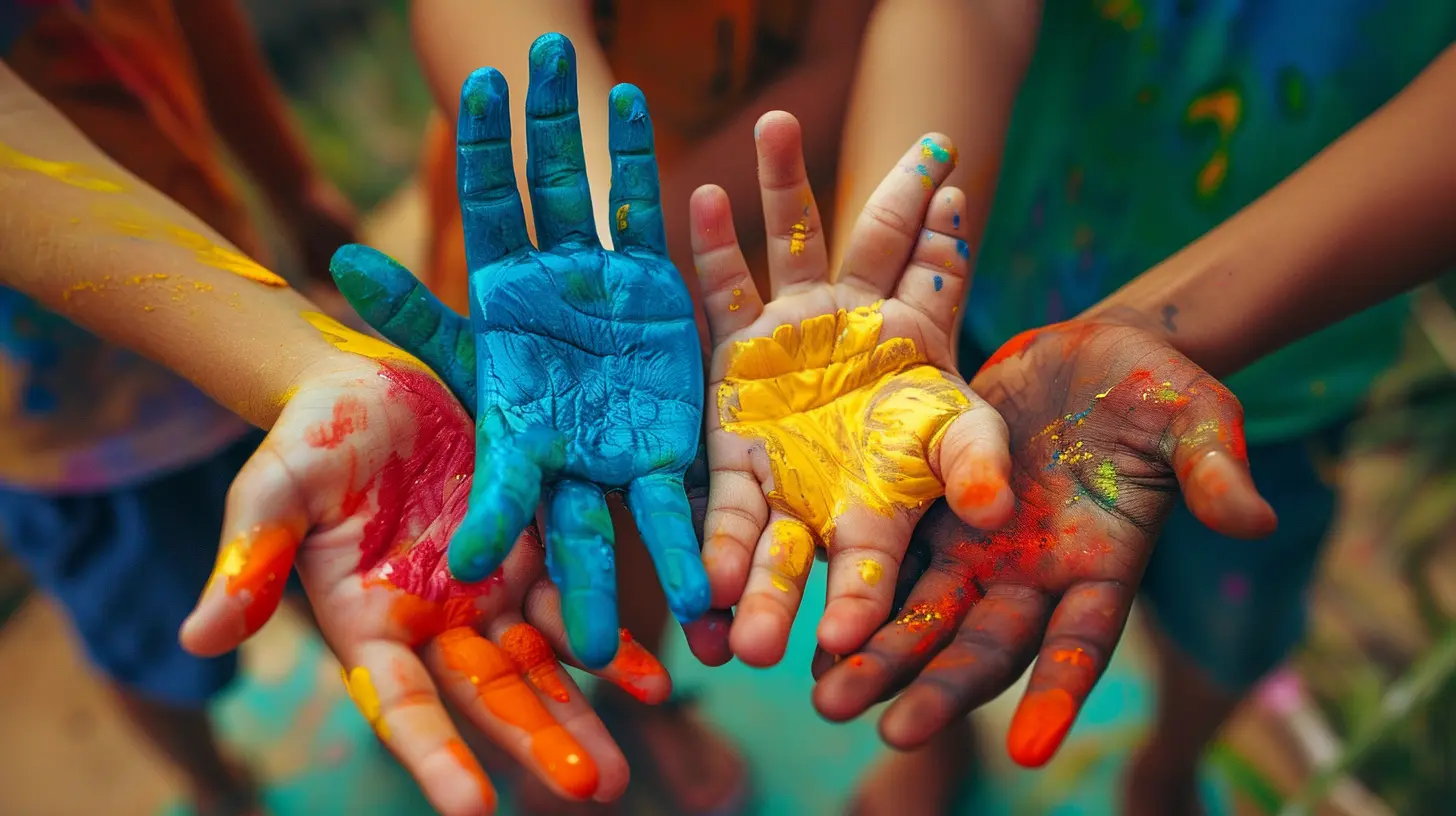
Why Inclusivity in Early Childhood Matters (Like, A Lot)
Picture this: a classroom where every child—regardless of their race, abilities, background, or identity—feels like they belong. That’s what we call gold.Early childhood is prime time for shaping personalities and social skills. Kids are like little sponges—soaking up behaviors, attitudes, and values from everyone and everything around them. And guess what? Inclusion teaches them that diversity isn't just okay… it's awesome.
Here’s the scoop:
- Brain development is rapid during early years. It's a perfect time to introduce positive social concepts.
- Children start forming social identities as early as age 2-3 (yep, really!).
- Early experiences of inclusion improve empathy, cooperation, and reduce biases later in life.
If we want a future where people love, respect, and understand each other, that future starts in Play-Doh-land.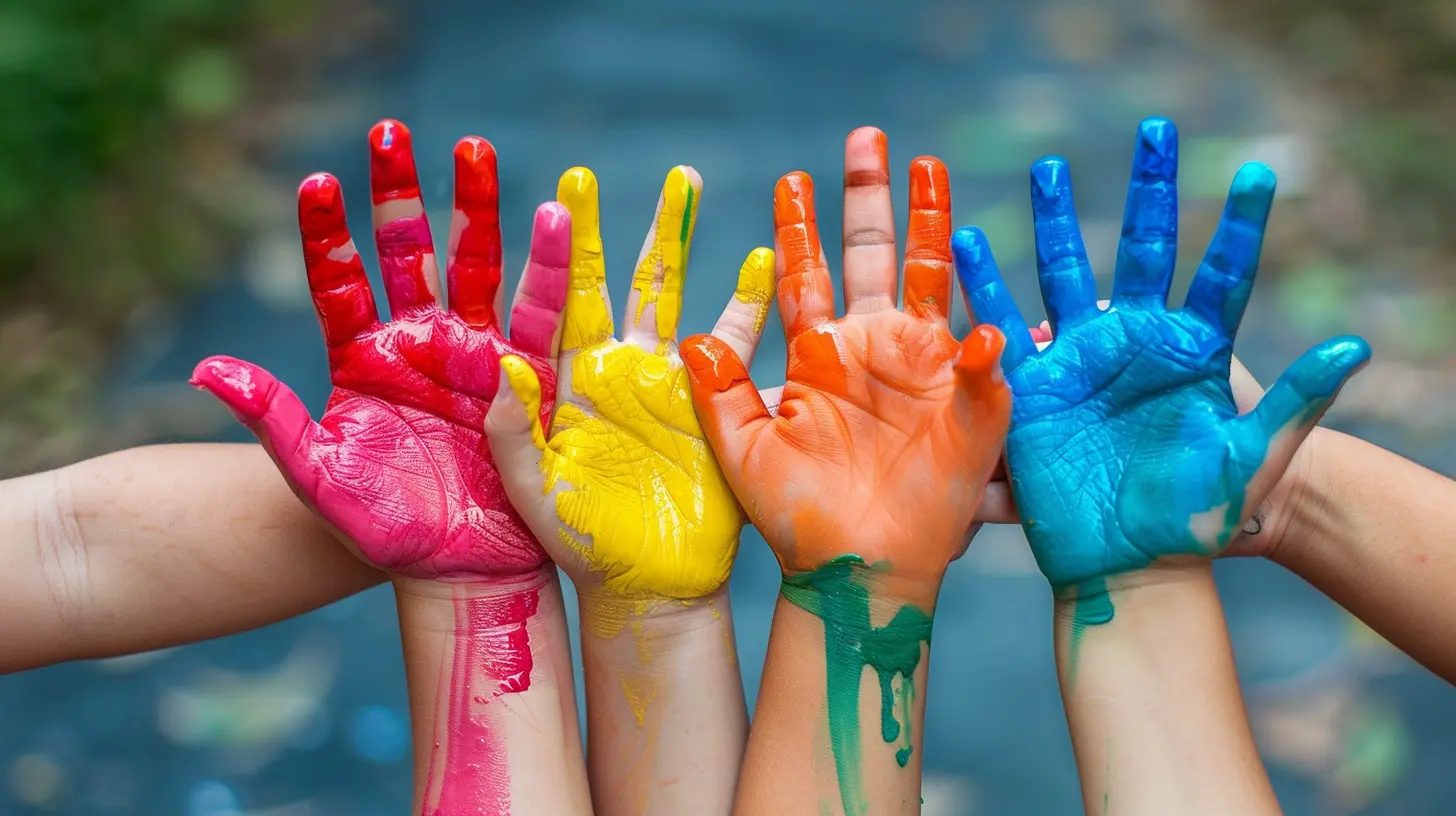
What Does Inclusivity Actually Look Like in a Preschool?
OK, so inclusivity sounds great. But what does it look like in real life, between juice boxes and finger painting?Inclusive classrooms:
- Celebrate differences, not just tolerate them.
- Adapt to children’s individual needs—whether those are physical, emotional, cultural, or cognitive.
- Foster respect and friendship among all students.
- Encourage open conversations (yes, even with toddlers!) about kindness, fairness, and diversity.
You might see picture books with characters of different cultures, toys that reflect diverse abilities, or songs from multiple languages. It’s not about checking diversity boxes—it’s about weaving inclusion into the daily rhythm of classroom life.
Building an Inclusive Early Childhood Classroom: Step-by-Step
Alright, let’s roll up those sleeves and dig into how you can make inclusivity happen in your classroom, school, or early childhood space.1. Start with the Right Mindset
Inclusivity starts with us—the grown-ups in the room. No pressure, right?But seriously, your attitude sets the tone. Inclusion isn’t about being perfect; it’s about being intentional. Reflect on your own beliefs, assumptions, and biases. Get curious, stay humble, and be willing to learn alongside your kids.
Ask yourself:
- Do I assume all families celebrate the same holidays?
- Am I creating space for different learning styles?
- Do I naturally gravitate toward “easy” or “typical” children?
Just asking these questions is already a step toward being more inclusive.
2. Create a “Yes, You Belong Here” Environment
Let’s talk vibes.An inclusive classroom feels welcoming the moment kids (and their grown-ups) walk in. From the posters on the wall to the layout of seats and toys, every detail should whisper, “You're safe here.”
Tips for Cultivating That Vibe:
- Include diverse books, dolls, and art supplies that reflect all kinds of people.- Arrange spaces to accommodate mobility aids and sensory needs.
- Post signs in multiple languages if you have multilingual families.
- Use kids’ names correctly and celebrate identity markers (name origin projects can be fun!).
It’s not about being fancy—it’s about being thoughtful.
3. Teach Social-Emotional Skills Every Day
Let’s be honest: kids aren’t born knowing how to include others. (I mean, have you seen a toddler in a toy tug-of-war? Yikes.)That’s where social-emotional learning (SEL) comes in. SEL helps kids recognize feelings, manage impulses, and practice empathy.
Sprinkle SEL Into Your Day:
- During circle time, talk about feelings—"How do you think Jamie felt when that happened?"- Use puppets or storybooks to act out different perspectives.
- Model apology and forgiveness in real scenarios.
SEL isn’t just fluff—it’s the glue that binds an inclusive community together.
4. Use Inclusive Language Every Time
Words matter—especially when little ears are listening.Teach and model language that’s respectful, welcoming, and affirming. This means using words that avoid stereotypes, honor all family types, and normalize individual differences.
For instance:
- Say “grown-ups” instead of “moms and dads” to include all family structures.
- Use “they/them” when a child’s pronouns aren’t known.
- Avoid labels like “weird kid” or “normal toys” (whatever that means!).
And if you mess up? No worries—just correct yourself and move on. Kids learn tons from how we handle our own mistakes.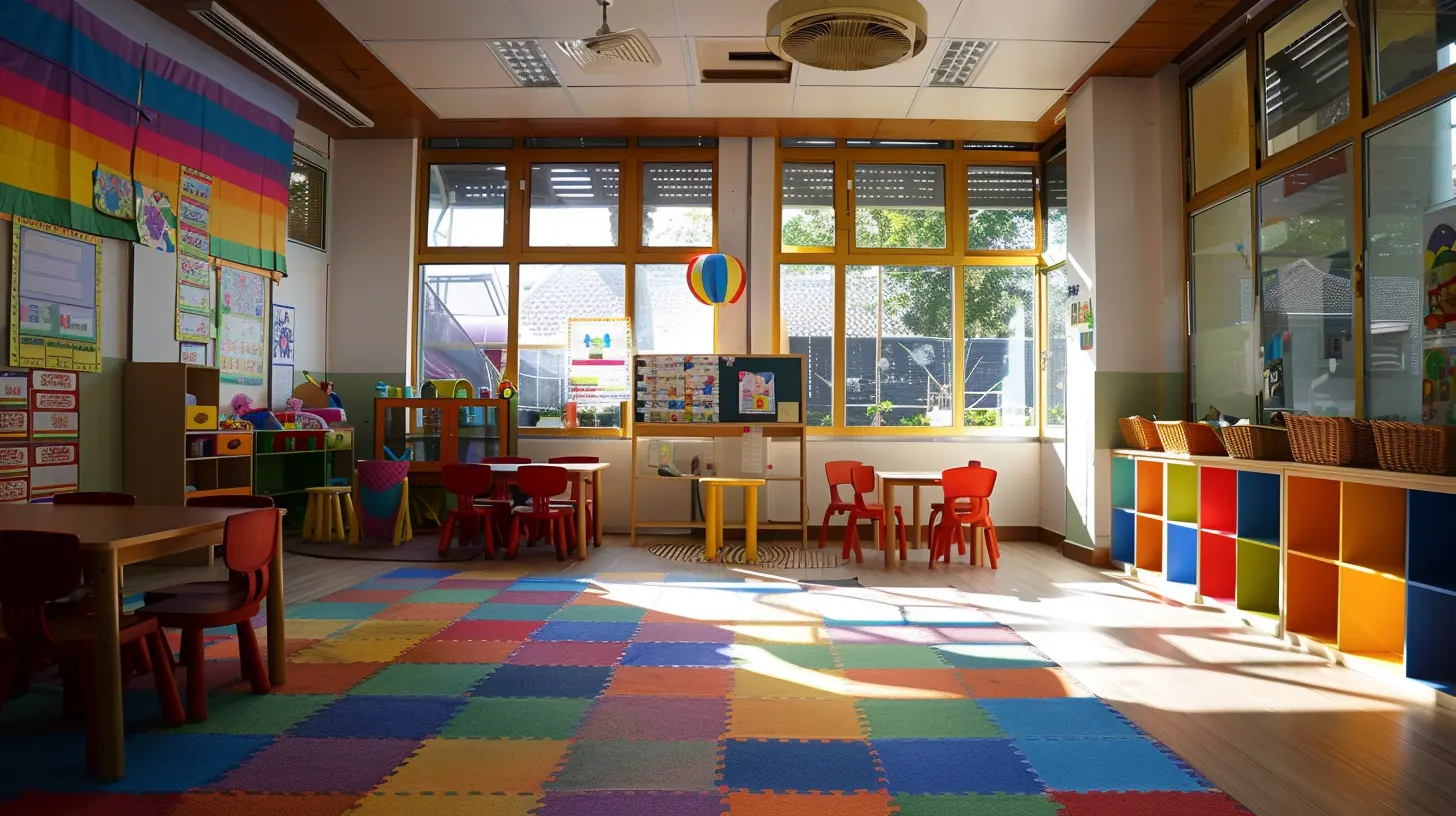
Inclusion Means All Abilities, All Needs
Inclusion isn’t just about ethnicity or culture—it’s also about neurodiversity, disabilities, and emotional needs. Every child deserves to join the fun, learn, and feel successful.Support Kids With Diverse Learning Needs by:
- Offering visual schedules and clear routines.- Providing sensory tools (like fidget items or calm-down corners).
- Using parallel play to scaffold friendships for shy or non-verbal kiddos.
- Collaborating with specialists—speech therapists, occupational therapists, behaviorists—to create the best support plan.
It's not about lowering expectations. It’s about lifting barriers.
Partner With Families: They’re Your Secret Weapon
You’ve probably heard it a million times, but we’ll say it again—parents and caregivers are your biggest allies.When families feel respected and involved, kids thrive. And when kids thrive, inclusion becomes effortless.
Here’s How to Bring Parents Onboard:
- Host family culture days where kids can share traditions, food, or music.- Ask parents how to say hello or thank you in their home language.
- Send regular updates home in clear, friendly language (and translated if needed).
- Respect different parenting styles—there’s more than one “right” way to raise a child.
When you show families that they matter, they’ll show up for you—and for each other.
Overcoming Common Challenges (Yes, You’ve Got This)
Let’s be honest: building an inclusive classroom isn’t always smooth sailing. (If only kids came with an instruction manual.)You might run into:
- Limited resources or outdated curriculum
- Resistance from staff or parents
- Uncertainty about handling “tough topics”
And still—you can do it. Take baby steps. Get creative. Ask questions. Lean on your community. Remember, progress over perfection.
Need a quick response when someone says, “Kids are too young to understand inclusion”?
Try this:
> “Actually, kids are pretty amazing at empathy and fairness—they just need us to show them how.”
Boom. Mic drop.
Celebrating Wins (Even the Small Ones)
Did you hear a kid say “That’s not fair!” when someone was left out? Awesome.Did two kids from different cultural backgrounds swap snacks? Love it.
Did a shy child find their voice during circle time? We’re crying.
Celebrate every win—big or small. That’s what keeps the momentum alive.
And don’t forget to lift each other up. Classroom teams that support one another are way more likely to keep inclusion front and center.
Final Thoughts: You're Already Making a Difference
If you’ve read this far, you’re already doing the work. You care, and that’s huge.Promoting inclusivity in early childhood classrooms isn’t about following a formula or being some superhero educator. It’s about showing up with heart, intention, and a whole lot of glue sticks.
Remember this:
> Every moment of kindness, every inclusive activity, every conversation about feelings—it all adds up.
You’re not just teaching shapes and letters. You’re shaping the future, one little hug and high five at a time.
So keep going. The world needs more classrooms like yours: messy, magical, and full of love.
all images in this post were generated using AI tools
Category:
Early Childhood EducationAuthor:

Charlotte Rogers
Discussion
rate this article
12 comments
Layla O'Neal
Thank you for highlighting the importance of inclusivity in early childhood classrooms. Your insights into fostering a welcoming environment are crucial for supporting diverse learners. Implementing these strategies not only benefits children individually but also enriches the classroom community as a whole. Looking forward to seeing more on this topic!
February 27, 2026 at 11:56 AM
Charlotte Rogers
Thank you for your thoughtful comment! I'm glad you found the insights helpful, and I appreciate your support for promoting inclusivity in early childhood education. Stay tuned for more on this important topic!
Adeline McCollum
Inclusivity fosters resilience and empathy, crucial for holistic development.
January 22, 2026 at 12:01 PM
Charlotte Rogers
Thank you for your insight! I completely agree that inclusivity is essential for nurturing resilience and empathy in young learners, ultimately supporting their overall development.
Zane McIntyre
Great insights! Fostering inclusivity in early childhood classrooms creates a foundation for empathy and understanding in future generations.
December 12, 2025 at 7:25 PM
Charlotte Rogers
Thank you! I'm glad you found the insights valuable. Inclusivity truly lays the groundwork for a more empathetic future.
Keira Rogers
This article effectively highlights the importance of fostering inclusivity in early childhood classrooms. By embracing diverse backgrounds and abilities, educators can create a nurturing environment that benefits all learners.
November 13, 2025 at 9:52 PM
Charlotte Rogers
Thank you for your insightful comment! I'm glad you found the article impactful in promoting inclusivity in early childhood education.
Zephyrine McQuaid
Inclusivity in early childhood classrooms isn't just beneficial—it's essential. By embracing diversity, we empower every child to thrive, fostering a generation of compassionate, understanding, and innovative leaders.
November 12, 2025 at 7:45 PM
Charlotte Rogers
Thank you for highlighting the vital role of inclusivity in early childhood education. Embracing diversity truly enriches the learning experience and shapes a brighter future for all children.
Jocelyn Wagner
This article effectively highlights the importance of fostering inclusivity in early childhood classrooms. By implementing diverse teaching strategies and creating a welcoming environment, educators can ensure that all children feel valued and supported, laying the foundation for empathy and cooperation in future learning.
November 10, 2025 at 1:01 PM
Charlotte Rogers
Thank you for your insightful comment! I'm glad you found the article valuable in emphasizing the significance of inclusivity in early childhood education.
Stephanie Patel
Because every child deserves a seat at the colorful table!
November 9, 2025 at 12:44 PM
Charlotte Rogers
Absolutely! Every child brings unique strengths and perspectives that enrich the learning environment. Inclusivity fosters a sense of belonging and enhances everyone's growth.
Maya Patel
This article highlights the importance of inclusivity in early childhood education, fostering a supportive environment for all children. By implementing diverse teaching strategies and embracing varied backgrounds, educators can empower young learners, promoting social skills and emotional growth in a collaborative setting.
November 4, 2025 at 5:36 AM
Charlotte Rogers
Thank you for your insightful comment! I'm glad you found the emphasis on inclusivity and diverse teaching strategies valuable for fostering a supportive environment in early childhood education.
Falkor Pacheco
This article effectively highlights the importance of inclusivity in early childhood classrooms. By embracing diverse backgrounds and needs, educators can create a supportive environment that fosters belonging and growth. It's vital that we prioritize these practices to ensure every child feels valued and engaged from the start of their educational journey.
November 3, 2025 at 12:10 PM
Charlotte Rogers
Thank you for your thoughtful comment! I'm glad you found the article highlights the significance of inclusivity in early childhood education. Prioritizing diverse backgrounds truly enriches the learning experience for everyone.
Marigold Lewis
This article highlights essential strategies for fostering inclusivity in early childhood classrooms, emphasizing the importance of diverse learning environments and tailored approaches to meet every child's needs.
November 2, 2025 at 10:02 PM
Charlotte Rogers
Thank you for your insightful comment! I'm glad you found the strategies for fostering inclusivity valuable. Creating diverse learning environments is crucial for meeting the needs of all children.
Nyx Kirkpatrick
Inclusivity in early childhood education is essential for fostering diverse, empathetic future leaders.
November 2, 2025 at 1:32 PM
Charlotte Rogers
Thank you for highlighting this crucial point! Inclusivity truly lays the foundation for understanding and collaboration in our future leaders.
Diesel Wade
This article beautifully highlights the importance of inclusivity in early childhood education! Creating a welcoming environment for all children not only fosters their development but also enriches the classroom experience. Let’s continue to champion diversity and understanding from the very start of their learning journey!
November 2, 2025 at 5:10 AM
Charlotte Rogers
Thank you for your thoughtful comment! I'm glad you found the article resonates with the importance of inclusivity in early childhood education. Together, we can make a difference!
MORE POSTS

The Impact of Cultural Bias in Standardized Exams

The Role of Preschool in Supporting Early Literacy Development

Encouraging Artistic Expression: Lesson Plans for Creative Arts

Using Nature to Teach Mindfulness in Schools

Preparing for Standardized Tests Without Sacrificing Your Mental Health

Teaching Coding Without Computers: Unplugged Activities for the Classroom

How to Encourage Independent Thought in the Classroom

Encouraging Curiosity Through Montessori Science Lessons