Strategies for Supporting Early Literacy in Large Families
7 June 2026
Raising a large family comes with its own set of unique challenges, especially when it comes to supporting the educational needs of each child. One aspect that often requires extra attention is early literacy. Encouraging kids to develop strong reading and writing skills is critical during their formative years, but when you're dealing with multiple children, it can feel like a juggling act. So, how can parents in large families ensure that each child gets the literacy support they need without breaking a sweat?
In this article, we'll go over some practical strategies for fostering early literacy in large families, ensuring each child gets the attention they deserve. Whether you're a parent of two or ten, these tips will help you cultivate a love for reading and writing in your little ones, without feeling overwhelmed.
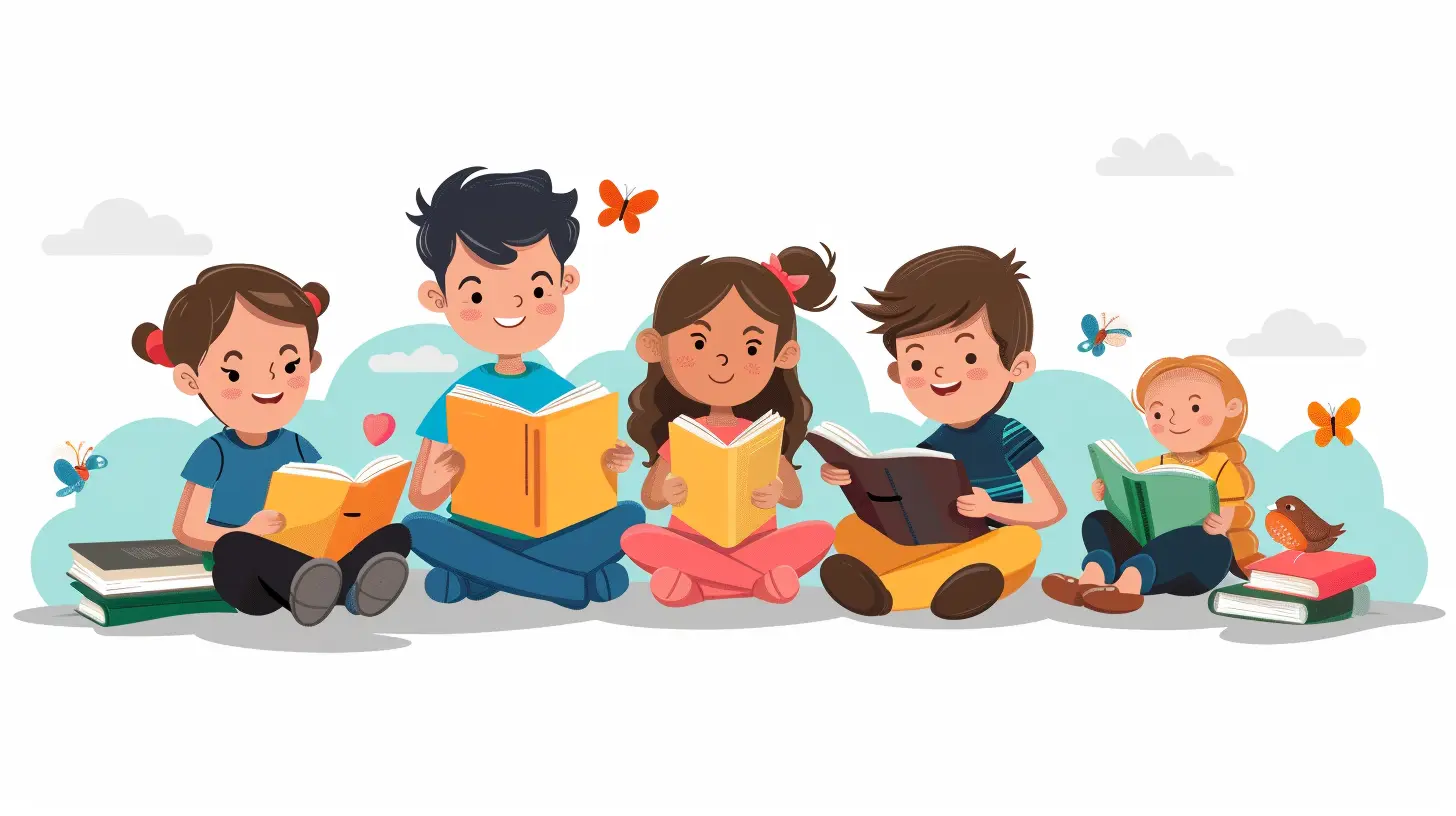
Why Is Early Literacy So Important?
Before we dive into the strategies, let’s talk about why early literacy is such a big deal. Early literacy refers to the development of skills that children need to become successful readers and writers. This includes vocabulary, phonemic awareness, and comprehension. Research shows that children who develop strong early literacy skills are more likely to succeed academically later in life. It's like laying the foundation for a house—without a strong base, the rest of the structure is shaky.In large families, it can be easy for some children to get lost in the shuffle. That's why it's crucial to create an environment where early literacy thrives. The earlier you start, the better. But how do you do that when time is limited, and your attention is divided?

1. Create a Literacy-Rich Environment
One of the most effective ways to support early literacy is by creating a home environment that’s filled with opportunities to read and write. Think of your home as a mini-library! Here’s how you can do it:Have Books Everywhere
You don’t need to have a massive collection, but make sure books are accessible in every room. Whether it's picture books, board books, or early chapter books, having them within arm’s reach encourages your children to pick them up at any time. You could even create a rotating library where books are switched out regularly to keep things fresh.Label Objects Around the House
This is a simple but effective trick. Label common objects around the house with their corresponding words. For example, you can place a label on the "door," "table," "chair," and so on. This subtly reinforces word recognition, especially for younger kids who are just starting to identify letters and words.Incorporate Literacy in Daily Routines
You don’t need to set aside hours of the day for literacy activities. Incorporate reading and writing into your daily routines. For example, read recipes together while cooking or ask your children to help write the grocery list. These little moments add up and help create a culture of literacy in your home.
2. Set a Family Reading Time
Consistency is key when it comes to early literacy. Setting aside a specific time each day for family reading helps establish a routine that kids can look forward to. This could be 15-30 minutes before bedtime, or perhaps after dinner when everyone is winding down.Make It a Group Activity
For large families, family reading time can be a group activity. Pick a book that everyone can enjoy, regardless of age. If your children span a wide range of ages, you can select a chapter book and read it aloud together. Alternatively, older kids could read to the younger ones, which helps the older children reinforce their own literacy skills while also engaging the younger ones.Encourage Silent Reading for Older Kids
If you have older kids who are already proficient readers, encourage them to engage in silent reading during this time. This allows them to continue developing their skills while the younger ones are being read to.
3. Utilize Audiobooks and E-Readers
Let’s face it—parents in large families are busy. You might not always have the time to sit down and read with your children. That’s where audiobooks and e-readers come in handy.Why Audiobooks?
Audiobooks are a great tool for fostering early literacy, especially when you’re multitasking. They expose kids to new vocabulary, help them develop listening skills, and can even improve comprehension. You can play audiobooks during car rides, while doing household chores, or even as part of their bedtime routine.E-Readers for the Win
E-readers are another fantastic option, especially for older children who are more tech-savvy. Many e-readers come with built-in dictionaries, which can be helpful for kids learning new words. Plus, having an e-reader means you can store hundreds of books in one small device—perfect for large families where space might be limited.4. Encourage Sibling Interaction
In large families, siblings are often each other's best teachers. You can leverage this by encouraging older siblings to help out with reading and writing activities. This doesn’t mean delegating the responsibility entirely to them, but rather creating opportunities for sibling bonding through literacy.Peer Reading Sessions
Set up peer reading sessions where older kids read to the younger ones. This not only benefits the younger children by exposing them to more reading but also reinforces the older sibling's literacy skills. Reading aloud helps with fluency, expression, and comprehension, so it’s a win-win for everyone.Writing Letters to Each Other
Another fun activity is having your children write letters to each other. This can be a weekly or monthly event where they exchange letters or notes. It’s a great way to practice writing skills, and it adds a personal touch that makes writing more meaningful for them.
5. Incorporate Technology Wisely
Technology can be both a blessing and a curse when it comes to early literacy. However, when used wisely, it can offer valuable opportunities for learning.Educational Apps
There are tons of educational apps designed to promote early literacy. Many of these apps make learning to read and write fun by incorporating games and interactive elements. Just be sure to monitor screen time and choose apps that are age-appropriate.Online Storytime Resources
Many libraries and educational platforms offer free online storytimes. These can be a great resource, especially if you’re feeling overwhelmed and need a break. It’s like having an extra pair of hands to help with reading time!6. Celebrate Small Wins
In large families, it’s easy to focus on the chaos and forget to celebrate the little victories. But when it comes to early literacy, every small win counts, whether it’s a child learning a new word, finishing their first book, or writing their name for the first time.Create a Rewards System
Set up a simple rewards system to celebrate these milestones. For example, you could have a sticker chart where kids earn a sticker every time they finish a book or reach a literacy goal. Once they’ve earned a certain number of stickers, they can pick a special reward, like choosing the next family movie night or getting an extra bedtime story.Praise Often
Don’t underestimate the power of praise. A simple "Good job!" or "I’m proud of you" can go a long way in building your child’s confidence and motivation to keep improving their literacy skills.
7. Stay Patient and Flexible
Last but not least, it’s important to stay patient and flexible. Not every child will learn at the same pace, and that’s okay. Some may take longer to grasp certain concepts, while others may excel right away. The key is to offer support without pressuring them.Adapt to Each Child’s Learning Style
Every child has a different learning style. Some may be visual learners, while others might be auditory or kinesthetic learners. Pay attention to what works best for each child and tailor your approach accordingly. Flexibility is your best friend when you’re trying to support multiple children at once.Avoid Comparisons
It can be tempting to compare your children’s progress, especially in a large family, but try to avoid this. Each child is unique, and comparing them can lead to unnecessary pressure and frustration.Conclusion
Supporting early literacy in large families may seem like a daunting task, but with a little creativity and patience, it’s entirely possible. By creating a literacy-rich environment, encouraging sibling interactions, and incorporating technology wisely, you can help foster a love of reading and writing in each of your children. Remember, the goal is to make literacy a natural and enjoyable part of everyday life, not a chore. So relax, have fun, and celebrate each little milestone along the way!all images in this post were generated using AI tools
Category:
Early LiteracyAuthor:

Charlotte Rogers
Discussion
rate this article
3 comments
Knox Duke
In the sea of voices, nurture each spark—together they’ll weave stories that light the dark.
June 23, 2026 at 4:12 AM
Charlotte Rogers
Thank you! Each unique voice truly contributes to a rich tapestry of learning and support in early literacy.
Alessia McKay
Ah yes, because wrangling a tribe of toddlers while trying to teach them the joys of phonics is exactly how I pictured my peaceful evenings. Who needs quiet when you have chaos and countless storybooks, right?
June 18, 2026 at 10:27 AM
Charlotte Rogers
Absolutely! Embracing the chaos can lead to wonderful learning moments in the midst of phonics fun!
Brigitte McKinley
This article presents such intriguing strategies for fostering early literacy in large families! It's fascinating to consider how unique dynamics and shared experiences can enhance learning. I’m eager to explore these approaches and see how they can be applied effectively!
June 9, 2026 at 3:28 AM
Charlotte Rogers
Thank you for your thoughtful comment! I'm glad you found the strategies intriguing and hope they inspire effective applications in your own experiences. Happy exploring!