Supporting Emotional Regulation Through Montessori Practices
11 March 2025
In today’s fast-paced world, where both children and adults often experience emotional overload, learning how to manage emotions is crucial. Emotional regulation refers to the ability to monitor and manage our feelings in a constructive way, and it’s a skill that needs to be nurtured from a young age. The Montessori approach, known for its child-centered learning environment, offers effective tools and techniques to help children develop strong emotional regulation skills. But how does Montessori specifically support emotional regulation? Let’s dig into this and explore how these educational practices can make a difference in a child’s emotional well-being.
What is Emotional Regulation?
Before we dive into Montessori, it’s important to understand what emotional regulation is. Emotional regulation is the process of recognizing, understanding, and managing your emotions. It’s not about suppressing feelings but learning how to express them in a healthy, controlled manner. Think of it as a thermostat for your emotions—knowing when to turn down the heat of anger or turn up the calm in stressful situations.For children, this ability doesn’t come naturally. They aren’t born knowing how to manage frustration or disappointment. It’s something that they need to learn, and this is where Montessori practices come into play.

The Montessori Philosophy Overview
The Montessori method, developed by Dr. Maria Montessori, is an educational philosophy that emphasizes independence, freedom within limits, and respect for a child’s natural psychological development. Montessori classrooms are designed to allow children to explore and learn at their own pace in a structured environment. This intentional setup not only fosters cognitive development but also emotional and social growth.At its core, Montessori education is about nurturing the whole child—intellectually, physically, and emotionally. Montessori methods encourage children to take ownership of their learning, and in doing so, they also learn how to take ownership of their emotions. This creates a foundation for emotional regulation that will support them throughout their lives.
How Does Montessori Support Emotional Regulation?
1. Independence and Choice
Montessori classrooms are designed to promote independence. Children are given choices in their learning, which empowers them to make decisions and take responsibility for their actions. This sense of autonomy is crucial for emotional regulation because it allows children to feel in control of their environment and themselves.When children are given the freedom to choose, they also learn how to cope with the consequences of their choices. For instance, if a child chooses an activity that doesn’t go as expected, they must manage feelings of frustration or disappointment. Over time, through repeated experiences, they start to develop strategies to navigate these emotions.
In a traditional classroom setting, children might be told what to do and when to do it, which can limit their ability to make decisions and understand the emotional consequences. Montessori flips this on its head by encouraging children to be active participants in their learning, helping them build emotional resilience.
2. Calm and Orderly Environment
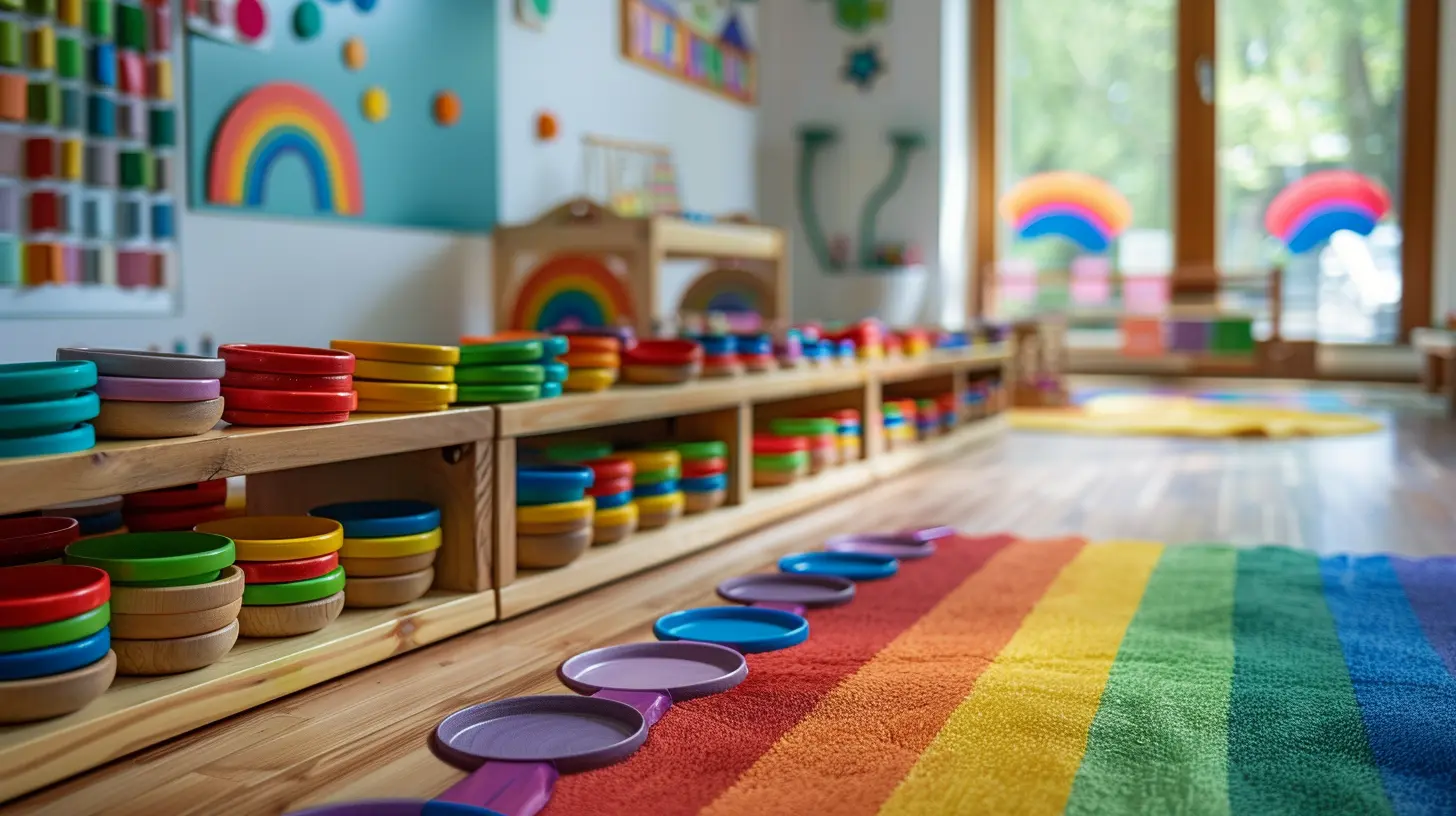
One of the defining features of a Montessori classroom is its calm, orderly environment. This is not just about aesthetics—there’s a real purpose behind it. Montessori classrooms are designed to be peaceful spaces that reduce overstimulation.Why is this important for emotional regulation? When children are in a calm and orderly environment, they are better able to focus on their inner feelings. Overstimulation from noise, clutter, or chaotic surroundings can lead to emotional overwhelm. A Montessori classroom provides a space where children can feel safe, focused, and calm, which is essential for developing self-regulation skills.
3. Grace and Courtesy Lessons
Montessori places a strong emphasis on teaching children lessons in "Grace and Courtesy." These lessons focus on social interactions and how to behave respectfully and thoughtfully in a community. Children learn how to greet others, how to ask for help, and how to express themselves politely.But it’s not just about manners. Grace and Courtesy lessons help children understand social cues and how their actions affect others, which is a big part of emotional regulation. They learn how to manage their feelings in social situations—like when they feel upset because a friend took their toy or when they’re excited and need to calm down.
Through these interactions, children become more attuned to their own emotions and the emotions of those around them. They learn empathy, self-control, and the importance of treating others with kindness.
4. Freedom to Make Mistakes
In a Montessori classroom, mistakes aren’t just tolerated—they’re embraced as part of the learning process. Children are encouraged to explore, try new things, and make mistakes. This is an essential part of developing emotional regulation because it teaches children that it’s okay to fail.Instead of feeling ashamed or frustrated by a mistake, children in Montessori settings are guided to view missteps as opportunities for growth. They learn how to manage their emotions around failure, which builds resilience. They become more comfortable with the idea that emotions like frustration or disappointment are temporary and can be managed.
5. Mindfulness and Reflection
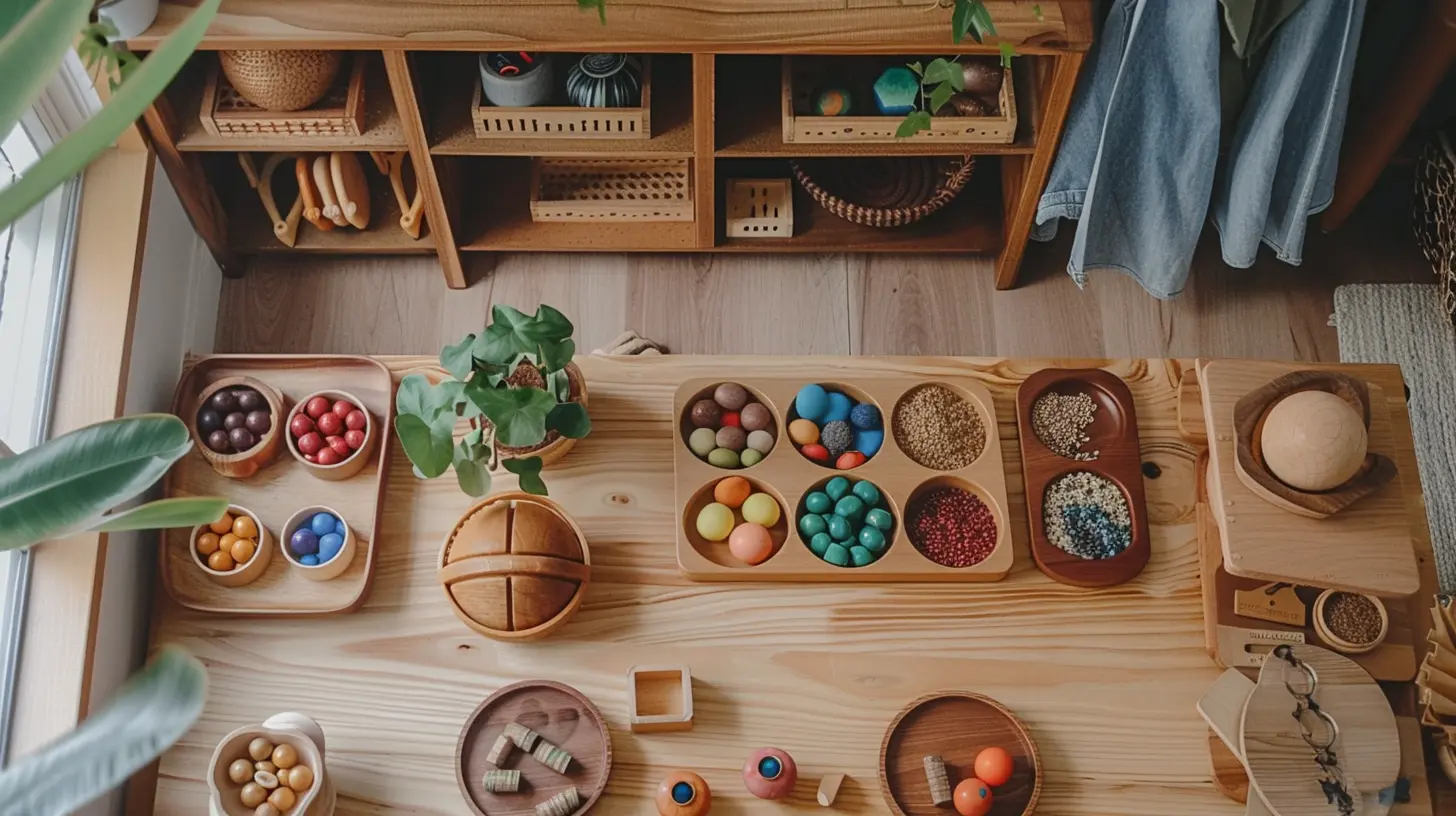
Montessori practices naturally incorporate mindfulness into the daily routine. Montessori materials require focus and precision, which helps children practice being present in the moment. Activities like pouring water, arranging flowers, or using sensorial materials are not only engaging but also meditative. These tasks allow children to slow down, tune into their senses, and focus on the present moment.Mindfulness plays a crucial role in emotional regulation. When children learn how to be present, they become more aware of their emotions and can recognize when they’re starting to feel upset, sad, or angry. This awareness is the first step to managing emotions effectively. Montessori practices encourage this mindfulness in a way that’s natural and enjoyable for children.
6. Conflict Resolution Strategies
In Montessori settings, conflict resolution is often handled through peaceful and constructive approaches. Children are taught how to express their emotions calmly and use language to communicate their needs. Instead of resorting to tantrums or physical aggression, they’re given tools to articulate how they feel and what they need.For example, teachers may guide children in using "I" statements, such as “I feel upset when you take my toy without asking.” This type of communication helps children identify their emotions and express them in a way that promotes understanding and resolution.
Children also learn how to listen to one another and come to a mutual agreement, which not only helps resolve conflicts but also fosters empathy and emotional regulation.
7. Role of the Montessori Guide (Teacher)
In Montessori, teachers are often referred to as "guides," and their role is quite different from a traditional teacher. Rather than dictating what children should do or how they should behave, Montessori guides observe and support the child’s natural development. They provide children with the tools they need to explore their own emotions and behavior.This approach is particularly effective for emotional regulation. Instead of stepping in to solve every problem or calm every outburst, Montessori guides will often allow children to work through their emotions on their own, offering support when needed. This empowers children to develop their own emotional regulation strategies, rather than relying on an adult to manage their emotions for them.

Practical Tips for Parents to Support Emotional Regulation at Home
The beauty of Montessori practices is that they’re not limited to the classroom. There are plenty of ways parents can adopt Montessori principles at home to support their child’s emotional regulation.1. Create a Calm Space
Just like in Montessori classrooms, having a calm, organized environment at home can help children feel more centered. Consider setting up a “peace corner” or a cozy nook where your child can retreat when they need a moment to calm down.2. Offer Choices
Allow your child to make age-appropriate decisions in their daily routine. It can be as simple as choosing between two outfits or deciding what snack they want. This helps them feel a sense of control and responsibility, both of which are key to emotional regulation.3. Practice Mindfulness
Incorporate mindfulness practices into your daily routine. This could be as simple as taking a few deep breaths together when emotions run high or practicing gratitude at the end of the day.4. Teach Emotional Literacy
Help your child label their emotions. When they’re upset, instead of saying “calm down,” try saying, “I see you’re feeling frustrated.” This helps children understand their emotions and gives them the language to express how they feel.5. Model Emotional Regulation
Children learn by example, so it’s important to model emotional regulation yourself. If you’re feeling frustrated or stressed, talk through your emotions in front of your child. This shows them that it’s okay to have big feelings and that there are healthy ways to manage them.Conclusion
Supporting emotional regulation through Montessori practices is about creating an environment where children feel empowered, respected, and calm. By fostering independence, embracing mistakes, teaching conflict resolution, and encouraging mindfulness, the Montessori approach equips children with the tools they need to navigate their emotions effectively.As parents or educators, incorporating these principles—both in the classroom and at home—can help children develop the emotional intelligence they’ll need to succeed in life. After all, emotional regulation is not just about managing feelings; it’s about understanding oneself and interacting with the world in a positive, constructive way.
all images in this post were generated using AI tools
Category:
Montessori EducationAuthor:

Charlotte Rogers
Discussion
rate this article
13 comments
Elin Larsen
Montessori’s hands-on approach not only nurtures cognitive skills but also cultivates emotional intelligence, equipping children with the tools to navigate their feelings with grace and confidence.
April 2, 2025 at 11:30 AM
Charlotte Rogers
Thank you for highlighting the importance of emotional intelligence in Montessori education. Our approach truly empowers children to understand and manage their emotions effectively.
Leah Mahoney
Who knew playing with blocks and pouring sand could be the secret to emotional stability? Montessori proves that learning doesn't have to be boring to be effective!
April 1, 2025 at 8:43 PM
Charlotte Rogers
Absolutely! Montessori methods like block play and sand pouring engage children in joyful learning while fostering essential skills for emotional regulation. It's a perfect blend of fun and growth!
Zeth McDaniel
Embracing Montessori practices is essential for fostering emotional regulation in children. By prioritizing a child's autonomy and providing a structured environment, we empower them to navigate their emotions confidently. Let's commit to these transformative methods that cultivate balanced, resilient future generations without hesitation or compromise!
March 30, 2025 at 4:46 AM
Charlotte Rogers
Thank you for your insightful comment! I completely agree that Montessori practices are vital for nurturing emotional regulation and fostering resilience in children. Your support for these transformative methods is inspiring!
Inez McGinn
Absolutely! Montessori practices offer a beautiful way to nurture emotional regulation in children. By fostering independence and self-awareness, we empower them to manage their feelings effectively. Let’s embrace these transformative methods to cultivate emotional intelligence and resilience, setting our children up for success in all aspects of life. Keep inspiring!
March 29, 2025 at 5:24 AM
Charlotte Rogers
Thank you for your kind words! I completely agree—Montessori practices truly empower children and foster essential emotional skills. Let's continue to inspire each other in this vital work!
Ramona Bellamy
Montessori nurtures self-awareness, fostering essential emotional regulation skills.
March 27, 2025 at 8:13 PM
Charlotte Rogers
Thank you for your insight! Indeed, Montessori methods play a crucial role in developing self-awareness and emotional regulation in children.
Declan Ramirez
Empowering children through Montessori fosters emotional regulation, turning chaos into calm—an invaluable skill for lifelong success.
March 27, 2025 at 1:44 PM
Charlotte Rogers
Thank you for your insightful comment! Empowering children in this way truly lays the foundation for lifelong emotional well-being.
Marigold Elliott
Montessori practices for emotional regulation? Absolutely! Let’s face it, kids need tools for real-life emotions, not just academic drills. Who wouldn’t want a little more zen and a lot less chaos in their classroom? Bring it on!
March 26, 2025 at 9:23 PM
Charlotte Rogers
Thank you for your thoughts! Emphasizing emotional regulation in Montessori helps create a more peaceful and mindful learning environment. It’s essential for developing lifelong skills!
Elizabeth Moore
Beautiful insights! Empowering children through emotional regulation is truly transformative.
March 24, 2025 at 8:49 PM
Charlotte Rogers
Thank you! I’m glad you found the insights valuable. Empowering children in this way is indeed crucial for their development!
Khloe McVicar
Sure, because nothing says "emotional regulation" like a room full of tiny chairs and colorful blocks!
March 20, 2025 at 9:57 PM
Charlotte Rogers
Thank you for your comment! Montessori environments are designed to foster independence and emotional growth, using engaging materials to support self-regulation.
Azurael Barlow
This article beautifully highlights how Montessori practices foster emotional regulation in children. By emphasizing independence and self-directed learning, it offers valuable insights into nurturing emotional intelligence. I appreciate the focus on creating an environment that supports calmness and resilience in young learners.
March 19, 2025 at 9:06 PM
Charlotte Rogers
Thank you for your thoughtful comment! I'm glad you found the article highlights the importance of independence and emotional intelligence in Montessori practices.
Willow Snow
This article beautifully highlights how Montessori practices can enhance emotional regulation in children. By fostering independence and providing a structured environment, we equip kids with essential tools for managing their emotions. Incorporating these strategies can make a significant difference in their overall well-being.
March 19, 2025 at 1:10 PM
Charlotte Rogers
Thank you for your insightful comment! I'm glad you found the connection between Montessori practices and emotional regulation impactful.
Marley McWhorter
This article brilliantly highlights how Montessori practices can enhance emotional regulation in children. By fostering a prepared environment and encouraging independence, educators can help students develop essential self-regulation skills. Integrating mindfulness and sensory activities further supports emotional awareness, empowering children to navigate their feelings and build resilience in a nurturing setting.
March 12, 2025 at 3:30 AM
Charlotte Rogers
Thank you for your insightful comment! I'm glad you found the connection between Montessori practices and emotional regulation compelling. Your emphasis on mindfulness and sensory activities is spot on!
Blade McNab
This article effectively highlights how Montessori practices foster emotional regulation in children by promoting independence, choice, and self-awareness, ultimately equipping them with essential skills for managing their emotions.
March 11, 2025 at 1:44 PM
Charlotte Rogers
Thank you for your thoughtful comment! I'm glad you found the article insightful in illustrating how Montessori practices support emotional regulation in children.
MORE POSTS
Developing Critical Thinking with Debate-Based Lesson Plans

Incorporating Movement into Classroom Activities for Active Engagement

How to Succeed in an Online Learning Environment

How to Manage Time and Resources in a PBL Classroom

Best Practices for Assessing Student Understanding

Tackling Imposter Syndrome as an Adult Student

Integrating Art and Design into STEM Activities

The Importance of Reading Aloud to Your Child

The Power of Peer Learning in School Coding Environments