Teaching Music Appreciation in the Digital Age
20 March 2025
Music has always been an integral part of human culture, resonating with us across time and space. But in today's fast-paced, tech-driven world, how do we foster a genuine appreciation for music? Teaching music appreciation in the digital age presents unique challenges and opportunities. We're no longer restricted to dusty vinyl records or bulky CDs; now, we have unlimited access to music from every corner of the globe at our fingertips. But does this vast access help or hinder the appreciation of music?
In this article, we'll dive into what it means to teach music appreciation in the digital age and how educators can harness the tools of modern technology to inspire a deeper connection with music.
What is Music Appreciation?
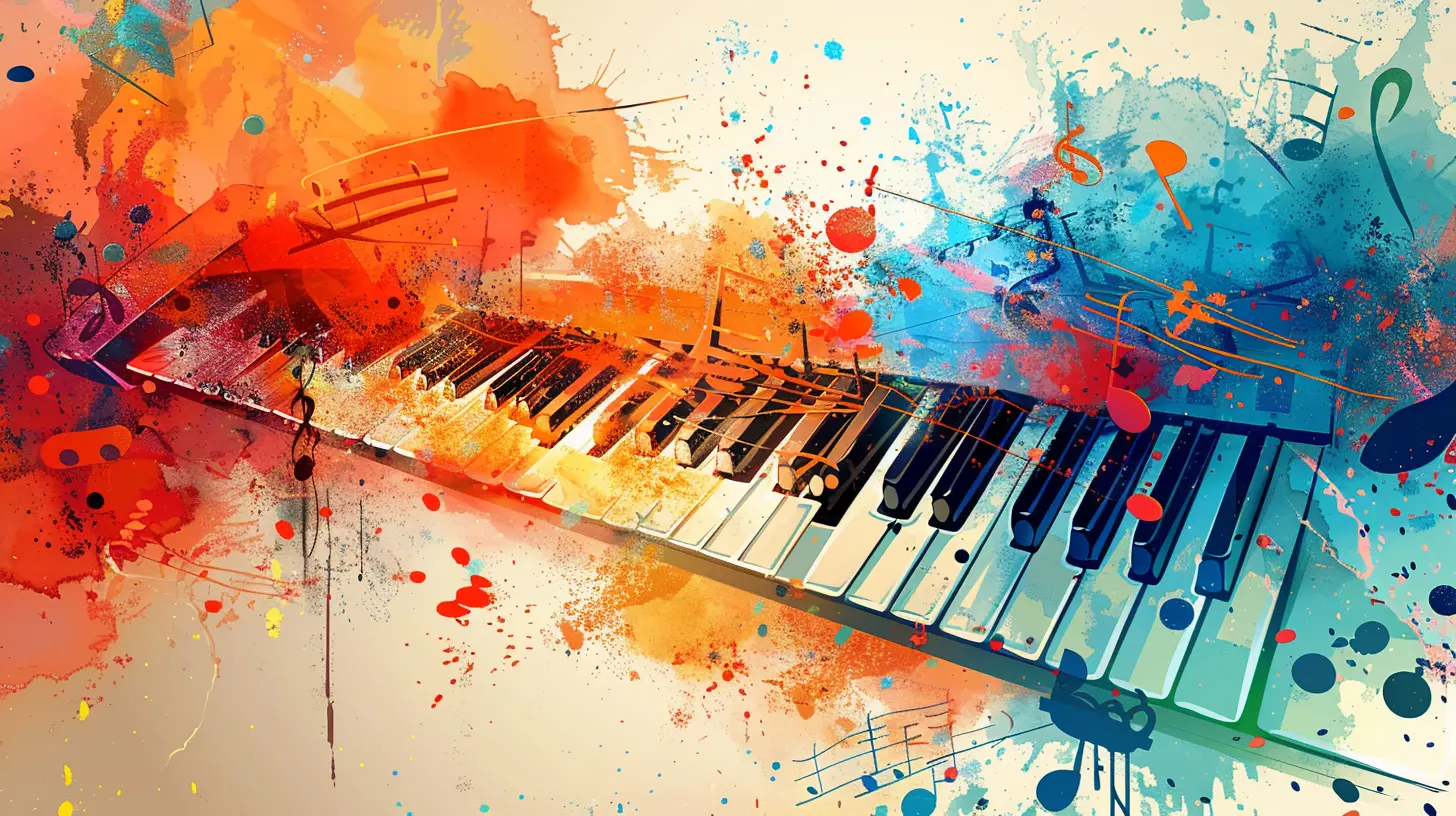
Before we explore how music appreciation has evolved, let's take a moment to define what it actually is. Music appreciation is more than just listening to a song and saying, "Hey, I like that beat." It's about understanding the structure, history, and emotion behind the music. It's about exploring the elements that make a piece of music significant, from rhythm and harmony to cultural context and emotional depth.When students appreciate music, they begin to see it as an art form rather than just a background soundtrack to their lives. They learn to recognize the differences between genres, identify instruments, and understand the historical and cultural significance of specific pieces.

The Shift to Digital: Blessing or Curse?
Technology has transformed nearly every aspect of our lives, and music is no exception. Gone are the days when you'd sit by the radio, waiting to catch your favorite song. Now, with platforms like Spotify, Apple Music, and YouTube, we have instant access to millions of songs. In theory, this should make teaching music appreciation easier, right? Well, yes and no.The Blessings of the Digital Age
Let's start with the positives. The digital world has democratized access to music. Whether you're in a big city or a rural town, you can stream a symphony from Vienna or a jazz quartet from New Orleans. This global access allows students to explore genres they might never have encountered in a traditional classroom setting.Additionally, platforms like YouTube offer a treasure trove of educational content, including video breakdowns of famous compositions, tutorials on music theory, and documentaries on influential artists. With the right guidance, students can use these resources to deepen their understanding of music.
Another advantage is the ability to engage with interactive tools. Apps like GarageBand or Soundtrap let students create their own music, giving them hands-on experience that can enhance their appreciation of musical elements like tempo, melody, and harmony. By creating music, students develop a more profound respect for the complexity and creativity involved in composition.
The Curse of Overabundance
But here's the flip side: when you have endless choices, it's easy to get overwhelmed. With so much music available, students might skip from one song to the next without ever really listening. Instead of immersing themselves in a piece, they may treat music like fast food—consuming it quickly and moving on without savoring the flavors.Moreover, algorithms on streaming platforms often push popular or trendy songs, potentially limiting a student's exposure to lesser-known but equally important works. This is where educators need to step in, guiding students toward a more thoughtful, intentional engagement with music.

Strategies for Teaching Music Appreciation in the Digital Age
So, how can educators effectively teach music appreciation in this new landscape? Here are some strategies to help students slow down, listen intently, and develop a deeper connection with music.1. Curate Playlists with Purpose
One of the simplest and most effective tools for teaching music appreciation is the playlist. But rather than leaving students to their own devices, educators can curate playlists that highlight specific elements of music.For example, a playlist could focus on different interpretations of a single piece, showcasing how various conductors or artists bring their own flair to the same composition. Another playlist might explore the evolution of a genre, from its roots to its modern-day iterations.
By providing context and direction, educators can help students approach these playlists with a more analytical mindset, rather than just passively listening.
2. Encourage Active Listening
Active listening is a critical skill for music appreciation. It’s about engaging with the music, not just letting it wash over you. Ask students to focus on specific elements: Can they pick out the different instruments? How does the rhythm change throughout the piece? What emotions do they feel when listening?To make this more interactive, you can ask students to write short reflections after listening to a piece. Encourage them to describe not only what they heard but also how it made them feel. This exercise can help students develop a more personal connection to the music.
3. Integrate Visuals and History
Music doesn’t exist in a vacuum. It's often intertwined with historical events, cultural movements, and visual art. For example, when teaching classical music, educators can incorporate visuals from the time period or share stories about the composer’s life. This helps students understand that music is a reflection of its time and place.You could also introduce students to music videos or live performances that enhance the listening experience. For instance, watching a live performance of a symphony can give students a better sense of the dynamics between musicians, the conductor, and the audience.
4. Leverage Technology for Interactive Learning
We live in a tech-savvy world, so why not embrace it? There are plenty of apps and software that can enhance the music appreciation experience. Apps like "MuseScore" allow students to follow along with a musical score in real-time as they listen to a piece, helping them see how the music is constructed.Another great tool is "SmartMusic," an interactive platform that provides students with instant feedback as they play their instruments. While this is more geared towards performance, it can also help students appreciate the technical aspects of music and understand what goes into creating a polished piece.
5. Compare Old and New
One of the most exciting opportunities in the digital age is the ability to draw connections between the old and the new. Students who are passionate about modern music may not initially connect with classical pieces, but they might be more interested when they see the influence of older works on the music they love today.For example, you could compare Beethoven's symphonies to film scores by composers like Hans Zimmer or John Williams. Show how elements of classical composition still play a significant role in modern soundtracks. By drawing these parallels, students can develop a more comprehensive understanding of music across time periods.
6. Create a Collaborative Learning Environment
Music is inherently social. Whether it’s a band jamming together or a full orchestra performing for an audience, music often brings people together. Leverage this by creating a collaborative learning environment in your classroom.One idea is to have students work in groups to analyze a piece of music. Each group can focus on a different aspect, such as melody, harmony, or historical context, and then come together to share their findings. This not only encourages deeper exploration but also fosters a sense of community among students.
7. Foster Personal Connections to Music
In the end, music appreciation isn't just about understanding the technical aspects of a piece—it's about forming a personal connection to it. Encourage students to explore their own musical tastes and share their favorite songs with the class. You could even have students create "soundtrack of my life" projects, where they choose songs that represent different phases or moments in their lives.By validating their personal experiences with music, you help students see that music appreciation is subjective and deeply individual. It's not about liking the "right" kind of music, but about developing a deeper understanding and connection to any music that resonates with them.
Challenges in Teaching Music Appreciation Today
While there are many opportunities for teaching music appreciation in the digital age, there are also some challenges. One of the biggest issues is the "disposable" nature of music today. With endless streams of new releases, students may not take the time to revisit older works or fully immerse themselves in a piece before moving on to the next.Additionally, the rise of short-form content (think TikTok snippets) has led to a decrease in attention spans. Students might be more accustomed to consuming music in bite-sized pieces rather than listening to a full symphony or album.
Educators need to counteract this by encouraging depth over breadth. Rather than trying to cover a wide range of pieces superficially, focus on a few key works and explore them in detail. Quality over quantity is the key.
Conclusion: The Future of Music Appreciation
In the digital age, teaching music appreciation is about finding a balance between the new and the old, the technical and the emotional. By leveraging the tools of modern technology while fostering a deeper connection to music, educators can inspire students to not only appreciate music but to truly love it.The goal isn't just to teach students how to listen to music, but to help them understand its power, its beauty, and its capacity to move us. And in a world where music is more accessible than ever, that kind of appreciation is more important than ever before.
all images in this post were generated using AI tools
Category:
Music EducationAuthor:

Charlotte Rogers
Discussion
rate this article
12 comments
Mateo McQuillen
Music connects us all!
January 29, 2026 at 1:11 PM
Charlotte Rogers
Absolutely! Music transcends barriers and fosters a sense of community, making it an essential part of our shared experience in this digital era.
Sheena Montgomery
Embracing technology in music appreciation not only enhances learning but also connects students to diverse cultures and experiences.
December 17, 2025 at 3:46 AM
Charlotte Rogers
Thank you for your insightful comment! I completely agree—technology indeed enriches music education by fostering cultural connections and enhancing the learning experience.
Piper Fuller
In a world where playlists reign supreme, teaching music appreciation is about nurturing discernment—transforming passive listeners into active explorers of sound, history, and emotion. Tune in to teach well!
April 4, 2025 at 11:29 AM
Charlotte Rogers
Thank you for your insightful comment! Nurturing discernment is indeed crucial in transforming listeners into thoughtful explorers of music. Let's keep encouraging that journey!
Azurael Young
While the digital age offers unprecedented access to diverse musical genres, it also risks superficial engagement. Educators must balance technology's convenience with fostering deep listening and critical analysis, ensuring students not only consume music but also appreciate its cultural contexts and emotional depth.
April 2, 2025 at 11:30 AM
Charlotte Rogers
Thank you for your insightful comment! I agree that while technology enhances access, it’s crucial for educators to promote deep engagement with music's cultural and emotional layers. Balancing convenience with critical listening is essential in our teaching.
Sandra Sweeney
This article highlights the challenges and opportunities in teaching music appreciation today. Emphasizing engagement through technology can enrich students' experiences, but it also risks superficial understanding. Balance is crucial for deep musical connections.
April 1, 2025 at 8:43 PM
Charlotte Rogers
Thank you for your insightful comment! I completely agree that while technology can enhance engagement, maintaining a balance is essential for fostering genuine musical connections.
Gianna Williams
Embrace technology by utilizing online resources, interactive apps, and virtual concerts to enhance music appreciation, making learning engaging and accessible for all students.
March 30, 2025 at 4:46 AM
Charlotte Rogers
Thank you for your insightful comment! Embracing technology truly enriches music appreciation and makes learning more engaging and accessible for all students.
Marlowe Ross
Embracing digital tools in music education enhances engagement and accessibility, empowering students to explore diverse genres and deepen their appreciation. It's time to innovate our approaches!
March 29, 2025 at 5:24 AM
Charlotte Rogers
Thank you for your insightful comment! I completely agree that digital tools can transform music education, making it more engaging and accessible for all students.
Kirk Navarro
Thank you for this insightful article! It’s refreshing to see innovative approaches to teaching music appreciation in our digital world. Emphasizing the importance of technology in fostering creativity and engagement will undoubtedly enrich students' experiences and deepen their connection to music.
March 27, 2025 at 8:13 PM
Charlotte Rogers
Thank you for your kind words! I'm glad you found the article insightful and relevant to today's music education landscape.
Gabriel McQuillen
This article beautifully highlights the evolving role of technology in music appreciation. It’s inspiring to see how digital tools can enhance our understanding and love for music. Embracing these innovations while fostering genuine connections to music is key to enriching our students' experiences. Great insights!
March 27, 2025 at 1:44 PM
Charlotte Rogers
Thank you for your thoughtful comment! I'm glad you found the article inspiring and appreciate your emphasis on balancing technology with genuine connections in music education.
Reece Estes
Exploring music appreciation in the digital age fosters critical listening skills and cultural awareness. Utilizing online resources and interactive platforms enhances student engagement and broadens access to diverse musical experiences.
March 26, 2025 at 9:23 PM
Charlotte Rogers
Thank you for your insightful comment! I completely agree that digital resources play a vital role in enriching music appreciation and fostering engagement among students.
Reina Reed
Embrace technology, foster deeper connections.
March 24, 2025 at 8:49 PM
Charlotte Rogers
Absolutely! Embracing technology can enhance our ability to connect with music and each other in meaningful ways.
Mandy McQuillan
What a fantastic read! It’s so important to explore music appreciation in today’s digital world. I love how technology can enhance learning and connect us to diverse musical experiences. Can’t wait to try these ideas!
March 20, 2025 at 9:57 PM
Charlotte Rogers
Thank you! I'm thrilled you enjoyed it and appreciate the importance of technology in music education. Happy exploring!
MORE POSTS
The Importance of Reading Aloud to Your Child

How to Create a Distraction-Free Study Environment

How to Encourage Independent Thought in the Classroom

Cultivating Digital Entrepreneurs: Teaching Coding Skills for Business

Exploring the World of Nonfiction: Introducing Early Readers to Informational Texts
How to Use Exit Tickets for Real-Time Feedback

Empowering Students with Choice: How to Differentiate by Interest

The Role of Peer Assessment in Collaborative Learning