The Benefits of Montessori Education for Children with Special Needs
17 August 2026
Ever heard someone rave about Montessori education and wondered what the big deal is—especially when it comes to kids with special needs? You're not alone, my friend. While traditional classrooms might make some kids feel like square pegs in round holes, Montessori offers a breath of fresh air. It’s like handing each child their very own learning map, complete with personalized directions.
In this article, we’re going to break down why Montessori isn’t just a trend—it’s a game-changer for children who think, learn, and experience the world a little differently. So grab your favorite cup of coffee (or tea, we don’t judge) and settle in.
What is Montessori Education, Anyway?
Let’s start with the basics. Montessori education is a teaching method developed by Dr. Maria Montessori over a century ago. It's all about child-led learning, hands-on activities, and respect for the individual pace of each learner.Imagine a classroom where kids aren’t sitting in neat rows memorizing facts for a test. Instead, they’re choosing activities that spark their curiosity, working alone or in small groups, and getting the freedom to move around and explore. That’s Montessori in a nutshell.
Now, toss in the unique needs of children with special needs, and this style of learning becomes even more magical.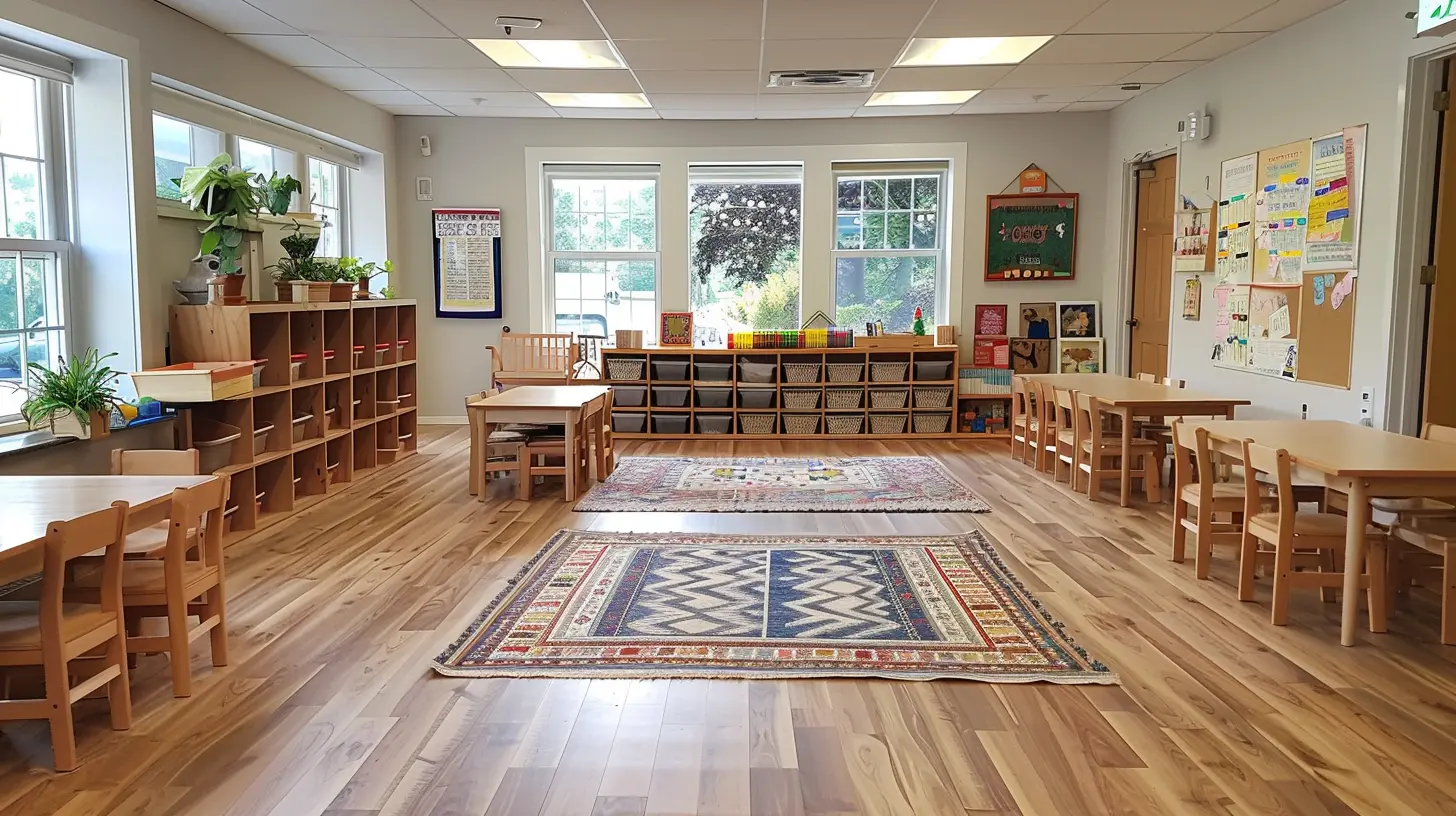
Why Traditional Classrooms Don’t Always Fit
Traditional education systems often lean on a one-size-fits-all approach. Think about it—you’ve got a rigid schedule, standardized tests, and a curriculum that doesn’t always allow for creativity or different learning speeds.For children with special needs, this can be more frustrating than trying to solve a Rubik’s Cube blindfolded. They might need more time, different learning tools, or just a quieter, gentler space. And honestly? Traditional classrooms don’t always provide that.
Enter Montessori: A Breath of Fresh Air
So how does Montessori make it all better? Glad you asked. Let’s dive into the juicy details.1. Individualized Learning – One Size Doesn’t Fit All Here
In a Montessori classroom, there’s no pressure to keep up with the kid next to you. Each child is encouraged to learn at their own pace. For children with special needs, this can mean the difference between stress and success.Whether it’s dyslexia, ADHD, autism, or other learning differences, Montessori gives kids the freedom to take their time, revisit materials, and build confidence step by step.
It’s like having a personalized playlist instead of listening to the same old radio station as everyone else.
2. Hands-On Learning for the Win
Montessori materials are super tactile. Think wooden puzzles, textured letters, and color-coded math tools. These aren't just pretty toys—they’re carefully designed to teach concepts in a concrete way.For kids with sensory processing disorders or those who struggle with traditional verbal instruction, this hands-on learning is a total game-changer. It’s learning you can touch, feel, and truly understand.
3. A Calm and Structured Environment
Let’s face it—some schools are loud, hectic, and overwhelming. For kids who are easily overstimulated, that’s a recipe for meltdowns. Montessori classrooms are intentionally designed to be calm, organized, and soothing.The order of the room, the quiet voices, the gentle routines—it all helps children feel safe and secure, especially those with anxiety, autism, or other sensory sensitivities.
It’s like turning down the volume on a chaotic world so they can finally hear their own thoughts.
4. Teachers as Guides, Not Bosses
Montessori teachers don’t bark orders or run through a script. They observe, guide, and support. That makes a huge difference for kids who need extra patience or a learning partner who really “gets” them.Instead of labeling a child as "behind" or "disruptive," Montessori educators focus on strengths and interests. They celebrate effort, not just results. And that, my friends, builds confidence faster than a double shot of espresso on a Monday morning.
5. Social Skills Develop Naturally
You might be thinking, “But what about socialization?” Great question! Montessori classrooms are mixed-age, and that actually helps kids practice social skills in a more natural and less pressured way.Older kids help younger ones, and everyone learns how to communicate, collaborate, and solve problems together. For children with social challenges, this environment gives them the chance to practice in real time—with kindness and patience all around them.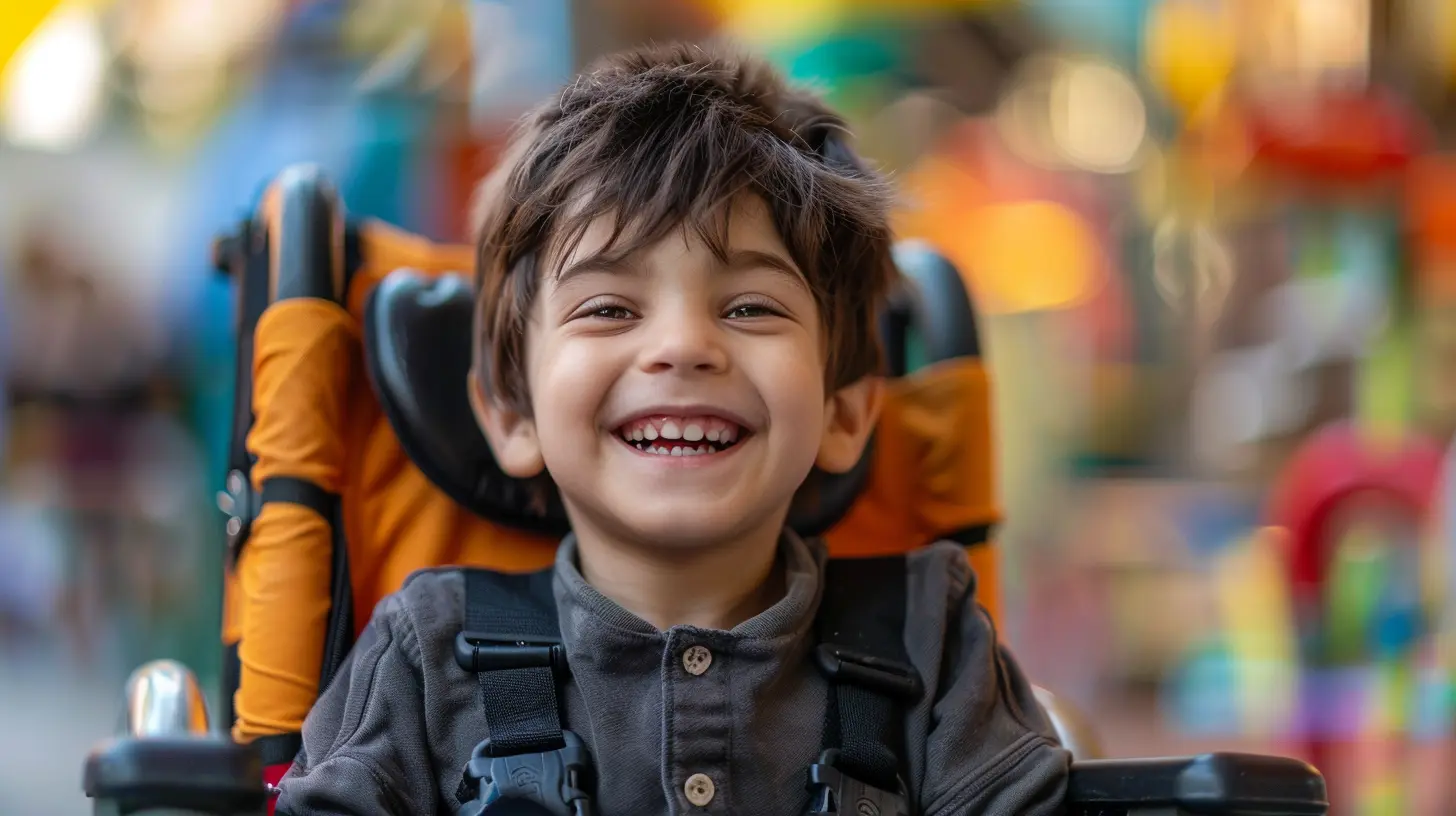
Real-Life Wins: Success Stories You’ll Love
Let’s talk success stories. There are tons of parents and educators who’ve seen children with special needs thrive uniquely in Montessori settings.Take Jackson, for example—a nonverbal 6-year-old with autism who’d been struggling in a mainstream classroom. Within months of joining a Montessori program, he found a love for puzzles, started using sign language, and even showed signs of emerging verbal skills. All because he finally had the right space to grow.
Or Sophia, a little girl with dyslexia, who once dreaded reading time. In Montessori, she got to explore phonics using sandpaper letters and move at her own speed. Today? She’s the first to volunteer to read aloud in class.
These aren’t fairy tales. These are real kids with real breakthroughs.
Common Special Needs That Benefit from Montessori
While every child is different (and we wouldn’t have it any other way), there are certain special needs that respond especially well to the Montessori approach. Here’s a quick breakdown:- Autism Spectrum Disorder (ASD): The structured routine, sensory-friendly materials, and focus on independence are a dream match for many kids on the spectrum.
- ADHD: The freedom to move, hands-on tasks, and small group work can help kids channel their energy productively.
- Dyslexia and Learning Disabilities: Montessori’s multisensory learning tools and non-traditional reading methods can make literacy more accessible—and more fun.
- Sensory Processing Disorder: Gentle environments and sensory-integrated materials offer safe exploration without overload.
- Speech and Language Delays: Language happens naturally in Montessori—through storytelling, conversation, and expressive activities.
Again, every child is different. But that’s kind of the whole point, right?
But Wait—Is Montessori for Everyone?
Well, here’s the honest tea: Montessori isn’t a magical fix-all. It works best when schools are truly committed to authentic Montessori principles and when teachers have specialized training—especially in understanding special needs.Also, some children may thrive more in environments with more structure or direct support, depending on their individual needs. It’s all about fit.
That said, many families find that even just incorporating Montessori-style methods at home can make a big difference.
Tips for Parents Considering Montessori for Their Child with Special Needs
Thinking of going the Montessori route? Here are a few pro tips:1. Visit the School: Seriously. Walk through the classroom. Watch the kids. Talk to the teachers. A good Montessori school will welcome your curiosity.
2. Ask About Teacher Training: Not all Montessori programs are created equal. Make sure teachers are certified and experienced in working with special needs.
3. Observe Your Child: Does your child thrive in peaceful, hands-on environments? Do they enjoy working independently? Look for signs that they might love this style of learning.
4. Stay Involved: Montessori encourages parent involvement. Be part of the journey. Share feedback. Keep communication open.
5. Be Patient: Change doesn’t happen overnight. Give your child time to adjust and grow.
How Montessori Supports Emotional Development
Let’s not forget the emotional side of learning. For kids with special needs, emotional regulation can be just as crucial as academic growth.Montessori encourages self-reflection, empathy, and grace. Kids learn how to manage frustration, communicate needs, and celebrate themselves exactly as they are.
It’s not just ABCs and 123s—it’s about helping children feel seen, heard, and capable. That’s powerful.
Wrapping It Up: Every Child Deserves a Place to Shine
If you're still wondering whether Montessori education is right for your child with special needs, here’s the gentle nudge you’ve been waiting for—it just might be. This approach celebrates uniqueness, encourages independence, and creates a safe space for every child to bloom.Montessori isn't just a method; it's a mindset. One that says, “You matter. Your pace matters. Your way of learning is valid.”
And honestly? That’s exactly what every child deserves.
all images in this post were generated using AI tools
Category:
Montessori EducationAuthor:

Charlotte Rogers