The Benefits of Reading Multicultural Books with Young Children
4 July 2026
Let’s face it: the world is way more colorful, diverse, and interconnected than ever before. And when it comes to raising the next generation to be kind, open-minded humans, reading plays a surprisingly huge role. Especially reading multicultural books.
If you’re a parent, teacher, or anyone involved in shaping little minds, you might be wondering—why does it matter? Aren’t books just books? Well, not exactly. The stories we give children are like seeds. What we plant now grows later. So let’s dive into why reading multicultural books with young children is one of the best things you can do for their development, empathy, and worldview.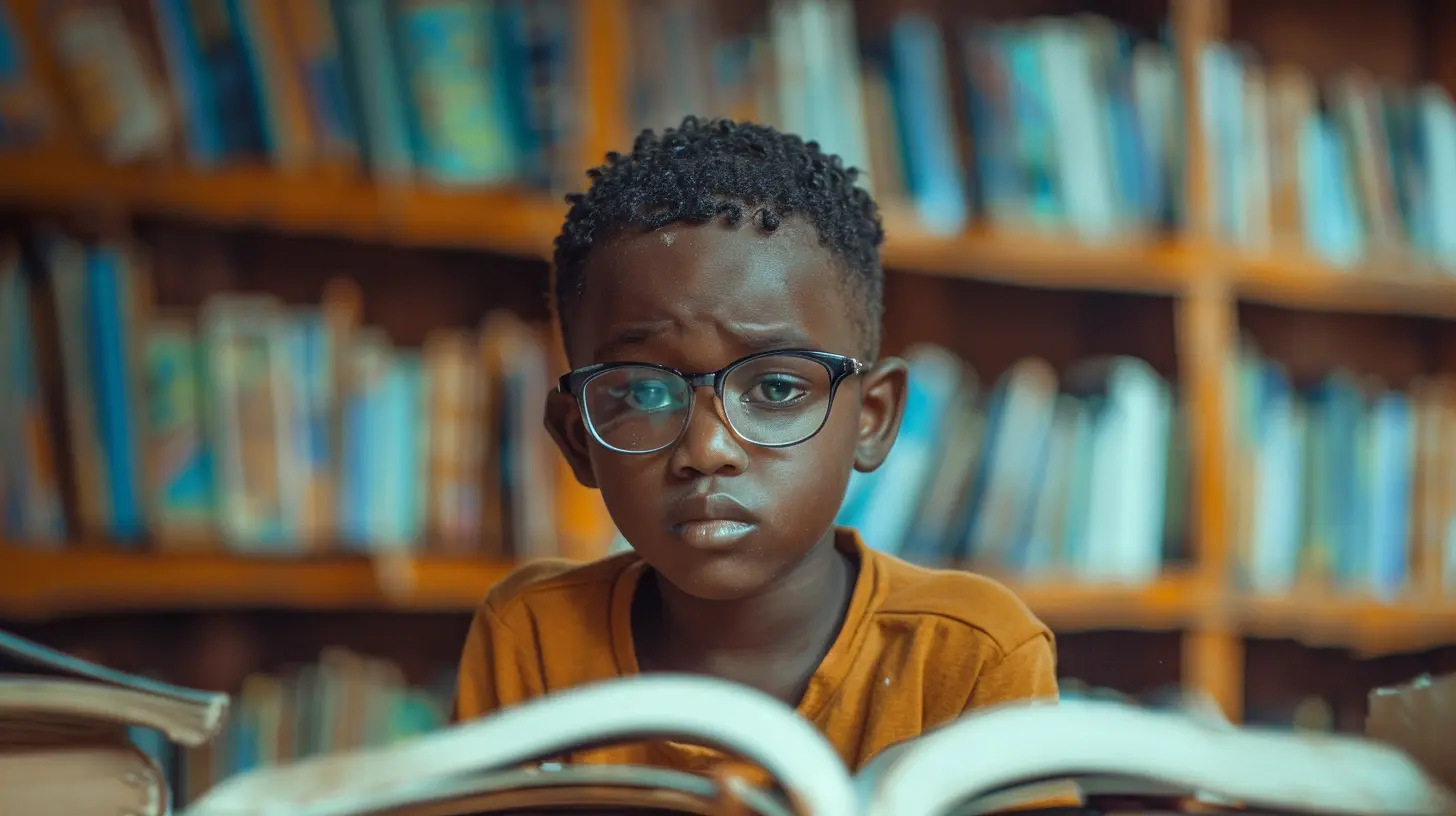
What Are Multicultural Books Anyway?
Before we go further, let’s break it down. When we say “multicultural books,” we mean books that:- Represent diverse cultures, languages, and traditions.
- Feature characters from different ethnic backgrounds.
- Share stories rooted in different communities around the globe.
- Celebrate inclusion, acceptance, and equity.
Basically, these are stories that highlight more than just one way of living, looking, or believing.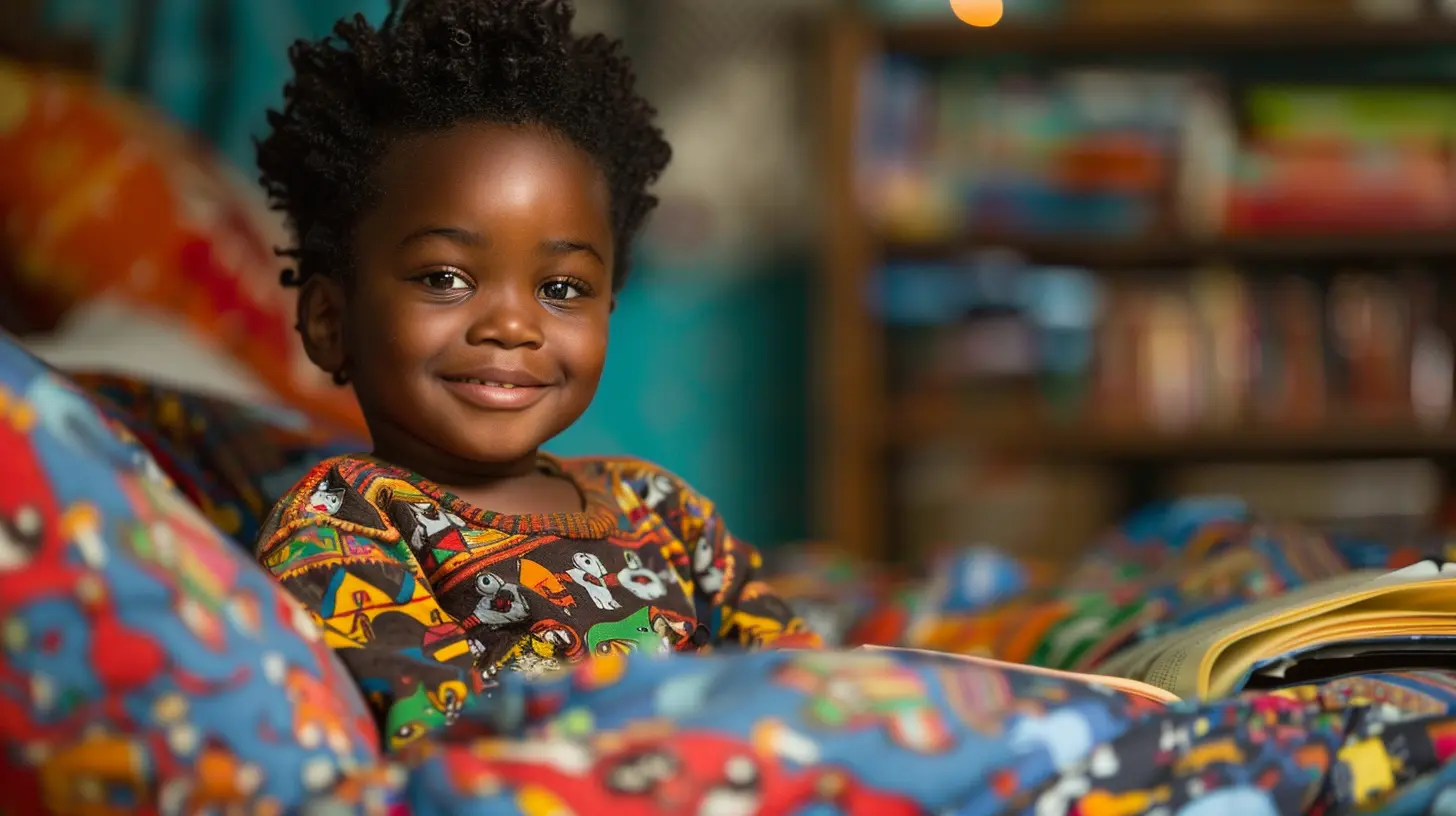
Why Start Young?
You’ve probably heard people say, “Kids don’t see color.” That’s... kind of a myth. In reality, children start noticing differences very early—somewhere between 6 months to 1 year old. By the time they’re toddlers, they’re already picking up social cues and absorbing messages from the world around them like sponges.So, instead of pretending children don't notice differences, the real win is helping them understand those differences—and appreciate them. That’s where books come in.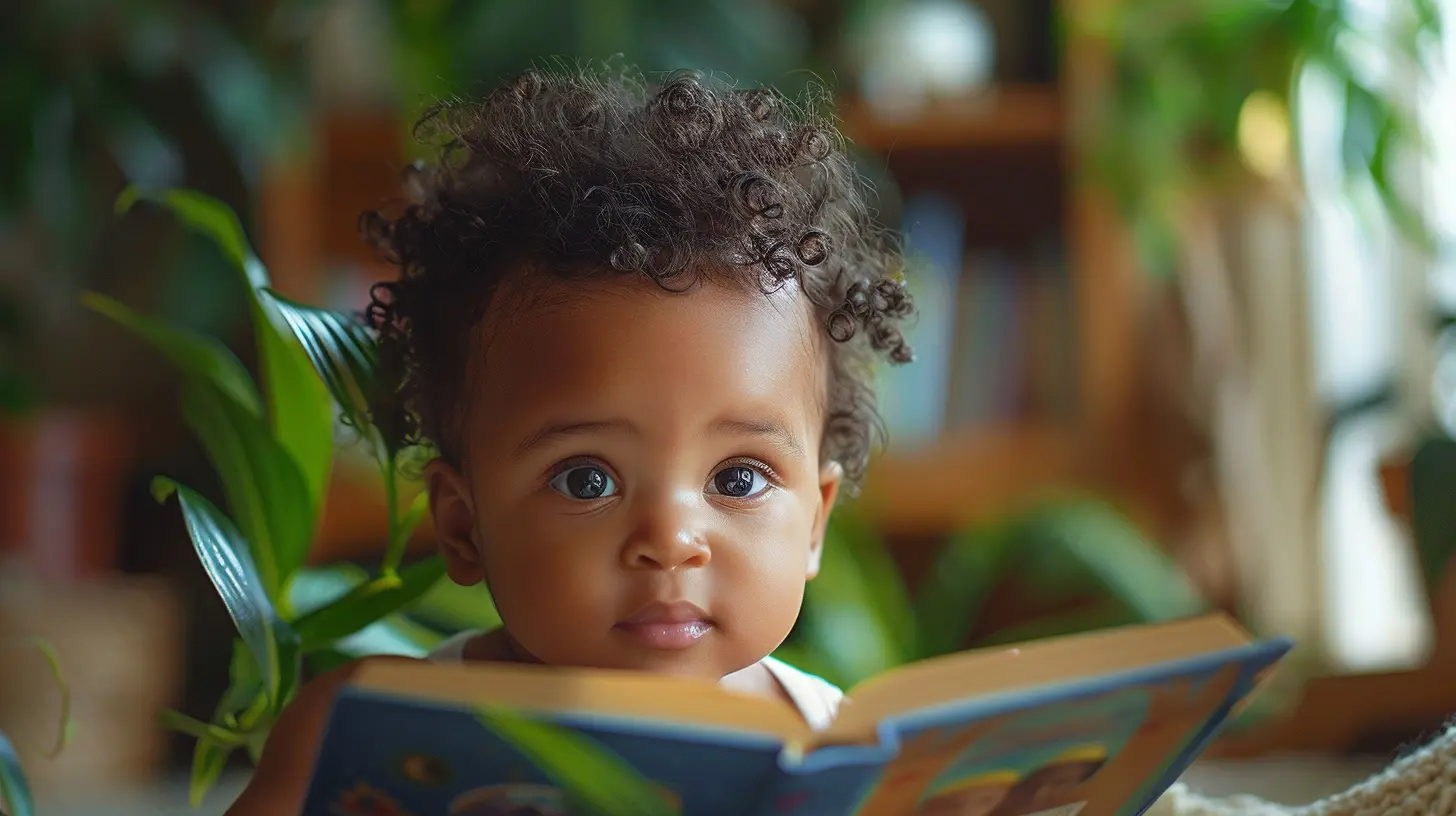
1. Builds Empathy and Emotional Intelligence
Ever notice how young children often read with wide eyes, like they’re right there in the story? That’s because books let them step into someone else’s shoes—someone who may look, speak, or live differently from them.Multicultural stories help kids imagine life from another child’s point of view. Maybe they read about a little girl wearing a hijab, a boy celebrating Diwali, or a family living through immigration. These stories aren't just "cute"—they give kids emotional practice in understanding others.
And that, my friend, is the ultimate empathy training.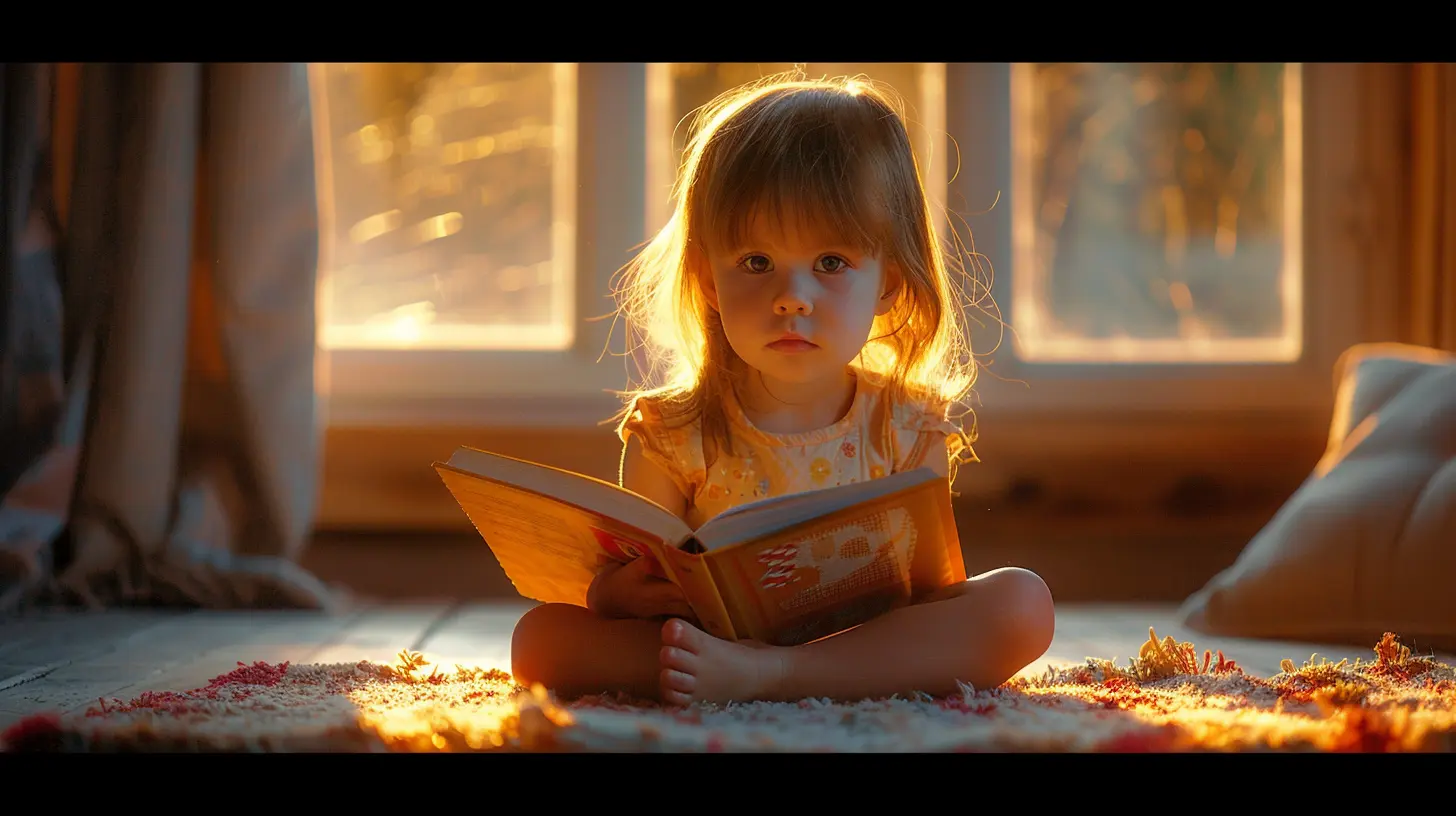
2. Encourages Respect and Inclusion
It's easy to fear what we don't understand. But it's a lot harder to judge when you've read about someone’s life, laughed with their story, or rooted for them as a character. Multicultural books give kids firsthand experiences—without leaving the couch.They’ll learn:
- Different doesn’t mean bad.
- Every culture has beauty, strength, and value.
- There’s room for everyone’s story.
And when kids grow up respecting others, they’re way less likely to bully, exclude, or stereotype.
3. Validates Every Child's Identity
Let’s pause and talk about representation.Imagine being a child who never sees anyone who looks like you in a story. Wouldn’t you start to wonder if you mattered?
Multicultural books give children that "Hey, that’s me!" moment. It tells them, "You belong. Your story matters." That confidence? That sense of self-worth? It starts right here.
Representation isn’t just good for kids of color. It’s essential.
4. Gives a Broader Worldview
Reading stories from different cultures expands a child’s universe. Instead of thinking their way is the “only” way, they learn there are many ways to live, think, and celebrate.They’ll get curious. Ask questions. Maybe even pick up new words and traditions. Books become passports, and every page is a new stamp.
And let's be honest. The world is global now. Whether they grow up to be travelers, teachers, or tech geniuses, understanding different cultures is a real-life superpower.
5. Encourages Critical Thinking
Multicultural books often introduce topics like racism, immigration, colonization, or social justice—stuff that matters deeply but is often watered down (or avoided altogether) in many educational settings.When kids engage with these stories, they:
- Ask why things are the way they are.
- Think about fairness and justice.
- Begin to question stereotypes and assumptions.
In short, they start thinking for themselves. And that’s the kind of wisdom we need more of in the world.
6. Improves Language and Literacy Skills
Let’s not forget the basics. Reading, in general, builds vocabulary, comprehension, and attention span. But multicultural books go the extra mile.They introduce:
- Richer, more diverse vocabulary.
- Cultural idioms and expressions.
- New settings and perspectives.
Reading about a Korean New Year, an African folktale, or a Mexican family dinner introduces new words and new worlds—all at once.
7. Promotes Open Conversations About Race and Identity
Let’s face it—talking about race with kids can feel awkward. But books? They’re the perfect conversation starter.You don’t have to lecture. You just read. Then ask:
- "How would you feel if that happened to you?"
- "What did you think about that tradition?"
- "Why do you think the character felt left out?"
Boom. You’re having meaningful conversations without the pressure.
This kind of open dialogue lays the groundwork for honesty, empathy, and courage later on.
8. Helps Prevent Bias Formation
Children are like little detectives. They’re constantly looking for patterns. So when all the heroes in books are light-skinned and all the villains are dark-skinned? They notice.Multicultural books break these patterns. They disrupt stereotypes before they even take root.
The more kids are exposed to positive, diverse characters, the more naturally inclusive their thinking becomes.
9. Encourages Family Bonding Across Cultures
If you're from a multicultural family—or if you're raising a child who’s biracial or adopted from another country—these books become lifelines.They help children understand their roots, their identity, their culture(s). They bridge the gap between generations and help parents explain “where we come from” in beautiful, relatable ways.
Even in families where everyone shares the same background, reading about others brings everyone closer through conversation and shared learning.
10. It’s Just More Fun!
Seriously—cultural stories are loaded with excitement. Think about:- Celebrations like Chinese New Year or Carnival in Brazil.
- Foods like injera, biryani, or tamales making appearances in cozy family scenes.
- Traditions like dragon boat racing, bead making, or storytelling around the fire.
These books are filled with color, rhythm, flavor, history, music, and art. It’s like traveling the world without ever leaving your bedtime routine.
How to Choose the Right Multicultural Books
Not all "diverse" books are created equal. Some do a better job than others. Here are a few tips when building your child's multicultural bookshelf:- Authenticity matters: Look for books written by authors from the culture being represented.
- Avoid stereotypes: Run far from stories that reinforce clichés or oversimplify.
- Include everyday stories: Not every book needs to be about struggle—look for joy, love, and humor too!
- Think globally AND locally: Don’t forget the cultures right around you, including Indigenous voices.
Some Great Titles To Get Started
Here are a handful of well-loved multicultural books to kick things off:- Last Stop on Market Street by Matt de la Peña
- Hair Love by Matthew A. Cherry
- Eyes That Kiss in the Corners by Joanna Ho
- We Are Water Protectors by Carole Lindstrom
- Julian is a Mermaid by Jessica Love
- My Papi Has a Motorcycle by Isabel Quintero
- A Big Mooncake for Little Star by Grace Lin
Keep rotating and adding. Kids love re-reading favorites, but mixing it up can keep their curiosity charged.
Final Thoughts
At the end of the day, reading multicultural books with young children isn’t about being “woke” or trendy. It’s about shaping kind humans. It’s about giving them the tools to see others, hear others, and treat others the way they’d want to be treated.It’s about storytelling that mirrors the real, diverse world we live in—and the even better one we’re all trying to build.
So the next time you’re picking out a picture book, ask yourself: “Whose story is this?” Then ask, “Whose story are we missing?”
And go find it.
all images in this post were generated using AI tools
Category:
Early LiteracyAuthor:

Charlotte Rogers
Discussion
rate this article
3 comments
Iliana Carter
Great insights! Multicultural books enrich children's understanding and empathy.
July 11, 2026 at 7:56 PM
Charlotte Rogers
Thank you! I'm glad you found the insights valuable—multicultural books truly play a crucial role in fostering understanding and empathy in young readers.
Melody Harper
This article beautifully highlights the importance of multicultural books in fostering empathy and understanding in young children. A valuable resource for educators and parents alike!
July 10, 2026 at 3:29 AM
Charlotte Rogers
Thank you for your kind words! I'm glad you found the article valuable for fostering empathy in young readers.
Talia Price
Expand horizons—diversity enriches young minds!
July 5, 2026 at 4:16 AM
Charlotte Rogers
Absolutely! Exposure to diverse stories fosters empathy and broadens perspectives, helping young minds grow in understanding and appreciation of different cultures.