The Future of Classroom Assessments: Trends and Innovations
26 April 2026
Education is changing, and so are the ways we assess student learning. The traditional model of pen-and-paper tests is giving way to more interactive and intelligent assessment methods. With the rise of technology, data-driven insights, and personalized learning, the future of classroom assessments is looking more dynamic than ever.
So, how will assessments evolve in the coming years? Let’s explore the latest trends and innovations shaping the way students are evaluated.

The Shift from Standardized to Personalized Assessments
For years, standardized testing has been the go-to method for evaluating student performance. But let’s be honest—one-size-fits-all assessments don’t always reflect true learning. Every student learns differently, and rigid tests can’t always measure creativity, problem-solving, or critical thinking skills.That’s why personalized assessments are gaining traction. These evaluate students based on their individual learning paths, strengths, and weaknesses. Instead of preparing for a generic test, students engage in assessments tailored to their unique progress.
How Personalized Assessments Work
- Adaptive tests that adjust difficulty levels based on student responses- Open-ended projects showcasing real-world problem-solving
- AI-driven evaluations that provide customized feedback
By focusing on individual growth, personalized assessments ensure a more accurate measure of a student’s capabilities.
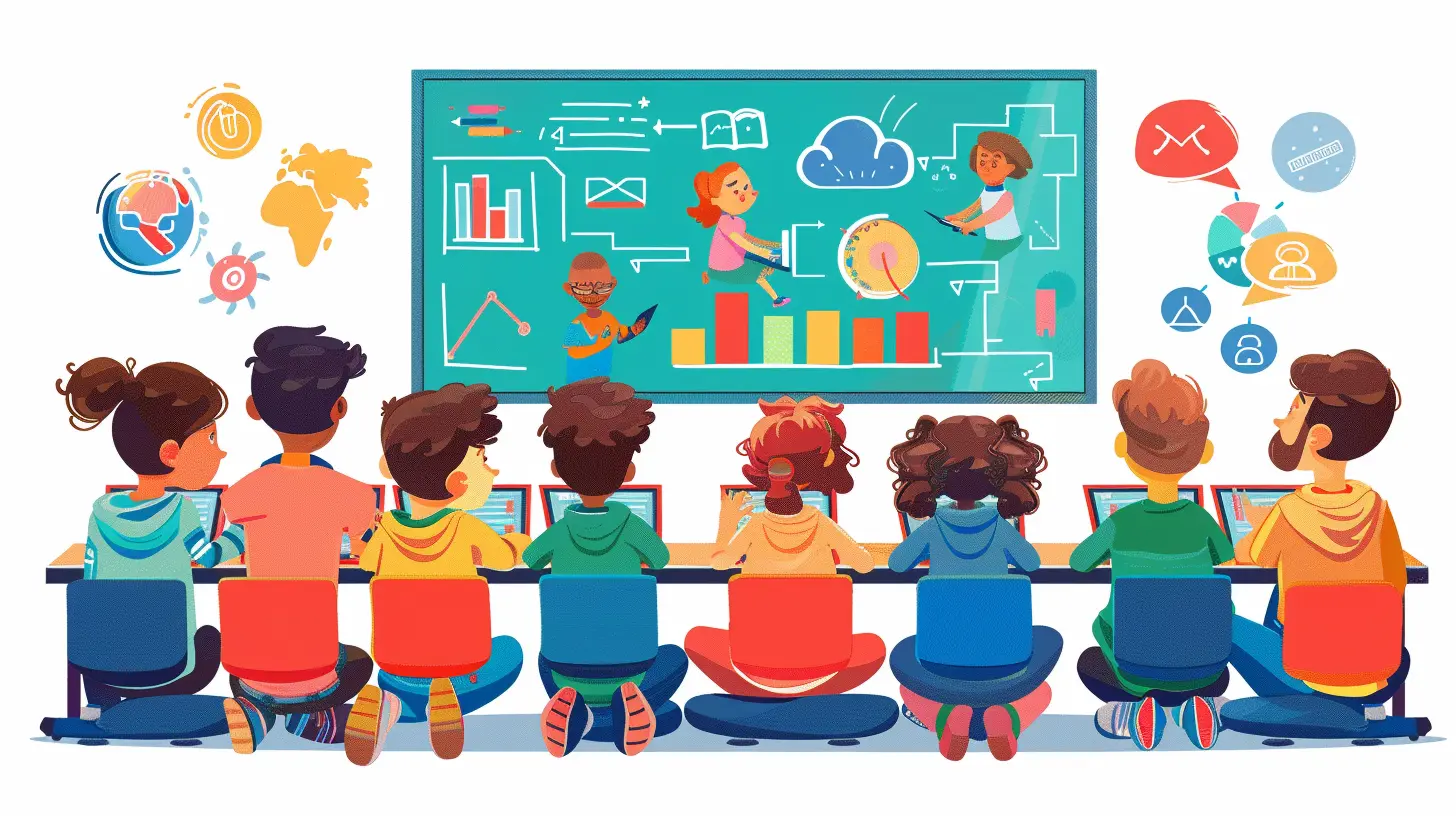
The Role of Artificial Intelligence in Classroom Assessments
AI is revolutionizing almost every industry, and education is no exception. In classroom assessments, artificial intelligence is making grading, feedback, and evaluation smarter and faster.AI-Powered Grading
Traditionally, grading has been time-consuming—especially for essays and projects. AI tools can now analyze written responses, detect patterns, and provide instant grading and feedback. While human teachers still play a crucial role, AI lightens the workload and offers immediate results.Automated Feedback
Imagine submitting an assignment and getting personalized feedback in minutes. AI-driven tools can evaluate sentence structure, grammar, and even the depth of analysis in a student’s work. This means students don’t have to wait days to learn where they went wrong or how they can improve.Predictive Analytics for Student Success
AI doesn’t just grade—it predicts. By analyzing a student’s performance over time, AI-powered systems can identify learning gaps and suggest targeted interventions. This proactive approach ensures students get the help they need before falling behind.
Gamification: Making Assessments Fun and Engaging
Let’s face it—traditional tests can be boring. But what if assessments felt more like a game than a test? That’s the idea behind gamification.How Gamification Works in Assessments
- Point Systems: Students earn points for completing tasks- Leaderboards: Friendly competition encourages improvement
- Badges and Rewards: Motivation through achievements
- Interactive Quizzes: Engaging and dynamic question formats
By turning assessments into interactive experiences, gamification keeps students motivated while still evaluating their learning.

The Rise of Project-Based and Performance Assessments
Rather than asking students to memorize facts and regurgitate them on a test, many educators now favor project-based assessments (PBAs). These allow students to demonstrate their knowledge through hands-on projects, presentations, and real-world applications.Examples of Project-Based Assessments
- STEM Challenges: Engineering students designing bridges from limited materials- Business Simulations: Marketing students launching virtual campaigns
- Creative Storytelling: Literature students writing and performing original plays
PBAs promote critical thinking, collaboration, and creativity—essential skills for the modern workforce. Plus, they make learning far more engaging than filling out a multiple-choice test.
Real-Time Assessments and Instant Feedback
In the traditional model, students take a test, wait days (or weeks) for grading, and only then learn their results. But waiting too long for feedback can slow down learning.Benefits of Real-Time Assessments
- Immediate correction of mistakes- Faster adjustments to learning strategies
- More productive classroom discussions
Modern tools like Google Forms, Kahoot!, and Socrative allow teachers to assess students instantly. With real-time data, educators can tweak lessons on the spot, ensuring no student is left behind.
Blockchain Technology for Secure and Transparent Assessments
You’ve probably heard of blockchain in the context of cryptocurrency, but did you know it’s making its way into education? Blockchain technology can create tamper-proof digital records, making assessments more secure and transparent.How Blockchain Benefits Classroom Assessments
- Prevents Cheating: Secure data storage reduces fraud in assessments- Verifiable Credentials: Digital certificates that can't be altered
- Instant Access for Employers: Future job applications may require blockchain-verified credentials
This innovation ensures that academic achievements are 100% authentic, reducing dishonesty in educational settings.
Social and Peer Assessments for Collaborative Learning
Sometimes, the best feedback doesn’t come from an exam—it comes from peers. Social and peer assessments allow students to evaluate each other’s work, providing fresh perspectives and constructive criticism.Why Peer Assessments Work
- Students learn from each other, reinforcing knowledge- Encourages critical thinking and self-reflection
- Promotes a collaborative learning environment
For instance, in writing classes, students can review and provide feedback on each other’s essays. This not only builds confidence but also sharpens analytical skills.
Virtual and Augmented Reality in Assessments
Imagine taking a history exam not by answering questions on paper but by exploring a 3D simulation of ancient Rome. That’s the power of Virtual Reality (VR) and Augmented Reality (AR) in classroom assessments.How VR and AR Enhance Evaluations
- Immersive Learning: Medical students performing virtual surgeries- Historical Reenactments: Exploring historical events in 3D
- Scientific Simulations: Chemistry students conducting virtual experiments
Rather than testing students on theoretical knowledge alone, VR and AR require them to apply their learning in real-world scenarios.
Conclusion: What Lies Ahead for Classroom Assessments?
The future of classroom assessments is exciting, dynamic, and student-centered. As technology advances, we’re moving towards more personalized, interactive, and immediate ways of evaluating student growth.Whether it’s AI-powered grading, gamified exams, real-time feedback, blockchain security, or immersive VR simulations, one thing is clear: traditional assessments are evolving. The goal? To empower students, reduce stress, and create an education system that nurtures real-world skills.
Are you ready for the future of assessments? Because it’s already here!
all images in this post were generated using AI tools
Category:
Classroom AssessmentAuthor:

Charlotte Rogers
Discussion
rate this article
4 comments
Echo McMahon
Exciting times ahead in education! Embracing new assessment trends can spark creativity and engagement. Let’s celebrate innovation that empowers both teachers and students. The future looks bright! 🌟
July 25, 2026 at 11:56 AM
Kason Conrad
Exciting changes ahead for student assessments!
May 15, 2026 at 2:29 AM
Charlotte Rogers
Thank you! I'm thrilled about the potential for these innovations to enhance student learning and engagement.
Fennec Benton
As education evolves, embracing innovative assessment methods is crucial. Integrating technology and personalized approaches will enhance student engagement, provide real-time feedback, and better measure individual learning outcomes.
April 28, 2026 at 11:39 AM
Charlotte Rogers
Thank you for the insightful comment! I completely agree that innovative assessment methods and technology integration are vital for enhancing student engagement and measuring learning outcomes effectively.
Trevor Newton
Embrace technology for personalized assessments!
April 26, 2026 at 4:10 AM
Charlotte Rogers
Absolutely! Personalized assessments through technology can enhance learning experiences and cater to individual student needs.