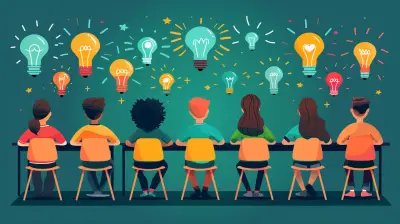
The Future of Coding in Classrooms: How Schools are Adapting
24 July 2026
Let’s face it—when most of us were kids, “coding” was something they did in spy movies, not in math class. Fast forward to today, and students are whipping up websites, designing apps, and tweaking Python scripts like it’s no big deal. So what gives? Well, welcome to the future, folks. Coding has officially crash-landed in classrooms, and schools everywhere are scrambling (in a good way) to adapt. Grab your digital notebook, because we’re diving deep (with a few chuckles, of course) into how education is embracing the tech takeover.
? Why Teach Coding in Schools?
Let’s start with the obvious question: “Why the heck are kids learning coding now?”Well, coding is the new literacy. Just like reading, writing, and math, being code-savvy gives students a serious leg up in today’s tech-driven world. It’s no longer just for the hoodie-wearing hacker types—it’s for everyone.
Think of code as modern-day magic. Want to build a game? Code it. Launch an online business? Code it. Automate your dog’s feeding schedule? Yep, you guessed it—code it. Teaching coding opens doors to creativity, critical thinking, and problem-solving like never before. And teachers? They're becoming the Gandalf of the digital age—guiding young minds through the enchanted forests of JavaScript and Python.
? How Schools Are Rebooting Education
You might be wondering, “Alright, cool, but how are schools actually pulling this off?” Great question. Here's the lowdown:1. Rewriting the Curriculum (Literally)
Traditional subjects are getting a techie facelift. Imagine combining history with coding by having students create interactive timelines or simulations. Shakespeare’s got nothing on Scratch!Schools are no longer sticking to dusty old chalkboards. They're blending subjects with code, making learning more dynamic and hands-on. Math and code? Best buds now. Science and simulations? Totally inseparable.
TL;DR: Coding isn’t a standalone subject anymore—it’s becoming part of everything.
2. Coding From Kindergarten?! Yep.
Believe it or not, some schools are teaching coding before kids can even tie their shoes. Tools like ScratchJr and Blockly make it so visual and fun that kiddos don’t even realize they’re learning logic and sequencing. They just think they’re making their cat avatar do backflips. (And honestly, isn’t that the dream?)It’s never too early to start building brainpower, and coding helps kids think in steps, solve puzzles, and create stuff right from the start.
3. Teachers: The Unsung Heroes (Learning Code with the Kids!)
Let’s give a digital high-five to teachers because adapting to this coding craze isn’t easy. Many educators are learning coding right alongside their students, armed with coffee, courage, and a whole lot of YouTube tutorials.Thankfully, professional development programs, coding bootcamps for teachers, and online communities are helping them level up. They’re not just teachers anymore—they’re code whisperers, curriculum ninjas, and debugging detectives.
? Tools & Tech Making It All Possible
Alright, so what kind of magical gadgets and gizmos are turning classrooms into coding hubs? Here's a peek inside the educational coding toolbox:? Chromebooks and Tablets
Gone are the days of bulky desktops that took half the class to boot up. Now, students have sleek Chromebooks and tablets that let them code literally from anywhere—even the lunchroom (though we recommend not mixing spaghetti and screens).? Online Platforms Galore
From Code.org to Tynker to Replit and Swift Playgrounds, the internet is stacked with coding platforms built just for students. They’ve got colorful interfaces, clear instructions, and step-by-step lessons that even grandma could understand.Some even come with game-like experiences, earning points and badges, which—let’s face it—makes learning way more fun than pop quizzes and flashcards.
? Robots, Drones, and Other Cool Stuff
Here’s where things get really sci-fi. Many schools are using physical tech like Ozobots, Spheros, and Raspberry Pis to teach coding in a tangible, hands-on way. Imagine programming a robot to dance across your desk—way cooler than dissecting a frog, right?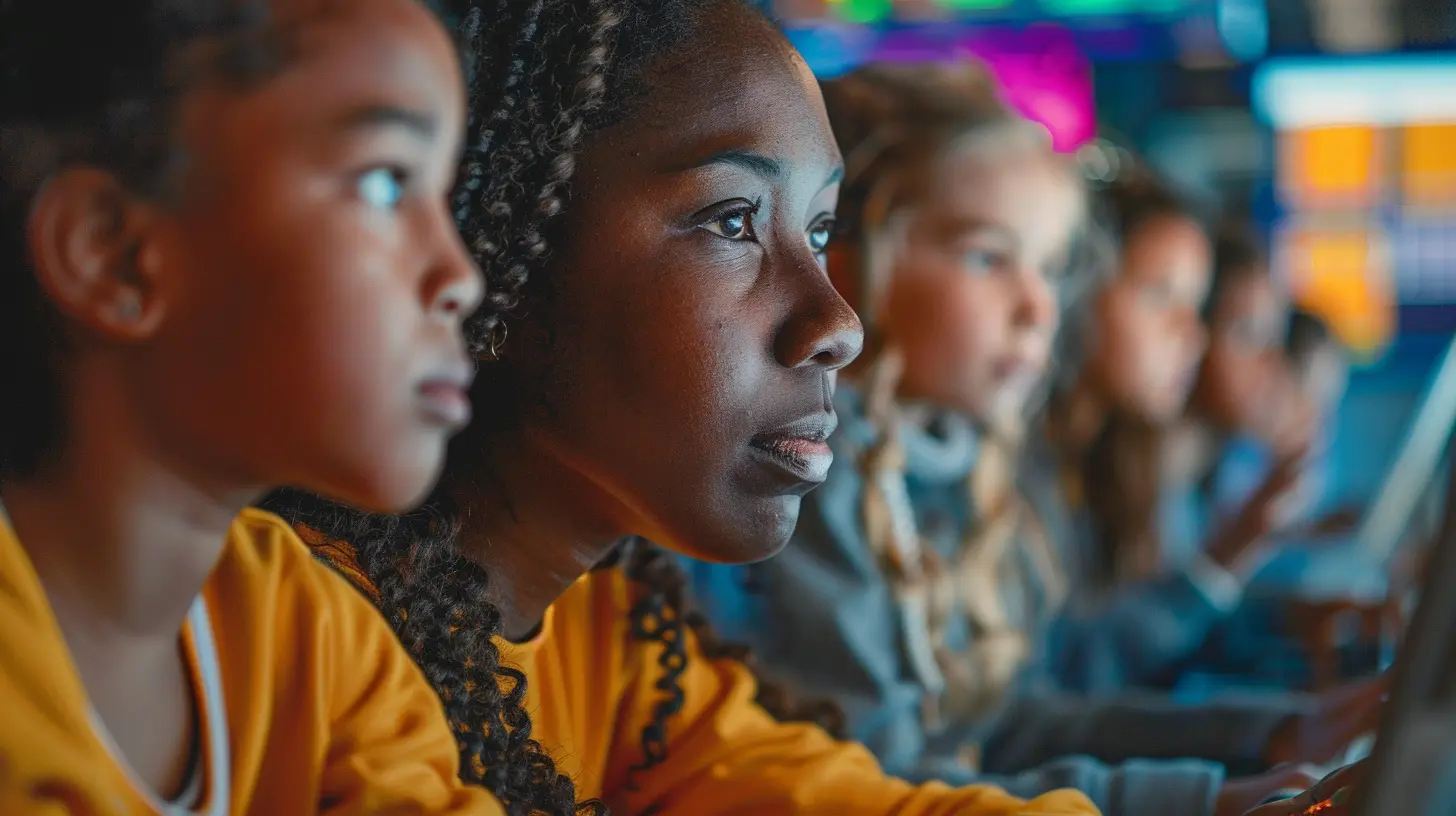
? The Wild Perks of Coding in Class
Still not convinced this coding-in-school thing is a big deal? Buckle up.? Problem Solving Like a Boss
Coding teaches kids how to break big problems into smaller, manageable steps. (Pretty useful for everything from math tests to teen drama.)? Creativity Unleashed
Forget cookie-cutter answers. Coding allows students to build something completely unique. One student might code a video game; another, a weather app. The only limit? Their imagination.? Logical Thinking
If they’re writing code, they’re thinking logically. Algorithms, flows, loops—these aren’t just tech terms; they’re mental gymnastics.?? Career-Ready Skills
Guess what? Jobs in tech are booming, and coding skills are a golden ticket. Whether they want to build the next big app or just understand how tech works, students with code know-how are miles ahead.? Coding Goes Global: What the World is Doing
This isn’t just a U.S. trend. Countries around the globe are hopping on the coding train.- The UK made coding compulsory starting at age 5. FIVE.
- Estonia teaches coding like it’s second nature (which makes sense, it’s one of the most digital-savvy countries out there).
- Australia, Finland, and Singapore all have national strategies to integrate computing in education.
Basically, if your school isn’t teaching coding yet, it might be the odd one out.
? AI in Education: The New Kid on the Block
Alright, let’s talk about the elephant in the digital room: Artificial Intelligence. It’s not just about robots taking over the world anymore—it’s about how AI is reshaping education.Schools are using AI tools to personalize learning. Picture this: A student struggling with loops in code gets extra practice suggested automatically. Boom—instant tutor.
Teachers are also using AI to grade quizzes, give feedback, and yeah, even generate entire lesson plans. (Which means fewer late nights for them and more quality time yelling at their printers.)
? Real Talk: Challenges Ahead
Let’s pump the brakes a second—it's not all rainbows and semicolons. With all this rapid change, there are some legit challenges:1. Access Inequality
Not every school has shiny devices or fast Wi-Fi. Some still have computers that wheeze when you open Excel. We need to close the “digital divide” so coding isn’t just for the privileged.2. Curriculum Overload
Teachers already juggle a ridiculous amount. Adding coding can feel like throwing another plate into the air. Schools need solid support and time to integrate it meaningfully.3. Training Crunch
Learning to code isn't like learning to ride a bike. Teachers need time, resources, and ongoing support to build their skills and confidence. It's not a one-and-done workshop kind of thing.? What’s Next for Coding in Schools?
So, where are we headed? Here’s a taste of what’s likely coming down the digital pipeline:- More integration across subjects: Think science projects with Arduino boards or coding in English class to write interactive stories.
- Increased gamification: Who doesn’t love leveling up?
- AI-powered support: Smart tutors, auto-checks, and instant feedback will help kids learn faster and better.
- Virtual and Augmented Reality: Create a virtual world for your book report? That’s the future, my friends.
? Final Thoughts: Coding Isn’t Just for Coders
Let’s wrap this up with a truth bomb: coding isn’t just about creating software. It’s about thinking, creating, and solving in ways that set students up for any path they choose—techy or not.Whether your kid grows up to be a developer, a designer, a doctor, or a DJ, understanding how technology works gives them a crazy useful superpower.
We’re not just teaching kids how to code—we’re teaching them how to think. And that, dear reader, is the real revolution.
all images in this post were generated using AI tools
Category:
Coding In SchoolsAuthor:

Charlotte Rogers