The Importance of Mixed-Age Classrooms in Montessori Education
28 July 2026
Have you ever wondered why Montessori classrooms include children of different ages learning together? Unlike traditional education systems that separate students strictly by age, Montessori schools embrace mixed-age classrooms. But why? What makes this approach so valuable for a child's development?
In this article, we’ll dive into the benefits of mixed-age classrooms in Montessori education, how they shape children’s learning experiences, and why Maria Montessori believed this approach was the key to fostering independent, confident learners.
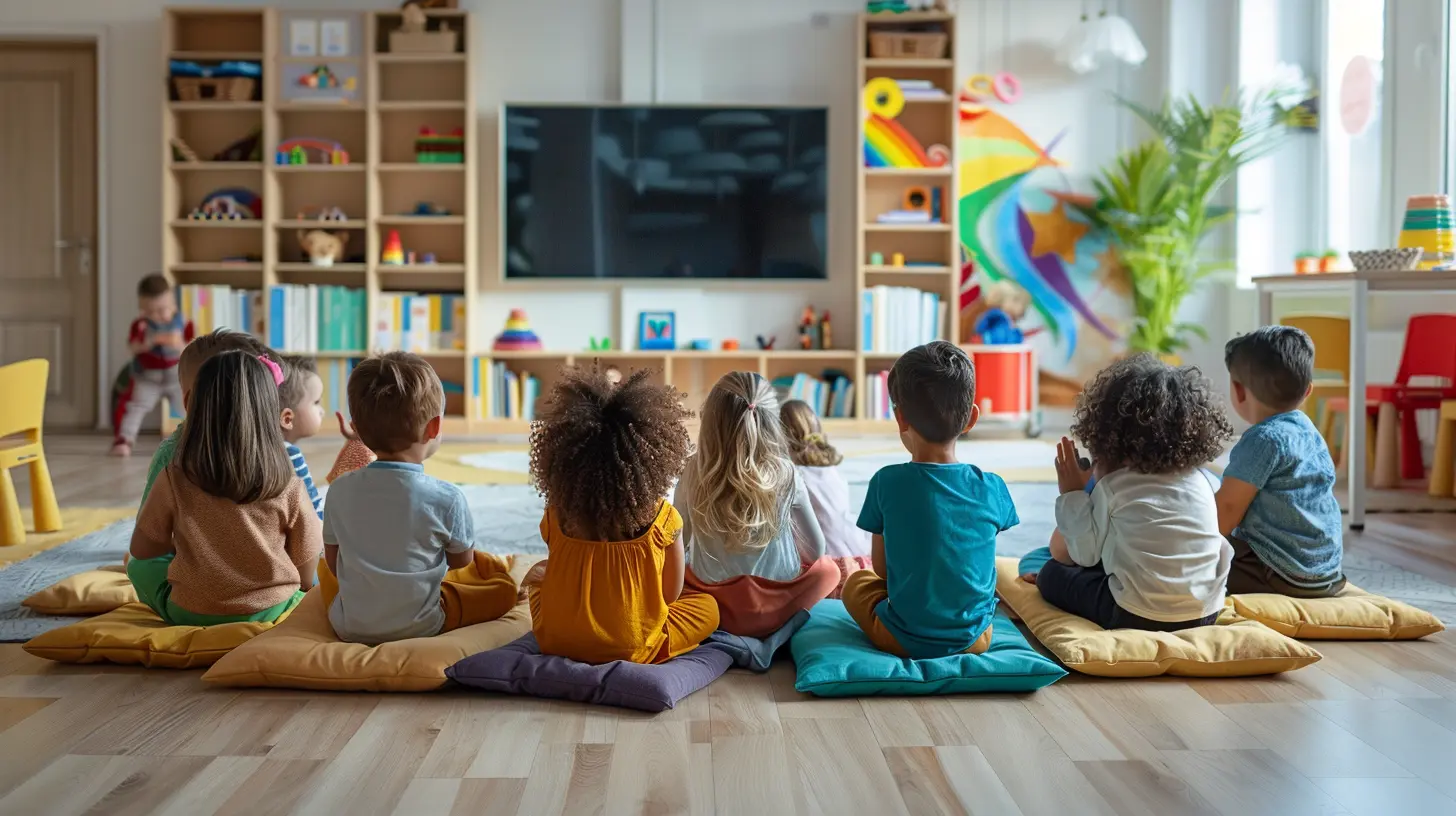
What Are Mixed-Age Classrooms?
In a Montessori classroom, students are grouped in three-year age spans:- Toddler Programs (Ages 0-3)
- Primary Classrooms (Ages 3-6)
- Lower Elementary (Ages 6-9)
- Upper Elementary (Ages 9-12)
- Adolescents (Ages 12-15)
Rather than being confined to a single grade level, children interact and learn together in a dynamic environment. The idea is simple yet powerful: younger students learn from older peers, and older students reinforce their knowledge by mentoring the younger ones.
But how does this structure benefit children? Let’s break it down.
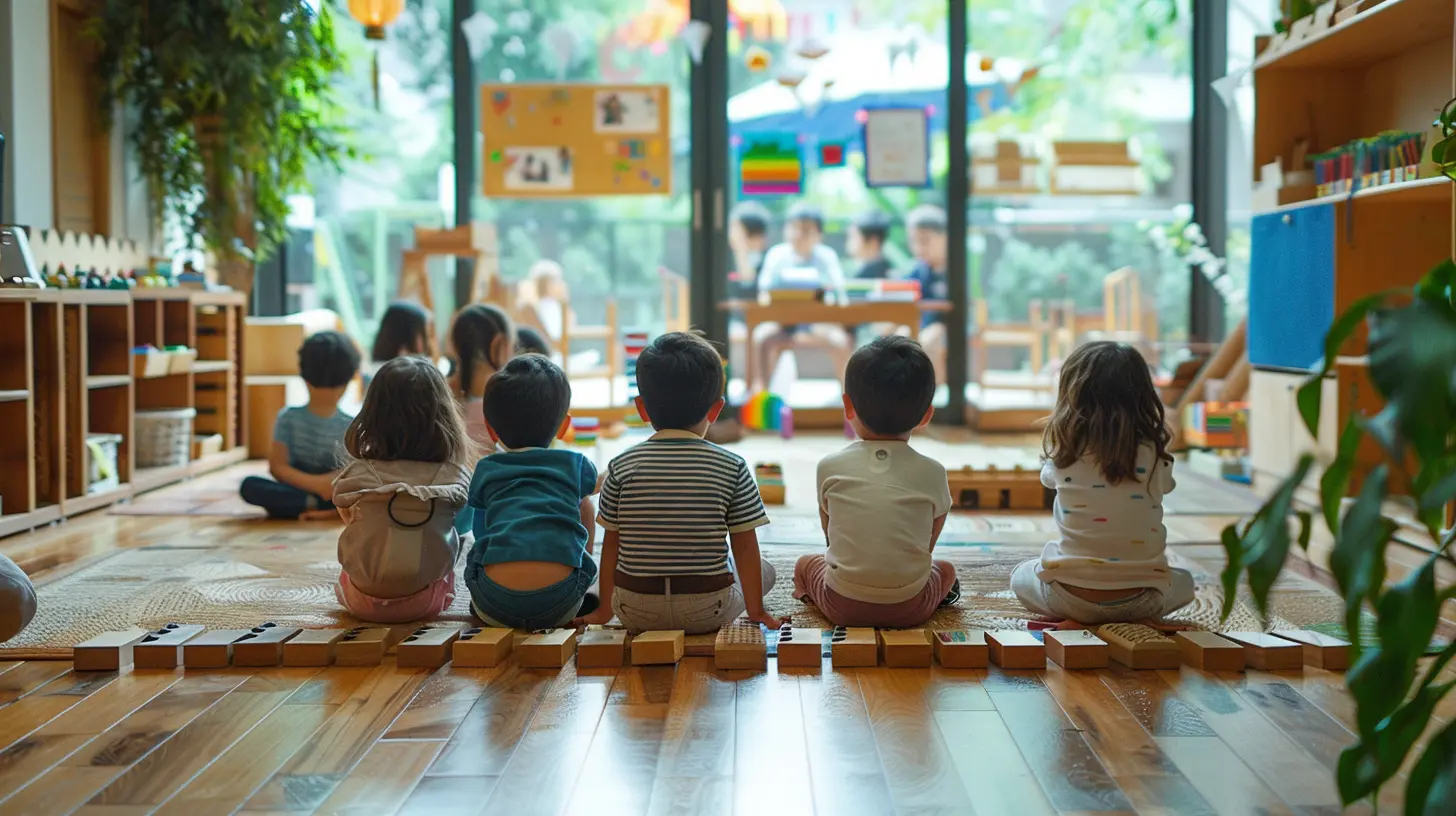
1. Natural Learning Through Peer Teaching
One of the most remarkable aspects of mixed-age classrooms is that they encourage a natural teaching and learning process. When older students explain concepts to younger ones, they reinforce their own understanding. Think about it—when you teach someone else, don’t you gain a deeper grasp of the topic?This peer teaching builds confidence in older students, making them feel capable and responsible. Meanwhile, younger children see their peers as role models, which motivates them to push themselves further.
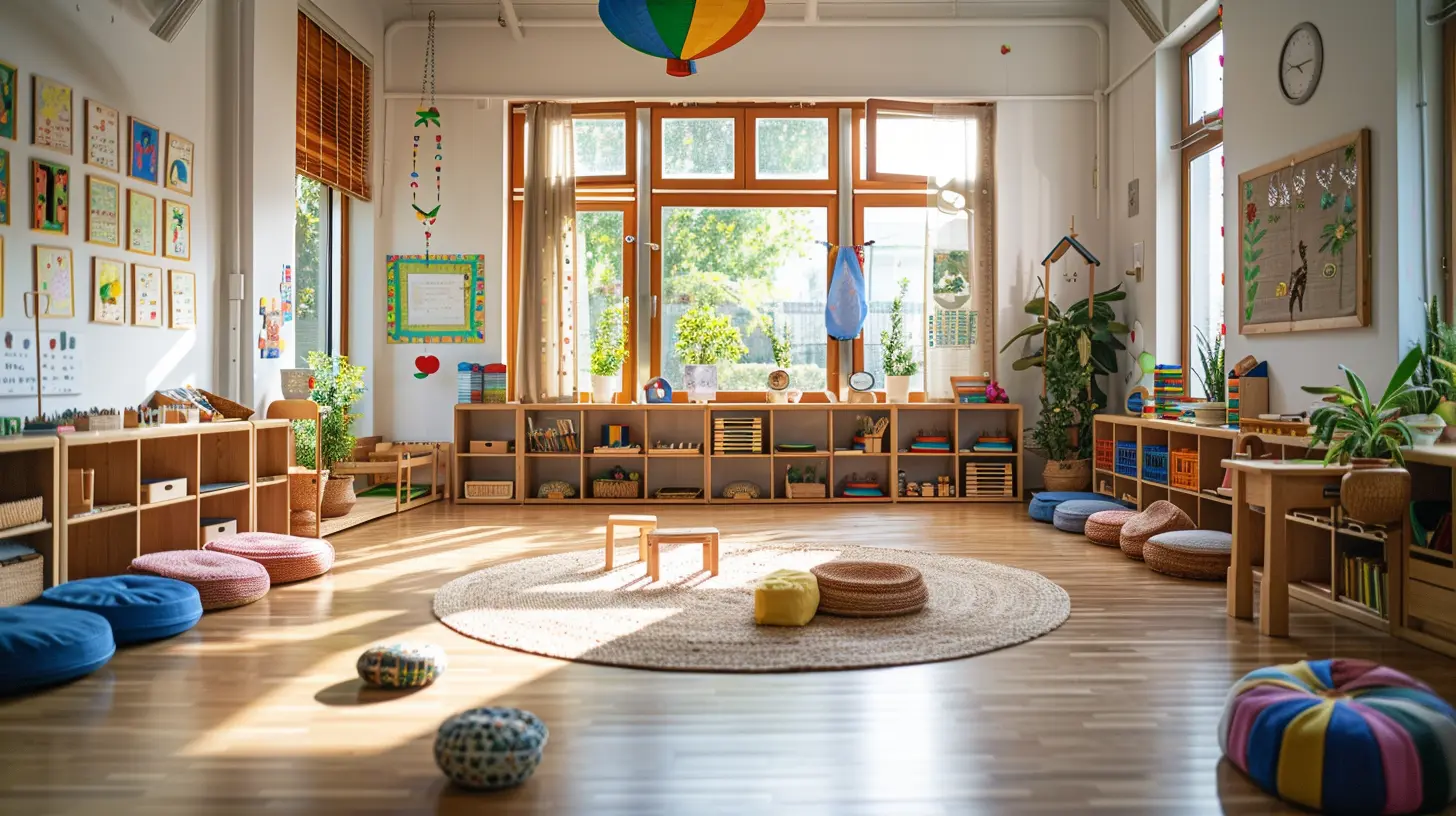
2. Encouraging Independence and Self-Paced Learning
Imagine being in a classroom where you don’t have to hurry to keep up with the fastest learners or slow down for those who need extra time. Sounds great, right?In a mixed-age Montessori class, children progress at their own pace. Without the pressure of strict grade-level expectations, each child can focus on mastering skills at their own speed. If a five-year-old is ready for more advanced work, they can move ahead. If they need extra practice, they have that opportunity without feeling behind.

3. Enhancing Social and Emotional Development
Social skills are just as important as academic knowledge, and mixed-age classrooms create the perfect environment for developing them. Since children are constantly interacting with peers of different ages, they naturally learn:- Empathy – Older children look out for younger ones, while younger kids develop admiration for their older peers.
- Cooperation – Activities and projects often involve working together, teaching kids the importance of teamwork.
- Leadership – As children age, they gain confidence in guiding and assisting younger classmates.
These interactions mirror real life, where we regularly engage with people of various ages and experiences.
4. Reduced Competition, Increased Collaboration
Traditional classrooms often breed competition—who scored the highest? Who finished first? But in Montessori environments, the focus shifts from competing to collaborating.Since students aren’t compared against their same-age peers, they develop a love for learning rather than feeling pressured to outperform classmates. This approach nurtures intrinsic motivation, where children learn because they’re genuinely curious, rather than just striving for good grades.
5. Stronger Classroom Community
A mixed-age setting feels more like a family than a classroom. Older students take on a nurturing role, younger ones feel supported, and the teacher acts as a guide rather than a lecturer.Over time, children form deep friendships, respect differences, and develop a sense of belonging. This sense of community fosters a safe, inclusive space where students feel confident to take risks, make mistakes, and embrace learning.
6. Longer Relationships Between Students and Teachers
In traditional schools, students get a new teacher each year. But in Montessori classrooms, children stay with the same teacher for three years. This continuity comes with major advantages:- Stronger teacher-student relationships – Educators really get to know each child’s strengths, challenges, and learning styles.
- More personalized support – Teachers can tailor lessons based on a child’s progress over multiple years.
- Increased sense of security – Students feel comfortable in a familiar learning environment, which boosts their confidence.
7. Real-World Preparation
Think about the world outside the classroom. In workplaces, communities, and families, do we only interact with people our own age? Of course not!Mixed-age Montessori classrooms mirror real-life experiences by teaching kids how to interact with individuals of different ages and skill levels. They learn how to lead, follow, collaborate, and communicate—skills that are essential for success in adulthood.
8. Lifelong Love for Learning
Ultimately, the goal of education isn’t just to pass tests—it’s to foster a passion for learning. Mixed-age classrooms encourage curiosity, independence, and a deep understanding of subjects. This approach helps children develop a growth mindset, where they see challenges as opportunities to learn rather than obstacles to fear.
Common Myths About Mixed-Age Classrooms
Despite the many benefits, some people still have concerns about mixed-age learning. Let’s clear up a few common misconceptions.- "Won't younger children struggle to keep up?"
Not at all! Younger students learn at their own pace, absorbing knowledge through observation and hands-on experiences.
- "Will older students be held back?"
Quite the opposite—older students take on leadership roles and often move on to advanced concepts earlier than they would in a traditional classroom.
- "Isn’t it harder for teachers to manage?"
While it requires a different teaching style, Montessori educators are trained to guide independent learning, making classroom management smoother than you’d think.
Final Thoughts
Mixed-age classrooms in Montessori education aren’t just a teaching method; they’re a philosophy that nurtures well-rounded, confident, and capable learners. By fostering peer teaching, independence, collaboration, and real-world skills, this approach prepares children not just for school, but for life.If you’ve ever wondered whether Montessori education is the right choice, consider how a multi-age classroom environment could shape your child’s future. After all, learning is a journey, and in Montessori classrooms, children get to travel that path together.
all images in this post were generated using AI tools
Category:
Montessori EducationAuthor:

Charlotte Rogers