The Importance of Observation and Assessment in the Montessori Classroom
13 July 2026
Observation and assessment are the heart and soul of a Montessori classroom. Rather than relying on standardized tests or rigid grading systems, Montessori educators use keen observation to understand each child's learning journey. But what makes these two elements so crucial? And how do they shape the Montessori experience? Let’s dive into why observation and assessment are fundamental in creating an enriching learning environment for young minds.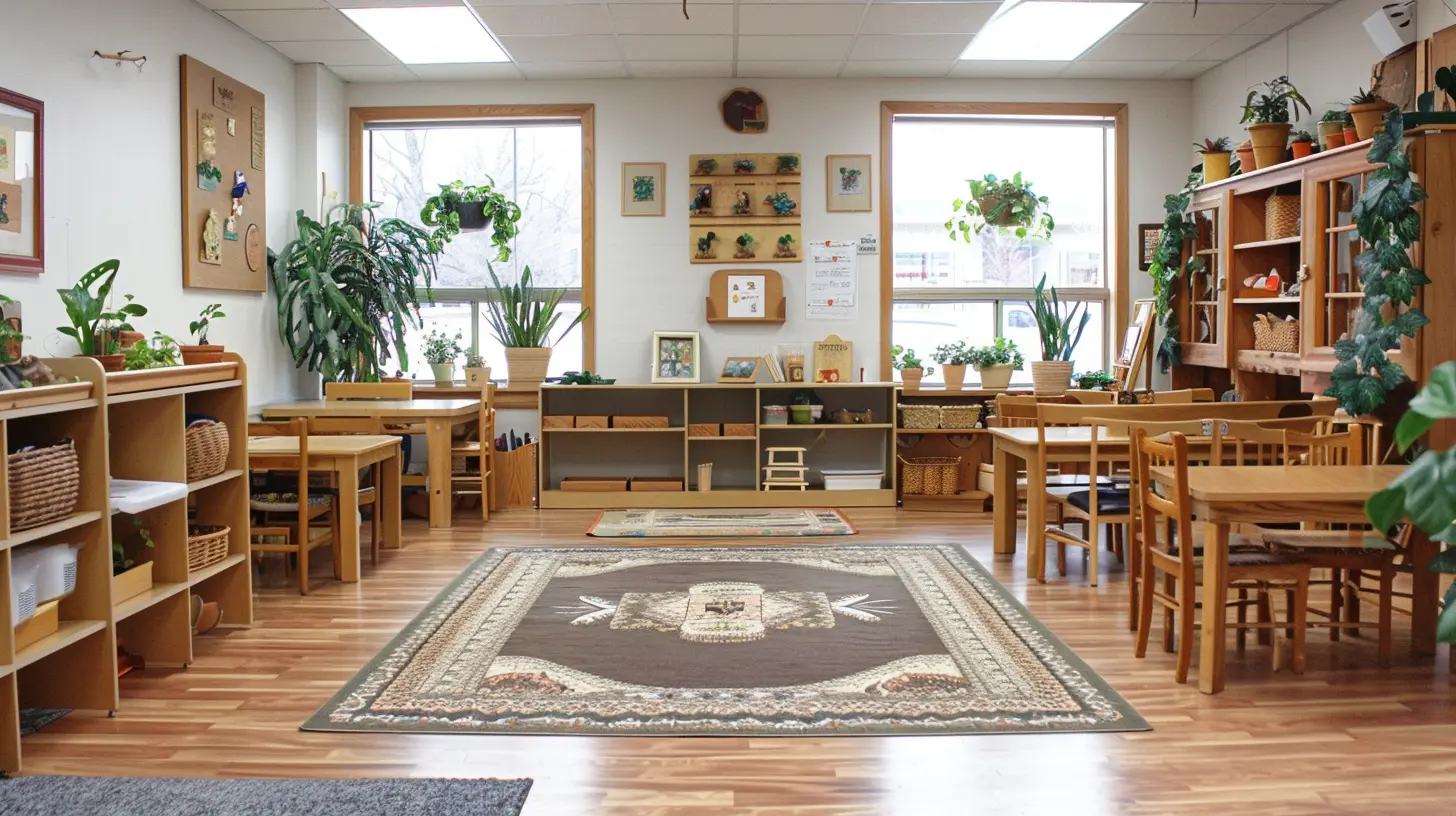
What Makes Observation So Important in Montessori?
Imagine being a detective, carefully watching for clues to solve a mystery. In many ways, a Montessori teacher plays a similar role—observing children to understand their needs, interests, and development rather than dictating their learning path.1. Understanding Each Child’s Unique Pace
Every child is different. Some are quick learners, while others take their time to grasp concepts. Through observation, Montessori teachers recognize where a child stands in their learning journey, allowing them to offer guidance without interfering with the child’s natural process.For example, one child might be deeply focused on a math material, while another prefers working with language exercises. A Montessori teacher observes these tendencies and provides the right materials at the right moment.
2. Encouraging Independence
Montessori education emphasizes independence, but how does a teacher ensure students are truly learning without constantly testing them? Simple—by watching. Observation allows teachers to see how students are solving problems, how they handle mistakes, and whether they need more support or are ready for new challenges.3. Noticing Sensitive Periods
Maria Montessori identified "sensitive periods"—times when a child is exceptionally receptive to learning particular skills. A teacher who observes carefully can catch these moments and introduce materials that align with the child’s developmental window, maximizing learning potential.For example, if a child suddenly shows a fascination with letters, it’s a sign they may be ready to dive into reading. A Montessori teacher will introduce materials that nurture this newfound interest rather than forcing it prematurely. 
Assessment in Montessori: A Different Approach
When we think of assessment, most of us picture letter grades, report cards, and standardized tests. But Montessori assessment is entirely different. It focuses on long-term growth rather than short-term performance.1. Ongoing Informal Assessment
Rather than giving students a formal test after each lesson, Montessori educators engage in continuous assessment. They track progress through observation, work samples, and even discussions with the child about their learning experiences.By doing so, teachers gain a complete picture of a child’s abilities without the stress and pressure of traditional testing.
2. Portfolios and Work Journals
Instead of grades, Montessori students often maintain portfolios—collections of their work that showcase progress over time. These portfolios serve as a tangible way to track growth and development.Additionally, some older Montessori students keep work journals where they reflect on what they’ve learned. This practice encourages self-assessment and fosters a sense of responsibility for their own education.
3. Self-Assessment and Reflection
One of the most unique aspects of Montessori assessment is that students are actively involved in evaluating their own progress. Teachers encourage children to reflect on their work, ask questions like,- "How do you feel about your work today?"
- "What would you like to improve?"
This process builds self-awareness and helps children take ownership of their learning journey. 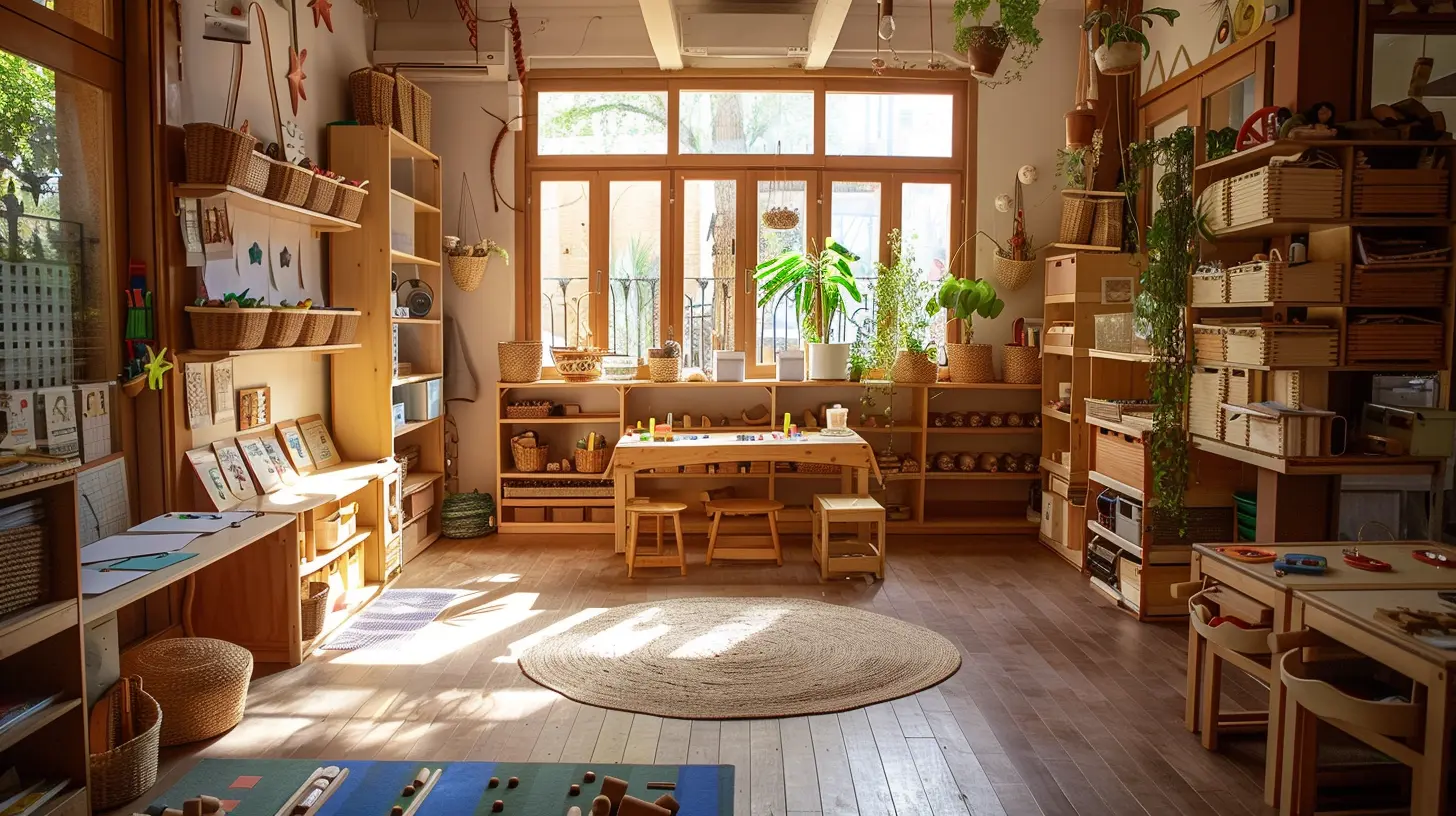
The Interplay Between Observation and Assessment
Observation and assessment are not separate processes in a Montessori classroom—they go hand in hand. Observation informs assessment, and assessment guides teaching strategies. Here’s how:- If a teacher notices that a child is disengaged with certain materials, they may reassess and introduce a different approach.
- If a student consistently struggles with a task, the teacher observes their process, evaluates where the difficulty lies, and provides tailored support.
- If a child is excelling in a subject, the teacher recognizes it and offers more advanced challenges to keep them engaged.
By intertwining observation and assessment, Montessori educators create a personalized learning experience for every child. 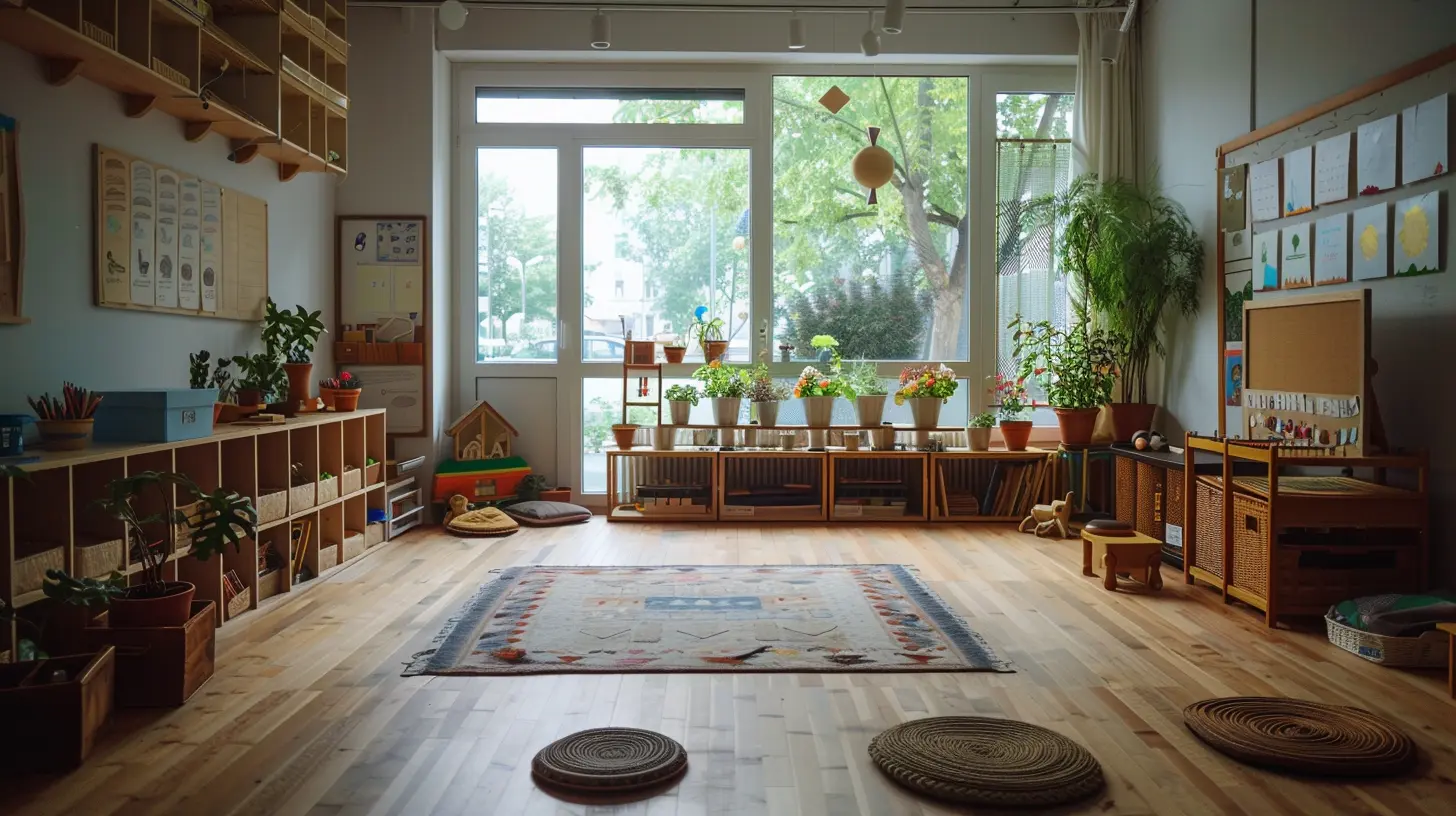
The Role of Parents in Montessori Assessment
Parents play a crucial role in their child's Montessori journey. Since traditional report cards and test scores are absent, communication between teachers and parents is vital. Regular parent-teacher meetings, progress reports, and informal discussions help keep families informed about their child's development.Additionally, parents are encouraged to observe their children at home—watch how they problem-solve, communicate, and engage with their environment. This partnership strengthens the learning process beyond the classroom.
How Observation and Assessment Benefit the Child
At the end of the day, everything in Montessori is centered around the child. Observation and assessment aren’t just for teachers; they directly benefit the students in profound ways.1. Fosters Confidence and Autonomy
When children aren’t constantly tested or judged, they feel safe to explore, make mistakes, and learn at their own pace. This builds self-confidence and nurtures a love for learning.2. Encourages a Growth Mindset
Traditional grading often labels children—either as high achievers or as those who "need improvement." Montessori’s approach, however, focuses on continuous progress. Kids learn that improvement is always possible, which fosters resilience and a growth mindset.3. Reduces Anxiety Around Learning
Standardized testing can be stressful, even in early childhood. Montessori’s assessment method removes this unnecessary pressure, allowing kids to enjoy learning rather than fear being graded on it.Conclusion
Observation and assessment form the foundation of the Montessori philosophy. By carefully watching each child’s growth and adapting teaching methods accordingly, Montessori educators create a customized learning experience that truly respects the child's natural development.Rather than relying on rigid exams or standardized benchmarks, Montessori assessment values progress over perfection, self-awareness over competition, and intrinsic motivation over external rewards.
In the end, isn’t that what education should be about—helping children grow into curious, confident, and capable individuals?
all images in this post were generated using AI tools
Category:
Montessori EducationAuthor:

Charlotte Rogers