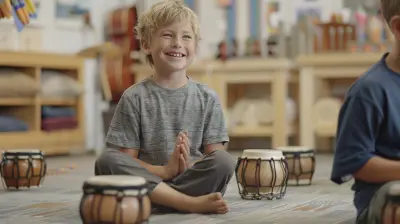
The Long-Term Benefits of Mindfulness in Education
3 July 2026
Alright, let’s kick things off with a little honesty: school can be a total stress-fest. Between pop quizzes, group projects (ugh), and trying to remember what mitochondria actually do (they're the powerhouse — you’re welcome), it’s no wonder our brains feel like they’ve been through a blender. But what if I told you there’s a powerful tool that can actually help students and educators not just survive, but thrive?
Cue the drumroll... ? It’s mindfulness — and trust me, this isn't just your yoga teacher’s favorite buzzword. Mindfulness is more than deep breaths and soft music; it’s about being present, ditching the mental chaos, and building some serious brainpower.
So let’s dive in — sass, science, and all — to unpack the long-term benefits of mindfulness in education. Spoiler alert: it’s a total game-changer.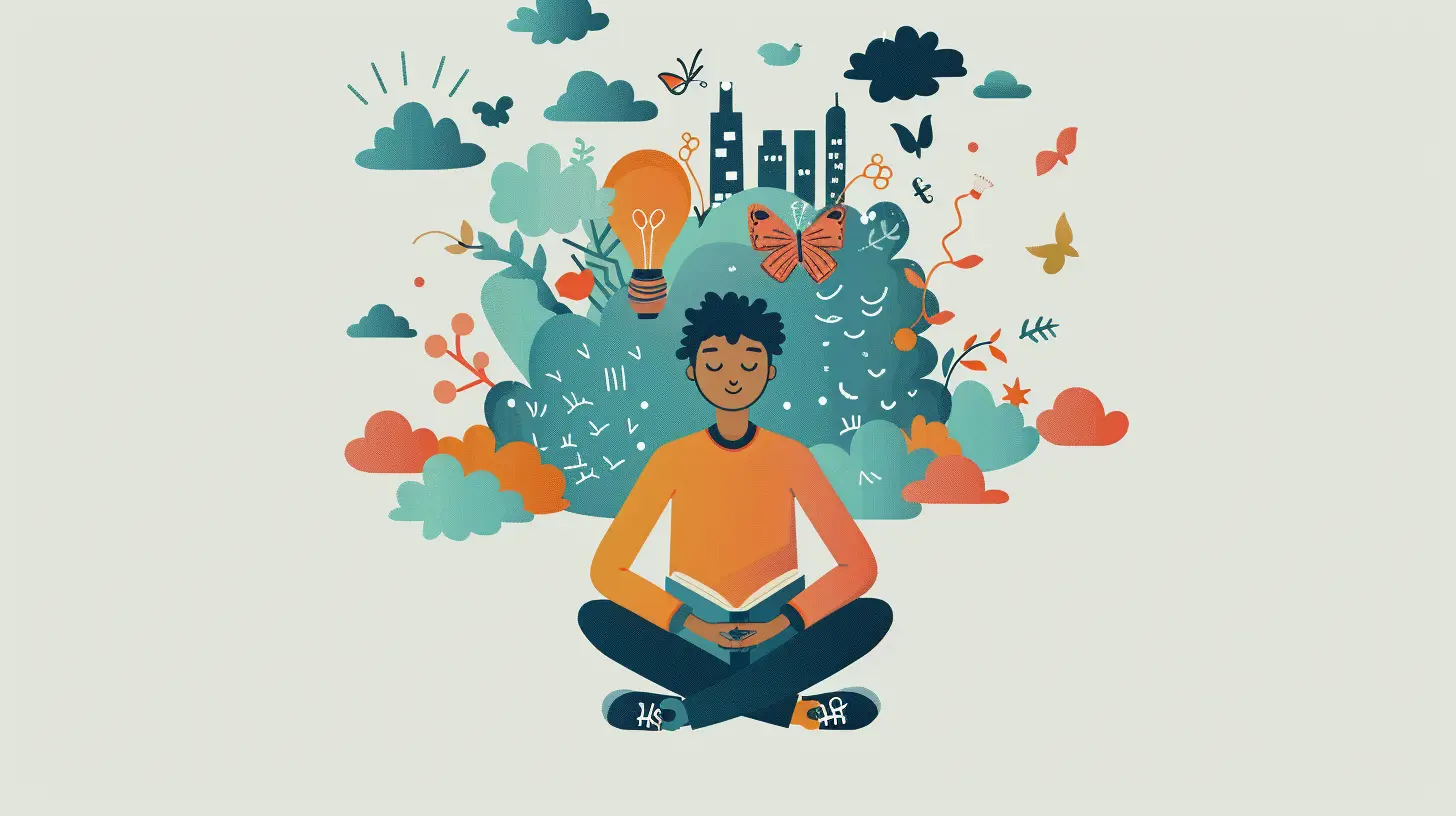
What Is Mindfulness, Anyway?
Let’s clear this up right from the start. Mindfulness is the simple (but not always easy) act of paying attention to the present moment without judging it. Think of it like putting your brain in Airplane Mode — just for a minute — and tuning into what’s happening right now.It’s not about forcing your thoughts to stop; it’s about watching them like clouds floating by. You don’t chase them — you just observe. And yes, it sounds a little woo-woo at first, but scientists and educators are totally on board.
Because when students learn mindfulness early on, they’re not just learning to chill — they’re rewiring their brains to handle life better. Yep, it’s like a mental gym workout, minus the sweaty armpits.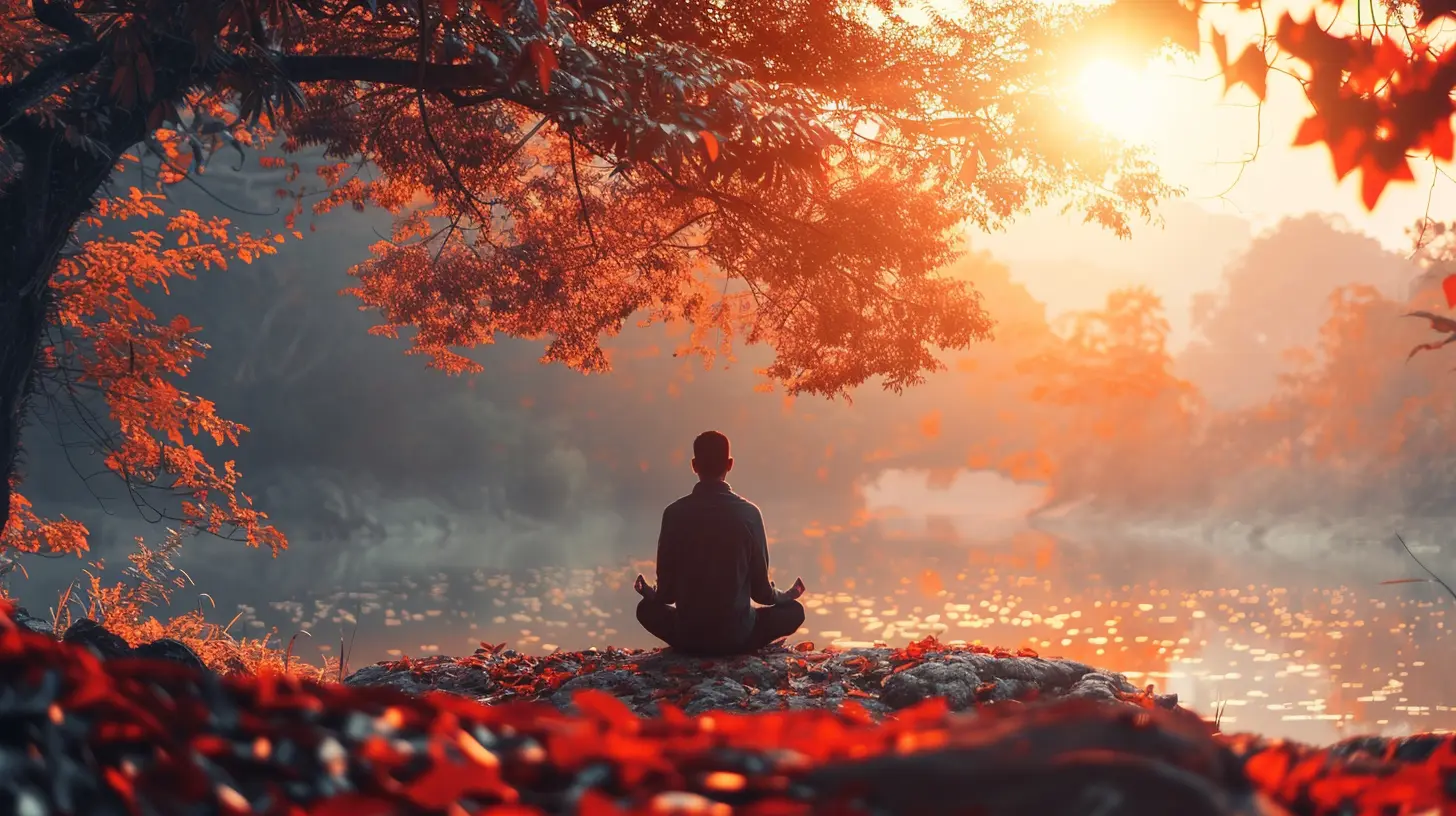
How Mindfulness Transforms Education (It’s Kind of Magic)
1. Say Bye-Bye to Burnout
Let’s be real — school isn’t just hard for students. Teachers are juggling lesson plans, grading, and sometimes even acting like unpaid therapists. It’s exhausting.Mindfulness swoops in like the superhero it is. Regular practice can help reduce stress, improve emotional regulation, and build resilience. Students feel less anxiety about tests. Teachers feel less like they’re drowning. Everybody wins.
2. Better Focus, Better Grades
Ever tried to study and suddenly realized you’ve been scrolling Instagram for an hour? Oops. ? Mindfulness helps cut through that mental clutter.By training attention and awareness, students learn to stay focused longer and resist those pesky distractions (#RIPProcrastination). Over time, this means better academic performance — and yes, that can actually be backed up by research.
3. Boosts Emotional Intelligence (Hello, Self-Awareness)
Let’s get something straight: emotional intelligence is not just about being nice. It’s about being aware of your emotions and handling them like a boss.Mindfulness teaches students to recognize what they feel before they explode into tears or rage-quit their math homework. This self-awareness spills over into communicative skills, empathy, and conflict resolution. In a nutshell? Fewer tantrums, more teamwork.
4. Builds Resilience Like a Pro
Imagine bouncing back from failure like a beach ball. That’s what mindfulness helps you do.Mindfulness creates a healthy distance from negative thoughts, which means students are less likely to spiral when things go wrong. Instead of taking a bad grade as a sign of doom, they see it as feedback. That’s powerful. That’s growth mindset. That’s next-level resilience.
5. Promotes Inclusivity and Compassion
This one’s big. Mindfulness isn’t just personal — it’s social. When students are grounded and aware, they’re less reactive, more accepting, and more compassionate toward their peers.In classrooms where mindfulness is practiced, there tends to be less bullying, more inclusion, and stronger peer relationships. Basically, it’s like spreading good vibes — but with neuroscience on your side.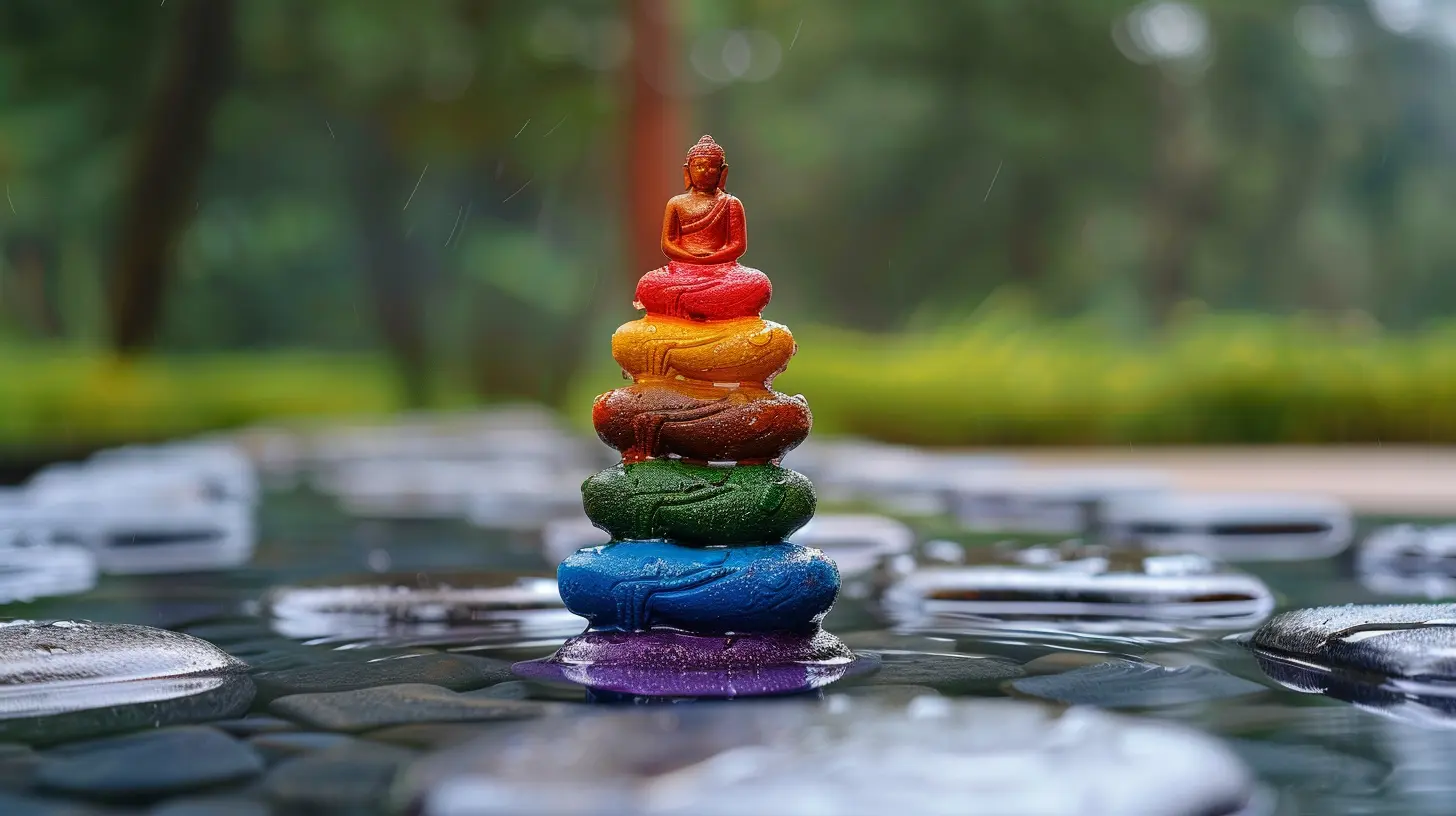
Mindfulness in the Curriculum: Yes, It Belongs There
Okay, okay — so mindfulness sounds awesome. But does it really belong in the curriculum? Isn’t there already too much to cram in?Here’s the tea: adding mindfulness doesn’t mean ditching academics. Instead, it enhances them. Just a few minutes a day — think: before class starts or after recess — can make a world of difference.
Examples?
- “Brain breaks” — short mindfulness sessions to reset attention
- Mindful breathing exercises before exams
- Mindful listening during group discussions
- Gratitude journals to reflect on the day
Bonus points? It supports Social-Emotional Learning (SEL), which is gaining traction for a reason. SEL + mindfulness = emotional rockstars in the making.
Long-Term Benefits: Beyond Report Cards
We’re not just talking about acing finals here. The true power of mindfulness in education shows up years down the road. Let’s break it down.1. Lifelong Mental Health Benefits
Mindfulness isn’t a one-and-done thing. When it’s practiced consistently from a young age, it becomes a mental health tool for life. We’re talking lower rates of depression, anxiety, and even substance abuse later on.Instead of panicking in adulthood when things go sideways, these future adults can pause, breathe, and respond — not react. That’s emotional maturity, and it starts in the classroom.
2. Better Decision-Making (Yes, Even About That 2 AM Text)
Mindfulness builds the part of the brain responsible for impulse control and executive function. Translation? Students grow into adults who think before they act (or text their ex).They learn to pause before responding, evaluate situations clearly, and make smarter, more intentional choices. Basically, it’s adulting 101 — with a solid foundation.
3. Boosts Creativity and Innovation
Let’s get something straight: cramming facts isn’t enough anymore. The future belongs to creative thinkers and problem-solvers. And mindfulness? It unlocks creativity like a master key.By calming the inner critic (that voice saying “this idea sucks”), mindfulness creates space for innovation. It encourages curiosity, divergent thinking, and a sense of wonder. That’s the kind of mindset that changes the world.
4. Enhances Workplace Performance
Fast forward to the workplace, and everything we just talked about? Still matters — even more. Focus. Emotional regulation. Collaboration. Leadership.Mindfulness-trained individuals tend to handle pressure better, navigate interpersonal dynamics smoothly, and stay cool under fire. It’s the professional edge that’s hard to teach — unless you’ve been practicing it all along.
Challenges and Misconceptions: Let’s Keep it Real
Now, before we wrap this up in a pretty bow, let’s address the elephant in the room: mindfulness isn’t a magic wand. It doesn’t work overnight. And yes, some kids (and adults) will roll their eyes at first.Here’s what schools and educators need to keep in mind:
- It takes time and consistency. Mindfulness is like building muscle — it takes daily reps.
- It’s not religious or spiritual. It’s about awareness, not chanting mantras in a cave.
- It’s not about being calm all the time. It's about noticing your inner chaos without letting it rule you.
- It must be culturally sensitive and inclusive. One-size-fits-all doesn’t work in education, and it doesn’t work here either.
The key? Normalize it. Make it part of the culture. When students see teachers modeling mindfulness, it becomes legit — not just another “thing” to do.
So... Should Mindfulness Be a Staple in Schools? Heck Yes.
Let’s not sugarcoat it: we’re living in a world that’s more distracted, anxious, and overstimulated than ever. If we want to raise students who are resilient, empathetic, focused, and emotionally literate — mindfulness is not a luxury. It’s a necessity.We spend so much time teaching kids what to think. Mindfulness teaches them how to think — and even more importantly — how to just be.
So whether you’re a teacher, a parent, a school administrator, or just someone who cares about the future of education (and let’s be honest — we all should), one thing’s clear:
Mindfulness isn’t just a trend. It’s the quiet revolution we’ve been waiting for.
Final Thoughts: Breathe. Repeat.
The long-term benefits of mindfulness in education go beyond the classroom. They shape better students, sure. But they also shape better humans — the kind who lead with compassion, think with clarity, and adapt with grace.And isn’t that what education is really all about?
Now, go ahead — take one deep breath.
See? That’s where it all begins.
all images in this post were generated using AI tools
Category:
Mindfulness In EducationAuthor:

Charlotte Rogers
Discussion
rate this article
3 comments
Dahlia McCullough
Mindfulness fosters resilience and focus—essential skills for lifelong learning!
July 11, 2026 at 7:56 PM
Charlotte Rogers
Thank you! Absolutely, mindfulness equips students with essential skills that enhance their ability to adapt and concentrate, paving the way for lifelong learning.
Jamie Hubbard
While mindfulness in education promotes emotional resilience and focus, its implementation must be thoughtfully integrated into curricula to avoid superficial or tokenistic practices.
July 9, 2026 at 3:32 AM
Charlotte Rogers
I completely agree. Thoughtful integration of mindfulness is crucial to maximize its benefits and ensure it truly enhances students' well-being and learning.
Reid Wilcox
Mindfulness enhances lifelong learning.
July 8, 2026 at 2:34 AM