The Magic of Picture Books: Building Vocabulary and Imagination
17 May 2026
Picture books are more than just colorful pages with a few words—they are a gateway to language development and a spark for the imagination. Whether it’s a toddler pointing at pictures or a young child following along with a story, these books play a vital role in shaping early literacy. But how exactly do picture books contribute to vocabulary building and creativity? Let’s dive into the magic they bring to a child’s life. 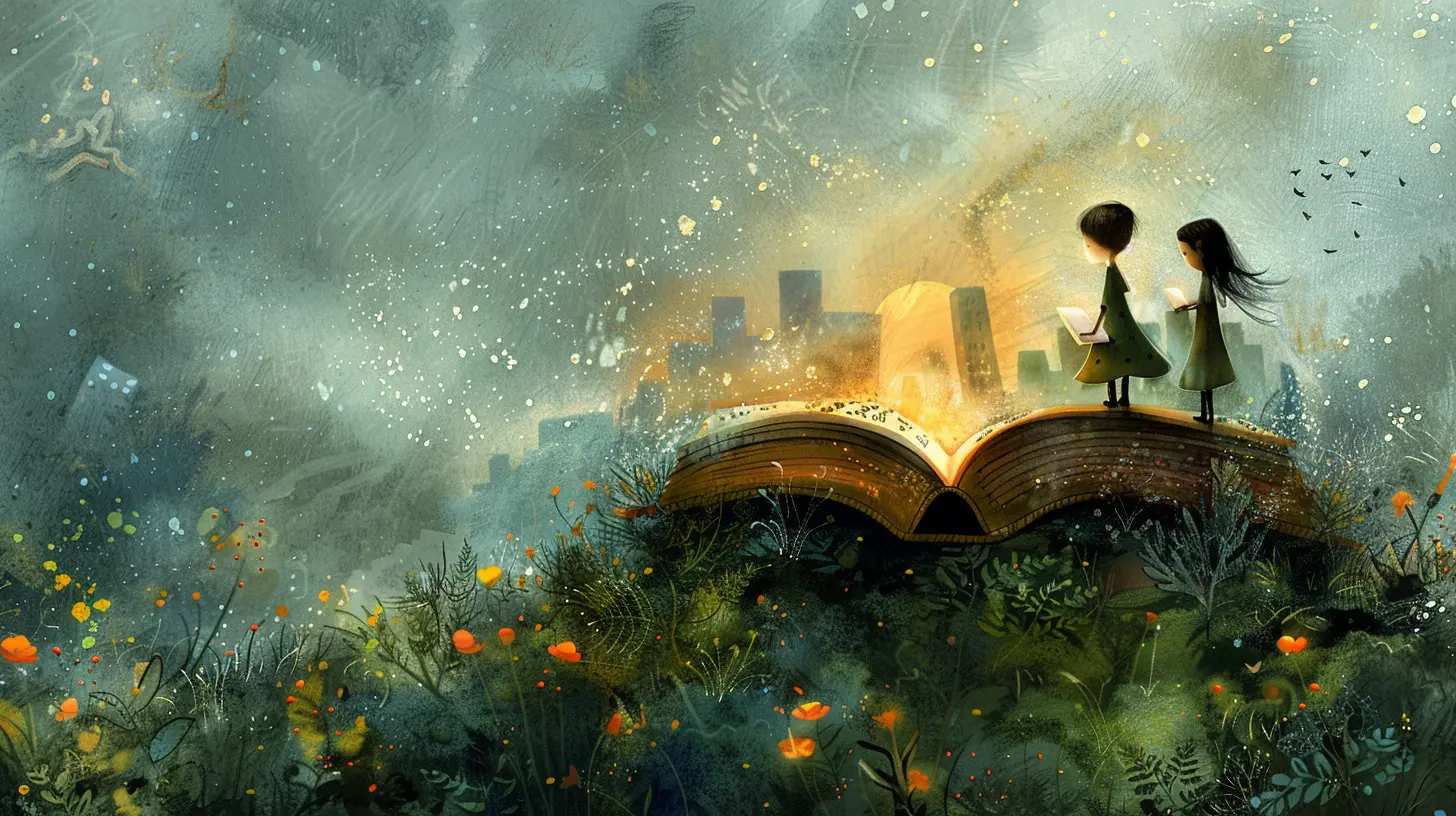
The Power of Picture Books in Early Childhood
From the moment children start recognizing shapes and colors, picture books become powerful learning tools. They are typically the first books a child interacts with, making them an essential part of early education. Unlike chapter books, where words do all the work, picture books combine visual storytelling with concise, engaging text—making them perfect for young minds.But picture books aren’t just about entertainment. They serve as a foundation for language acquisition, boosting vocabulary, comprehension, and even emotional intelligence. 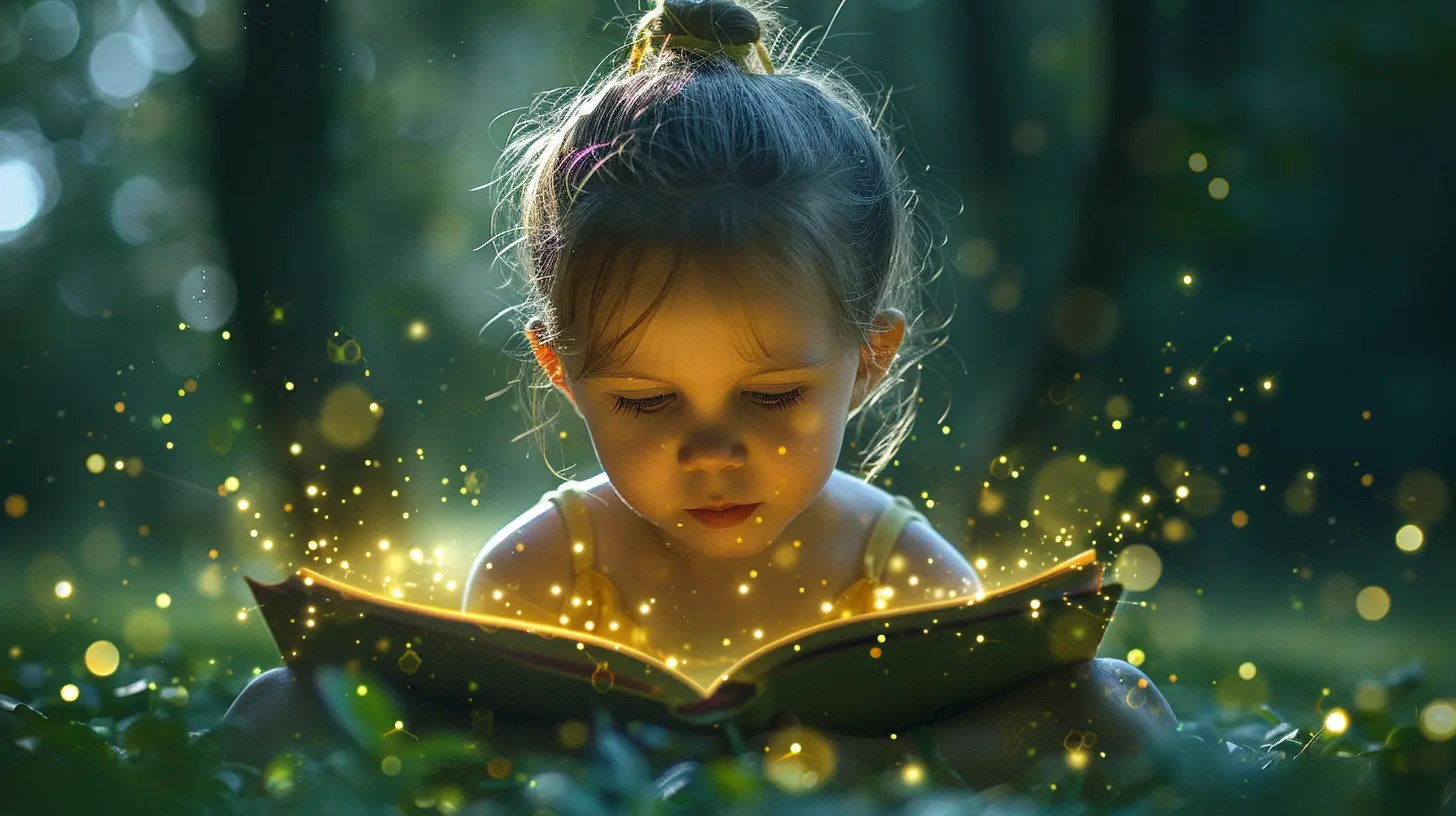
How Picture Books Build Vocabulary
1. Introducing New Words Naturally
Young children are like sponges—they absorb everything around them, including language. Picture books expose them to words they might not encounter in everyday conversations. For instance, a book about the ocean may introduce words like "coral," "tide," or "seashell," helping kids expand their vocabulary effortlessly.Instead of forcing memorization, picture books make learning feel natural. Kids associate words with images, making it easier for them to grasp their meanings and remember them.
2. Context Clues Improve Understanding
Ever noticed how kids pick up words faster when they hear them in a story rather than in isolation? That’s because picture books provide crucial context clues. When a child sees an illustration of a dog wagging its tail next to the word “happy,” they instantly connect the meaning of "happy" to the image.This visual aid makes it easier for youngsters to understand and retain new words—no dictionary required!
3. Repetition Reinforces Learning
Many picture books use a repetitive structure, which is a fantastic way to reinforce vocabulary. Stories like Brown Bear, Brown Bear, What Do You See? by Bill Martin Jr. follow a repetitive pattern that helps kids anticipate words and phrases.Repetition strengthens memory, making it easier for young readers to recall words and use them in their daily speech.
4. Exposure to Rich Language
Picture books often contain a mix of simple and advanced vocabulary. Unlike everyday speech, which might be limited to common words, picture books introduce children to a richer language.For example, instead of just saying "big," a storybook might use "gigantic," "enormous," or "massive." By encountering these variations, children naturally expand their vocabulary without formal lessons. 
Picture Books Ignite Imagination and Creativity
Vocabulary building is just one side of the coin—picture books also encourage creativity and imaginative thinking. Every turn of the page invites a child into a new world where anything is possible.1. Encouraging Storytelling Skills
A great picture book doesn’t just tell a story—it invites children to participate. The illustrations often leave room for interpretation, encouraging kids to imagine what might happen next.For instance, in a wordless picture book like Journey by Aaron Becker, children use their creativity to narrate the story in their own words. This strengthens storytelling abilities, which are crucial for both communication and creative thinking.
2. Stimulating Visual Thinking
Unlike television or digital content, which presents fully animated scenes, picture books require children to actively engage with the images. They learn to pay attention to details, emotions, and actions within the illustrations, enhancing their visual thinking skills.These skills play a big role in creativity. When kids start imagining beyond what’s on the page, they’re developing problem-solving abilities and innovative thinking—traits that will benefit them throughout life.
3. Building Emotional Intelligence
Picture books don’t just expand vocabulary; they also introduce children to emotions, relationships, and social situations. Books like The Color Monster by Anna Llenas help kids understand and express feelings through both words and images.By identifying emotions in characters—whether it’s happiness, sadness, anger, or excitement—children develop empathy and emotional intelligence. These skills are just as important as academic ones! 
Choosing the Right Picture Books
Not all picture books are created equal. Some are simple and cute, while others are packed with educational value. Here’s what to look for when selecting books for vocabulary and imagination-building:1. Rich Language and Engaging Text
Look for books that introduce a variety of words while maintaining an engaging storyline. Rhyming books, books with alliteration, and descriptive storytelling help children absorb new vocabulary in a fun way.2. Vibrant and Expressive Illustrations
The best picture books have detailed, expressive illustrations that add depth to the story. A good picture book tells a story visually, allowing kids to infer meaning even without reading the words.3. Interactive Elements
Books that encourage participation—such as lift-the-flap books or books with repeating phrases—help keep children engaged. When kids actively participate in reading, they retain more of what they learn.4. A Mix of Realistic and Fantasy Themes
Balance is key. Some books should reflect real-life experiences (e.g., books about family, school, or nature), while others should spark imagination with fantastical stories of dragons, aliens, or talking animals.Making the Most of Picture Books
Reading a picture book isn’t just about flipping pages; it’s about creating an interactive experience. Here’s how to maximize their benefits:1. Read Aloud with Expression
Use different voices, change your tone, and act out expressions to make the story come alive. Kids love an animated storyteller, and it makes learning even more enjoyable.2. Encourage Discussion
Pause to ask questions like, "What do you think will happen next?" or "How do you think the character feels?" Engaging in conversation helps build comprehension and critical thinking skills.3. Let Kids Tell the Story
Sometimes, flip the roles! Ask children to "read" the story by looking at the pictures and describing what they see. This helps develop both language skills and imagination.4. Repeat Favorites
Kids love reading the same book over and over again—and that's a good thing! Repetition helps reinforce vocabulary and deepen their understanding of the story.Conclusion
Picture books are truly magical. They don’t just entertain—they educate, expand vocabulary, spark imagination, and even build emotional intelligence. By incorporating picture books into a child’s daily routine, parents and educators can create a strong foundation for lifelong language and creativity.So next time you pick up a picture book, remember—you’re not just reading a story; you’re opening a door to endless learning and imaginative adventures!
all images in this post were generated using AI tools
Category:
Early LiteracyAuthor:

Charlotte Rogers
Discussion
rate this article
3 comments
Amos Stewart
This article beautifully captures the enchanting world of picture books. Their power to ignite vocabulary and imagination is truly incredible. Thank you for reminding us of their enduring magic in early education!
June 5, 2026 at 3:33 AM
Charlotte Rogers
Thank you for your kind words! I'm glad the article resonated with you and highlighted the magic of picture books in nurturing imagination and vocabulary.
Kristy Scott
Picture books are essential tools for igniting imagination and expanding vocabulary. Dismiss them at your peril; they shape young minds profoundly!
May 24, 2026 at 4:22 AM
Charlotte Rogers
Absolutely! Picture books are vital for nurturing creativity and language skills in young readers. Their impact is truly profound!
Bailey McNab
What a delightful reminder of the power of picture books! They truly nurture both vocabulary and imagination in our little ones.
May 21, 2026 at 3:02 AM
Charlotte Rogers
Thank you! I'm glad you see the magic in picture books—they truly are essential for nurturing young minds!