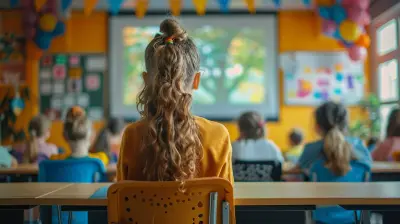
The Role of Mindfulness in Inclusive Education
21 June 2026
Let’s be honest—teaching is already a juggling act, and when you add inclusivity into the mix, it can feel like juggling flaming batons while riding a unicycle. But what if I told you mindfulness could be your safety net? Yep, that whole “being in the moment” thing isn’t just for yogis and meditation gurus—it’s a game-changer in education, especially in inclusive classrooms.
So, grab a comfy chair, maybe a cup of coffee (or tea if you're feeling fancy), and let’s talk about how mindfulness can transform inclusive education into a more welcoming and effective space for everyone.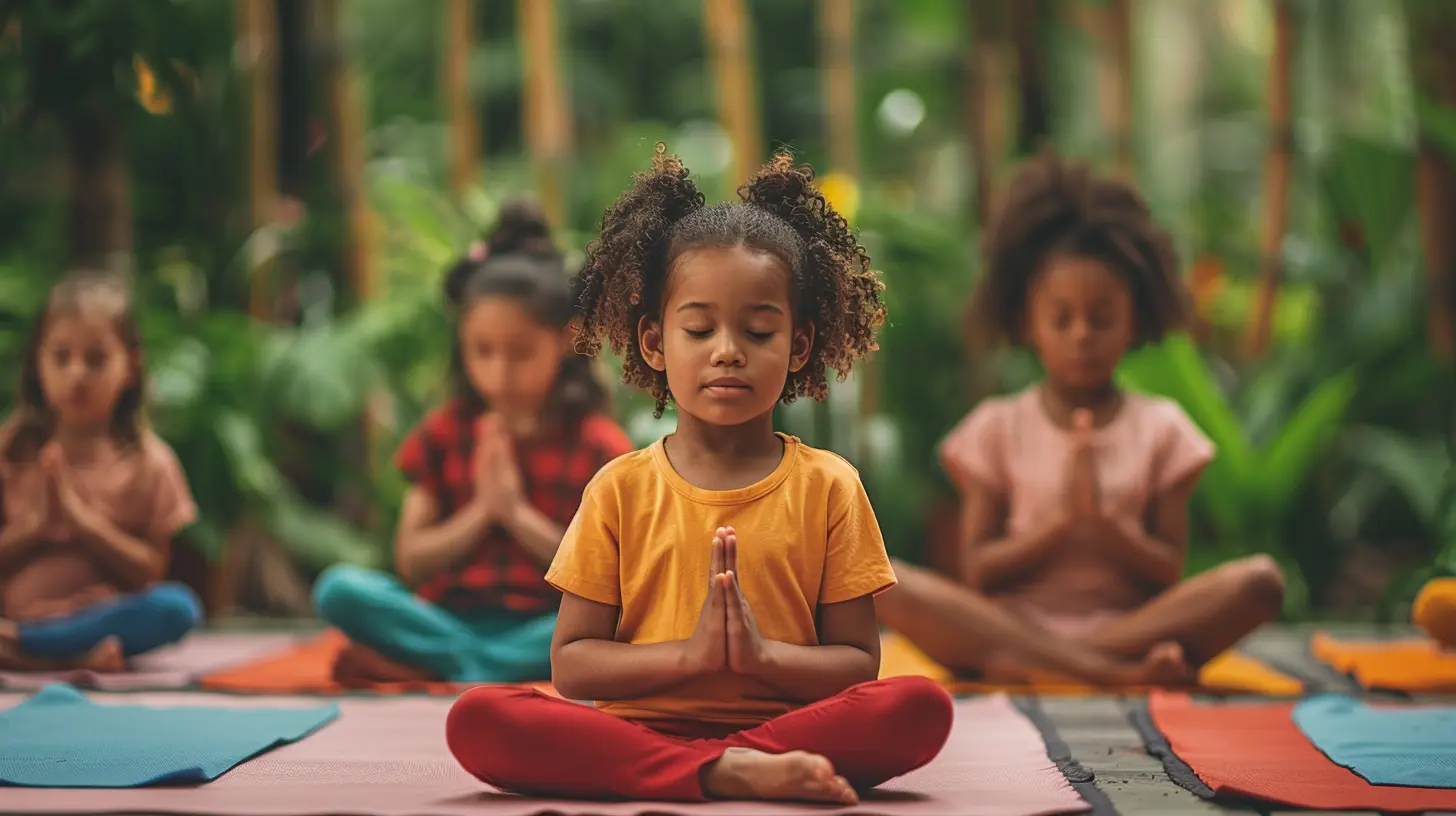
What Even IS Mindfulness?
Before we get ahead of ourselves, let’s break it down. Mindfulness is basically the art of paying attention—being fully present in the moment without worrying about that email you forgot to send or what you’re having for dinner.It’s slowing down to notice what’s happening right now, whether that’s listening to a student with your full attention or simply breathing before responding to a stressful situation. Sounds simple, right? Well, it is... and it isn’t. But when applied to education, it can work wonders.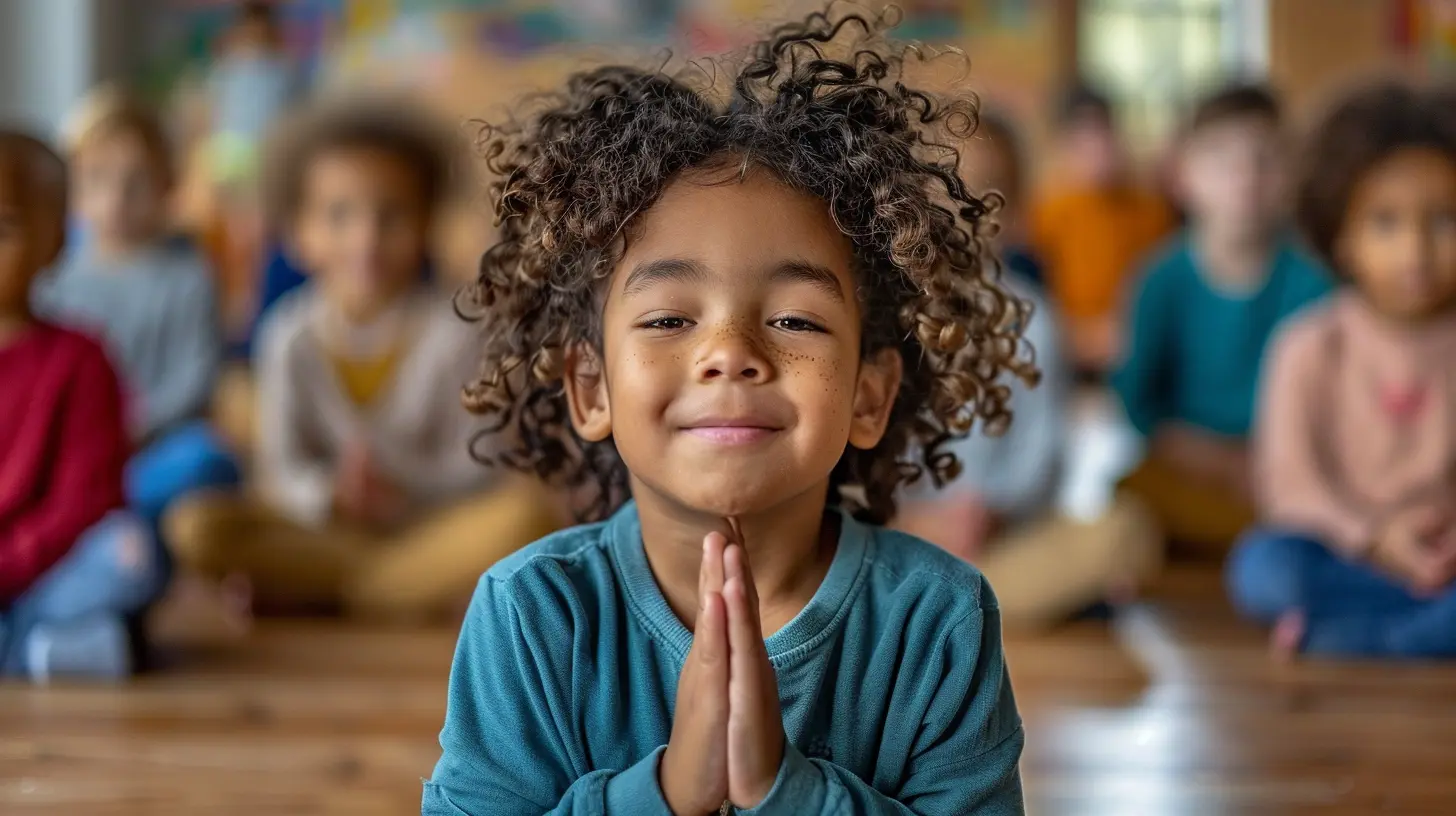
Why Inclusive Education Needs a Dose of Mindfulness
Inclusive education is all about creating an environment where every student, regardless of their abilities, background, or learning style, feels valued and supported. But let’s be real—teaching a diverse classroom is no walk in the park. There are challenges at every turn:- Managing different learning needs
- Reducing stress and anxiety (for both students and teachers!)
- Encouraging empathy and understanding among students
This is where mindfulness struts in like a superhero. It helps create a classroom that feels safe, calm, and focused—an environment where all students can thrive.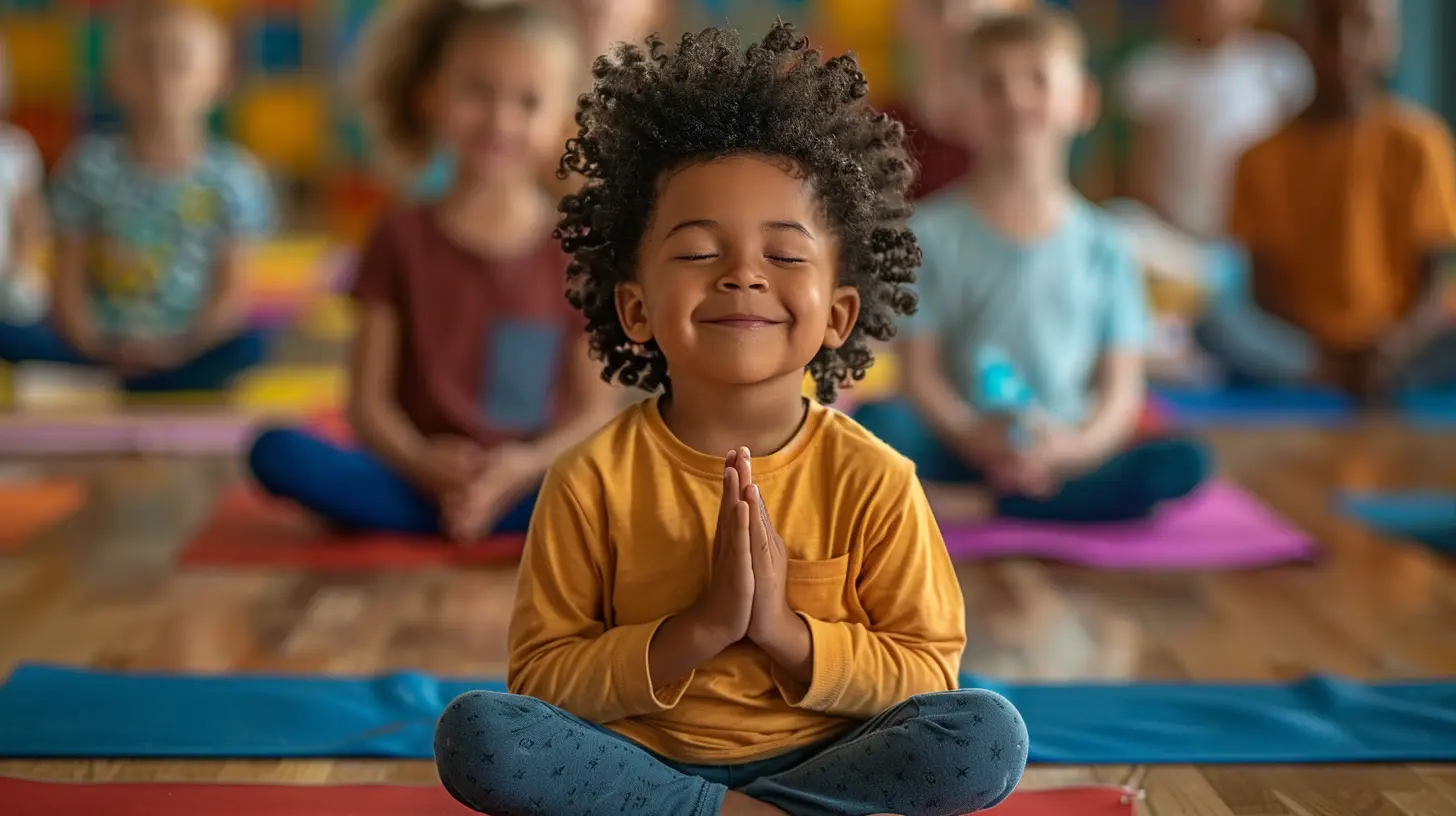
The Magic of Mindfulness in the Classroom
Okay, so how does mindfulness actually work in an inclusive setting? It’s not just about sitting cross-legged and chanting “Om” (though if that’s your vibe, go for it). It’s about integrating small, meaningful habits into daily teaching.1. Reducing Stress and Anxiety
Let’s face it—school is stressful. Tests, social pressures, and learning difficulties can make students feel overwhelmed. Mindfulness helps by teaching students to recognize their emotions and find ways to stay calm.A simple breathing exercise can work wonders:
> The 4-7-8 Breathing Technique:
> Inhale for 4 seconds, hold for 7, exhale for 8. Repeat. Feel the stress melt away like butter on a hot pancake.
2. Improving Focus and Attention
Ever tried teaching while students are mentally checked out? It’s like talking to a brick wall. Mindfulness helps students train their brains to focus by anchoring their attention to the present moment.A great way to practice this? The "5-4-3-2-1" Grounding Exercise:
- Spot 5 things you see
- Identify 4 things you can feel
- Listen for 3 sounds
- Notice 2 things you smell
- Think of 1 thing you taste
Boom—instant focus.
3. Building Empathy and Emotional Intelligence
Ever dealt with a classroom argument that escalated from “You took my pencil” to World War III? Mindfulness can teach students to pause before reacting, helping them develop self-awareness and compassion for others.One trick? Encourage students to do a "Mindful Minute" before responding in conflicts. Give them 60 seconds to breathe, process, and then speak. Fewer meltdowns, more understanding.
4. Supporting Students with Special Educational Needs (SEN)
Mindfulness is a superhero power, especially for students with ADHD, autism, or anxiety. It provides them with the tools to self-regulate emotions and manage stress, helping them navigate the school day with more confidence and fewer meltdowns.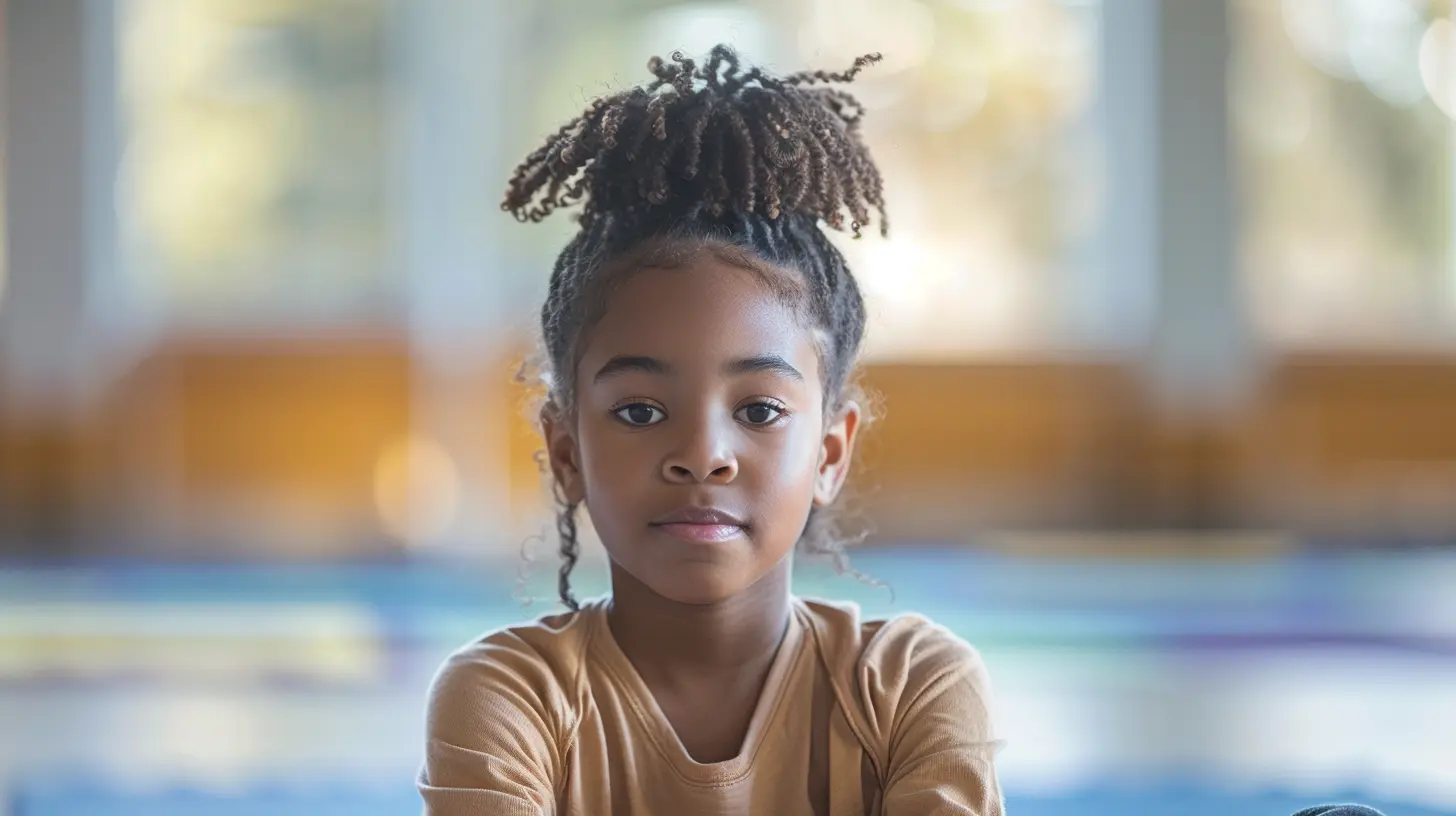
How Teachers Can Use Mindfulness (Without Losing Their Sanity)
Alright, teachers—before you roll your eyes and say, ”Great, another thing to add to my already overflowing plate,” hear me out. You don’t have to overhaul your teaching style or turn into a Zen master overnight. Small mindfulness hacks can make a big difference.✔ Start the Day with a Mindful Check-In
Before jumping into lessons, take a minute for a mindful moment. Ask students:- How are you feeling today? (Encourage honesty!)
- What’s one thing you’re grateful for?
- What’s one goal for today?
✔ Encourage Mindful Breaks
Instead of letting kids zone out, introduce quick brain breaks. Stretching, deep breathing, or even a minute of silence can help reset their focus.✔ Practice What You Preach
Teachers, you need mindfulness too! Take five deep breaths before responding to a chaotic classroom. Model mindfulness, and students will follow suit. If that fails, chocolate and coffee are great backup options.Mindfulness Myths: Let's Bust 'Em
Before I wrap up, let’s clear up a few mindfulness misconceptions that might be holding you back:❌ "I don’t have time for mindfulness!"
✅ You don’t need an hour—just 30 seconds of deep breathing can help.
❌ "Mindfulness is just meditation!"
✅ Nope! It’s also about awareness, listening, and thoughtful responses.
❌ "It only works for certain students!"
✅ Every student can benefit from mindfulness, whether they have learning challenges or not.
Final Thoughts
Mindfulness isn’t some magical cure-all, but it is a powerful tool for creating a more inclusive, compassionate, and focused classroom. When students feel calm and supported, they’re better equipped to handle challenges, work together, and—most importantly—learn.So, next time your classroom feels like it's one paper airplane away from total chaos, remember: breathe, pause, and bring a little mindfulness into the mix. Your students (and your sanity) will thank you.
all images in this post were generated using AI tools
Category:
Mindfulness In EducationAuthor:

Charlotte Rogers
Discussion
rate this article
3 comments
Valentina Vance
Mindfulness fosters empathy in classrooms—let's cultivate understanding and inclusivity together, one breath at a time!
July 7, 2026 at 4:38 AM
Charlotte Rogers
Thank you for highlighting this vital connection! Mindfulness truly can enhance empathy and inclusivity in our classrooms. Together, we can create a more understanding environment.
Lumen McNair
Mindfulness fosters empathy and awareness, enhancing inclusive education by supporting diverse learners and promoting a positive classroom environment.
June 28, 2026 at 3:12 AM
Zia McGuire
Embracing mindfulness enriches learning for everyone—truly inspiring! 🌟
June 22, 2026 at 2:47 AM