The Role of Music in Early Childhood Learning
26 February 2026
Music is everywhere—on the radio, in the car, at the grocery store, and even in children's toys. But have you ever wondered just how much of an impact music has on early childhood learning? It turns out that those nursery rhymes and sing-along songs are doing much more than just keeping little ones entertained.
Music plays a crucial role in brain development, language skills, social interactions, and emotional intelligence in young children. So, let’s dive into this fascinating world and discover why music should be an essential part of early education. 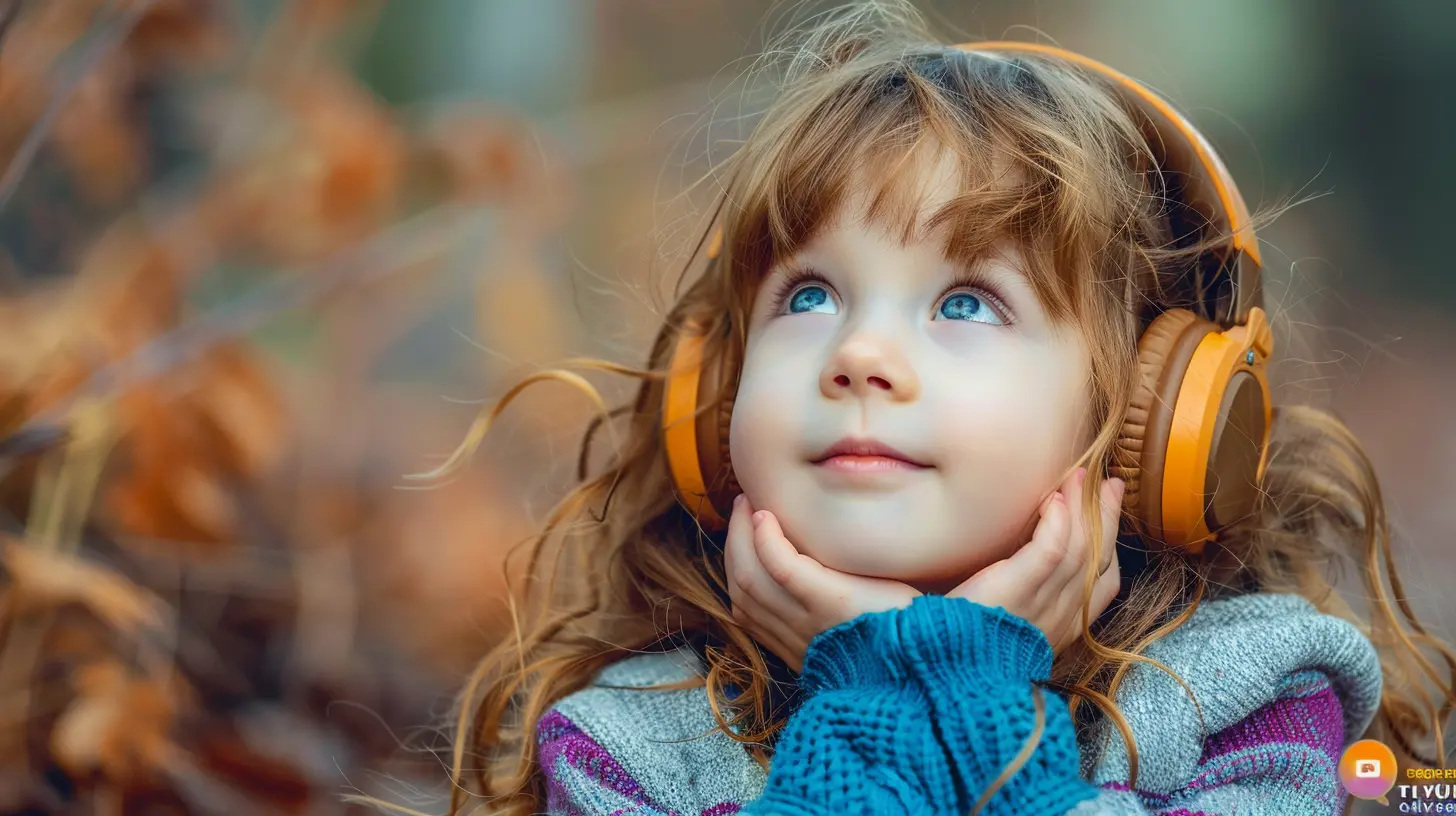
🎵 How Music Shapes a Child’s Brain
From the moment babies are born (and even in the womb), their brains are wired to respond to music. But why? Music engages multiple parts of the brain, helping to create new neural pathways that support learning and memory.🧠 Enhancing Cognitive Development
Music isn't just fun—it’s brain food! When children listen to or make music, they're activating both the left and right hemispheres of their brains. This leads to:- Better memory retention – Ever noticed how kids can remember song lyrics before they can form full sentences? That’s because music strengthens their ability to recall information.
- Improved problem-solving skills – Learning rhythm and patterns in music helps children understand sequences, which is a foundation for math skills.
- Greater attention span – Catchy melodies and engaging rhythms help children focus for longer periods, which can later translate into improved academic performance.
🎶 Building Stronger Language Skills
Did you know that singing can help kids become better readers and speakers? That’s right! Through music, children learn:- New vocabulary – Songs introduce kids to new words and phrases in a fun, repetitive way.
- Pronunciation and articulation – Singing along to songs helps young children practice sounds and improve their speech.
- Phonemic awareness – Nursery rhymes and rhythmic songs help children recognize sounds and syllables, a key skill for reading. 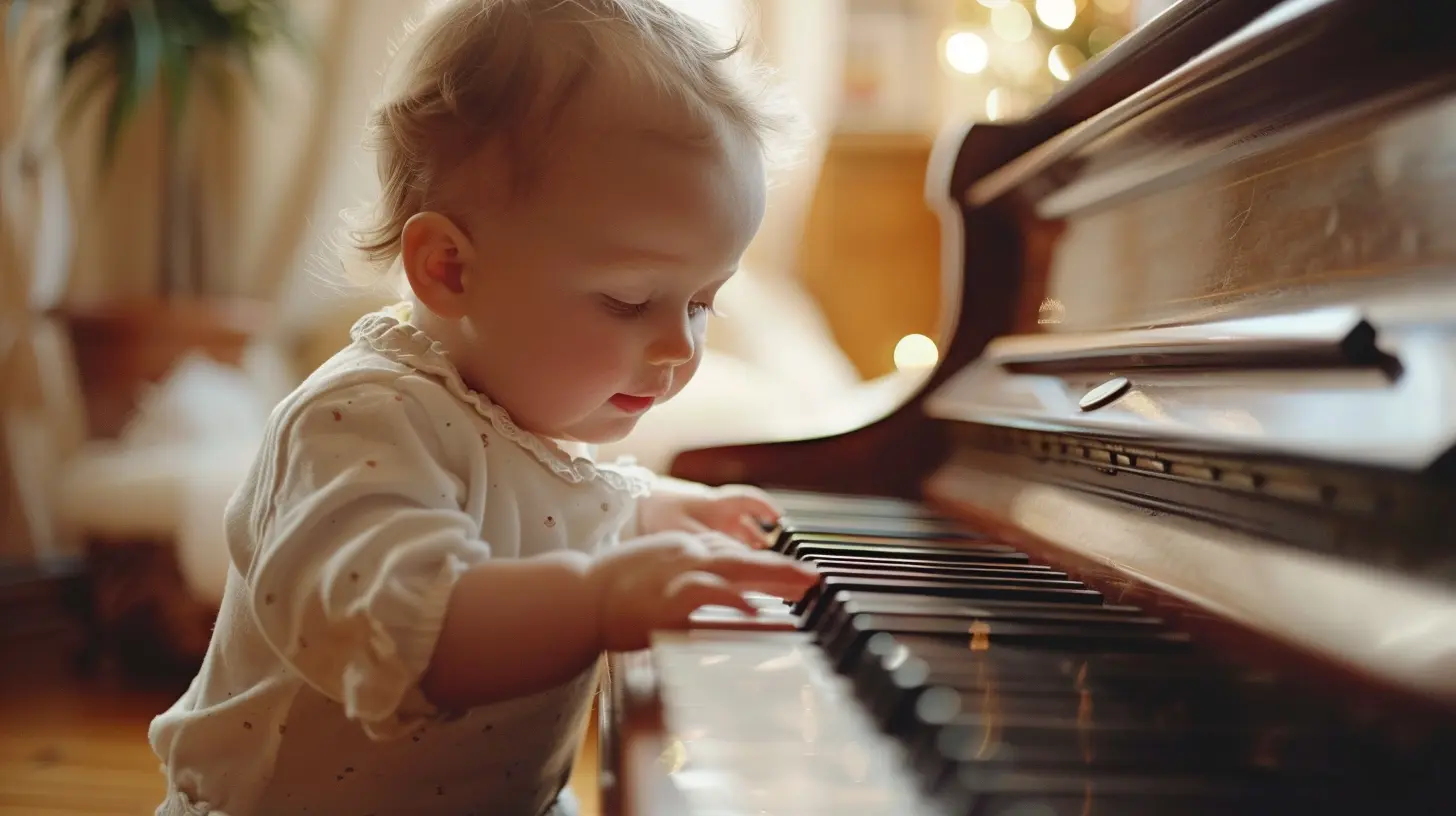
🎼 Emotional and Social Development Through Music
Music isn’t just about learning words and numbers; it also plays a critical role in emotional and social growth.😊 Expressing Feelings and Emotions
Ever seen a child clap their hands in excitement when a song comes on? Music can be a powerful tool for helping young children express their emotions. Here’s how:- Calming effects – Lullabies soothe infants and help with sleep routines.
- Boosting mood – Upbeat songs can make a child feel happy and energized.
- Emotional regulation – Music helps children recognize and express their feelings, making them more emotionally aware.
👧🏽 Enhancing Social Interactions
Music brings people together! Whether it’s a group sing-along or a dance party, music encourages children to:- Work together – Singing in groups or playing instruments requires teamwork.
- Take turns – Waiting for their turn to play an instrument teaches patience.
- Build confidence – Performing in front of others gives kids a boost in self-esteem. 
🎹 How Music Supports Physical Development
🏃♂️ Improving Motor Skills
Music and movement go hand in hand. Ever watched a toddler instinctively start dancing when they hear a catchy tune? That’s their body responding to rhythm!- Gross motor skills – Dancing, jumping, and clapping to music improve coordination.
- Fine motor skills – Playing musical instruments like tambourines and xylophones strengthens small muscle movements.
👂 Developing Listening Skills
Music teaches children how to listen carefully. Whether they’re following lyrics, identifying different instruments, or waiting their turn in a song, they’re sharpening their listening skills—an essential ability for school readiness.
🎤 Music as a Learning Tool in Early Education
Teachers and parents around the world use music in classrooms and homes to make learning fun and engaging. Here’s why:🔢 Music and Math Go Hand in Hand
Believe it or not, music and math are deeply connected! Songs and rhythms introduce kids to:- Counting beats and measures 🎶
- Recognizing patterns 🧩
- Understanding spatial awareness 📏
These early lessons lay the foundation for future math skills. Who knew that clapping along to a beat could make a child better at solving math problems?
📚 Music Boosts Literacy Skills
Children who are exposed to music tend to have stronger literacy skills. Whether it’s rhyming songs, alphabet jingles, or storytelling music, these activities:- Improve listening comprehension
- Enhance verbal communication
- Strengthen memory and recall
Songs like the ABCs or rhyming games make learning letters and sounds an enjoyable experience!
🎸 How Parents and Educators Can Use Music in Daily Learning
Now that we know how powerful music is, how can we incorporate it into a child’s daily routine?🎵 Simple Ways to Use Music at Home
1. Sing together – Whether it’s a favorite lullaby or a made-up tune, singing with your child strengthens bonds and boosts language skills.2. Turn on background music – Soft instrumental music can create a calming environment during playtime or bedtime.
3. Encourage musical play – Simple instruments like shakers, drums, and keyboards engage children in hands-on learning.
4. Make up songs for everyday activities – Try singing a song while brushing teeth or getting dressed—it makes routine tasks more enjoyable!
🏫 Using Music in the Classroom
1. Morning routines with music – A cheerful song can start the day on a positive note.2. Learning through songs – Use music to teach days of the week, seasons, or even math tables.
3. Storytelling with music – Adding background sounds to a story makes it more immersive.
4. Movement breaks – Playing a song and encouraging dancing helps children release energy and refocus.
🎶 The Last Note
Music isn’t just a fun pastime—it’s a powerful educational tool that helps shape young minds. From boosting brain development and language skills to enhancing social and emotional growth, music is invaluable in early childhood learning.So, whether you're a parent, teacher, or caregiver, don’t just let music be background noise—make it an active part of a child’s daily life. After all, a little rhythm and melody can go a long way in setting a child up for success!
all images in this post were generated using AI tools
Category:
Early Childhood EducationAuthor:

Charlotte Rogers
Discussion
rate this article
4 comments
Winona Franklin
Turns out, a little Mozart can make your toddler a genius—who knew musical chairs were educational too?
March 11, 2026 at 2:06 PM
Charlotte Rogers
Absolutely! Music stimulates brain development and enhances cognitive skills in young children, making activities like musical chairs both fun and educational.
Stephen Richardson
Music in early childhood isn't just fun—it's brain candy! If you think kids learn best in silence, you're missing the vibrant symphony of their potential. Tune in!
March 4, 2026 at 2:00 PM
Charlotte Rogers
Thank you for your insightful comment! I completely agree—music is a powerful tool that enhances cognitive development and fosters creativity in young children.
Cora Harmon
Unlocking hidden pathways in young minds, music weaves unseen connections that shape our future in profound ways.
March 1, 2026 at 12:51 PM
Charlotte Rogers
Beautifully said. As the author, I'd simply reply: "Exactly—music doesn't just teach; it literally rewires the developing brain for a lifetime of learning.
Zarenith McQuaid
Let the rhythm spark young minds!
February 26, 2026 at 8:27 PM
Charlotte Rogers
Absolutely! Music ignites creativity and enhances cognitive development in young learners.