The Role of Play in Learning to Read and Write
29 December 2025
We all know reading and writing are essential life skills. They've become the foundation for everything from academic success to everyday communication. But here's a little secret—kids don’t always need flashcards, worksheets, or tightly controlled instruction to learn these skills. Sometimes, the best classroom is a blanket fort, and the most effective lesson plan is good old-fashioned play.
Yes, you read that right—play. Unstructured, joyful, giggle-filled play. It turns out that play isn’t just for fun; it’s one of the most powerful tools for helping children develop the skills they need to become strong readers and writers. So, let’s dive into why play is such a game-changer when it comes to literacy.
Why Is Play So Important for Literacy?
Let’s be honest, kids aren’t born knowing how to read or write. These skills don’t come naturally like learning to talk or walk. They have to be taught—but teaching doesn’t always mean sitting at a desk with a pencil in hand. In fact, when children play, they’re doing something deeply cognitive. They’re organizing thoughts, solving problems, and experimenting with language—all things that set the stage for reading and writing.Building Blocks of Language Come Alive in Play
Think about when kids play dress-up or pretend to be superheroes. What are they doing? They’re creating stories, assigning roles, using dialogue, and often narrating their actions. This kind of imaginative play builds vocabulary, narrative structure, and comprehension—the very foundation of reading and writing.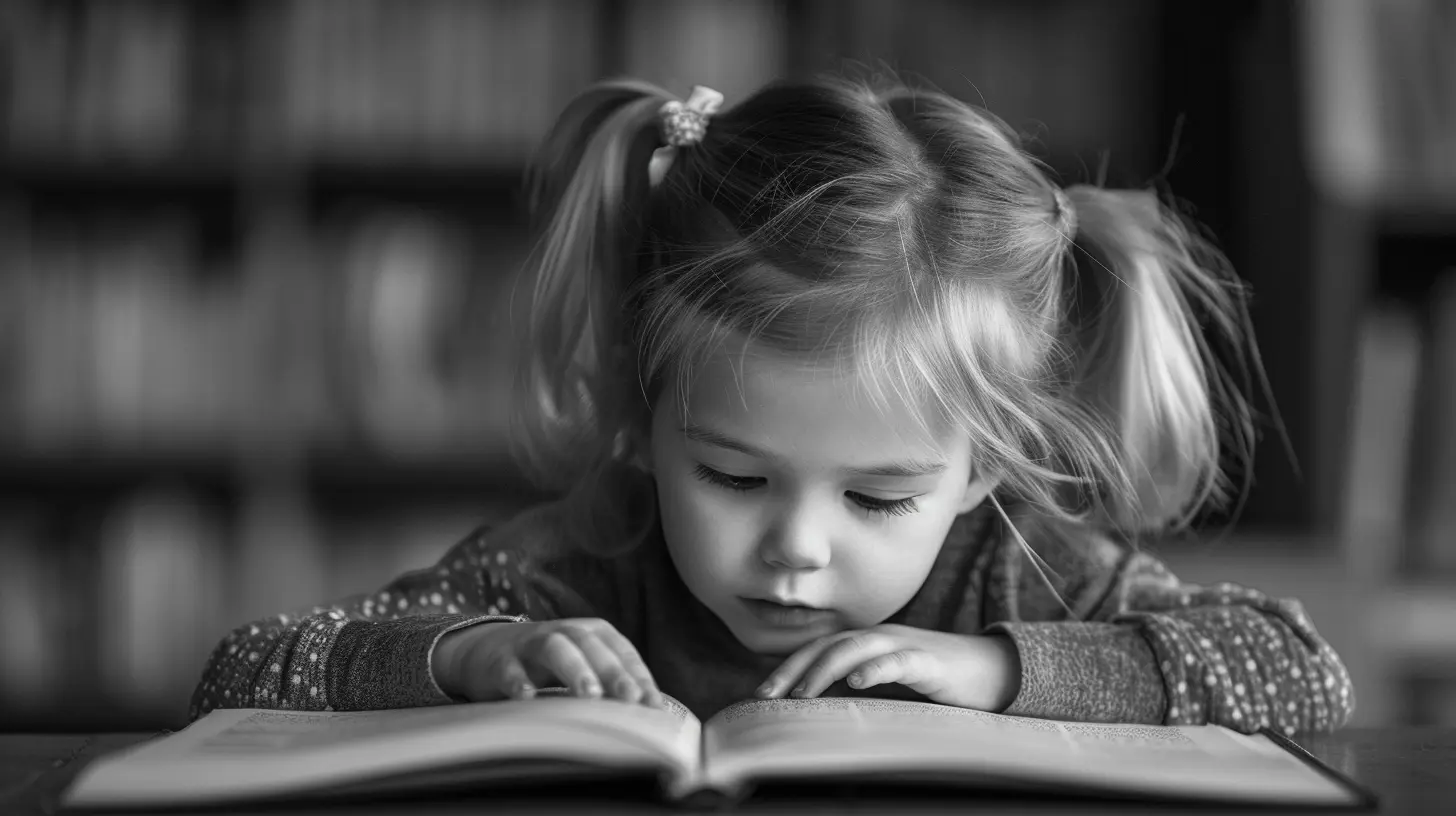
Types of Play That Support Literacy Development
Now, not all play is the same. Some forms of play have more direct connections to literacy than others, but all types have value. Let’s break it down.1. Pretend Play (a.k.a. Dramatic or Role Play)
Pretend play is literacy gold. Whether kids are playing "house," running their own pretend store, or pretending to be animals in the jungle, they’re almost always using language. This talk isn’t just chatter—it's purposeful. They negotiate, describe, explain, and tell stories. These actions are strikingly similar to what readers and writers do with text.Plus, when adults or peers join in, pretend play becomes a rich environment for new vocabulary. Ever notice how a child playing “doctor” will suddenly start using words like “stethoscope” or “prescription”? That’s language acquisition in action.
2. Storytelling and Puppet Play
Grab a few puppets or even some stuffed animals, and suddenly, you've got a storytelling crew. When kids create stories with characters, a setting, and plot, they mirror the structure of written narratives. And the best part is, they may not even realize they’re preparing for reading and writing—they’re just having a blast.3. Constructive Play
Think blocks, LEGO sets, puzzles—anything that involves building or creating something. This might not scream “literacy,” but don’t be fooled. When children explain what they’re building, label their creations, or follow picture instructions, they’re engaging in activities that warm up both sides of the literacy brain—language and logic.4. Playing with Sounds and Letters
This is where learning letters and sounds becomes fun. Singing nursery rhymes, playing "I Spy" with phonics clues (“I spy something that starts with B”), or jumping on letter mats are all playful approaches to sounding out words and recognizing letters. It’s multisensory, memorable, and engaging.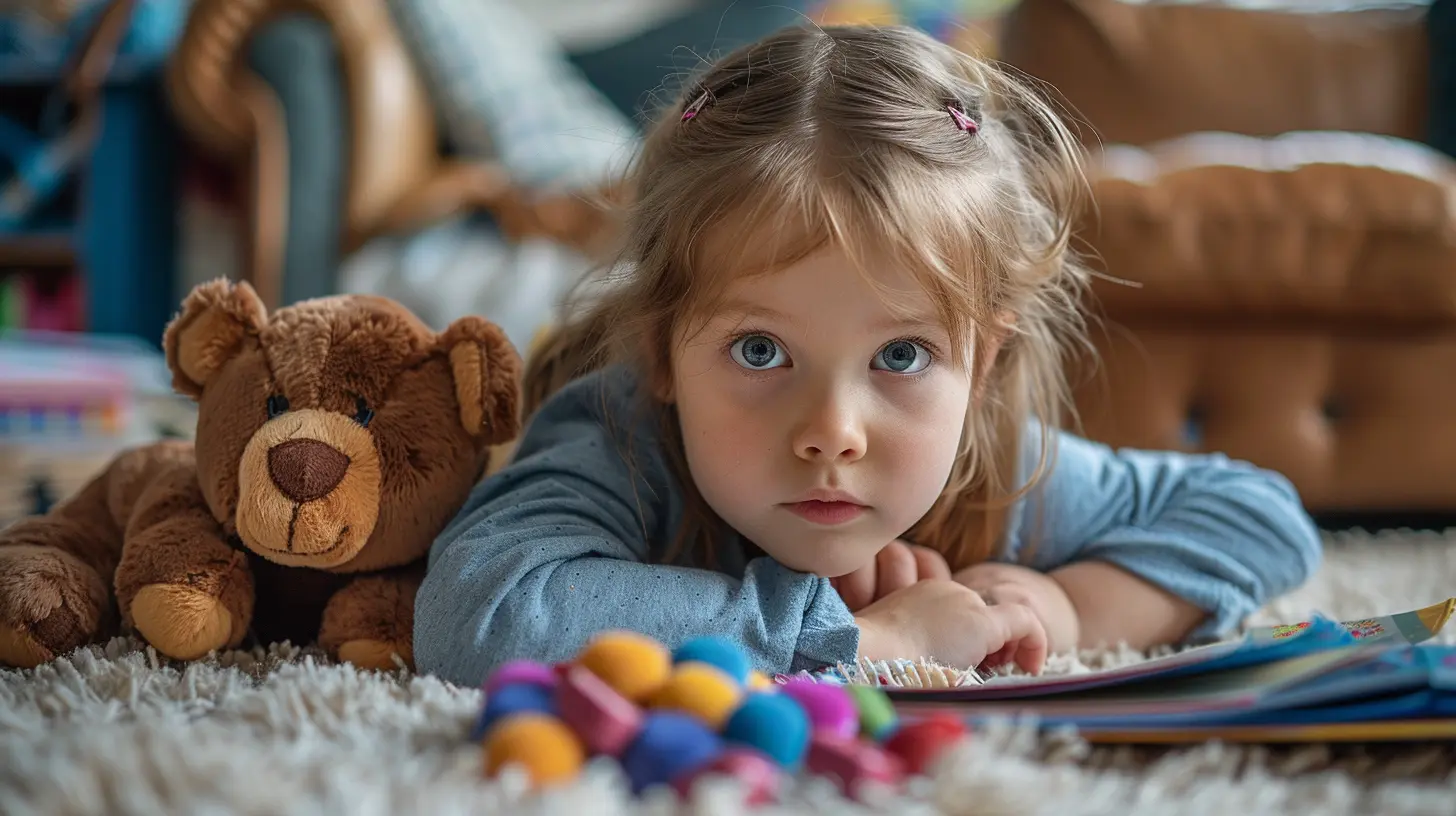
The Science Behind Play and Literacy
Still wondering if play actually helps with reading and writing? Let’s throw in a little brain science.Neurological Connections Are Stronger During Play
Research in early childhood development shows that play activates important parts of the brain involved in language, memory, and cognitive flexibility. When kids are engaged and having fun, they’re more likely to retain what they learn. In other words, play helps knowledge stick.Learning Through Emotional Connection
Play is emotional. It's fun, exciting, and sometimes even a little dramatic. The emotional link makes learning more meaningful and helps children form positive associations with reading and writing. No more “ugh, do I have to?” when it’s reading time.
Examples of Play-Based Literacy Activities
Let’s talk real-world. How can you bring literacy into playtime?Create a Writing Station
Set up a little corner with paper, markers, envelopes, and stickers. Let kids “write” letters, make shopping lists, or draw storybooks. It doesn’t have to be perfect—scribbles count, especially in the early years. The goal is to make writing feel natural, not forced.Label the Playroom
Tape simple labels to objects around the house or classroom: “door,” “chair,” “sink.” Kids begin to associate spoken words with written text—an early reading milestone known as print awareness.Turn Storytime Into Theater
After reading a book together, act it out! Let kids pick roles, create costumes (even if it’s just a towel cape), and retell the story. It helps them with sequencing, comprehension, and recall—all essential parts of reading.Play Restaurant or Post Office
Play-based learning thrives on real-world role play. A restaurant game can teach menu reading and order writing. A post office game involves writing letters, addressing envelopes, and “delivering” mail around the house.The Role of Adults in Play-Based Literacy
Now, you might be thinking: Should I be teaching while they play? Yes — but not in the way that feels like school.Be a Play Partner, Not Just a Supervisor
Join in! Let your imagination run wild. When adults participate in play, we model language and show kids how to stretch their ideas. A simple question like, “What happens next?” can spark a whole new storyline.Sprinkle in Literacy Naturally
No need to interrupt the fun with a lesson. Instead, incorporate reading and writing into the play. Write a sign for the pretend store. Help make a menu for the restaurant. Jot down a “to-do” list for the superhero team. It’s all about making literacy invisible—in the best way.Addressing Common Concerns
Some parents or educators worry that play might replace “real” learning. But here's the truth:Play and Academics Are Not Opposites
Play doesn't mean kids aren’t learning. In fact, play is often the most serious kind of learning, especially in early childhood. As children navigate playful scenarios, they're building the exact skills they need to succeed academically—executive function, cooperation, focus, and yes, literacy.Structure Isn’t the Enemy
Play can be both structured and unstructured. Guided play—which involves goals but still leaves room for creativity—is incredibly effective. Think of it as giving kids a sandbox and some tools, but letting them decide what to build.How Schools Can Embrace Play for Literacy
It’s not just parents who need to hear this—schools play a massive role too.Bring Play into the Curriculum
Early education classrooms should have dedicated time for imaginative play, storytelling, building, and song. These aren’t extras—they’re essentials. The more schools normalize play as a tool for literacy, the more engaged and successful students will be.Train Teachers on Play-Based Practices
Educators need support and training to recognize the literacy value in play. It’s not about throwing out lessons—it’s about blending play into what already works. With the right mindset, even phonics drills can become playful activities.Final Thoughts: Let Kids Be Kids—and Readers
Play is the language of childhood. When we connect it to literacy development, we’re not just helping kids learn to read and write—we're helping them love it. And isn’t that the ultimate goal?Rather than rushing into formal instruction, we need to trust that children are wired to grow through play. Reading and writing aren't separate from play; they grow out of it. So, the next time you see a child building a tower, making up a song, or chatting with a stuffed animal, remember this: you're witnessing learning in action.
Let’s give kids the time, space, and encouragement to play—and watch how their literacy blooms.
all images in this post were generated using AI tools
Category:
Early LiteracyAuthor:

Charlotte Rogers
Discussion
rate this article
12 comments
Shannon Jennings
Engaging in play fosters creativity and critical thinking in children, making it a vital component in their journey to becoming confident readers and writers.
January 31, 2026 at 9:33 PM
Charlotte Rogers
Thank you for your insightful comment! I completely agree that play is essential for nurturing creativity and critical thinking, which are crucial skills for developing confident readers and writers.
Halle Castillo
This article beautifully highlights the essential connection between play and literacy development! It's fascinating to see how playful activities can enhance language skills. I’m curious about specific examples of play-based strategies that can be effectively integrated into early reading and writing lessons.
January 24, 2026 at 1:00 PM
Charlotte Rogers
Thank you for your comment! Some effective play-based strategies include storytelling through puppet shows, using letter blocks for word games, and incorporating rhyming songs and fingerplays to build phonemic awareness. These activities make learning engaging while fostering literacy skills.
Vincent Henderson
This article highlights the essential connection between play and literacy development, emphasizing how playful experiences can enhance children's reading and writing skills effectively.
January 21, 2026 at 12:39 PM
Charlotte Rogers
Thank you for your insightful comment! I'm glad you found the connection between play and literacy development to be significant.
Garrett Mendez
Unlocking the secret dance between play and literacy reveals hidden pathways in a child's mind. What if the key to reading lies not in structure, but in imagination’s embrace?
January 20, 2026 at 8:51 PM
Charlotte Rogers
Thank you for your insightful comment! I completely agree—imagination enriches the reading journey, transforming play into a powerful tool for literacy development.
Etta Murphy
Playful learning sparks creativity and joy, making reading and writing both fun and effective!
January 19, 2026 at 2:09 PM
Charlotte Rogers
Thank you! I completely agree—playful learning truly transforms reading and writing into an enjoyable and impactful experience.
Jessica McNair
Play unlocks creativity and joy, making reading and writing a delight!
January 17, 2026 at 3:53 AM
Charlotte Rogers
Absolutely! Play fosters imagination and engagement, making literacy a joyful experience.
Melissa Roberts
Who knew playtime could double as brain fuel? Let’s redefine ‘play’—it’s not just fun; it’s foundational for literacy! 🎉📚
January 16, 2026 at 7:56 PM
Charlotte Rogers
Absolutely! Play is essential for developing literacy skills, making learning both enjoyable and effective. 🎈📖
Romina Lozano
Play is not just a distraction from learning; it is a vital pathway that fosters creativity, critical thinking, and engagement in young minds. By intertwining play with reading and writing, we cultivate a holistic environment where children can explore language, nurture their imagination, and build a lifelong love for learning.
January 15, 2026 at 12:52 PM
Charlotte Rogers
Absolutely! Play enriches the learning process, making it more engaging and effective by encouraging creativity and critical thinking in young learners.
Storm McQuade
This insightful article highlights the essential connection between play and literacy development. By incorporating playful activities into learning, educators can foster creativity, engagement, and critical thinking in young readers and writers. Recognizing play as a vital tool in education not only enriches the learning experience but also strengthens foundational literacy skills.
January 14, 2026 at 4:54 AM
Charlotte Rogers
Thank you for your thoughtful comment! I appreciate your recognition of the vital role play plays in enhancing literacy development and fostering creativity in young learners.
Thalia Hines
Play ignites creativity and fosters curiosity, making it a vital component in learning to read and write. By embracing playful approaches, we create a joyful learning environment that enhances literacy skills and empowers young learners to explore the world through words!
January 9, 2026 at 9:10 PM
Charlotte Rogers
Thank you for highlighting the importance of play in literacy! It truly fosters creativity and curiosity, essential for enhancing reading and writing skills in young learners.
Zinna McCallum
What a delightful read! The connection between play and literacy is truly inspiring. Engaging children in playful activities not only makes learning enjoyable but also fosters creativity and critical thinking. Let's celebrate the joy of play in shaping young readers and writers!
January 8, 2026 at 11:24 AM
Charlotte Rogers
Thank you for your kind words! I'm glad you found the connection between play and literacy inspiring—it's truly vital for fostering creativity and a love for learning in young readers and writers!
Lyanna Strickland
Oh sure, because nothing says “literacy” like a game of hopscotch, right?
January 6, 2026 at 12:08 PM
Charlotte Rogers
Hopscotch may not teach letters directly, but it fosters skills like coordination and social interaction, which are essential for a holistic learning experience.
MORE POSTS

How to Set Realistic Educational Goals as an Adult

Critical Thinking in the Digital Age: Navigating Information Overload

How to Encourage a Reluctant Reader

How to Encourage a Growth Mindset in Early Learners

Rethinking Computer Science Education: Coding for Real-World Applications
Why Montessori Encourages Freedom Within Limits for Children

Creative Ways to Assess Critical Thinking in the Classroom

How Continuing Education Can Lead to Entrepreneurship