Using Coding to Teach Environmental Science in Schools
29 January 2026
Environmental issues are becoming more pressing than ever, and it’s crucial that we equip the next generation with the knowledge and skills to tackle these challenges. But how do we make learning about climate change, pollution, and sustainability both engaging and practical? The answer lies in coding.
By integrating coding into environmental science education, students not only gain valuable tech skills but also develop a deeper understanding of real-world environmental issues. Let’s dive into why and how schools can use coding to teach environmental science effectively. 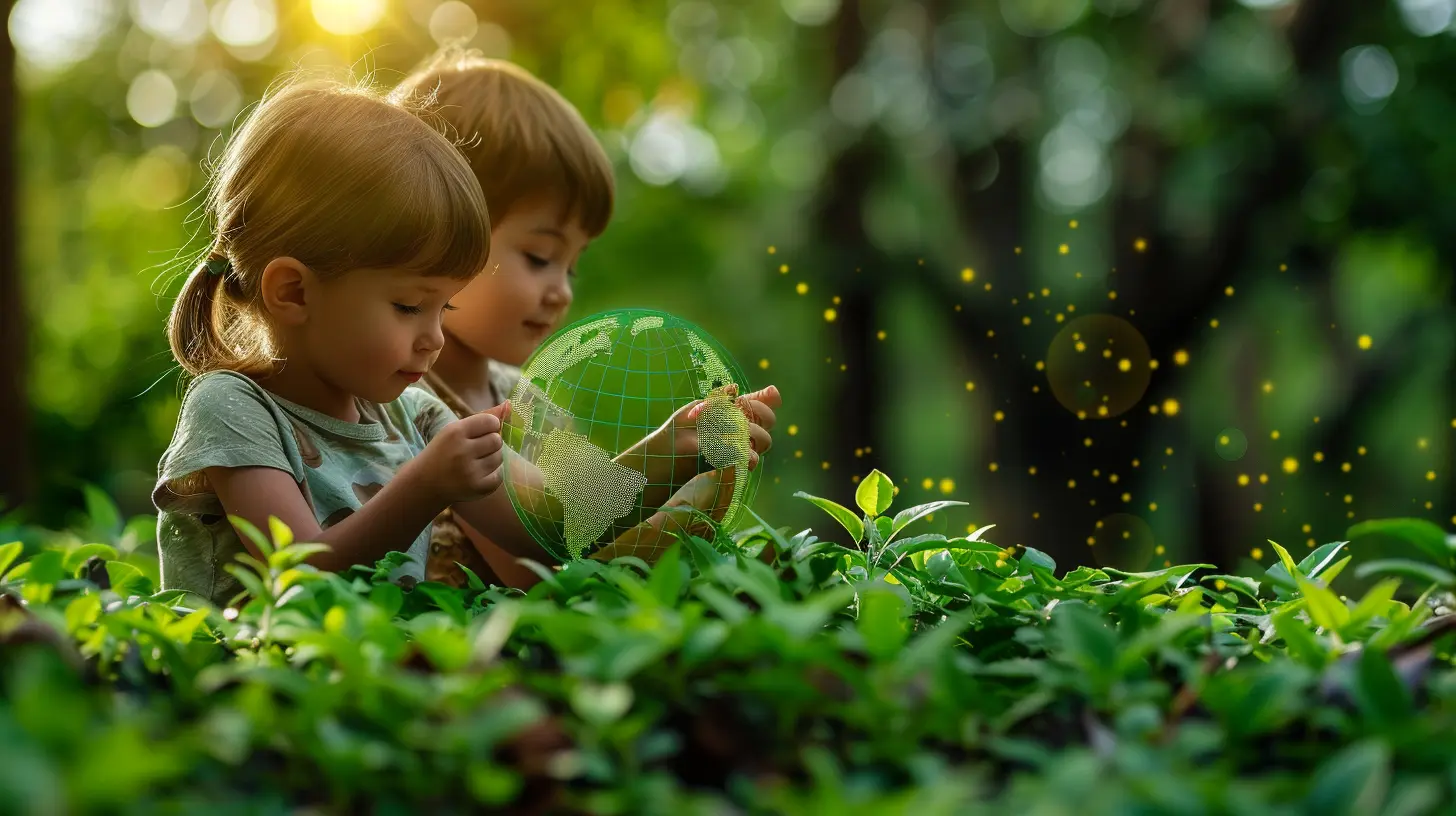
Why Combine Coding and Environmental Science?
At first glance, coding and environmental science might seem like two completely unrelated subjects. But when we look closer, the connection becomes clear.1. Hands-On Learning – Instead of just reading textbooks, students can actively engage by coding simulations, analyzing data, and building projects that address real environmental challenges.
2. Critical Thinking and Problem-Solving – Both coding and environmental science require students to think logically and creatively to find solutions.
3. Career Readiness – Tech-driven solutions are at the heart of modern environmental efforts. Teaching coding alongside environmental science prepares students for future careers in sustainability, technology, and research.
Rather than treating environmental science as just another subject, adding coding into the mix makes learning interactive, practical, and impactful. 
How Coding Enhances Environmental Science Education
1. Data Analysis for Climate Change Studies
One of the biggest challenges in environmental science is analyzing the vast amount of data available. This is where coding comes in.- Students can use programming languages like Python and R to analyze climate data, track temperature changes, and predict trends.
- They can create visualizations like graphs and heat maps to better understand shifts in global temperatures, carbon emissions, and deforestation rates.
By learning to code, students aren’t just memorizing facts—they are actively exploring and interpreting real-world science.
2. Building Interactive Environmental Models
What if students could create digital models to simulate environmental changes? Well, they can!- Using platforms like Scratch or Blockly, younger students can code basic simulations of ecosystems, showing how factors like pollution or deforestation impact wildlife.
- More advanced students can use JavaScript or Python to create dynamic models of weather patterns, ocean acidification, or the greenhouse effect.
Interactive models make learning more engaging and help students grasp complex topics by actually seeing them in action.
3. Coding for Environmental Monitoring Projects
With IoT (Internet of Things) technology and coding, students can actively monitor environmental changes at a local level.- With Arduino or Raspberry Pi, students can build simple sensors to measure air quality, soil moisture, or water purity.
- They can program these devices using Python or C++ to collect data, store it, and even display it in interactive dashboards.
Imagine a classroom where students aren’t just reading about pollution but actually coding their own pollution sensors—talk about hands-on learning!
4. Gamification: Making Environmental Science Fun
Let’s be honest—environmental science can sometimes feel overwhelming with all the doom-and-gloom statistics. But what if we turned it into a game?- Students can code educational games that teach players about conservation, recycling, or energy efficiency.
- Using Python (Pygame) or JavaScript (p5.js), they can create simple challenges or quizzes on environmental topics.
Gamification makes learning fun and motivates students to engage with sustainability in an exciting way.
5. Encouraging Sustainable Tech Solutions
One of the best parts of coding is its potential to solve real-world problems. Students can take what they learn and develop projects aimed at sustainability.- Smart Irrigation Systems: Students can code a system that waters plants only when necessary, conserving water.
- Recycling Apps: They can create apps that help people identify recyclable materials and locate nearby recycling centers.
- Energy-Saving Programs: Coding can be used to set up automated systems for turning off unused devices to reduce energy consumption.
The best way to teach sustainability? Let students actually build solutions for a greener future. 
Getting Started: Tools and Resources for Teachers
If you’re an educator wondering how to introduce coding into environmental science, don’t worry! There are plenty of beginner-friendly tools available.1. Block-Based Coding Platforms (Perfect for Beginners)
- Scratch – Great for creating simple simulations and environmental-themed animations.- Blockly – Helps students learn coding logic while designing environmental projects.
2. Text-Based Programming for Data and Automation (For Older Students)
- Python – Excellent for data analysis, visualization, and environmental monitoring projects.- JavaScript – Useful for interactive web-based environmental models.
3. Hardware for Hands-On Projects
- Arduino – Ideal for building environmental monitoring sensors.- Raspberry Pi – Can be used to create automated systems for conservation efforts.
By incorporating these tools, teachers can seamlessly blend coding into their environmental science lessons without overwhelming students. 
Overcoming Challenges: Making the Integration Work
1. Providing Teacher Training
Many teachers may not have prior coding experience, but that shouldn’t be a barrier. Offering professional development workshops and online courses can help teachers feel more comfortable with coding concepts.2. Access to Technology
Not all schools have the same access to technology, but there are free online coding platforms that require no installation. Schools can also apply for STEM grants to fund hardware like Arduino kits.3. Keeping Students Motivated
Some students may find coding intimidating at first. The key is to make projects fun, interactive, and relevant to their interests. Gamification, real-world applications, and collaborative projects can help keep engagement high.The Future of Coding and Environmental Science in Schools
As environmental issues continue to grow, our educational approach needs to evolve. Coding isn’t just about learning how to program—it’s about finding innovative solutions to real-world problems.By merging coding with environmental science, we create powerful, future-ready students who understand both technology and sustainability. These students won’t just be passive learners—they’ll be active problem-solvers shaping a greener tomorrow.
The future is in their hands. And with coding, those hands now have the power to build a better world.
all images in this post were generated using AI tools
Category:
Coding In SchoolsAuthor:

Charlotte Rogers
Discussion
rate this article
12 comments
Angela Ward
How can coding enhance our understanding of environmental science concepts?
February 18, 2026 at 4:42 AM
Charlotte Rogers
Coding enhances our understanding of environmental science by enabling simulations, data analysis, and interactive visualizations that illustrate complex concepts, making them more accessible and engaging for students.
Indie Gray
What a fantastic idea! Combining coding with environmental science not only makes learning fun but also empowers students to become eco-friendly innovators for a brighter future!
February 15, 2026 at 9:54 PM
Charlotte Rogers
Thank you! We believe that integrating coding with environmental science inspires creativity and fosters a generation of eco-conscious innovators.
Romina McAlister
Who knew coding could save the planet? Let’s swap boring lectures for lines of code—turn future scientists into eco-warriors, one algorithm at a time. Talk about a game changer!
February 13, 2026 at 7:34 PM
Charlotte Rogers
Absolutely! Coding empowers students to tackle environmental challenges creatively, making learning engaging and impactful. Let’s inspire the next generation of eco-warriors!
Jaxon Pace
Empower students! Coding is the essential tool to revolutionize environmental science education today!
February 13, 2026 at 4:26 AM
Charlotte Rogers
Absolutely! Empowering students with coding skills is crucial for engaging them in environmental science and driving innovative solutions for the future.
Evelyn Romero
This article brilliantly highlights the intersection of coding and environmental science education. Integrating coding not only enhances students' technical skills but also fosters critical thinking about ecological issues. It’s an inspiring approach that empowers the next generation to tackle environmental challenges creatively. I'm excited to see this method implemented in classrooms!
February 11, 2026 at 1:24 PM
Charlotte Rogers
Thank you for your thoughtful comment! I'm glad you found the integration of coding and environmental science inspiring—it's an exciting way to empower students to engage with ecological challenges!
Cecilia McLaury
This approach effectively engages students, making environmental science relatable and fostering essential coding skills for the future.
February 10, 2026 at 9:01 PM
Charlotte Rogers
Thank you! I'm glad you found the approach engaging and valuable for students' future skills.
Clementine McInnes
This approach beautifully merges technology with nature, fostering critical thinking and passion for the environment in young minds. Truly inspiring!
February 9, 2026 at 5:19 AM
Charlotte Rogers
Thank you! I'm glad you found the approach inspiring and effective in promoting critical thinking about the environment.
Rivenheart Hodge
What a fantastic idea! Combining coding and environmental science sparks creativity and innovation in students. Let's inspire the next generation of eco-warriors—one line of code at a time! 🌍💻
February 7, 2026 at 1:53 PM
Charlotte Rogers
Thank you! I'm excited to see how coding can empower students to tackle environmental challenges creatively. Together, we can inspire a sustainable future! 🌱✨
Joanna McGinnis
How does coding enhance understanding?
February 3, 2026 at 8:15 PM
Charlotte Rogers
Coding enhances understanding by allowing students to create simulations and models of environmental systems, enabling them to visualize complex concepts and engage actively with the material.
Kalani Cain
Integrating coding enhances environmental science education and engagement.
January 31, 2026 at 9:33 PM
Charlotte Rogers
Thank you for your insightful comment! We believe that integrating coding not only deepens understanding but also fosters greater engagement with environmental issues among students.
Erin Lawrence
This article beautifully highlights the intersection of coding and environmental science. Integrating technology into education not only enhances student engagement but also fosters a deeper understanding of ecological challenges. It's inspiring to see innovative approaches that empower young minds to create positive change!
January 30, 2026 at 7:23 PM
Charlotte Rogers
Thank you for your thoughtful comment! I'm glad you found the intersection of coding and environmental science inspiring. Empowering students through innovative education is essential for fostering positive change.
Owyn Lawson
Integrating coding with environmental science offers a dynamic approach to education, fostering critical thinking and problem-solving skills. However, it's essential to ensure that educators are adequately trained and resourced to effectively implement this intersection, avoiding the risk of superficial understanding masked by technological engagement.
January 29, 2026 at 3:57 AM
Charlotte Rogers
Thank you for your insightful comment! I completely agree that proper training and resources for educators are crucial to ensure a deep understanding of both coding and environmental science, enhancing the learning experience rather than merely adding a technological layer.
MORE POSTS

The Role of Reflection in Effective Assessment Practices
How Standardized Tests Influence Curriculum and Instruction

How to Use Mindfulness to Stay Present During Study Sessions
The Importance of Grace and Courtesy Lessons in Montessori Education
The Role of Coding in Digital Citizenship Education
Language Arts Games for Improving Literacy Skills
The Link Between Classroom Assessment and Student Engagement
How Group Discussions Can Promote Deeper Critical Thinking