Using Mindfulness to Foster Better Teacher-Student Relationships
14 May 2026
Let’s face it, navigating the modern classroom is like trying to herd caffeinated squirrels while reciting Shakespeare backward. Between deadlines, distractions, and devices (oh, the devices!), maintaining a strong teacher-student relationship feels about as easy as folding a fitted sheet. Perfectly. On the first try.
But what if – and hear me out – the secret to less chaos and more connection isn’t more tech or newer policies but... mindfulness? Yep, good ol’ mindfulness. That buzzword everyone throws around like confetti at a yoga retreat.
Before you roll your eyes and mumble something about essential oils and meditation apps, give me a chance to spill the tea on how mindfulness can seriously upgrade your classroom game. No incense required.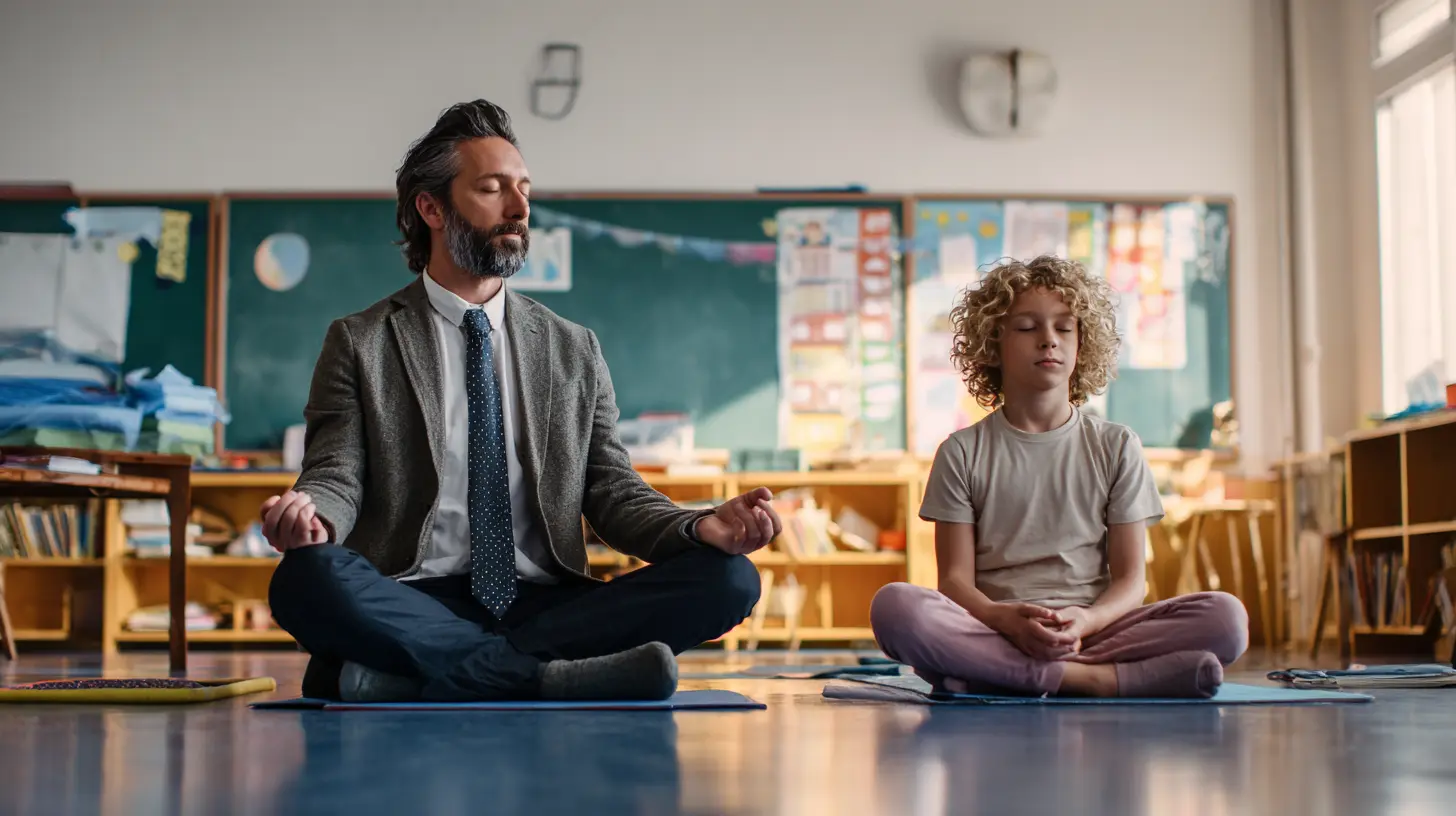
What Even Is Mindfulness?
So, here’s the 50-cent definition: mindfulness is the practice of being fully present, aware of where you are and what you’re doing, without turning into a judgmental maniac. It’s basically the art of not screaming internally during recess duty.Mindfulness isn’t about humming in lotus pose while your classroom literally bursts into flames around you. Nah. It’s more like pausing for a second before reacting, checking in with yourself and your students, and creating space between the chaos and your response to it.
It’s like installing a mental app that says, “Don’t freak out yet, try breathing first.”
The Awkward Dance of Teacher-Student Relationships
Ah, the teacher-student relationship – that magical, mysterious dynamic that can make or break a school year. When it’s good, your students respect you, you genuinely enjoy teaching, and the classroom hums with positive vibes.When it’s bad? It’s like being stuck in a group project with people who don't do their part – only you're also responsible for their future. No pressure, right?
Here’s the kicker: kids are emotional sponges. They absorb your stress, your tone, your nonverbal cues – even when you’re trying to act like everything’s peachy. If your energy is frazzled, they’ll feel it. If you’re present and calm, they pick up on that too.
So what’s the fix? Nope, not more lesson plans. It’s mindfulness, baby.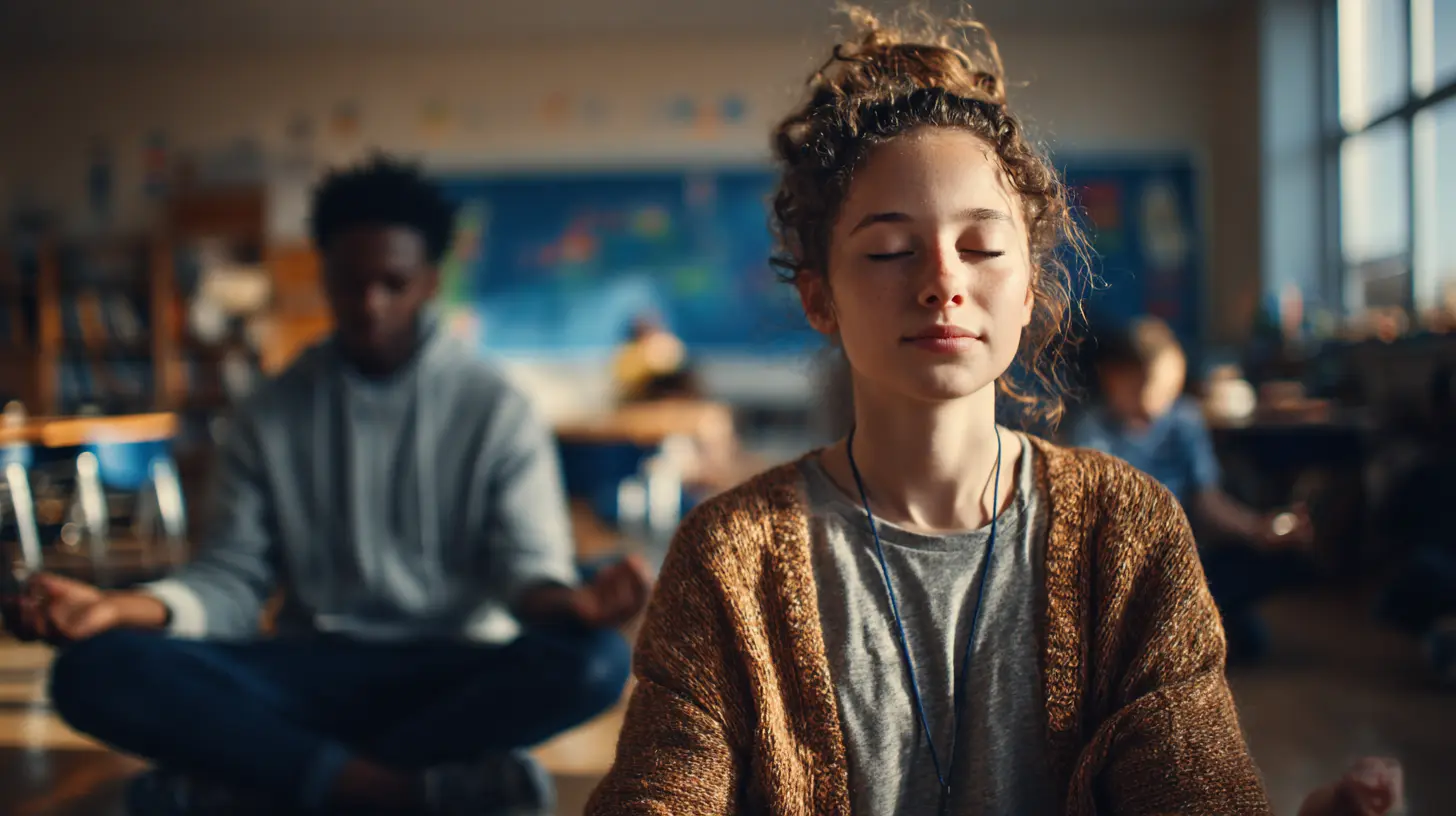
How Mindfulness Transforms Classroom Chaos into Calm (Mostly)
Let’s break it down. When teachers practice mindfulness, they’re better equipped to:- Stay cool under fire (like when little Timmy “accidentally” lets loose a stink bomb mid-lecture).
- Recognize emotional triggers (yours and your students’).
- Respond instead of react.
- Create a safe, consistent environment.
And when students are taught mindfulness, they start to:
- Self-regulate (fewer desk-flipping incidents).
- Communicate feelings instead of bursting into tears over broken pencils.
- Build empathy and compassion.
- Actually. Pay. Attention.
Together, that’s a recipe for stronger connections, fewer meltdowns, and more learning – actual learning, not just cramming info to regurgitate on a test.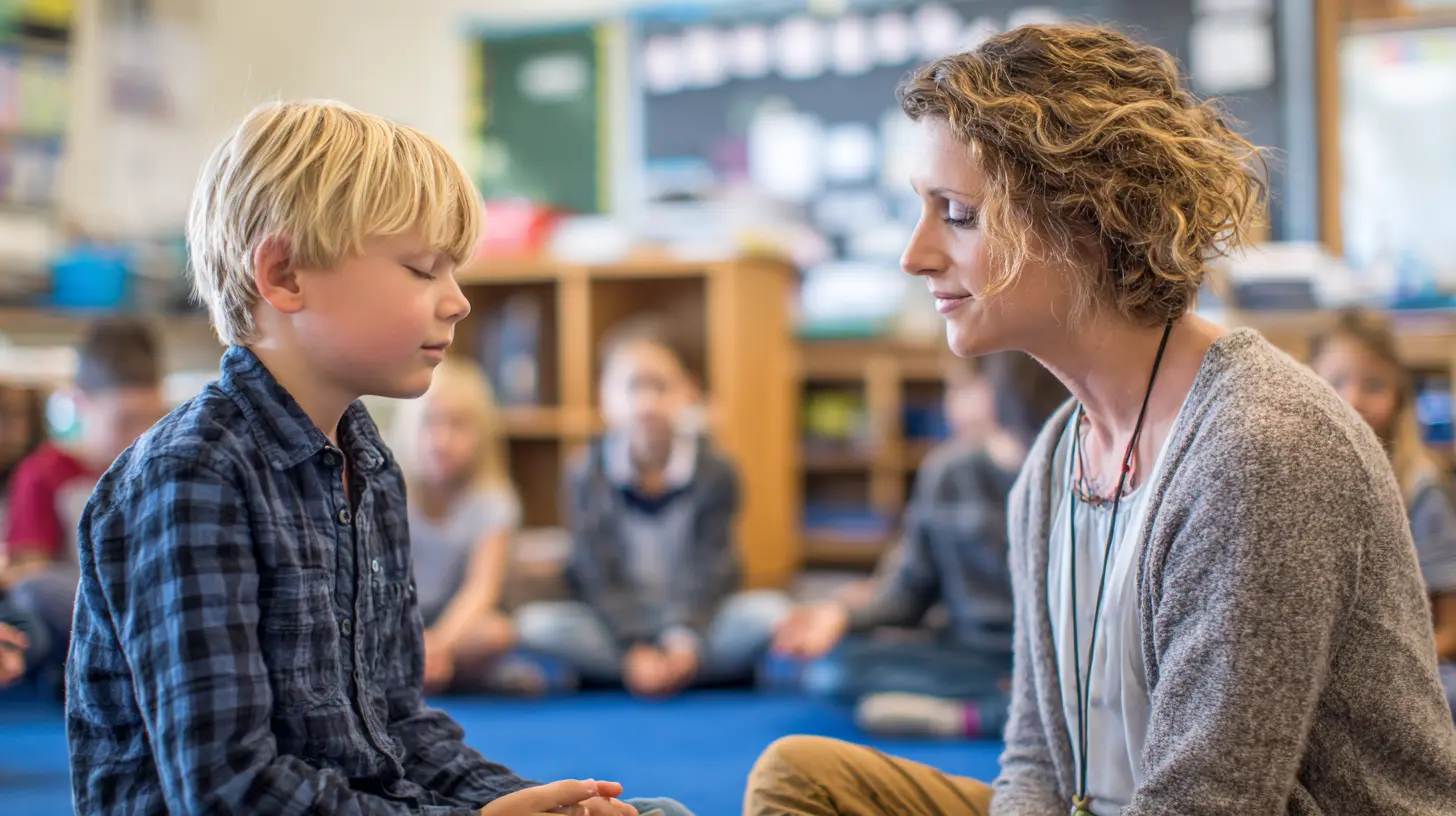
The Mindful Teacher: Jedi Master of Emotional Intelligence
You don’t have to be a Zen monk to be a mindful teacher. You just need to bring a little awareness to your day – like remembering to breathe before answering a sarcastic comment or noticing when you’re carrying stress from a staff meeting into your classroom.Here’s what mindful teachers tend to do (and no, it’s not magic, it’s practice):
1. They Pause Before Reacting
Picture this: a student knocks over a stack of carefully alphabetized projects. Before pre-meltdown mode kicks in, you pause. Deep breath. Choose calm. Maybe ask, “What do you need right now?” instead of “WHY DO YOU HATE ME?”2. They Observe, Not Judge
Mindful teachers see student behavior as communication, not rebellion. A kid zoning out in class might not be lazy – maybe they didn’t sleep because of family drama. Observation leads to understanding, which builds trust.3. They Reflect
Mindfulness encourages self-reflection. After a tough day, instead of binging five episodes of true crime and regret-snacking on a bag of marshmallows, they think: “What went well? What could I try differently?” Growth mindset, anyone?Mindfulness Isn’t Just for Teachers — It’s for Students Too
Let’s talk about our future TikTok influencers, shall we?Kids today are under a ridiculous amount of pressure. Academic expectations, social drama, parents with Pinterest-perfect expectations – it’s a lot. So imagine giving them tools to deal with that. Tools like:
- Breathing techniques to deal with test anxiety.
- Grounding exercises to calm spiraling thoughts.
- Mindful listening so they actually hear feedback (without the eye-roll).
Mindfulness Activities That Don’t Scream “Hippie”
You don’t need to turn your classroom into a meditation center with Himalayan salt lamps. Start small. Think:- Mindful Minute: One minute of focused breathing before class begins.
- 5-4-3-2-1 Check-in: “What do you see? Hear? Feel?” to ground students in the present moment.
- Emotion Thermometers: Let students rate their mood at the start of class. It builds emotional vocabulary and helps you spot red flags.
Heck, some teachers even do a “Silent Start” where students enter quietly and do a calming activity instead of immediately jumping into work. It’s like easing into the pool instead of cannonballing into it at 7:30 a.m.
Avoiding the “Mindfulness Lite” Trap
Okay, real talk. Lip service doesn’t cut it. Slapping the word “mindfulness” on a worksheet isn’t the same as building a culture of presence in your classroom.This isn’t about forcing kids to sit cross-legged and chant “om” while you post about it on Instagram with #MondayMantra. If you don’t embody mindfulness yourself, your students won’t buy in.
This is about being consistent, intentional, and (here’s the kicker) vulnerable. You model it. They learn from it. Not just through lessons, but through how you show up – even on Mondays.
Mindfulness + Compassion = Superpowered Relationships
At the heart of great teacher-student relationships is one word: trust. And trust is built on presence, empathy, and authenticity – all of which are mindfulness besties.When students feel seen, heard, and respected, they start to lower their defenses. They’re more engaged, more resilient, and more willing to collaborate. Suddenly, it’s not “me vs. the teacher.” It’s “us, figuring this out together.”
Think of mindfulness like noise-canceling headphones for your brain. It drowns out the background chaos and lets you zoom in on what matters: human connection.
Real-World Mindfulness in Schools: Spoiler Alert – It Works
This isn’t just theory. Schools that implement mindfulness practices into their daily routines have reported:- Increased student focus and reduced impulsive behavior
- Decreased teacher burnout (yes, it’s a miracle)
- Improved classroom climate and communication
- Growth in emotional intelligence for everyone involved
In other words, less drama, more data – the good kind of data.
And no, you don’t need a PhD in Zen to make it happen. You just need curiosity, patience, and maybe a classroom pet rock named “Calmothy.”
Cliff Notes for the Overwhelmed Educator
Feeling intrigued but also mildly overwhelmed? Let’s simplify.Start Small:
- Choose one mindfulness practice to try for a week. JUST ONE.- Reflect on how it impacts your mindset and your students' behavior.
- Be honest about what’s working and what’s not. Adjust as needed.
Stay Human:
You’re not a robot. You’ll forget to be mindful sometimes. You’ll lose your cool. You’ll eat lunch standing up in a closet because it’s the only quiet space. That’s okay.The goal isn’t perfection. It’s presence.
Final Thought: Mindfulness Is Like WiFi – Stronger Connection Required
Want better relationships with your students? Be present. Be curious. Show them what it looks like to be calm in the chaos and kind in the middle of conflict.Using mindfulness to foster better teacher-student relationships isn’t a magic spell. But it’s dangerously close. It’s the “CTRL+ALT+DEL” for your classroom drama. Reset the tone, connect authentically, and create space for growing minds to thrive.
Because at the end of the day, kids won’t always remember the quadratic formula or how to pronounce “photosynthesis.” But they’ll remember how you made them feel.
So go on. Take a breath. And try not to yell when Jake pretends his pencil is a lightsaber. Again.
all images in this post were generated using AI tools
Category:
Mindfulness In EducationAuthor:

Charlotte Rogers
Discussion
rate this article
4 comments
Allegra Sheppard
Great insights! Mindfulness can truly enhance the connection between teachers and students, fostering a positive learning environment.
August 4, 2026 at 11:28 AM
Charlotte Rogers
Thank you! I'm glad you found the insights valuable. Mindfulness indeed plays a crucial role in strengthening those connections.
Adria McLaury
This article effectively highlights the transformative potential of mindfulness in enhancing teacher-student relationships. However, it would benefit from exploring practical strategies for implementation and addressing potential challenges teachers may face in integrating mindfulness into their daily routines.
June 2, 2026 at 3:18 AM
Charlotte Rogers
Thank you for your feedback! I appreciate your suggestion to include practical strategies and challenges for integrating mindfulness, and I'll consider this for future work.
Mariana McDougal
Embracing mindfulness can transform our classrooms, creating stronger connections and fostering a nurturing environment for both teachers and students to thrive!
May 19, 2026 at 12:03 PM
Charlotte Rogers
Absolutely! Mindfulness not only enhances teacher-student relationships but also promotes a positive and supportive classroom atmosphere. Thank you for your insight!
Paula Cruz
This article highlights the transformative power of mindfulness in education. By incorporating mindfulness practices, teachers can enhance their awareness and emotional intelligence, leading to stronger connections with students. Fostering these relationships not only improves classroom dynamics but also supports students' emotional well-being, creating a more positive learning environment for everyone.
May 15, 2026 at 2:29 AM
Charlotte Rogers
Thank you for your insightful comment! I appreciate your recognition of how mindfulness can enhance teacher-student connections and contribute to a positive learning environment.