Using Observation as a Tool for Student Assessment
16 January 2026
Assessing students is a crucial part of education. But let’s be honest—traditional tests and quizzes don’t always paint the full picture of a student’s abilities. Some kids freeze up under pressure, while others may be brilliant in class discussions but struggle with written exams. That’s where observation as a student assessment tool comes into play.
Rather than relying only on standardized tests, teachers can watch, listen, and analyze student behavior, participation, and engagement to gain a deeper understanding of their learning progress. Sound interesting? Let’s dive into how observation can be a game-changer in the world of student assessment. 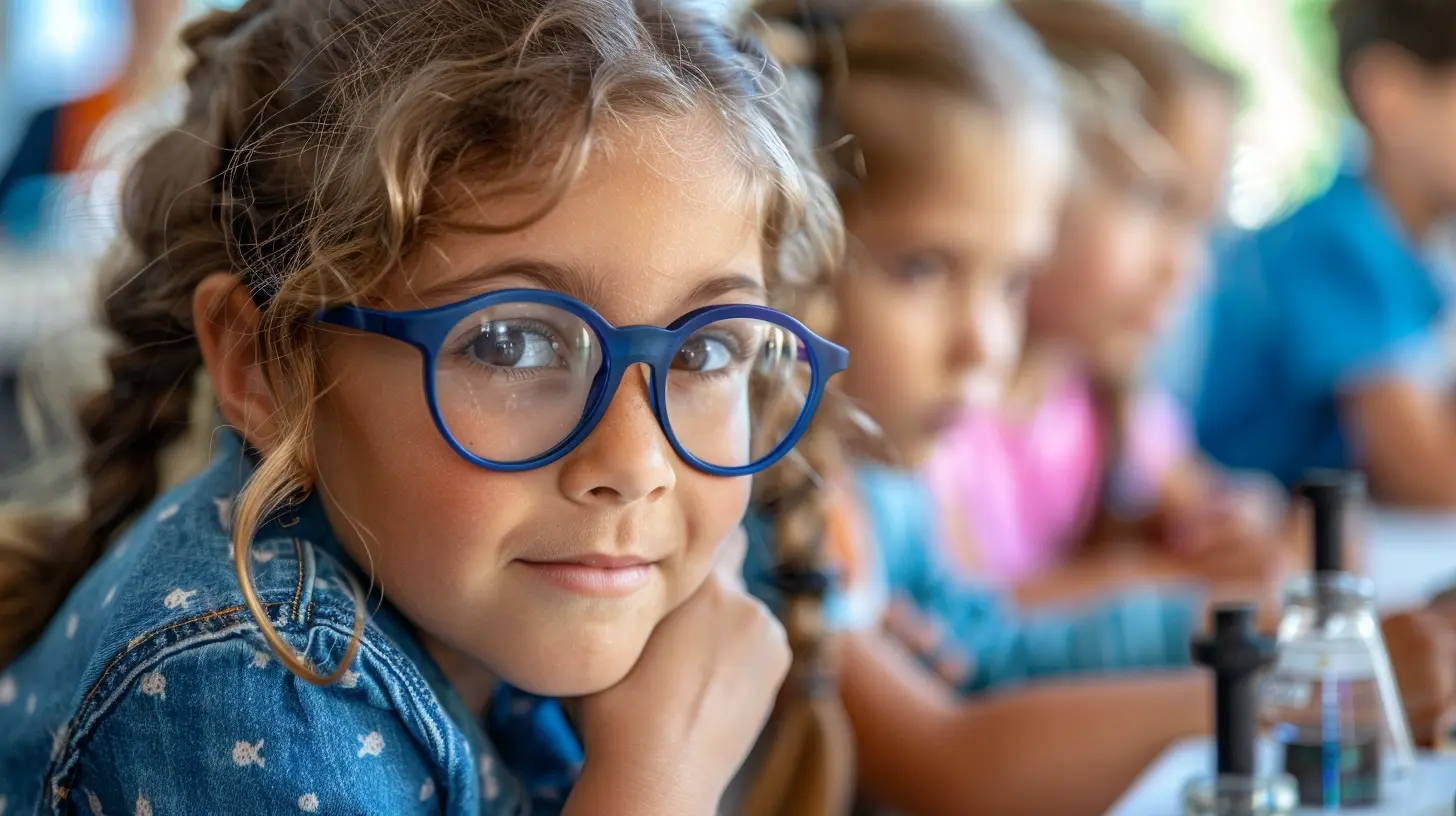
What is Observation-Based Assessment?
Observation-based assessment is exactly what it sounds like—evaluating students by watching their actions, interactions, and work habits during daily classroom activities. Unlike traditional tests, this method focuses on real-time learning, capturing the nuances of a student’s progress.Think of it like a sports coach analyzing an athlete. A coach doesn’t judge a player based only on their final score; they watch how they move, strategize, and react to challenges. Similarly, teachers can observe students to assess their strengths, weaknesses, and overall development. 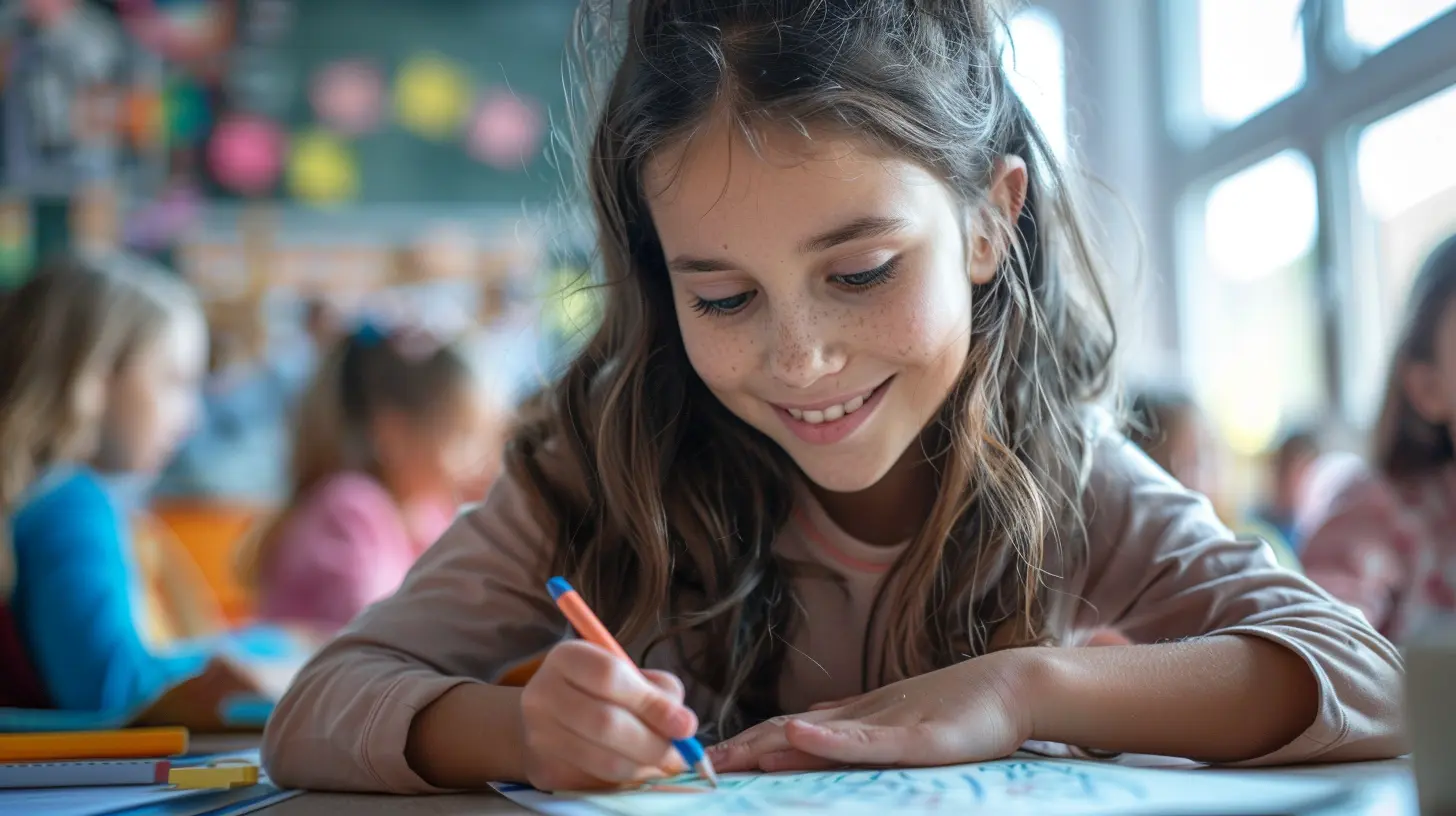
Why Observation is a Powerful Assessment Tool
1. Captures Real Learning in Action
Let’s face it—some students are just bad test-takers. But that doesn’t mean they aren’t learning. Observation lets teachers see students as they truly are—how they think, interact, and solve problems in real-time.2. Encourages a Stress-Free Environment
Tests can be nerve-wracking, but observation? Totally natural. Instead of forcing students into high-pressure situations, teachers can watch them thrive in their normal learning environment. This helps get a more authentic understanding of their abilities.3. Provides a Holistic View
Traditional assessments focus mostly on academics, but observation goes beyond that. Teachers can assess:- Social skills (How do they communicate with peers?)
- Problem-solving abilities (Do they think critically?)
- Work habits (Are they persistent or easily distracted?)
4. Allows for Continuous Feedback
With observation, assessments don’t just happen once in a while—they’re ongoing. Teachers can provide immediate feedback, helping students adjust and improve along the way instead of waiting for test results.
Types of Observation-Based Assessment
Not all observation methods are the same. Depending on the goals, teachers can choose different approaches:1. Anecdotal Records
Teachers jot down short, descriptive notes on student behavior and performance. It’s like keeping a personal diary of each student’s journey.2. Checklists & Rating Scales
Structured tools where teachers mark off skills, behaviors, or accomplishments. It’s simple, effective, and helps track progress over time.3. Portfolios
Students collect their work over time, allowing teachers to see their growth. Whether it’s essays, drawings, projects, or journals, portfolios provide a visual representation of progress.4. Conferencing & Interviews
Sometimes, direct observation is complemented by one-on-one discussions. These chats give students a voice and allow teachers to understand their thought process.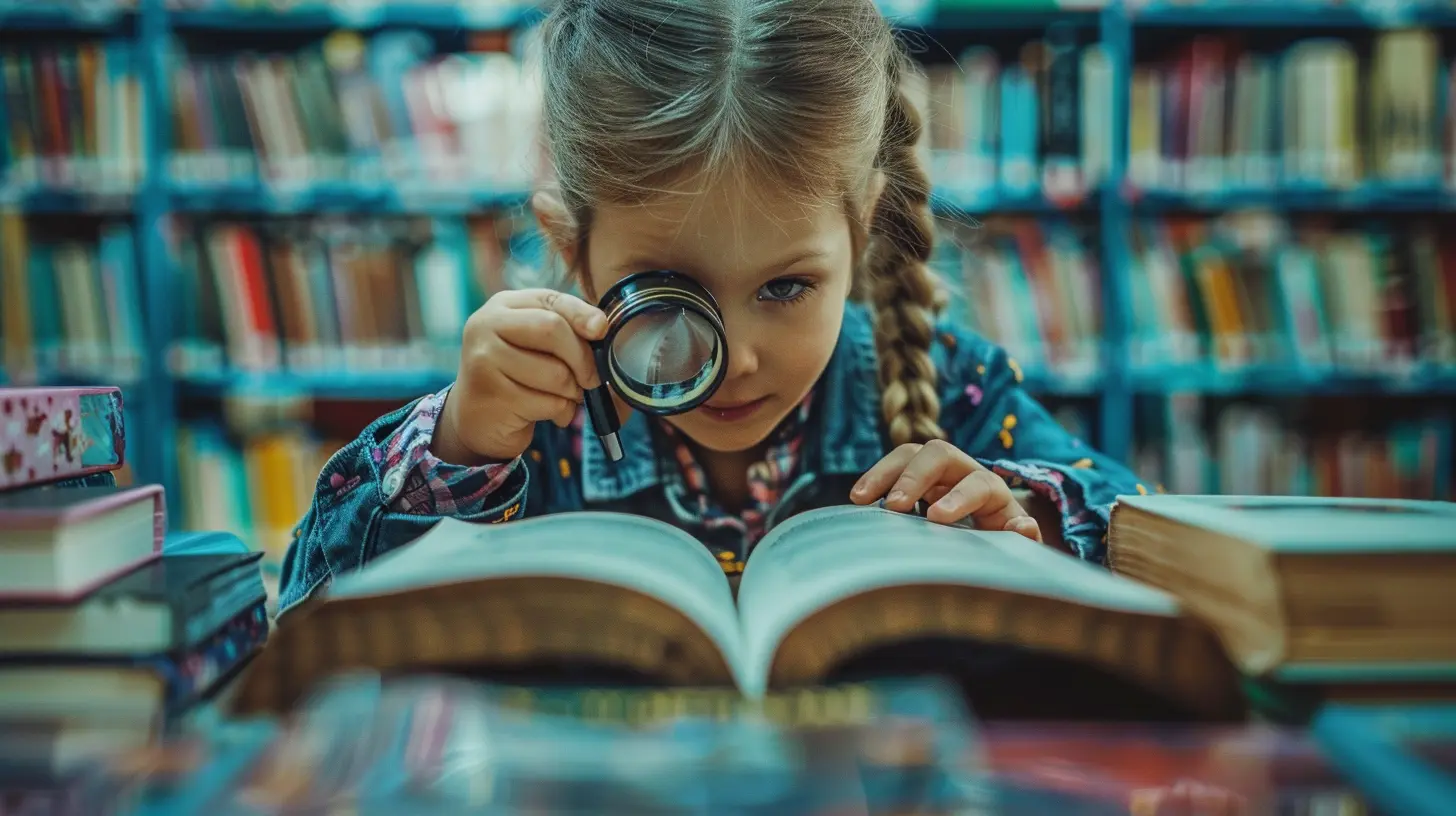
How to Effectively Use Observation for Student Assessment
Observation might sound easy—just watch and take notes, right? Well, yes and no. There’s an art to doing it effectively.1. Be Intentional & Objective
Casually watching students isn’t enough. Teachers need to know what they’re looking for. Whether it’s participation, problem-solving skills, or teamwork, having a clear objective makes observations more meaningful.2. Create a System for Recording Observations
Keeping track of multiple students can get messy. Using notebooks, apps, or digital tools to organize notes ensures that observations are accurate and useful.3. Observe Over Time
A single observation won’t tell the whole story. Students have good and bad days, so watching them over an extended period helps capture a more complete picture of their learning journey.4. Balance Observation with Other Assessment Methods
While observation is powerful, it shouldn’t be the only method used. Combining it with quizzes, projects, and student self-reflections creates a well-rounded assessment strategy.5. Be Unobtrusive but Present
Observation works best when students don’t feel like they’re being judged. Teachers should blend into the classroom environment, watching without interfering, to get the most authentic insights.Challenges of Observation-Based Assessment (And How to Overcome Them)
Let’s be real—no assessment method is perfect, and observation comes with its own set of challenges. But don’t worry, we’ve got solutions!1. Subjectivity & Bias
Since observation is based on personal judgment, bias can sneak in. One way to combat this is by using rubrics or structured checklists to keep evaluations as objective as possible.2. Time-Consuming
Observing students takes time, especially in large classrooms. Solution? Rotate focus—observe groups of students on different days and use technology to take quick notes.3. Difficult to Track Progress
Unlike test scores, observations aren’t always easy to quantify. That’s why keeping detailed records (whether digital or written) is crucial for tracking long-term progress.Real-Life Example: Observation in Action
Imagine a student named Emily. When taking written math tests, she often struggles and earns low scores. However, during group work, she explains concepts clearly to classmates and solves problems on the whiteboard with ease.If assessment was only based on written exams, Emily might be labeled as “weak in math.” But through observation, her teacher realizes she actually understands math concepts well—she just prefers verbal and visual learning. This insight allows the teacher to adjust Emily’s assessments and teaching methods to help her succeed.
See? Observation uncovers hidden strengths that traditional assessments might miss!
Wrapping It Up
Observation isn’t just about “watching students.” It’s about understanding their learning styles, strengths, and areas for growth in a natural setting. It allows teachers to go beyond test scores and see the real learners behind the numbers.So next time you’re assessing students, don’t just rely on grades—pay attention to their interactions, problem-solving skills, and participation. You might just uncover insights that transform the way you teach and support your students!
all images in this post were generated using AI tools
Category:
Classroom AssessmentAuthor:

Charlotte Rogers
Discussion
rate this article
12 comments
Rachel Blair
Great insights! Observing students not only enhances assessment but also builds connections. Let's celebrate the joy of learning together through keen observations!
February 3, 2026 at 5:58 AM
Charlotte Rogers
Thank you for your thoughtful comment! I'm glad you resonated with the importance of observation in both assessment and building connections in learning. Let's continue to celebrate the joy of education together!
Heidi Fields
Observation offers educators invaluable insights into student behavior and learning styles. By systematically noting interactions and participation, teachers can tailor instruction more effectively, identify individual needs, and foster a supportive classroom environment that promotes growth and engagement.
January 26, 2026 at 11:36 AM
Charlotte Rogers
Thank you for your insightful comment! Indeed, observation is a powerful tool that enhances our understanding of student dynamics and informs tailored instructional strategies.
Zephira Mullen
Observation transforms assessment into a dynamic dialogue. Embrace it to uncover unique insights about each student’s journey, fostering growth and unlocking their full potential!
January 24, 2026 at 4:15 AM
Charlotte Rogers
Thank you for your thoughtful comment! I completely agree—observation truly enriches the assessment process by fostering deeper understanding and growth for each student.
Honor McClintock
This article beautifully highlights the power of observation in assessing student progress. By embracing this approach, we can foster deeper connections and understanding of each child's unique learning journey. Thank you for shedding light on such an essential educational practice!
January 23, 2026 at 12:32 PM
Charlotte Rogers
Thank you for your thoughtful feedback! I'm glad you found the article valuable in highlighting the importance of observation in student assessment.
Selene Ramos
Observation provides invaluable insights into student behavior and engagement, enabling educators to make informed assessments and tailor instruction effectively.
January 23, 2026 at 4:03 AM
Charlotte Rogers
Thank you for your insightful comment! I completely agree that observation is a powerful tool for understanding student behavior and enhancing instructional strategies.
Dulce McGhee
Observation as a tool for student assessment offers invaluable insights into learners' behaviors, interactions, and engagement. By systematically observing students in various contexts, educators can tailor instruction to meet individual needs, fostering a more inclusive and effective learning environment. This approach bridges the gap between theory and practice in assessment.
January 22, 2026 at 4:45 AM
Charlotte Rogers
Thank you for your insightful comment! I completely agree that observation provides essential insights that enhance instructional strategies and promote inclusivity in the learning environment.
Weston Nelson
Great insights! Observation truly enhances understanding of student learning.
January 21, 2026 at 5:54 AM
Charlotte Rogers
Thank you! I'm glad you found the insights valuable. Observation indeed plays a crucial role in enhancing our understanding of student learning.
Abram McQuillan
Great insights on the power of observation!
January 20, 2026 at 8:51 PM
Charlotte Rogers
Thank you! I'm glad you found the insights valuable.
Alisha Robinson
What a fantastic article! Observational assessments offer such valuable insights into student learning. They not only foster engagement but also cultivate a deeper understanding of individual needs. Excited to implement these strategies in the classroom! 🌟
January 19, 2026 at 4:09 AM
Charlotte Rogers
Thank you for your enthusiastic feedback! I'm glad you found the article valuable and inspiring for your classroom practice. 🌟
Liv McManus
Observation reveals not just learning outcomes, but the unique journey of each student.
January 18, 2026 at 8:12 PM
Charlotte Rogers
Thank you for your insightful comment! Indeed, observing students offers a valuable perspective on their individual learning journeys beyond just outcomes.
Roxanne Romero
This article effectively highlights observation as a crucial assessment tool in education. By prioritizing real-time insights into student behaviors and interactions, educators can tailor their approaches to meet individual needs. Implementing structured observation techniques can enhance learning outcomes and foster a more inclusive classroom environment. Great insights!
January 17, 2026 at 9:39 PM
Charlotte Rogers
Thank you for your thoughtful comment! I'm glad you found the insights on observation's role in education valuable.
Julia Webster
Observation: the secret superpower of assessment! Instead of tests, let’s watch our learners shine in their natural habitat. It’s like being a detective, but with less mystery and more giggles. Happy observing, educators!
January 17, 2026 at 1:56 PM
Charlotte Rogers
Thank you for your insightful comment! Emphasizing observation truly allows us to appreciate students' unique strengths and fosters a joyful learning environment. Happy observing!
MORE POSTS
Understanding the Stages of Early Childhood Social Development
Building Early Literacy Through Art and Creative Expression

How to Use Storytelling in Classroom Activities

The Power of Self-Assessment: Encouraging Student Reflection
The Language Curriculum in Montessori: From Phonetics to Fluent Reading

Mindfulness in Virtual Classrooms: Strategies for Online Learning

How Continuing Education Can Lead to Entrepreneurship

Integrating Technology into Project-Based Learning for Modern Classrooms