Using Technology to Enhance Classroom Instruction
21 January 2026
Have you ever sat in a classroom, eyes glazed over, listening to a monotone lecture while your mind wandered off to faraway places? We've all been there. The traditional chalk-and-talk style of teaching had its day, but let’s face it—it’s time for something new. In today’s digital era, the classroom should be just as dynamic and interactive as the world we live in. And that’s where technology steps in like a superhero in a cape.
Technology in the classroom isn’t some passing trend. It's a game-changer, a silent yet powerful force reshaping how teachers teach and how students learn. But here’s the kicker—it’s not about replacing teachers with robots. It's about empowering them. It’s about using the right digital tools to enhance classroom instruction and make learning a whole lot more engaging, efficient, and yes—fun.
Let’s peel back the curtain and dive into how technology is revolutionizing education from the inside out.
The Digital Wake-up Call: Why Classrooms Needed a Tech Upgrade
First off, let's talk reality. The world outside school walls is tech-saturated. From smartphones that can run our lives to AI that writes poetry (sort of), we’re living in the future. Yet, many classrooms were stuck in the past—rows of desks, outdated textbooks, overhead projectors that haven’t worked since 2005.Then came the tipping point—COVID-19. When schools shut down, technology didn’t just knock; it burst through the door. Suddenly, everything went digital. Classrooms went online. Teachers scrambled to Zoom and Google Classroom. And guess what? It worked. Sort of. It was messy, but it showed us that tech could work in education.
Now, post-pandemic, there’s no going back. The digital genie is out of the bottle. The real question is—how do we use it wisely?
Tech as a Teaching Ally, Not a Replacement
Let’s clear up a common fear: no, robots are not taking over teaching jobs. Technology isn’t here to replace educators—it’s here to assist, enhance, and amplify their impact.Think of tech as a trusty sidekick, like Robin to Batman or Watson to Sherlock. It helps teachers present lessons more vividly, reach students more personally, and collect data more efficiently. A digital whiteboard won’t teach empathy, but it will help visualize a science concept like never before.
When used right, technology becomes a teaching ally—a powerful extension of a teacher’s skillset.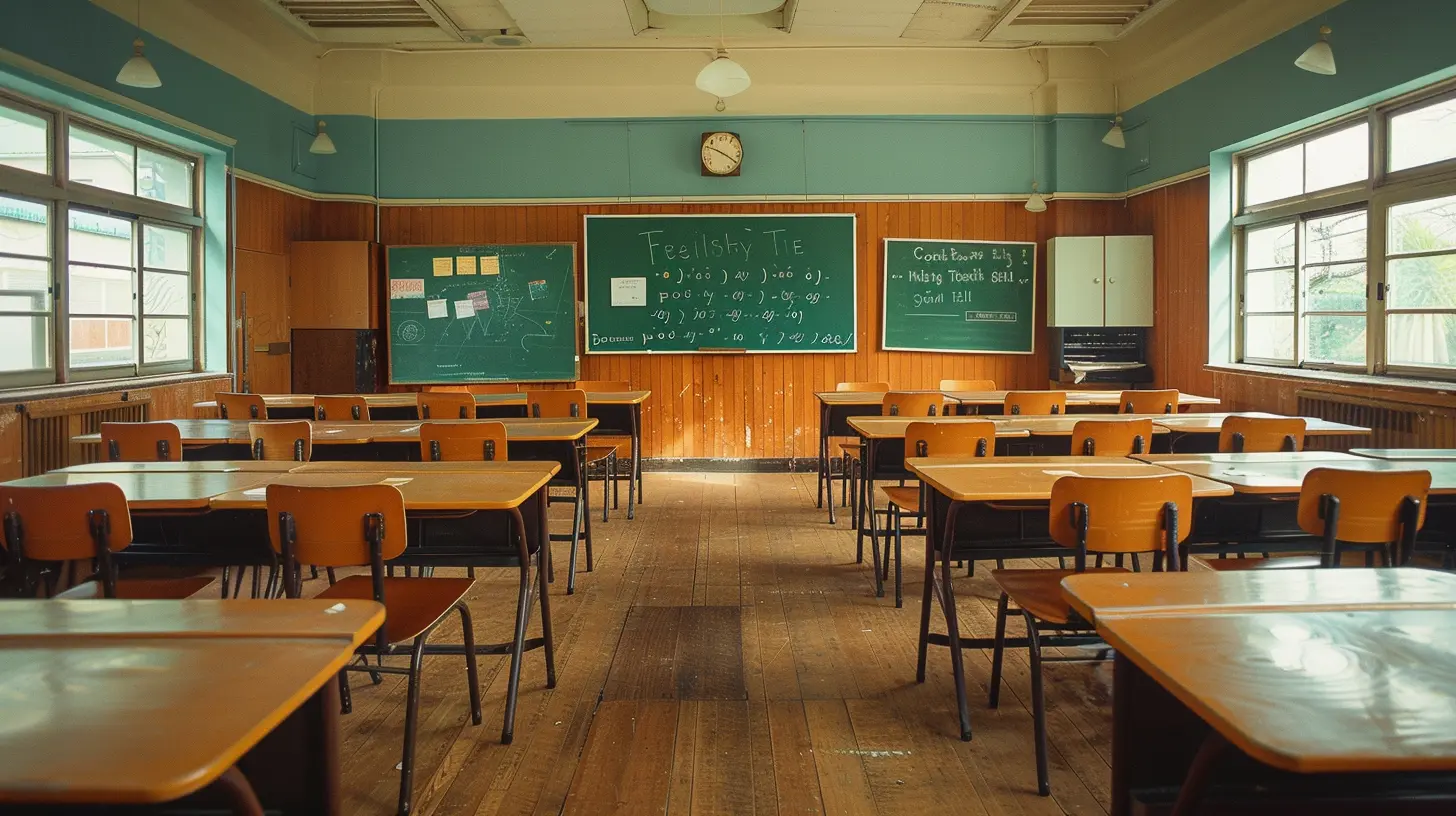
Interactive Whiteboards: From Chalk Dust to Digital Magic
Remember the old blackboards? Charming, but messy. Interactive whiteboards are their futuristic cousins. These smart boards can display videos, run simulations, and respond to touch. Teachers can annotate live during lessons, pull up internet resources instantly, and even save the board notes for students who missed class.It’s like giving your classroom walls a brain.
These boards turn passive lectures into dynamic experiences. Instead of just talking about volcanoes, you can show one erupting in 3D. That’s how you grab attention and make learning stick.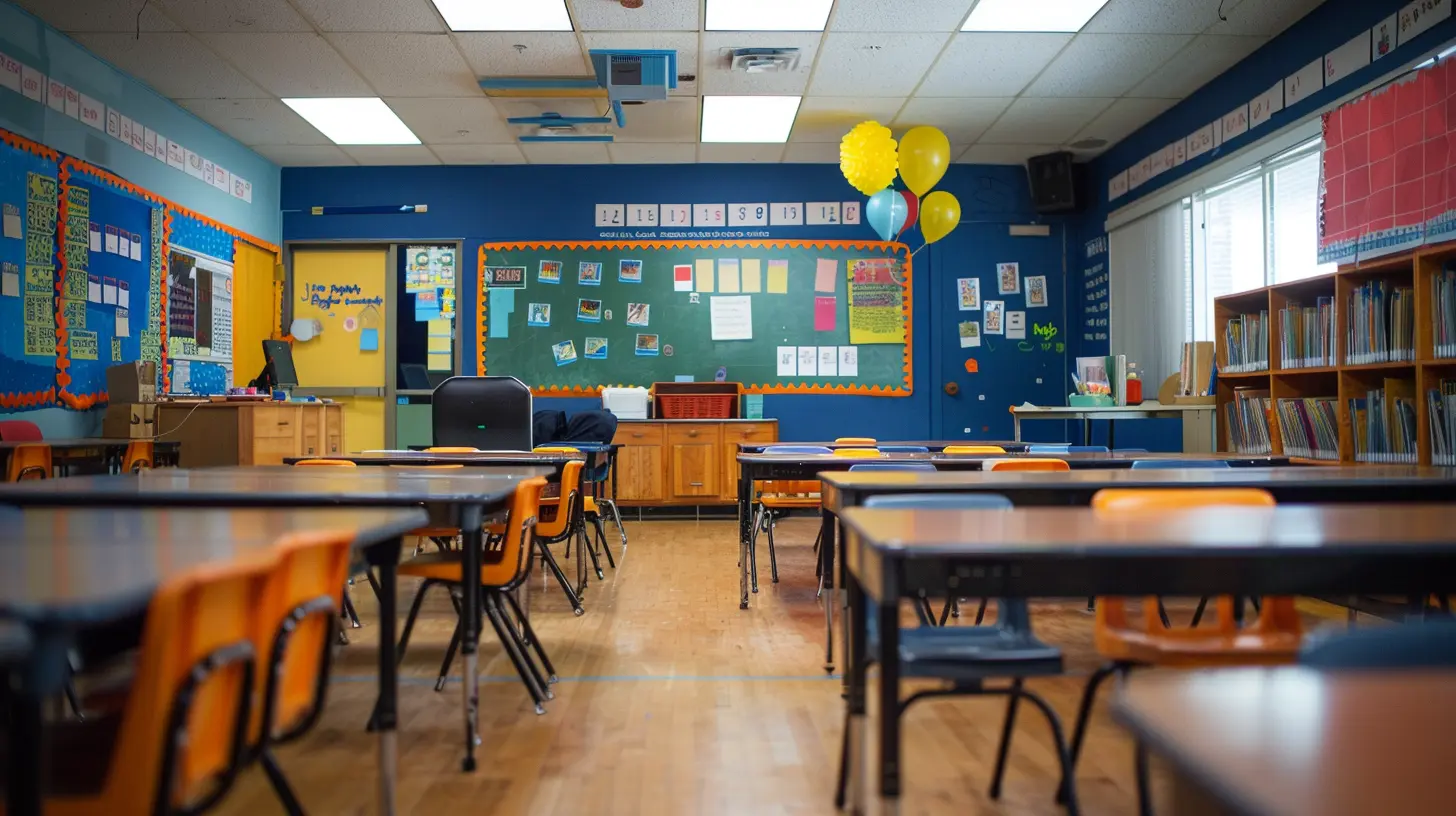
Learning Management Systems (LMS): Your Classroom Command Center
Ever heard of Google Classroom, Canvas, or Moodle? These are Learning Management Systems, or LMS for short. Think of them as digital organizers on steroids.They offer a central hub where teachers post assignments, grade work, give feedback, and chat with students. For students, it’s one-stop-shopping for everything they need—assignments, resources, deadlines, you name it.
No more lost papers or “I didn’t know it was due” excuses. The structure and transparency LMS platforms bring to the classroom are nothing short of magical.
Gamification: Turning Lessons into Missions
Here’s a secret: Kids don’t hate learning—they hate boring. Enter gamification.This is where technology brings in elements of video games—points, levels, rewards—into education. Platforms like Kahoot!, Quizizz, and Classcraft are making learning feel like a game. Even math drills can turn into epic battles for leaderboard supremacy.
Why does it work? Because it taps into motivation, competition, and instant feedback. And let’s be honest—who wouldn’t rather solve algebra problems to save a digital wizard than just fill out a worksheet?
Virtual Reality (VR): Field Trips from Your Chair
Want to visit the Great Wall of China without a passport? Or explore the inside of a beating human heart without leaving your seat? Virtual Reality makes it happen.VR transforms learning by immersing students in new worlds. It's not just watching a video—it's stepping into history, science, or geography.
These aren’t just cool gimmicks. Immersive learning improves understanding, enhances memory, and builds empathy. It’s like giving students a teleportation device linked to the curriculum.
Artificial Intelligence: Personalized Learning Just Got Real
AI might sound a bit sci-fi, but it’s already quietly shaping classrooms. From adaptive learning platforms like DreamBox and Khan Academy to essay grading assistants, AI is helping teachers do more with less.Here’s where it gets exciting: AI can analyze a student’s performance in real time and adjust lessons to fit their learning pace. Struggling with decimals? The platform slows down. Acing grammar? It moves ahead.
That’s not just learning. That’s smart learning—customized, responsive, and evolving.
Flipped Classrooms: Homework Becomes Classwork
Picture this: Instead of lectures in class and homework at home, you flip it. Students watch recorded video lessons at home and come to class ready to discuss, solve problems, and collaborate.That’s the flipped classroom model, and technology makes it possible. Teachers record their lessons once, post them online, and use class time for deeper engagement.
This approach shifts students from passive to active learners. Plus, they can rewind and rewatch lectures as needed—something you can’t do with a live lecture.
Digital Assessment Tools: Smarter Grading, Better Feedback
Grading—every teacher’s least favorite weekend activity. But with tools like Google Forms, Socrative, and Edulastic, assessments are faster, smarter, and more insightful.These tools offer instant grading, analytics, and personalized feedback. Teachers can spot trends—who’s struggling with fractions, who rushed through the quiz—and adjust instruction accordingly.
Data doesn’t replace intuition. It enhances it. It gives teachers the X-ray vision to see what’s really happening behind those numbers.
Bridging the Equity Gap: Tech as the Great Equalizer?
Now let’s address the elephant in the room—access. Yes, tech can widen the digital divide if we're not careful. But it can also bridge it.When schools ensure every student has a device and internet access, it levels the playing field. Suddenly, rural students can access the same resources as urban ones. Students with disabilities can access content in formats that work for them.
Equitable tech use isn’t just a goal—it’s a necessity. Because education should be for all, not just the connected few.
The Human Touch: Where Teachers Still Reign Supreme
With all this talk of gadgets and gizmos, it’s easy to forget the heart of the classroom: the teacher.No piece of tech can replace the intuition of a good educator. A machine won’t notice the quiet student who's been down lately. An algorithm won’t inspire a love of poetry or mentor a future scientist.
Technology is a tool. The teacher is the artist. And when those two come together? That’s when the magic happens.
Real Classroom Wins: Stories From the Frontlines
Still skeptical? Let’s bring in some real-world color.- A high school in Texas increased math scores by 35% after implementing a gamified learning system.
- An elementary school in Kenya used solar-powered tablets and saw improved literacy within months.
- A middle school teacher used Flipgrid video discussions to boost student engagement by 70%.
These are not isolated cases. They’re becoming more common every day—and they show what’s possible when we blend tech with teaching.
Final Thoughts: Technology Is a Bridge, Not a Destination
So, where do we go from here?We treat technology not as the centerpiece but the scaffold. It’s the bridge that connects students to new ideas, to each other, and to a future they’re already a part of.
Let’s use tech to spark curiosity. To nurture critical thinking. To make abstract concepts feel real. Let’s use it to give students a voice, not just a screen.
Because in the end, the goal isn’t to teach kids how to use apps. The goal is to help them think, question, create, and thrive in a digital world. And when we get that right, the possibilities are endless.
all images in this post were generated using AI tools
Category:
Teaching StrategiesAuthor:

Charlotte Rogers
Discussion
rate this article
12 comments
Mary Schultz
Great insights! Incorporating technology can truly transform learning experiences. Consider sharing specific tools or apps that have worked well in your classroom for practical guidance.
February 7, 2026 at 9:05 PM
Charlotte Rogers
Thank you! I’ll definitely include specific tools like Google Classroom, Nearpod, and Padlet in future discussions to provide practical guidance.
Storm Wells
Technology bridges gaps, fostering engagement and individualized learning.
February 6, 2026 at 4:12 AM
Charlotte Rogers
Thank you! I completely agree—technology is a powerful tool for creating personalized learning experiences and connecting students in meaningful ways.
Phaedra Jordan
Integrating technology in classrooms fosters interactive learning, supports diverse learning styles, and provides instant access to resources, ultimately enhancing student engagement and educational outcomes.
February 5, 2026 at 9:28 PM
Charlotte Rogers
Absolutely! Integrating technology not only boosts engagement but also caters to various learning styles, making education more inclusive and effective.
Jonah McCarty
Embracing technology can transform learning experiences; it's a powerful tool to engage and inspire our students!
February 3, 2026 at 5:58 AM
Charlotte Rogers
Absolutely! Technology not only enhances engagement but also personalizes learning, making it a vital tool in modern education.
Cambria McLean
Oh, absolutely! Because who needs good old-fashioned teaching methods when we have flashy gadgets and apps to sprinkle some tech magic on our classrooms? Let’s just replace teachers with robots and call it a day. After all, nothing says “enhanced learning” like a tablet in front of a disengaged student!
February 2, 2026 at 4:04 AM
Charlotte Rogers
While technology can enhance learning, it's crucial to remember that it should complement, not replace, traditional teaching methods and the vital role of teachers in engaging students.
Giovanna Green
Great insights! Embracing technology can truly transform learning experiences. It empowers both teachers and students to engage creatively and collaboratively, paving the way for future success.
January 30, 2026 at 4:30 AM
Charlotte Rogers
Thank you! I completely agree—technology opens up new avenues for creativity and collaboration in education.
Phoenix Bishop
Integrating technology in the classroom can transform learning experiences, fostering engagement and accessibility. It’s essential, however, to balance tech with traditional methods, ensuring that tools serve educational goals rather than distract from them. Thoughtful implementation can empower both educators and students to thrive in a digital age.
January 29, 2026 at 1:11 PM
Charlotte Rogers
Absolutely! Balancing technology with traditional methods is key to enhancing learning while maintaining focus on educational goals. Thoughtful integration empowers both educators and students for success in the digital age.
Journey Potter
Great article! Embracing technology in the classroom can truly transform learning experiences. It's exciting to see innovative methods that engage students and enhance their educational journey. Keep it up!
January 26, 2026 at 11:36 AM
Charlotte Rogers
Thank you for your kind words! I'm glad you found the article inspiring. Embracing technology really can make a significant impact on learning.
Gunner Oliver
Great article! I appreciate the insights on leveraging technology to enhance classroom instruction. It’s inspiring to see innovative approaches that can truly engage students and improve learning outcomes. Thank you!
January 26, 2026 at 4:04 AM
Charlotte Rogers
Thank you for your kind words! I'm glad you found the insights helpful and inspiring.
Zinnia Hughes
Embrace technology; it transforms learning and empowers student engagement.
January 24, 2026 at 9:02 PM
Charlotte Rogers
Thank you! Indeed, technology plays a crucial role in enriching education and fostering interactive learning experiences.
Eleanor Fry
Exploring the unseen potential of technology in education: what hidden advantages lie within digital tools, waiting to transform classroom dynamics and ignite student curiosity?
January 23, 2026 at 8:28 PM
Charlotte Rogers
Digital tools can personalize learning, foster collaboration, and provide instant feedback, all of which can significantly engage students and enhance their educational experience.
Candice McKeever
Technology can transform classroom instruction by fostering engagement and offering diverse learning resources. However, it's essential to balance screen time with traditional teaching methods for optimal learning.
January 21, 2026 at 5:54 AM
Charlotte Rogers
Thank you for your insightful comment! I completely agree that balancing technology with traditional methods is key to maximizing student engagement and learning outcomes.
MORE POSTS
The Benefits of Mixed-Age Classrooms in Early Childhood Education

How Montessori Promotes Self-Care Skills in Young Learners

Promoting Mindful Technology Use in Schools

Coding for Literacy: How Programming Can Improve Reading and Writing Skills

Using Mindfulness to Foster Better Teacher-Student Relationships

Using Student Data to Inform Instructional Practices

Tips for Finding the Right Learning Environment for You

Environmental Education Lesson Plans That Inspire Action