Utilizing Peer Teaching to Boost Student Understanding
28 December 2025
We’ve all been there — staring at the whiteboard, your teacher’s voice slowly becoming background noise, and the concept they’re trying to explain feels like it’s flying right over your head. Now imagine your classmate turns to you and says, “Hey, let me show you how I got this.” Suddenly, it all clicks. That’s the magic of peer teaching.
In today's educational world, where engagement matters just as much as content, peer teaching is making a big splash — and for good reason. It doesn’t just help students learn; it helps them understand. Really understand. Let’s break down why utilizing peer teaching is one of the most powerful (and underrated) tools in education, and how it can truly boost student understanding at every level.
What is Peer Teaching Anyway?
Let’s start simple. Peer teaching is when students teach other students. That’s it. No fancy jargon. It's the act of students stepping into a teaching role to help their classmates learn.Sometimes it’s formal — like assigned study buddies or student-led discussions. Other times, it’s more casual, like a quick explanation between friends before a test. But no matter how it happens, it's incredibly effective.
Why? Because students often speak the same "language." They get each other. They’ve probably struggled with the same tough topics. So when one student figures something out, they can explain it in a way that makes sense to their peers — sometimes even better than a teacher could.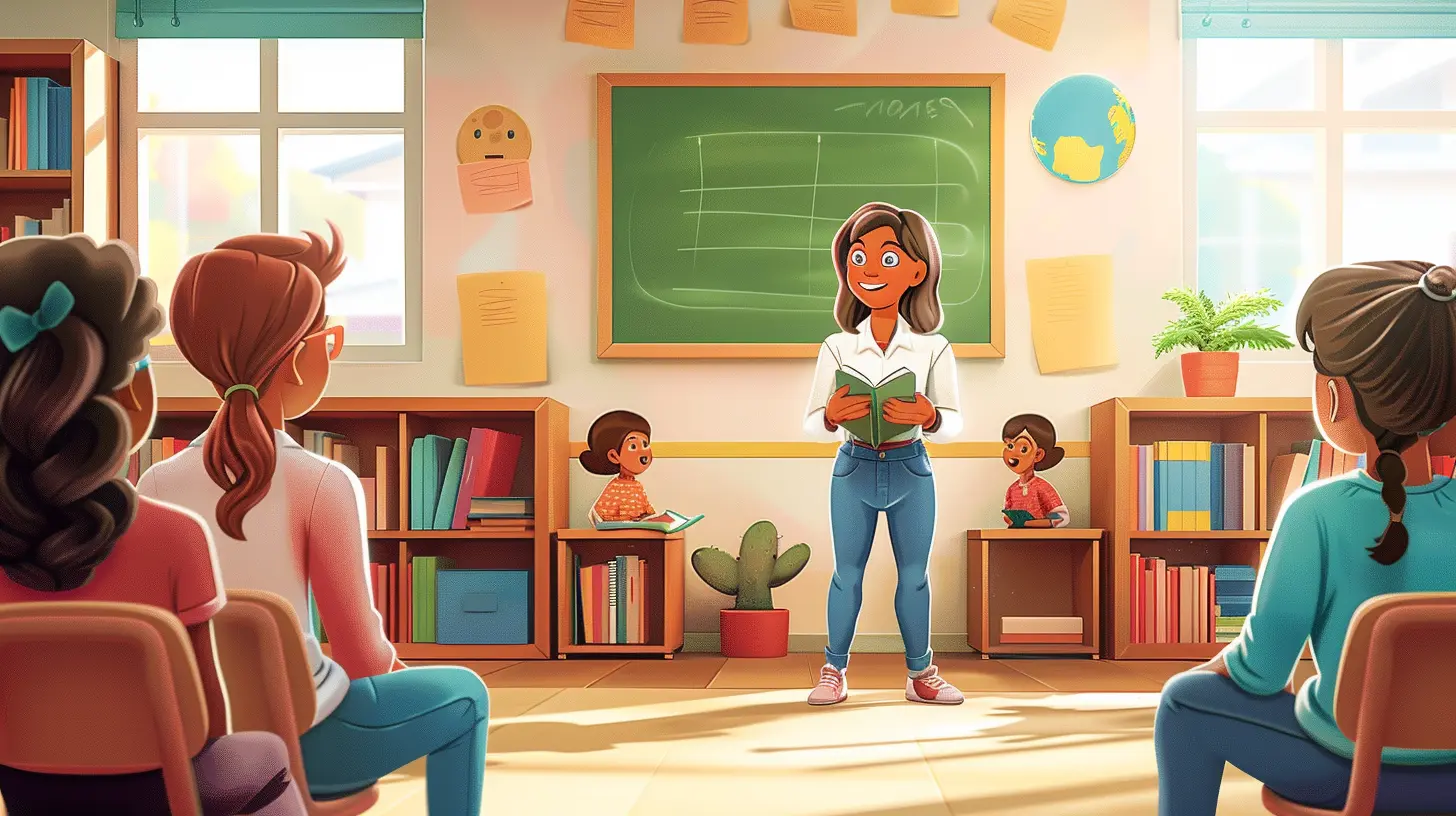
The Psychology Behind It
Here’s the cool part — peer teaching isn’t just a nice idea. There’s actual brain science behind why it works.When students know they’re going to teach someone else, their brains go into turbo mode. They organize the information, break it down into smaller pieces, and find ways to explain it clearly — all of which deepens their own understanding. It’s called the “protégé effect.”
Pretty neat, right?
Turns out, when we teach, we learn twice. Once for ourselves, and once again while figuring out how to explain it to someone else.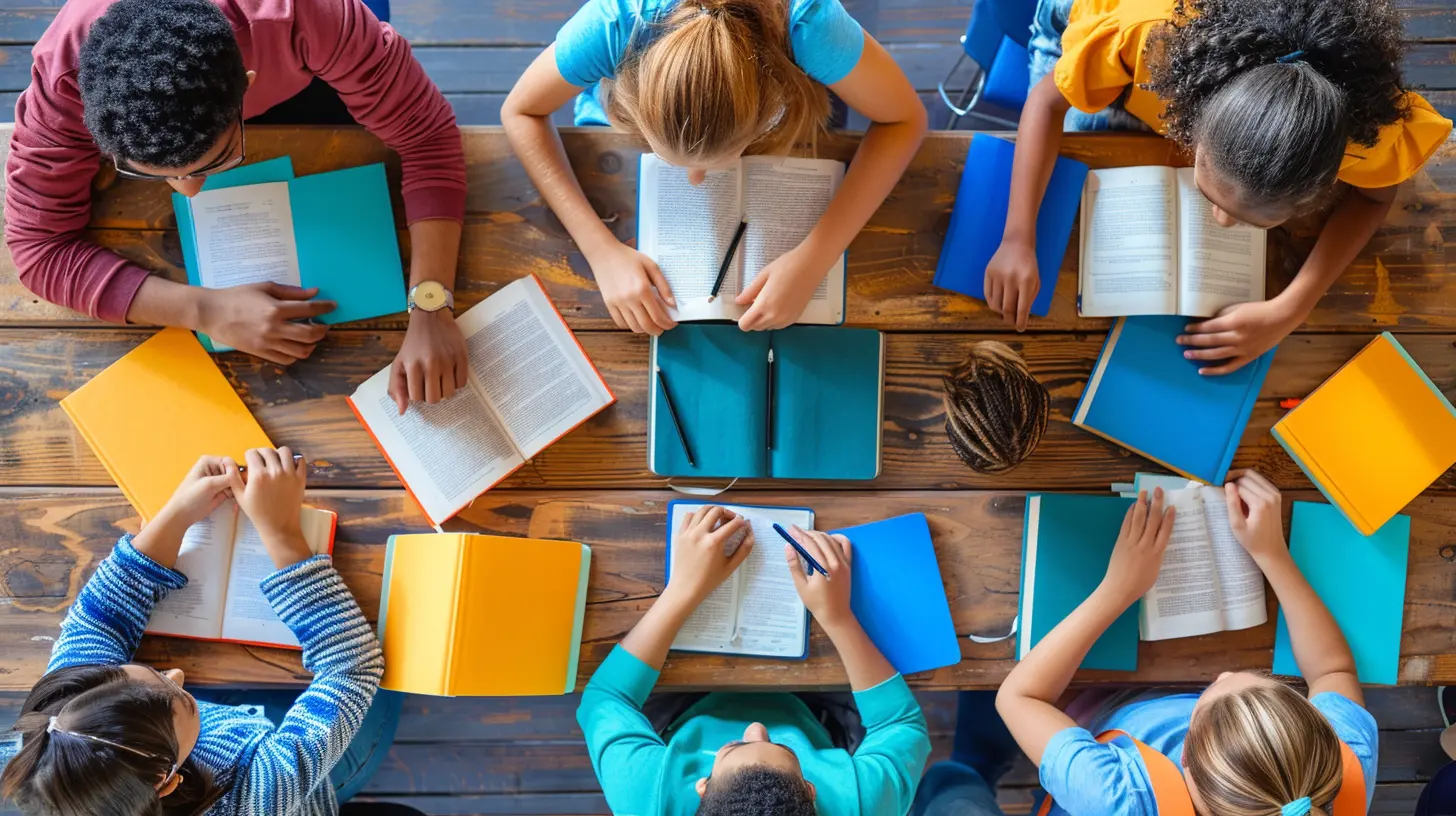
Benefits of Peer Teaching That Go Beyond the Classroom
Sure, peer teaching boosts subject comprehension, but that's just the tip of the iceberg. Here’s what else it brings to the table:1. Builds Confidence
There’s something empowering about teaching someone else. For the peer tutor, it says, “Hey, I got this.” And for the learner, it sends the message, “If they can do it, maybe I can too.”2. Encourages Collaboration
In a world where teamwork rules, students need more practice working together. Peer teaching naturally encourages that collaboration. It stops being “me vs. the paper” and starts feeling like “us figuring this out together.”3. Develops Social Skills
Let’s face it — not everyone loves speaking up in class. But talking with a peer? Way less intimidating. Peer teaching helps students build communication skills, patience, empathy, and even leadership skills.4. Immediate Feedback
Ever had a question in class, but by the time the teacher got to you, the moment had passed? With peer teaching, answers are just a desk away. It's fast, relevant, and relatable.
Common Formats of Peer Teaching
Just like there’s more than one way to slice a pizza, there are several ways to roll out peer teaching. Here are a few popular formats that work like a charm:1. Peer Tutoring
This is the classic one-on-one setup. One student (the tutor) works with another (the tutee) on a specific subject, assignment, or skill.✅ Ideal for: students needing extra help, test prep, remedial support.
2. Cooperative Learning Groups
Small groups of students work together to solve problems, discuss concepts, or complete assignments. Each member contributes and learns from the others.✅ Ideal for: group projects, brainstorming sessions, difficult topics.
3. Reciprocal Teaching
This one’s more structured. Students take turns being the “teacher,” usually in subjects like reading or science. They might predict, summarize, question, and clarify content within a group.✅ Ideal for: reading comprehension, science discussions, social studies.
4. Cross-Age Peer Tutoring
Older students help teach younger ones. Think high schoolers helping elementary school kids with reading.✅ Ideal for: building mentorship, leadership, and community.
How to Make Peer Teaching Work in the Classroom
Now for the million-dollar question — how do we actually implement peer teaching without chaos breaking loose?Here’s a step-by-step cheat sheet:
1. Create a Safe Space
Before any of this works, students need to feel safe and respected. No one's going to ask for help if they’re worried about being laughed at. Start with building trust and a positive classroom vibe.2. Set Clear Expectations
Make sure both the student-teachers and learners know what to expect. Are they reviewing material? Solving problems? Teaching a new concept? Be clear about roles and goals.3. Train the Peer Teachers
Don’t assume students just know how to teach. Give them pointers — like how to ask guiding questions, be patient, and avoid just giving answers. A little coaching goes a long way.4. Mix It Up
Try different formats! What works for Johnny in math might not work for Sarah in history. Keep it dynamic and flexible.5. Monitor and Support
Stay engaged. Walk around. Listen in. Offer gentle corrections or encouragement as needed. The more involved you are, the more effective peer teaching becomes.Real-Life Success Stories
This stuff isn’t just theory — it’s working in real classrooms across the globe.👩🏫 In a middle school in Oregon, peer tutoring bumped up math scores by 30% over one semester.
👨🏫 A high school in New York saw a dramatic drop in drop-out rates after implementing cooperative peer-led study groups.
👩🎓 At a university in California, reciprocal teaching helped ESL students boost reading fluency by two grade levels within a year.
Small shifts, huge impact.
Challenges (and How to Overcome Them)
Let’s be real — no method is perfect. Peer teaching comes with its own set of challenges.“What if the peer teacher gives the wrong info?”
Great point. That's why supervision is key. Teachers should float around and do mini check-ins. And let's not forget — even getting the wrong answer can spark amazing discussions.“Some students just don’t want to participate.”
That’s okay. It’s not about forcing every student into the spotlight. Start small. Pair up willing students. Let everyone ease into it.“Won’t students just mess around?”
Possibly — if there aren’t clear goals and expectations. But with the right setup, most students rise to the occasion. Give them ownership, and they’ll take it seriously.Simple Peer Teaching Activities to Try Today
Let’s put all this talk into action. Here are a few quick, easy peer teaching activities you can start using like… tomorrow.1. Think-Pair-Share
Ask a question. Let students think about it on their own. Then pair them up to share their answers. Easy and powerful.2. Mini-Lessons
Assign students short lessons to teach — even just five minutes long. They prep, present, and field a few quick questions.3. Peer Editing Pals
In writing assignments, have students swap drafts and give constructive feedback.4. Quizmasters
One student creates a mini quiz on a topic and tests their partner. Then switch roles.5. “Explain It Like I’m 5”
Challenge students to explain a tough concept in the simplest way possible — like they’re talking to a five-year-old. Turns out, teaching simply is one of the hardest (and most rewarding) challenges.Final Thoughts: Why We Should All Embrace Peer Teaching
At the end of the day, education isn’t just about memorizing facts or passing tests. It’s about understanding, connection, growth, and confidence. Peer teaching hits all those notes — and then some.Students get to learn in a way that feels natural. They become more responsible, more engaged, and more connected with their classmates. And best of all? They actually start to enjoy learning.
So whether you’re a teacher, a parent, or a student — give peer teaching a shot. You might just be surprised by how powerful it can be.
Because sometimes, the best teacher in the room… isn’t at the front of the class.
all images in this post were generated using AI tools
Category:
Teaching StrategiesAuthor:

Charlotte Rogers
Discussion
rate this article
12 comments
Sydney McTavish
Peer teaching unveils hidden depths of understanding, where students become both mentors and learners. What secrets lie in sharing knowledge? Discover how this transformative approach unlocks new realms of comprehension.
February 2, 2026 at 1:31 PM
Charlotte Rogers
Thank you for your insightful comment! Peer teaching truly does create a rich, collaborative environment where knowledge is shared, deepening understanding for both mentors and learners. It's a powerful tool for unlocking each student’s potential.
Karina Rodriguez
What a fantastic approach! Peer teaching not only enhances understanding but also builds confidence and collaboration among students. Excited to see more of this in action!
January 31, 2026 at 12:59 PM
Charlotte Rogers
Thank you! I'm glad you see the value in peer teaching; it truly transforms learning experiences. Stay tuned for more insights!
Ardent Mullen
“Peer teaching: because nothing says ‘I understand this topic’ like trying to explain it to someone who’s just as confused as you are!”
January 30, 2026 at 4:30 AM
Charlotte Rogers
Great point! Peer teaching can create a collaborative learning environment where students clarify concepts together, fostering deeper understanding.
Finley Jimenez
Peer teaching empowers students, fostering collaboration and deepening understanding—it's the future of learning!
January 24, 2026 at 4:15 AM
Charlotte Rogers
Thank you for your insightful comment! I completely agree that peer teaching enhances collaboration and promotes deeper learning, making it a vital approach for the future of education.
Sophie Whitaker
Peer teaching fosters collaboration and deepens understanding, empowering students to learn from each other. Embrace this dynamic approach for a more enriching educational experience!
January 23, 2026 at 8:28 PM
Charlotte Rogers
Thank you for highlighting the benefits of peer teaching! It truly enhances collaboration and deepens comprehension among students. Your support for this approach is much appreciated!
Nina Snow
Great insights on peer teaching! It truly enhances collaboration and deepens student understanding. Thank you!
January 23, 2026 at 4:03 AM
Charlotte Rogers
Thank you for your kind words! I'm glad you found the insights valuable.
Gideon Bowers
Peer teaching: where students become the stars of their own learning galaxy! This dynamic approach not only reinforces understanding but fosters collaboration and confidence. By empowering learners to teach, we ignite curiosity and create a vibrant classroom culture. Brilliant concept!
January 19, 2026 at 4:09 AM
Charlotte Rogers
Thank you for your insightful comment! I completely agree—peer teaching truly transforms the classroom into a collaborative and engaging environment that enhances learning for everyone involved.
Vienna Curry
Peer teaching: learning together, giggles included!
January 15, 2026 at 5:14 AM
Charlotte Rogers
Absolutely! Peer teaching fosters a fun and engaging learning environment, enhancing understanding while building camaraderie among students.
Alana McCune
Peer teaching transforms classrooms into collaborative learning hubs, where students become both teachers and learners. This dynamic approach not only enhances comprehension but also fosters vital skills such as communication and empathy. Empowering students to teach is a win-win for education!
January 12, 2026 at 9:58 PM
Charlotte Rogers
Thank you for your insightful comment! I completely agree that peer teaching creates a collaborative environment that enriches learning and develops essential skills. It truly is a powerful approach in education!
Zara Ford
Peer teaching fosters collaboration and deepens understanding, allowing students to learn from each other and enhance their educational experience effectively.
January 12, 2026 at 4:12 AM
Charlotte Rogers
Thank you for your insight! I completely agree—peer teaching not only promotes collaboration but also enriches the learning experience by leveraging diverse perspectives.
Rusty Hayes
This article effectively highlights the benefits of peer teaching in enhancing student comprehension. By fostering collaboration and encouraging students to take an active role in their learning, peer teaching not only reinforces concepts but also builds confidence. A practical approach worth integrating into educational practices for improved outcomes!
January 8, 2026 at 8:34 PM
Charlotte Rogers
Thank you for your insightful comment! I'm glad you found the article's emphasis on collaboration and active learning beneficial. Peer teaching indeed offers a practical approach to enhancing student comprehension and confidence.
Viva McKnight
Great article! Peer teaching fosters collaboration and deepens understanding among students. By encouraging them to share knowledge, we empower learners to become active participants in their education. This not only enhances academic skills but also builds confidence and valuable interpersonal skills. Keep it up!
January 7, 2026 at 12:31 PM
Charlotte Rogers
Thank you for your thoughtful comment! I'm glad you found the article valuable. Peer teaching truly does empower students and enhance their learning experiences.
MORE POSTS
Best Practices for Assessing Student Understanding
The Impact of Parental Involvement on Early Literacy Success
The Benefits of Cross-Disciplinary Learning in PBL
The Benefits of Reading Multicultural Books with Young Children

Encouraging Creativity in the Classroom with Coding Challenges
Inquiry-Based Learning: Creating Curious and Independent Learners

How to Teach Mindfulness in a Multicultural Classroom
The Language Curriculum in Montessori: From Phonetics to Fluent Reading