Why Letter Recognition Matters: Starting the Journey to Reading
8 February 2026
Reading is one of the most fundamental skills a child can develop, and it all begins with letter recognition. But why is recognizing letters so important? Isn’t it enough to simply memorize words? The truth is, letter recognition lays the groundwork for literacy, making it the cornerstone of a child’s reading journey.
If you're a parent, teacher, or caregiver, understanding how letter recognition impacts early literacy can help you guide children toward reading success. So, let’s dive into why letter recognition matters and how it sets the stage for reading fluency.
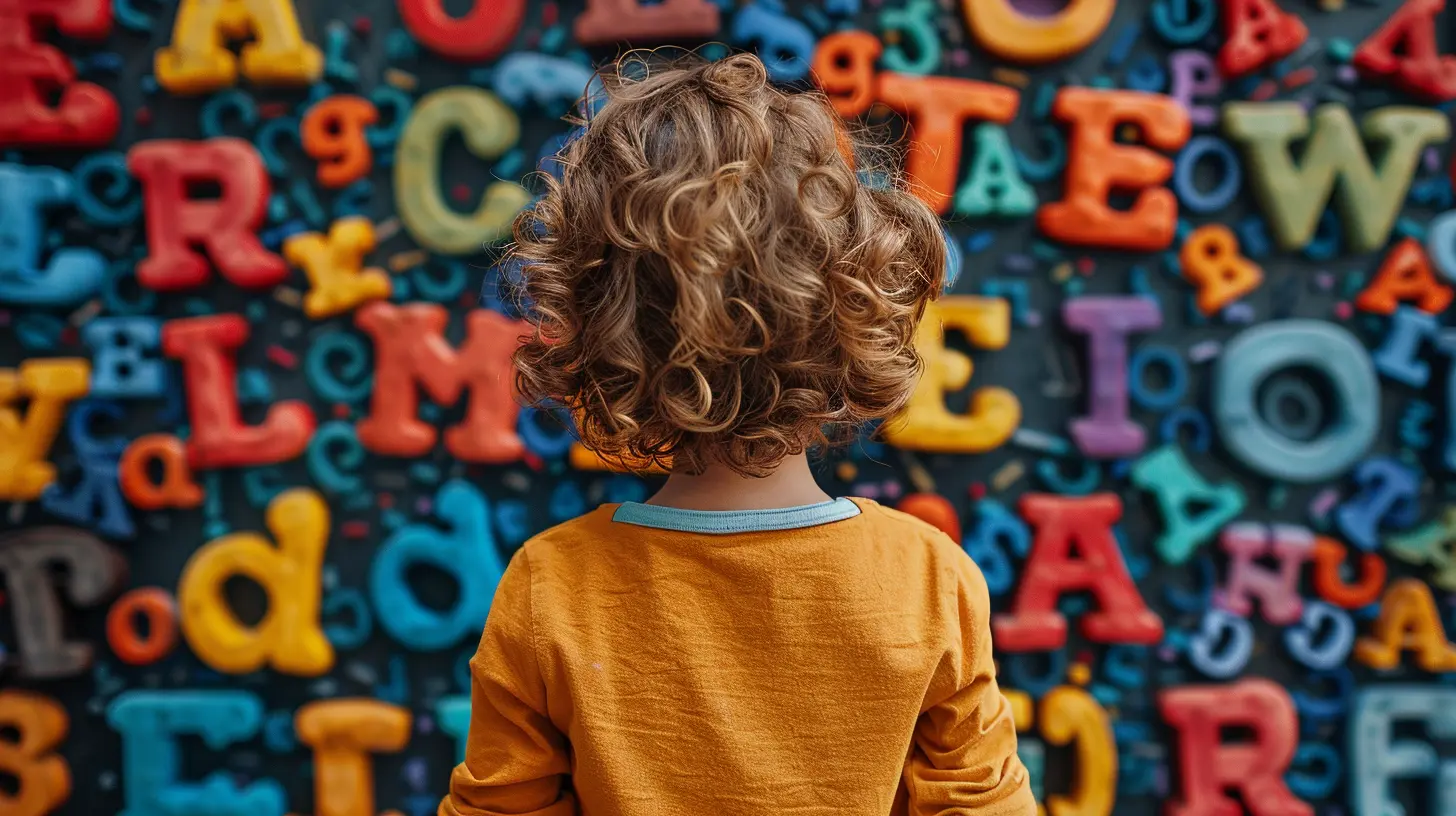
What Is Letter Recognition?
Letter recognition is the ability to identify and name letters, both uppercase and lowercase, in different fonts and contexts. It might sound simple, but this skill is the foundation for reading and writing.Before children can connect sounds to letters (phonics) or blend those sounds into words, they must first recognize letters on sight. Think of it like learning to identify different tools before figuring out how to use them.
Components of Letter Recognition
1. Letter Naming – Knowing each letter by name.2. Letter Shape Identification – Recognizing the differences between letters, such as how "b" and "d" look similar but face opposite directions.
3. Letter Matching – Pairing uppercase letters with their lowercase counterparts.
4. Letter Sound Association – Connecting each letter with its corresponding sound (although this moves into phonics, it begins with recognition).
Without these building blocks, learning to read can feel overwhelming and frustrating for children.

Why Letter Recognition Is Crucial for Reading
1. It Builds Phonemic Awareness
Letter recognition is a stepping stone to phonemic awareness—the ability to hear, identify, and manipulate individual sounds in words. When children recognize letters, they can start associating them with sounds, which is essential for decoding words.For example, if a child sees the letter "C" and knows it makes the "kuh" sound, they are one step closer to sounding out words like "cat" or "cup." Without letter recognition, phonics instruction becomes much harder.
2. It Develops Pre-Reading Skills
Before a child can read fluently, they must understand the basic mechanics of reading, such as:- Recognizing that words are made up of letters.
- Understanding that letters have a specific order in words.
- Grasping that letters represent sounds.
Letter recognition serves as the bridge between spoken and written language. If a child struggles with recognizing letters, they may have difficulty understanding how reading works.
3. It Improves Reading Fluency
Fluency is the ability to read smoothly and accurately. For a child to read effortlessly, they must recognize letters instantly. Imagine trying to read if you had to pause and identify each letter before sounding it out—it would be frustrating, right?Quick letter recognition allows children to move from decoding words to reading with confidence. The faster they recognize letters, the quicker they can read and comprehend what they’re reading.
4. It Boosts Writing Skills
Reading and writing go hand in hand. If a child knows how to recognize letters, they can begin forming them when writing. Letter recognition plays a crucial role in spelling because children need to recall letter shapes and sounds to write words correctly.For example, if a child is asked to write the word “dog” but doesn’t recognize the letter "D," they might struggle to spell it. Developing strong letter recognition skills enables children to express themselves in writing much earlier.
5. It Builds Confidence and Motivation
Imagine trying to learn a new language without knowing its alphabet—it would feel impossible! The same applies to young children learning to read. When they recognize letters with ease, they feel more confident tackling new words.This confidence leads to motivation. When a child believes they can read, they’re more eager to practice, which leads to faster progress and a love for reading. On the other hand, if reading feels like a constant struggle, they may become discouraged.
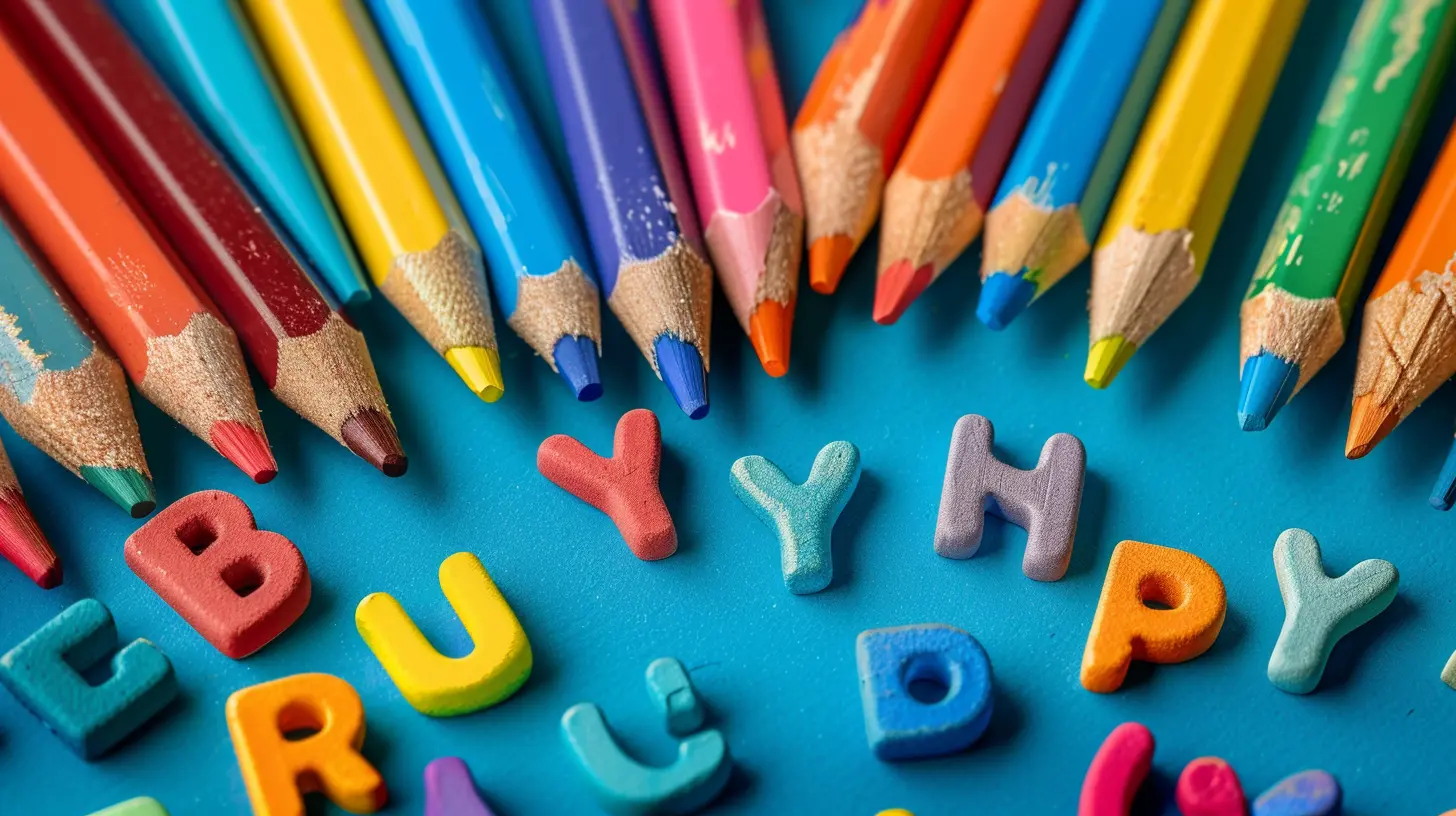
When Should Kids Start Learning Letter Recognition?
Most children begin recognizing letters between the ages of 2 and 3, but the process varies from child to child. By preschool (around age 4), many kids can identify most uppercase letters. By kindergarten, they should recognize both uppercase and lowercase letters and start linking them to their sounds.However, if a child is struggling, there’s no need to panic. Every child learns at their own pace, and there are plenty of fun, engaging ways to reinforce letter recognition.

How to Teach Letter Recognition in Fun Ways
Now that we understand why letter recognition matters, let’s explore ways to teach it effectively.1. Use Alphabet Books and Songs
Alphabet books and songs make learning letters enjoyable. The repetition in songs like the "ABC Song" helps children memorize letter names effortlessly. Books with engaging pictures and letter themes make the learning process more interactive.2. Play Letter Recognition Games
- Letter Hunt – Have children find letters on street signs, cereal boxes, or in books.- Letter Puzzles – Use alphabet puzzles to help kids match letters.
- Magnetic Letters – Let them play with magnetic letters on the fridge.
Games turn learning into an adventure, making letter recognition feel like a fun challenge rather than a boring lesson.
3. Incorporate Hands-On Activities
- Tracing Letters – Use sand, shaving cream, or finger paint to let kids trace letters with their fingers.- Letter Crafts – Have children create letters out of playdough, pipe cleaners, or stickers.
- Alphabet Flashcards – Show a letter and ask your child to say its name and a word that starts with it.
Hands-on activities engage a child’s senses, making learning more memorable.
4. Read Aloud Every Day
Reading books aloud introduces children to letters in context. When they hear words, see letters, and follow along, they naturally start to make connections between spoken and written language.Point to words as you read, emphasizing the beginning letters, and encourage your child to repeat or identify the letters they recognize.
5. Introduce Technology-Based Learning
There’s no denying that kids love screens, so why not use them for educational purposes? Apps and online games designed for letter recognition can make learning feel like playtime. Just be sure to balance screen time with hands-on activities.Signs a Child Might Be Struggling with Letter Recognition
If a child is having difficulty recognizing letters, they may:- Confuse similar-looking letters (e.g., “b” and “d”).
- Have trouble matching uppercase and lowercase letters.
- Struggle to recall letter names.
- Avoid letter-based activities due to frustration.
If these challenges persist beyond kindergarten, it might be helpful to seek additional support from a teacher or reading specialist. Early intervention can make a huge difference in helping a child catch up.
Final Thoughts
Letter recognition is the gateway to reading. Without this crucial skill, children struggle to understand how letters form words, making reading and writing more challenging. By making letter recognition fun and engaging, we can set children up for reading success and a lifelong love of books.Whether it’s through games, songs, crafts, or simple everyday interactions, incorporating letter recognition into a child’s routine will pay off in the long run. So, let’s give our kids the best start possible—one letter at a time!
all images in this post were generated using AI tools
Category:
Early LiteracyAuthor:

Charlotte Rogers
Discussion
rate this article
11 comments
Giselle Lawrence
Foundation for lifelong literacy.
February 28, 2026 at 4:06 AM
Charlotte Rogers
Absolutely! Early letter recognition is crucial as it lays the groundwork for lifelong literacy skills.
Vivian Heath
Letter recognition: because knowing 'A' from 'B' means you won’t accidentally order a 'banana' when you meant 'apple'!
February 25, 2026 at 1:15 PM
Charlotte Rogers
Absolutely! Letter recognition is crucial for distinguishing between words, ensuring clear communication and understanding as children begin their reading journey.
Ashira Russell
This article effectively highlights the critical role of letter recognition in early literacy development. By emphasizing its importance as a foundational skill, it encourages educators and parents alike to support children on their journey to becoming confident readers. Thank you for sharing these insights!
February 23, 2026 at 9:59 PM
Charlotte Rogers
Thank you for your thoughtful comment! I'm glad you found the article valuable in highlighting the importance of letter recognition in early literacy.
Ella Lawson
Great article! Understanding letter recognition is crucial for early literacy development. It lays the foundation for successful reading skills in young learners.
February 17, 2026 at 3:23 AM
Charlotte Rogers
Thank you! I'm glad you found the article insightful. Letter recognition is indeed a key step in fostering early literacy and essential for developing strong reading skills.
James Sweeney
Letter recognition is a foundational skill that supports literacy development. By understanding letters and their sounds, children build the essential building blocks for reading, enhancing their comprehension and communication abilities as they progress on their educational journey.
February 16, 2026 at 2:03 PM
Charlotte Rogers
Thank you for highlighting the importance of letter recognition! It's indeed a crucial step in fostering literacy skills in young learners.
Edward McCartney
Oh, because who needs to recognize letters when you can just guess your way through a book, right? Let’s all just admire the pretty pictures instead—reading is overrated anyway! Kudos to letter recognition for being the real MVP of literacy!
February 13, 2026 at 1:09 PM
Charlotte Rogers
I appreciate your humor! However, letter recognition is foundational to reading, enabling comprehension and a deeper connection to text beyond just visuals.
Adeline Wilcox
This article effectively underscores letter recognition as the foundation for literacy. However, it could benefit from exploring diverse teaching strategies that accommodate different learning styles to enhance engagement and retention.
February 11, 2026 at 1:24 PM
Charlotte Rogers
Thank you for your feedback! I appreciate your suggestion to explore diverse teaching strategies to enhance engagement and retention in letter recognition. I'll consider this for future discussions.
Zayn Warner
Understanding letter recognition is crucial for young learners, as it lays the foundational skills for reading. By identifying letters, children develop phonemic awareness and vocabulary, fostering their ability to decode words. This skill not only enhances literacy but also boosts overall academic confidence.
February 11, 2026 at 5:11 AM
Charlotte Rogers
Thank you for your insightful comment! I completely agree—letter recognition is indeed fundamental for building literacy skills and boosting children's confidence in their reading journey.
Kai Lozano
Letter recognition is a crucial foundational skill that supports early literacy development. It enhances phonemic awareness, facilitates word recognition, and builds confidence in young readers, paving the way for successful reading experiences throughout life.
February 9, 2026 at 5:19 AM
Charlotte Rogers
Thank you for your insightful comment! I completely agree—letter recognition is vital for literacy and sets the stage for lifelong reading success.
Soraya Harmon
Oh wow, who knew that recognizing letters could be so groundbreaking? Next, we’ll tackle the earth-shattering concept of “reading!” But seriously, if we don’t start with A, B, C, how will we ever impress with our deep thoughts on “Moby Dick”?
February 8, 2026 at 8:54 PM
Charlotte Rogers
Letter recognition is the foundation of reading. Without it, we cannot engage with more complex texts, including classics like "Moby Dick." Every step matters!
Easton McCaffrey
Thank you for this insightful article! Emphasizing letter recognition is crucial for early literacy development, and your tips will certainly help parents support their children’s reading journey.
February 8, 2026 at 4:46 AM
Charlotte Rogers
Thank you for your kind words! I'm glad you found the article helpful for supporting early literacy.
MORE POSTS
The Role of Nursery Rhymes in Developing Early Literacy Skills

How to Encourage Independent Thought in the Classroom

Integrating Art and Design into STEM Activities

Unlocking Your Child’s Reading Potential: Early Literacy Tips for Parents

Teaching Cybersecurity in Schools: Coding as a Defense Tool

Creative Icebreaker Games for the First Day of School

Supporting Bilingualism in Early Childhood

Mastering Focus: Proven Techniques for Effective Studying