Why Montessori Education is Ideal for Developing Social-Emotional Skills
9 August 2026
Imagine a classroom where kids aren't lined up in rows, facing a teacher at the front, but instead moving around freely, choosing their own activities, working together, and learning at their own pace. Sounds like a dream, right? Well, welcome to the world of Montessori education. But more than just an unconventional set-up, Montessori’s magic lies in how it grows not only young minds—but also young hearts.
In today’s fast-paced, test-driven education system, emotional intelligence and social awareness can sometimes become afterthoughts. But here's the truth—having strong social-emotional skills is just as important (if not more!) than academic knowledge. And that's exactly where Montessori education shines.
So, let’s unpack why Montessori education is the perfect soil in which emotional intelligence and social skills can grow deep, strong roots.
What Are Social-Emotional Skills, Anyway?
Before we dive into the Montessori method, let’s quickly define what we mean by social-emotional skills. These are the abilities that help us:- Understand and manage our own emotions
- Feel and show empathy for others
- Form positive relationships
- Make responsible decisions
- Handle social situations effectively
In other words, social-emotional skills are what help us navigate life. They’re the glue that holds together our personal and professional worlds. When kids develop these skills early, they grow into confident, capable, and compassionate adults.
The Montessori Philosophy: More Than Just Academics
Montessori education, developed by Dr. Maria Montessori over 100 years ago, is centered around a child-led, hands-on learning approach. But here’s what sets it apart: Montessori isn't just about learning math or reading—it’s a holistic approach that nurtures the whole child: mind, body, and soul.From the moment a child walks into a Montessori classroom, they are treated with respect, given real responsibilities, and encouraged to collaborate rather than compete. This sets the stage for deep and lasting development of those all-important social and emotional skills.
1. Freedom Within Limits Builds Self-Awareness
Montessori classrooms give children the freedom to choose their activities, but within clear boundaries. This balance is magic for developing self-awareness and emotional regulation.Let’s face it—kids (and adults) thrive when they feel in control. When children are allowed to make their own choices, they learn to listen to their inner voice. They become more aware of what they enjoy, what frustrates them, and how to manage those feelings. And over time? They learn how to respond to emotions rather than just react to them.
Example: A child who struggles with a puzzle may initially feel frustrated. But instead of rushing in to fix it, the Montessori guide (aka teacher) observes. The child is given time and space to problem-solve, ask for help, or try again later. That’s emotional growth in action.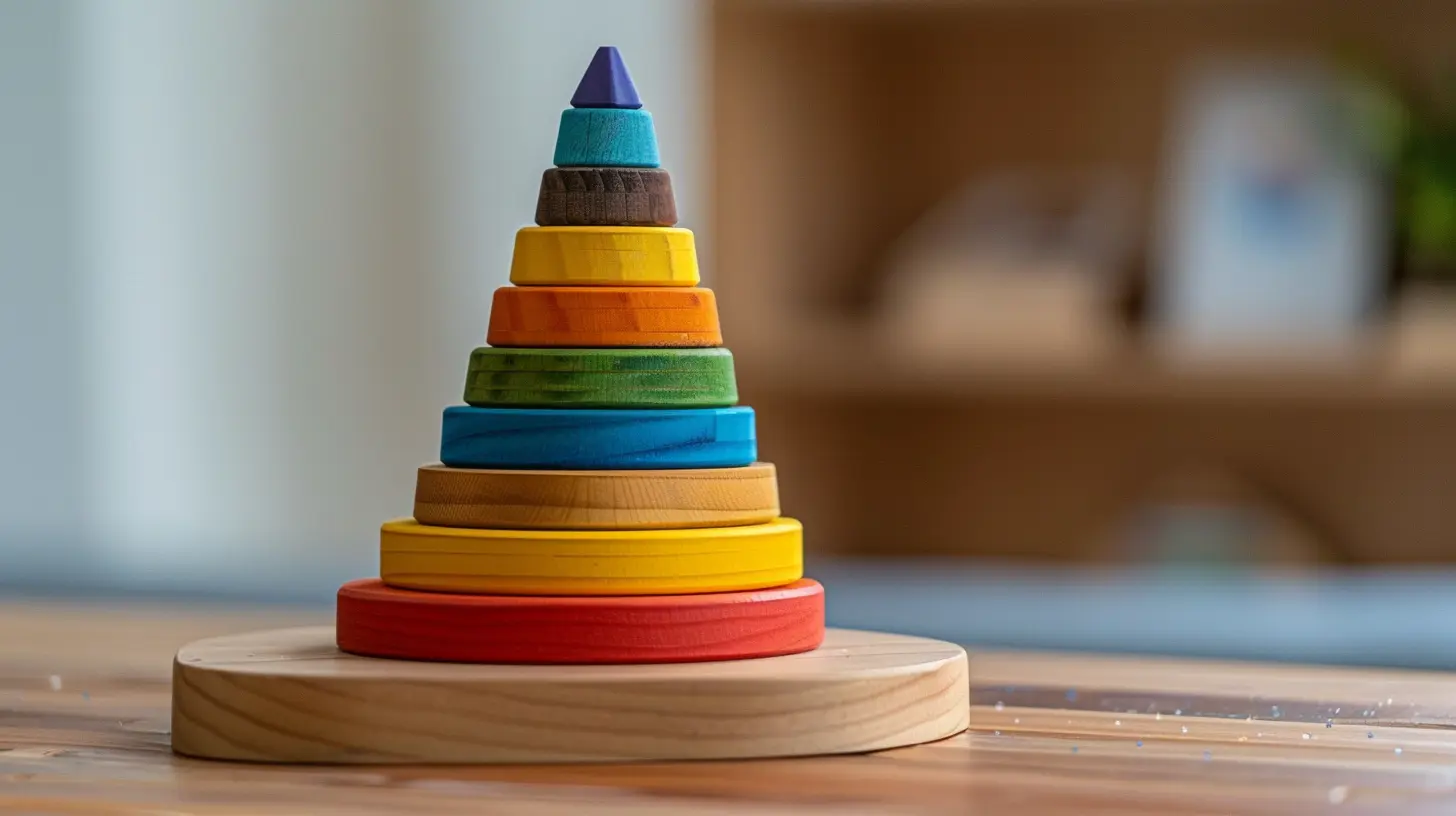
2. Mixed-Age Classrooms Encourage Empathy
One of the defining features of Montessori education is mixed-age classrooms, typically spanning three years. This setup mirrors real life more than traditional single-grade classrooms and provides amazing opportunities for social learning.Older children naturally become mentors and role models to younger peers. They’re given chances to explain concepts, lend a hand, and share wisdom. And guess what? That builds empathy, patience, and leadership.
Meanwhile, younger children look up to older ones, learn by observing them, and feel supported. Over time, these dynamics foster deep respect and understanding among students—key building blocks of emotional intelligence.
It’s like a mini-community where everyone has a role to play, and every interaction becomes a chance to grow.
3. Peace Education Is a Core Part of the Curriculum
Did you know that Montessori schools actively teach peace?Yup—it’s not just about keeping the classroom quiet. Montessori peace education involves daily rituals, real conflict resolution strategies, and community meetings that teach children how to handle disagreements calmly and respectfully.
Children learn how to use words to express feelings, how to listen without interrupting, and how to find solutions that work for everyone. They even use tools like a "peace rose" to facilitate conflict resolution between peers.
Can we just stop and appreciate how powerful that is?
At an age when many kids are still being told to “just get along,” Montessori students are actively learning the how and why behind kindness, empathy, and communication.
4. A Focus on Intrinsic Motivation Cultivates Confidence
Unlike traditional grading systems that reward or punish based on external achievements, Montessori education emphasizes intrinsic motivation. Children don’t get gold stars or “A+” stickers. Instead, the reward is the joy of learning itself.This means children learn to value effort over outcome. They learn to keep trying, even when things get tough. And as a result, they build self-confidence and resilience—two vital aspects of emotional health.
When kids feel confident in themselves and their abilities, they’re more likely to take healthy social risks, speak up for themselves, and interact positively with others.
5. Calm and Orderly Environments Support Emotional Regulation
Step into a Montessori classroom and you’ll notice something immediately: it’s calm. It’s organized. It feels like a safe haven. And this isn’t an accident.Montessori classrooms are intentionally designed to support a child’s emotional well-being. Everything from the lighting to the layout to the materials themselves is thoughtfully chosen to create a peaceful, low-stress environment.
In this type of setting, children are better able to regulate their emotions, focus on tasks, and engage positively with their peers. Chaos and overstimulation? Not here.
And let’s be honest—don’t we all do better when our environment supports our peace of mind?
6. Grace and Courtesy Lessons Teach Real Life Skills
While many schools focus on academics, Montessori schools also teach “grace and courtesy”—basically, how to be kind, respectful, and considerate in daily life.Kids learn how to greet someone politely, how to interrupt respectfully, how to set a table, how to wait their turn, and how to offer help. These aren’t just cute traditions—they are critical life skills.
These ongoing lessons foster a culture of respect and mindfulness. They’re not just taught once and forgotten—they’re part of daily practice, woven into the fabric of each day.
Can you imagine what the world might look like if every child grew up with these values?
7. Individualized Learning Nurtures Self-Esteem
Every child is different. Some are loud and outgoing. Some are quiet and observant. Some love numbers. Others love painting. Montessori education recognizes and celebrates these differences.Because students work at their own pace, with lessons tailored to their interests and readiness, they’re not constantly being compared to others. This removes a huge source of anxiety and competition found in traditional classrooms.
When children feel seen, respected, and honored for who they are, they build genuine self-esteem—one rooted in self-acceptance, not external validation.
And confident kids? They’re better equipped to build strong, healthy relationships.
8. Real Responsibility = Real Growth
One of the most beautiful aspects of Montessori education is how it trusts children with real responsibilities—from caring for classroom plants and pets to helping clean up spills to assisting younger classmates.These responsibilities aren’t “chores” or a punishment—they’re a privilege. And over time, they teach children how to be accountable, helpful, and dependable.
This sense of ownership not only builds character but also deepens social connections. When children feel they have a purpose and role in their community, they engage more meaningfully with others.
9. Teachers as Guides, Not Bosses
In a Montessori classroom, the adult isn't a traditional “teacher” who lectures from the front of the room. Instead, they’re a guide—someone who observes closely, connects with each student, and gently steers them toward discovery.This relationship model builds trust and emotional safety. Students feel respected, heard, and understood.
And guess what? That kind of relationship doesn’t just stick in the classroom. It becomes a blueprint for how kids treat others—listening, respecting, and supporting their fellow humans.
10. Emotional Literacy Is Built Into Daily Life
Montessori education doesn’t just talk about emotions during a weekly “feelings” lesson. Emotional literacy is built into the daily fabric of classroom life.Kids are encouraged to name their feelings, talk about conflicts, make amends, and celebrate small successes—all in a safe, supportive space.
Over time, this daily practice creates emotionally intelligent kids who know how to navigate their inner world and connect deeply with others.
And let’s be real—if there’s one thing the world needs more of, it’s emotionally intelligent humans.
Final Thoughts: The Heart of Montessori
At the end of the day, Montessori isn't just about raising smart kids—it's about raising good kids. Kind. Curious. Empathetic. Independent. Emotionally wise.The social-emotional skills nurtured in Montessori classrooms don’t just prepare children for school—they prepare them for life. For relationships. For community. For leadership. For making the world just a little bit better, one thoughtful choice at a time.
If we want emotionally resilient kids who lead with compassion and authenticity, maybe it’s time we rethink what education really means.
Because the world doesn’t just need more straight-A students—it needs more heart-smart humans. And Montessori? That’s exactly what it builds.
all images in this post were generated using AI tools
Category:
Montessori EducationAuthor:

Charlotte Rogers