Cultivating Educational Innovation from the Ground Up
February 5, 2026 - 18:39

In the ever-evolving landscape of education, the concept of "bottom-up" innovation is gaining momentum as a powerful approach to reforming teaching and learning. This method emphasizes grassroots involvement, where educators, students, and communities actively participate in shaping educational practices and policies. Such an approach not only fosters creativity but also ensures that solutions are tailored to the specific needs of those directly affected by the educational system.
For this innovation to truly flourish, several key elements must be nurtured. First, collaboration among stakeholders is essential. When teachers, parents, and students come together, they can share insights and ideas that lead to meaningful change. Second, professional development opportunities for educators must be prioritized, allowing them to explore new teaching methods and technologies that can enhance learning experiences.
Moreover, a supportive environment that encourages experimentation and risk-taking is crucial. By creating spaces where innovative ideas can be tested and refined, educational institutions can cultivate a culture of continuous improvement. Ultimately, for bottom-up inspiration to thrive, it requires commitment, collaboration, and an openness to new possibilities.
MORE NEWS

August 5, 2026 - 09:13
Proposal to Mandate FAFSA Registration for Graduating SeniorsGovernor Bob Ferguson has announced a significant initiative aimed at enhancing college access for high school seniors. In the upcoming legislative session, he will propose a requirement for...
August 4, 2026 - 23:55
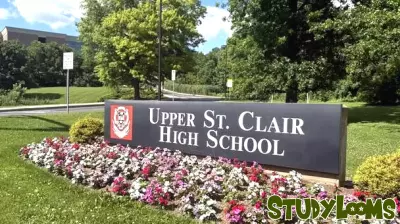
Schools Embrace Later Start Times: New Regulations Introduced by Education DepartmentUpper St. Clair Superintendent John Rozzo stands firmly behind the decision to shift school start times later, a move implemented three years ago. He believes this change has significantly...

August 4, 2026 - 02:25
Highlights of Recent Education News from the Big Island and BeyondIn the latest updates from the education sector, several noteworthy developments have emerged across the Big Island and the state. Japanese studies programs are gaining traction, reflecting a...

August 3, 2026 - 18:12
Surge in Texas Students Utilizing Taxpayer-Funded Education Savings AccountsThe number of Texas students using taxpayer money for private school or home-school could increase as more families accept invitations to participate in the Education Savings Account (ESA) program....