Coding for Literacy: How Programming Can Improve Reading and Writing Skills
25 July 2026
Let’s get one thing straight—coding isn’t just for creating apps, websites, or hacking the mainframe like you see in the movies (seriously, no one types that fast). It’s also a surprisingly powerful tool for beefing up your reading and writing game.
Yep, you heard that right. Programming can actually make you a better reader and writer. Sounds crazy? Stick around, and I’ll show you how these seemingly different worlds of JavaScript and Jane Austen intersect in more ways than you’d expect.
Wait, Coding Helps with Literacy? Like... Reading Books?
Exactly! It might sound like we crossed some wires here, but coding and traditional literacy are more alike than you think. When we think of "literacy," our minds usually jump straight to the usual suspects—reading, writing, maybe a bit of grammar and punctuation. But here's the thing: literacy is really about understanding and communicating information.Sound familiar? That’s basically what coding is too. Whether you're writing a short story or a Python script, the goal is to make your ideas clear and understandable to an audience—whether that audience is human or machine.
The Language of Logic and Storytelling
Programming Languages Aren’t That Different From Regular Languages
Think about it. What do you do when you learn English, Spanish, or French? You memorize vocabulary, learn grammar rules, construct sentences, and try to express yourself clearly. Now swap out "nouns and verbs" for "variables and functions," and hey, welcome to coding!Take Python for instance (a friendly coding language, not the snake). Writing a function in Python is like writing a sentence where every part has to make perfect sense. If it doesn't, not only will your computer throw a tantrum, but you'll also realize pretty quickly that clarity is key—just like with writing.
Coding Improves Sentence Structure and Grammar Awareness
Let’s be honest, grammar can be a drag. But guess what? Coding turns sentence structure into a fun puzzle.When you're coding, you’ve got to get your syntax (basically grammar for computers) just right. One missing comma or bracket and—bam!—nothing works. This attention to syntactic detail trains your brain to pay closer attention to sentence construction in everyday writing, making you less likely to commit writing sins like run-on sentences or comma splices.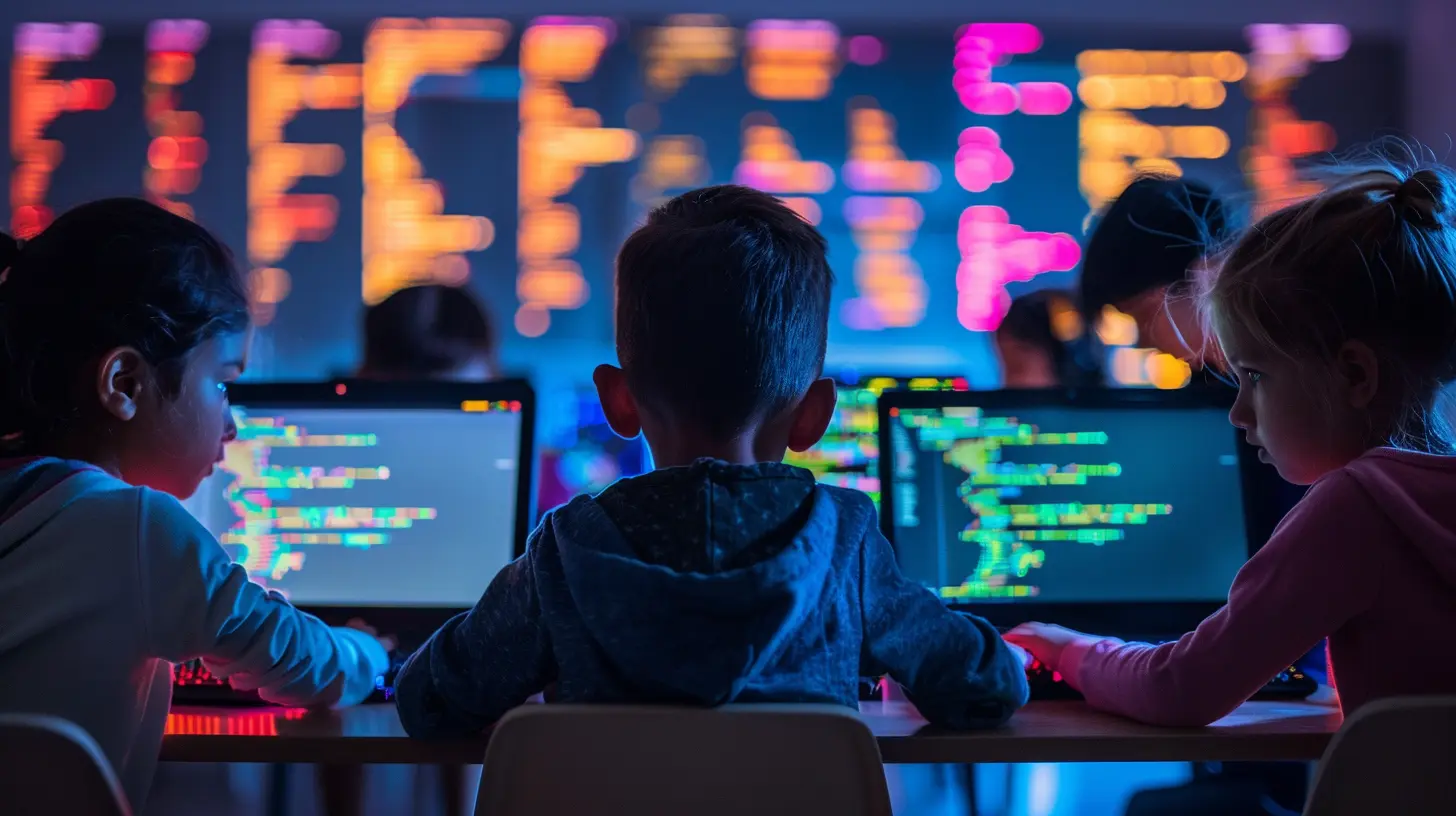
Reading Code = Developing Comprehension Skills
Code is Another Form of Text
Before you write code, you often have to read code. That means deciphering what others have written, understanding the logic, and figuring out what the heck is going on. Sounds kinda like reading a book, doesn’t it?Just like you’d follow the plot of a mystery novel, following the flow of code involves tracing logic, identifying key elements, and grasping the big picture. This builds your comprehension skills because coding forces you to read critically. You can’t just skim through code—you’ve got to understand it to make it work.
Debugging is Basically the Ultimate Reading Comprehension Exercise
Ever tried debugging code? It’s like playing detective in a whodunit. You’re looking for inconsistencies, trying to understand the story that the code is trying (and failing) to tell, and then rewriting it to make sense.This process builds analytical reading skills. You’re not just reading for pleasure; you’re reading to solve a problem. And that critical thinking transfers beautifully to traditional reading tasks—like when you’re analyzing a poem or dissecting a persuasive essay.
Writing Code Makes You a Better Writer, Period.
Clear Code = Clear Thinking = Clear Writing
Writing code forces you to clarify your thoughts. You can’t just ramble on and on like your uncle at Thanksgiving. Code needs to be concise, logical, and structured. The clearer your thinking, the better your code. And guess what? That clarity spills over into your essays, emails, and yes, even your text messages.Suddenly, writing a five-paragraph essay doesn’t feel like climbing Everest in flip-flops. You approach it like a coding problem—break it down, plan the structure, get to the point, and clean up the bugs (aka grammar mistakes).
Commenting Code Trains Your Inner Editor
Let’s talk about comments. In code, comments are those little notes you leave behind to explain what your code is doing. They don’t affect the program itself, but they help humans (including your future self) understand what’s going on.This habit of explaining things clearly and concisely is a win for writing skills. It teaches you to write with the reader in mind, a habit that every good writer swears by. Think of code comments as your inner narrator warming up for the next great novel.
Coding Boosts Vocabulary (No, Really)
Coding Teaches Precision with Words
You can’t just toss any old word around in code. Every keyword, function, and variable name has a meaning and a purpose. This builds a mindset of being deliberate with your word choices.In everyday writing, this translates to using fewer filler words and more punchy, meaningful language. Basically, coding helps you say more by writing less. Hemingway would approve.
You Pick Up a Whole New Lexicon
When you learn to code, you automatically absorb a new vocabulary—terms like "loop," "array," "argument," and "Boolean." Understanding how and when to use these terms helps you develop the mental agility to master new words quickly. So next time SAT vocabulary rears its ugly head, you’ll be more than ready.How Kids Especially Benefit From Coding for Literacy
Storytelling Through Scratch
If you've ever seen a kid use Scratch (a colorful drag-and-drop coding platform), you’ve basically witnessed storytelling gone digital. Kids create characters, write dialogue, and build entire narrative worlds by "coding" them into existence.That’s storytelling, plain and simple—just with a digital twist. It teaches plot structure, dialogue, character development, and sequencing. It’s not just play; it’s practice.
Bridging the Gap Between Reading and Doing
For kids, reading can sometimes feel like a passive activity. But when you introduce coding, especially gamified platforms or interactive challenges, reading becomes a means to an end. They read instructions, follow steps, and do something with that information.It’s like reading a recipe and cooking the dish. That cycle of input and output strengthens comprehension and retention like few other activities can.
Adults Get In on the Action Too
Who says it’s just for kids? Plenty of adults rediscover their love of reading and writing through technical work. Whether it’s writing technical documentation, reading open-source libraries, or contributing to forums like Stack Overflow, coding pulls people back into the world of words in a whole new way.And let’s be honest, half of coding is Googling error messages and reading endless documentation. That’s some solid nonfiction reading practice right there.
What Teachers and Parents Should Know
Coding Doesn’t Have to Be Scary
Look, you don't need a degree in computer science to introduce a kid to coding. There are tons of free resources (like Code.org and Tynker) that make coding as easy as pie—apple pie, not π.Encouraging young learners to code isn’t about turning them into the next Silicon Valley billionaire (though hey, we wouldn’t complain). It’s about building fundamental skills: problem-solving, clear communication, patience, and yes—literacy.
Blend Coding With Traditional Learning
Teaching Shakespeare? Have students code an animated scene from Macbeth. Working on persuasive writing? Let them build a website to showcase an argument. Mixing tech and text keeps things fresh and helps students apply their reading and writing in meaningful, modern ways.A Final Byte (Pun Fully Intended)
So, is coding the secret sauce to becoming a better reader and writer? Maybe not the secret, but it’s definitely part of the recipe. Coding demands clarity, structure, attention to detail, and a whole lot of logic—all the same skills needed to slay that writing assignment or ace comprehension tests.At the end of the day, learning to code isn’t just about wrangling computers—it’s about communicating ideas more effectively. And if that’s not literacy, then I don’t know what is.
Happy coding—and reading—and writing!
all images in this post were generated using AI tools
Category:
Coding In SchoolsAuthor:

Charlotte Rogers
Discussion
rate this article
1 comments
Brandon Reed
What a delightful read! 🌟 Integrating coding with literacy is such an innovative approach to enhance reading and writing skills. By combining creativity with technology, we're not just teaching kids to code but also empowering them to express themselves better. Exciting times for learners ahead! Keep shining! ✨
July 25, 2026 at 3:13 AM