Engaging Students with Hands-On, Real-World Projects
2 February 2026
Let’s be honest—sitting in a classroom, listening to someone talk for an hour straight, flipping through a textbook that smells like a library in the 90s…it’s not always the most exciting way to learn. And you know what? That’s okay. Because education doesn’t have to be boring. In fact, it shouldn’t be.
Instead, what if learning felt more like building, experimenting, exploring, and solving real problems—not just for a grade, but because it’s actually fun and meaningful? That’s where hands-on, real-world projects make all the difference.
In this article, we’re going to dive deep into how these types of projects can fire up students’ brains, boost motivation, and turn classrooms into buzzing hubs of creativity and growth.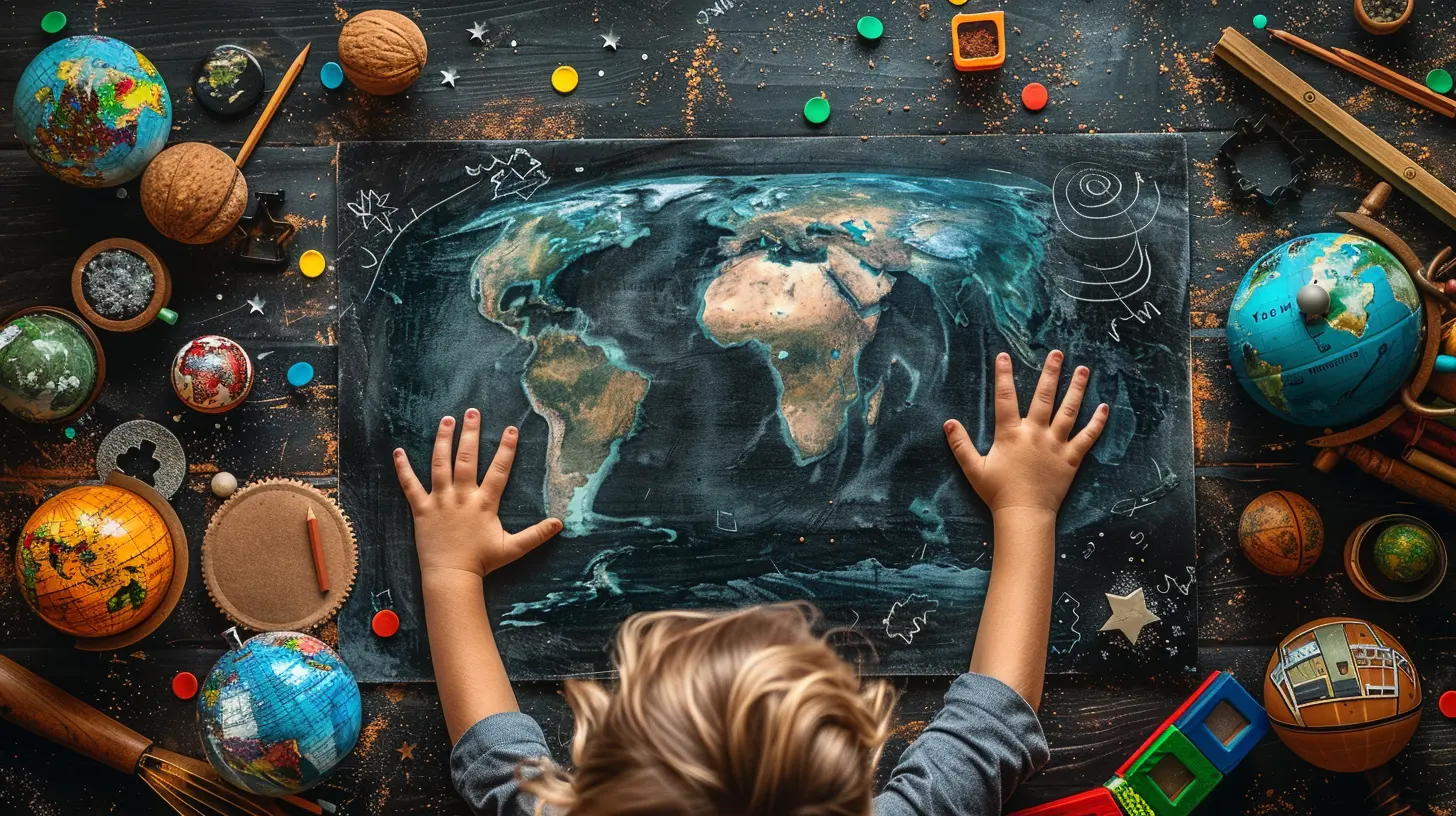
Why Hands-On, Real-World Projects Matter
Learning by Doing > Learning by Listening
Have you ever tried to learn how to ride a bike from a book? Doesn’t work so well, huh? That’s because some things—you just have to do them to truly get it. The same goes for real education. Hands-on projects give students that “get in there and figure it out” experience that sticks with them long after the lesson ends.When students connect what they’re learning to real-world situations, everything clicks. Math isn’t just numbers on a page—it’s budgeting for a fundraiser. Science isn’t just lab reports—it’s testing water quality in a local stream. Suddenly, learning becomes something they want to do.
Builds Confidence and Curiosity
When students work with their hands, make decisions, and figure things out through trial and error, they start building real confidence. They realize that mistakes aren’t dead-ends—they’re stepping stones. That’s a powerful lesson in itself.Plus, real-world projects spark curiosity. They make students ask questions, challenge assumptions, and look for better solutions. That’s the spirit of lifelong learning, right there.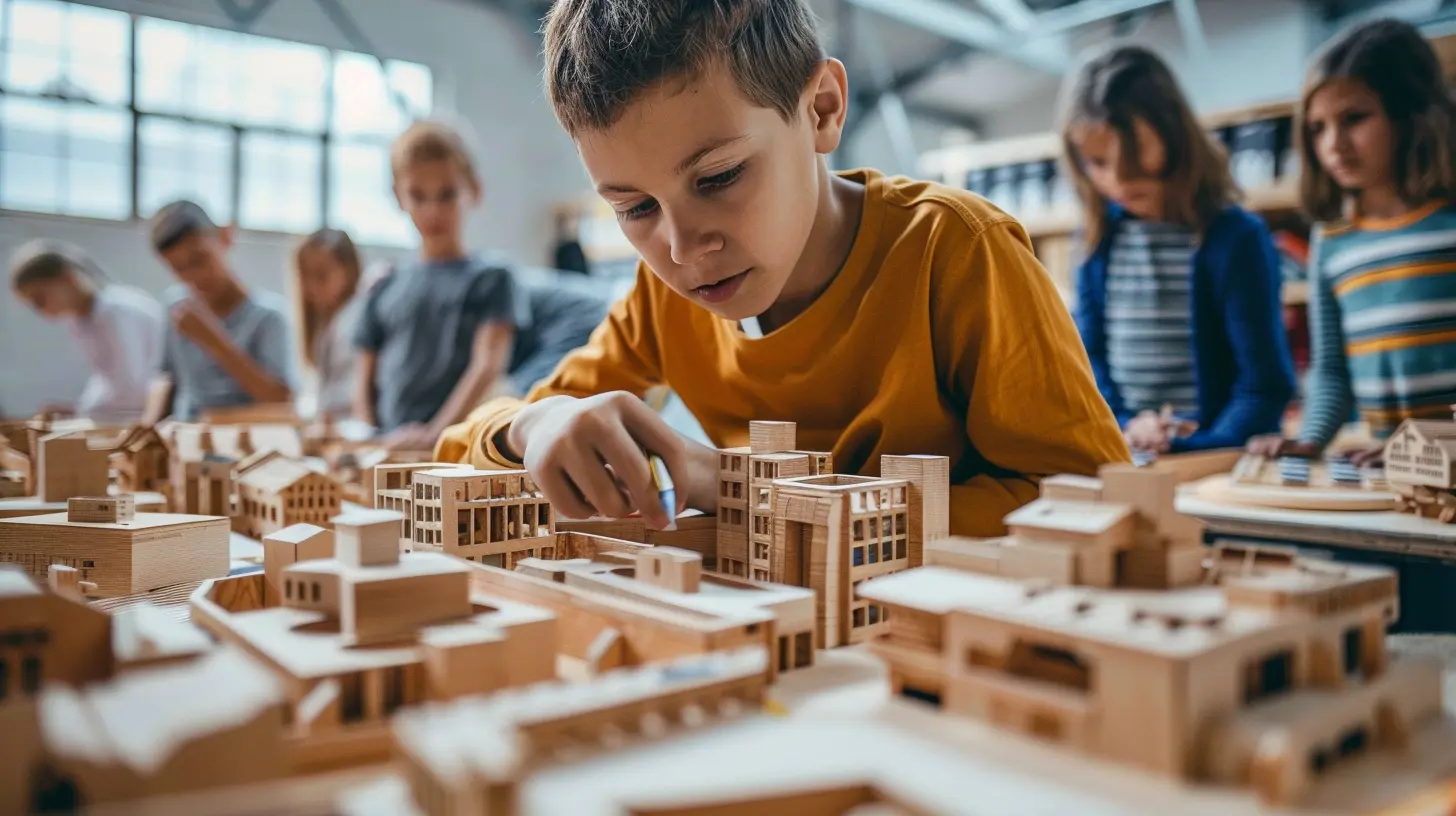
How Hands-On Learning Boosts Engagement
It Feels Real (Because It Is)
Let’s say students are creating a podcast on environmental issues. That’s not a pretend assignment—they’re producing something others might actually hear. There’s pride and purpose in that. They’re not writing to check a box. They’re writing for an audience. That added layer of “realness” gets them invested.Different Minds, Different Strengths
Not every student learns the same way. Some are visual learners, some are kinesthetic, some love to talk it out—it’s a mixed bag. What hands-on projects do really well is allow room for different strengths. A student who struggles with written tests might shine when building a model, leading a group, or designing a campaign.This inclusion of multiple learning styles levels the playing field and keeps more students actively involved.
Collaboration Becomes Natural
Group projects can sometimes feel forced. But give students a real-world problem? Suddenly, teamwork makes sense. Let’s say they’re building a community garden. Someone needs to plan the layout, someone needs to talk to local businesses, someone else needs to calculate the costs. Each student plays a role that matters.This teaches soft skills like communication, leadership, and compromise—skills that are just as important as academic ones.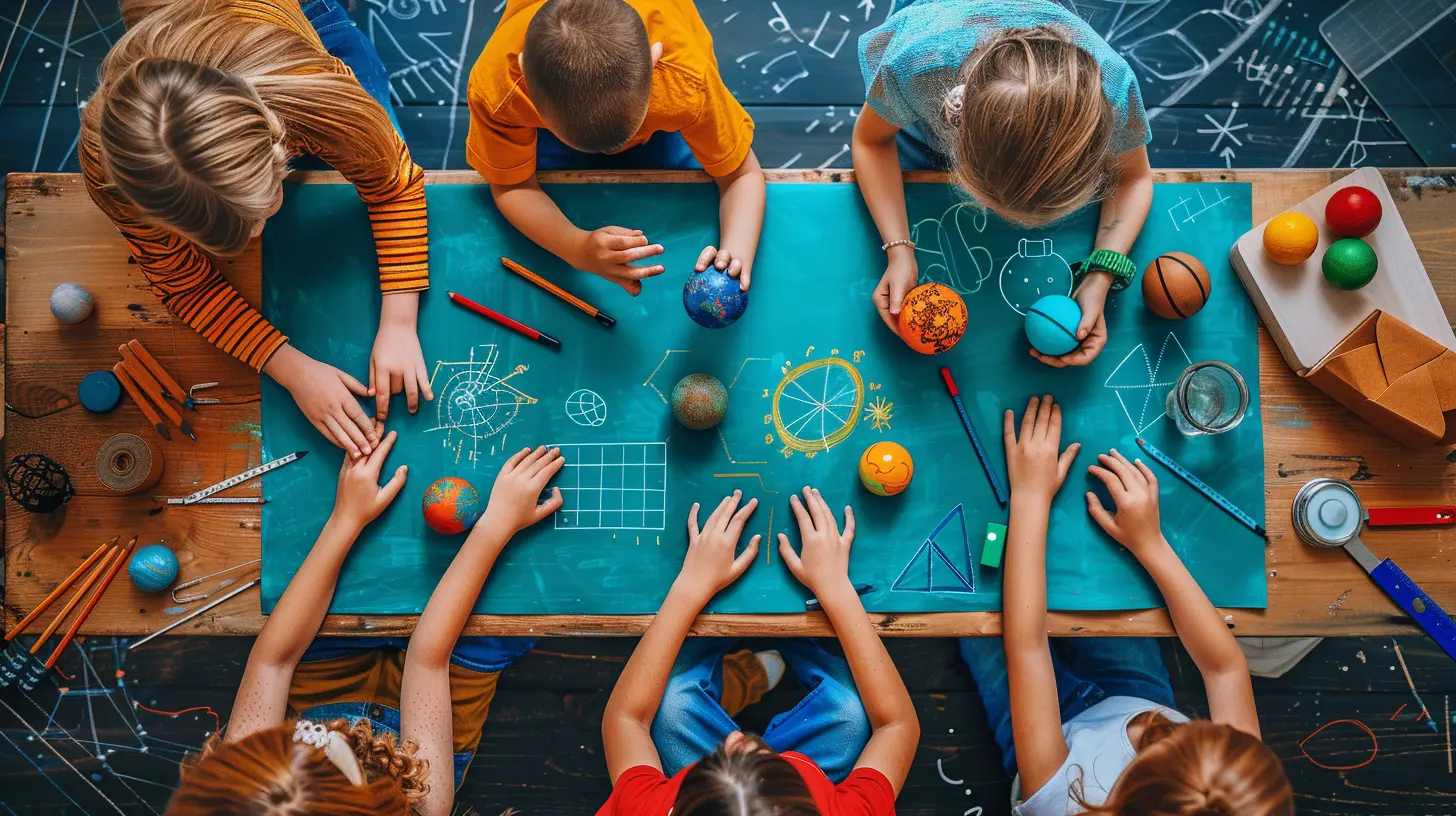
Types of Real-World Projects That Fire Up Learning
Now you might be wondering—what kind of projects are we talking about here? Glad you asked.Community-Based Projects
These are perfect for helping students see how they can impact their world. Think of projects like organizing a recycling drive, creating a local history podcast, or working with a local nonprofit.These aren't just assignments; they’re contributions. Students learn civic responsibility while applying what they’ve learned in academic subjects.
Entrepreneurial Projects
Give students the chance to start a small business, develop a product, or pitch an idea. They’ll need to research, budget, solve problems, and present their ideas. Along the way, they’re building skills in math, writing, marketing, and critical thinking.Think of it as Shark Tank meets the classroom.
STEM Challenges
Want to see students light up? Give them a challenge like building a bridge with limited materials, coding a simple app, or designing a solar-powered device. Bonus points if they get to compete in a friendly class competition.These types of projects combine creativity and logic—a great combo for keeping kids engaged.
Arts-Integrated Projects
Let’s not forget the magic of creativity. Have students write and perform a play about historical events, design art installations that represent scientific concepts, or create music inspired by literature. These mashups let students connect emotionally and intellectually with the content.When you put the arts in the mix, learning becomes a full expression of thought and feeling.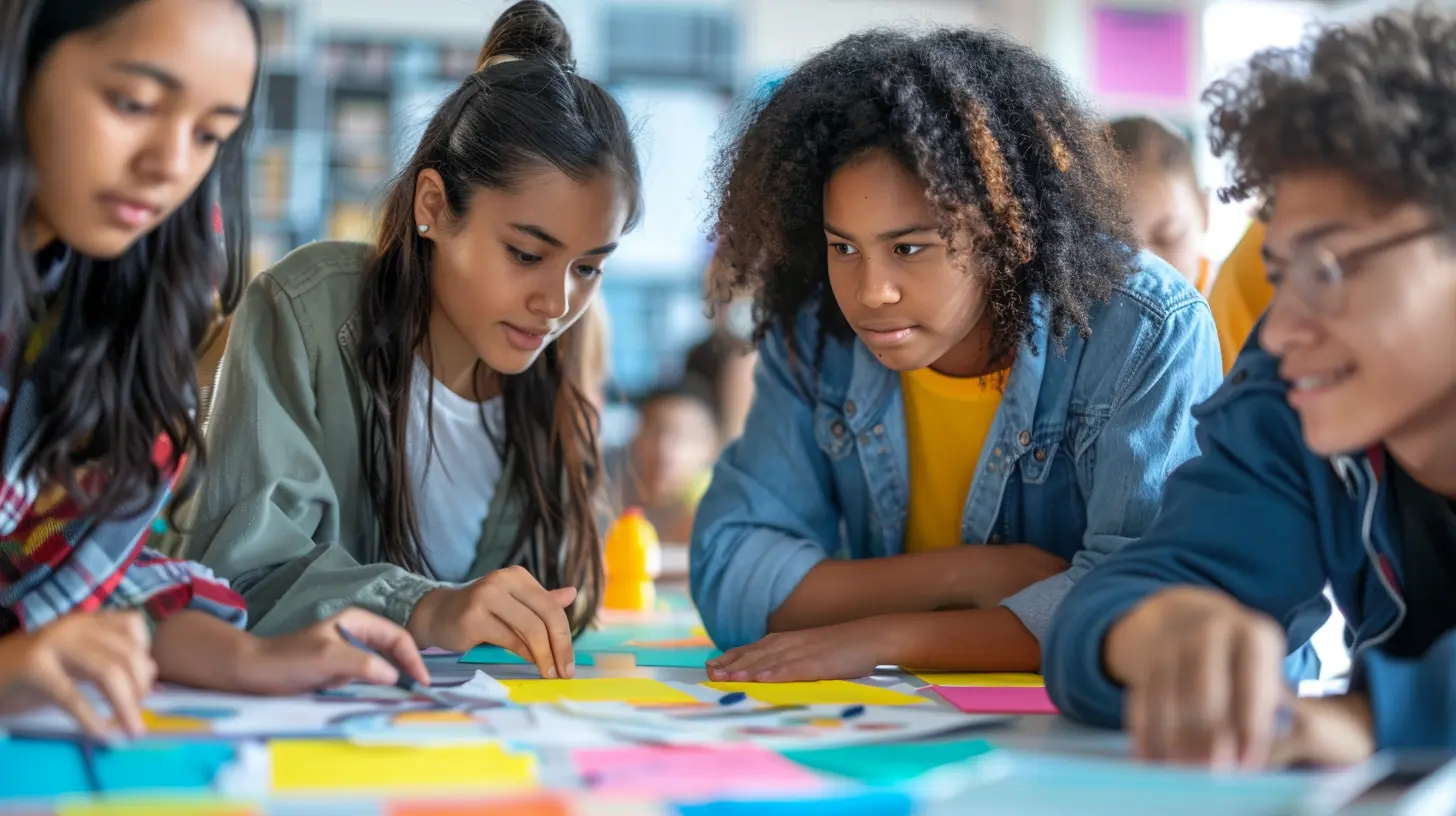
Tips for Running Successful Hands-On, Real-World Projects
Alright, now that we’re all fired up about real-world learning, here’s how to make it work smoothly in the classroom.Start with a Problem, Not a Task
Don’t give students a list of steps—give them a problem to solve. Let them figure out how to get there. When you let them take the lead, that’s where engagement starts. It becomes their project, not just an assignment.Set Clear Goals (But Leave Room for Exploration)
Students should know what success looks like, but they should also have freedom to explore. Give them the framework, but let them color outside the lines a bit. That’s where creativity lives.Allow for Reflection
Learning doesn’t stop when the project ends. Give students time to reflect—what worked, what didn’t, what they’d do differently next time. These reflections are gold. That’s the moment real understanding sinks in.Invite Experts and the Community
Bring in guest speakers, let students present to real audiences, or partner with local businesses. The more connections to the outside world, the better. It makes everything feel legit.Keep It Manageable
Don’t feel like you have to reinvent the wheel every time. Even small, hands-on projects can have huge impact. Start with something simple and build from there.The Ripple Effect of Project-Based Learning
When students engage in these types of projects, the impact goes way beyond the classroom.They See Themselves as Problem-Solvers
Students begin to realize they have something valuable to offer. They see themselves as people who can change the world—not someday, but right now.They Remember More (Because They Did More)
Research backs this up: students retain information better when they apply it. If you want a lesson to really stick, put it into action.They’re Better Prepared for the Real World
Whether it’s collaboration, communication, or critical thinking, these skills are in high demand—both in college and in the workforce. Real-world projects double as a training ground for life beyond school.Real Talk: The Challenges (and How to Beat Them)
Let’s keep it real—project-based learning isn’t always smooth sailing. But most hurdles are manageable with a bit of planning and creativity.“I Don’t Have Time for This!”
Yeah, the curriculum is tight. But here’s the thing: real-world projects don’t have to be extra. They can be the way you teach the standards. Instead of adding on, integrate the projects into your existing goals. Kill two birds with one stone.“What About Standardized Tests?”
Test prep and project-based learning don’t have to be enemies. In fact, projects can improve the very skills kids need to do well on tests—like reading comprehension, problem-solving, and writing. Plus, motivated students perform better across the board.“Not All Students Participate Equally”
True. That’s why roles matter. Assign tasks based on students’ strengths and give everyone a piece of the puzzle to own. The more meaningful each role feels, the more likely students are to step up.Let’s Wrap It Up: Why It’s All Worth It
Hands-on, real-world projects breathe life into learning. They make education meaningful, memorable, and, dare I say it, fun. They show students that they can be creators, innovators, and changemakers.So if you’re a teacher, a parent, or anyone involved in helping kids learn—don’t be afraid to shake things up. Step away from the worksheets and give students the tools to build, invent, explore, and solve. Because at the end of the day, isn’t that what learning is really about?
all images in this post were generated using AI tools
Category:
Project Based LearningAuthor:

Charlotte Rogers
Discussion
rate this article
12 comments
Zevros Wallace
Engaging students through hands-on, real-world projects is essential for fostering critical thinking and problem-solving skills. Such experiential learning not only enhances retention but also prepares students for future careers by bridging the gap between theory and practice, encouraging collaboration, creativity, and the application of knowledge in meaningful contexts.
February 21, 2026 at 2:02 PM
Charlotte Rogers
Thank you for highlighting the importance of hands-on projects! I completely agree that experiential learning not only boosts retention but also equips students with essential skills for their future careers.
Shannon Kirk
This article brilliantly highlights the importance of hands-on, real-world projects in education. By fostering engagement and critical thinking, these activities not only enhance learning but also prepare students for future challenges. Great insights!
February 19, 2026 at 10:05 PM
Charlotte Rogers
Thank you for your thoughtful feedback! I'm glad you found the article's insights on hands-on projects valuable in enhancing student engagement and critical thinking.
Presley Frank
Learning by doing rocks!
February 16, 2026 at 7:43 PM
Charlotte Rogers
Absolutely! Hands-on projects truly enhance engagement and deepen understanding. Thanks for your support!
Quentin Blair
Real projects ignite real passion and learning!
February 14, 2026 at 8:51 PM
Charlotte Rogers
Absolutely! Real projects transform theoretical knowledge into practical skills, fostering genuine interest and deeper understanding.
Maura Green
In hands-on realms where dreams take flight, Students grasp the world, igniting their light. With projects that breathe and realities that spark, Learning transforms, leaving a vibrant mark. Engagement blooms, as minds intertwine, Creating a future, both bright and divine.
February 13, 2026 at 4:26 AM
Charlotte Rogers
Thank you for capturing the essence of hands-on learning! Your poetic take beautifully highlights how experiential projects ignite curiosity and foster collaboration among students.
Rhett Rosales
This article brilliantly highlights the value of hands-on, real-world projects in education. Engaging students in practical applications fosters deeper understanding and retention of knowledge. By integrating these experiences into the curriculum, educators can inspire creativity, collaboration, and critical thinking, making learning both meaningful and enjoyable.
February 11, 2026 at 1:24 PM
Charlotte Rogers
Thank you for your thoughtful comment! I completely agree that hands-on projects are essential for deepening understanding and fostering essential skills in students.
Imani Lamb
Hands-on projects foster critical thinking and real-world application in learning.
February 10, 2026 at 1:57 PM
Charlotte Rogers
Absolutely! Hands-on projects not only enhance critical thinking but also bridge the gap between theory and practice, making learning more meaningful and impactful.
Jinx Underwood
Hands-on, real-world projects are non-negotiable for genuine engagement. Let’s ditch outdated methods and empower students through action and experience!
February 7, 2026 at 5:26 AM
Charlotte Rogers
Absolutely! Real-world projects not only enhance engagement but also foster critical skills and deeper learning. Action and experience are key to student empowerment!
Reina Clark
This article highlights the importance of hands-on projects, effectively bridging classroom learning with real-world applications for students.
February 6, 2026 at 12:35 PM
Charlotte Rogers
Thank you! I appreciate your acknowledgment of the significance of hands-on projects in enhancing student learning and connecting theory to practice.
Mabel Barnes
Empower learning through real-world experiences!
February 4, 2026 at 4:36 AM
Charlotte Rogers
Absolutely! Real-world projects not only enhance learning but also inspire critical thinking and creativity in students.
Dahlia Blair
Engaging students through hands-on, real-world projects fosters critical thinking and collaboration, bridging the gap between theory and practice. Such experiential learning not only enhances retention but also prepares students for future challenges in an increasingly complex world.
February 3, 2026 at 5:58 AM
Charlotte Rogers
Thank you for your insightful comment! I completely agree that hands-on projects are essential for developing critical skills and preparing students for real-world challenges.
Daisy Ramos
What innovative projects have you seen that truly capture students' interests and bridge classroom learning with real-world applications?
February 2, 2026 at 4:04 AM
Charlotte Rogers
One innovative project I’ve seen involves students designing sustainable solutions for local environmental issues, such as creating a community garden. This hands-on experience not only engages them but also connects classroom concepts in science and math to real-world applications.
MORE POSTS

How to Use Formative Assessments to Gauge Critical Thinking Skills
How Montessori Education Fosters Creativity and Critical Thinking

How to Foster a Growth Mindset in Early Literacy Learning
The Power of Choice: How Montessori Encourages Decision-Making Skills
Building 21st-Century Skills with Project-Based Learning

Mindfulness and the Power of Reflection in Education

Project-Based Learning: From Concept to Classroom

How to Encourage a Reluctant Reader