Coding in Rural Schools: Bridging the Technology Gap
12 February 2026
Let’s face it—we live in a digital world, where tech seems to be at the center of almost everything. Coding has quietly slipped into nearly every industry, from healthcare to agriculture. But there’s a big question we need to ask: Are we giving all students the tools to thrive in this digital age?
That brings us to coding in rural schools.
While urban schools may have access to the latest gadgets and gizmos, rural schools often get left in the digital dust. But here’s the thing—talent is everywhere, opportunity is not. So, how can we bridge that ever-widening technology gap? Let’s dive right in.
Why Coding Matters (Especially in Rural Schools)
Coding isn't just about building fancy apps or creating video games (though, let’s be honest—those things are pretty cool). At its core, coding develops problem-solving skills, logic, and creativity. It teaches kids to build solutions instead of just using them.Think of coding as the new literacy. Just as reading and writing opened up doors for generations in the past, coding is opening new doors today.
Here’s why rural students need access to it:
- Career readiness: Tech-related jobs are some of the fastest growing—and they pay well.
- Critical thinking: Coding teaches how to break big problems into smaller, more manageable ones.
- Future innovation: The best ideas often come from the places no one’s looking. Why not rural kids?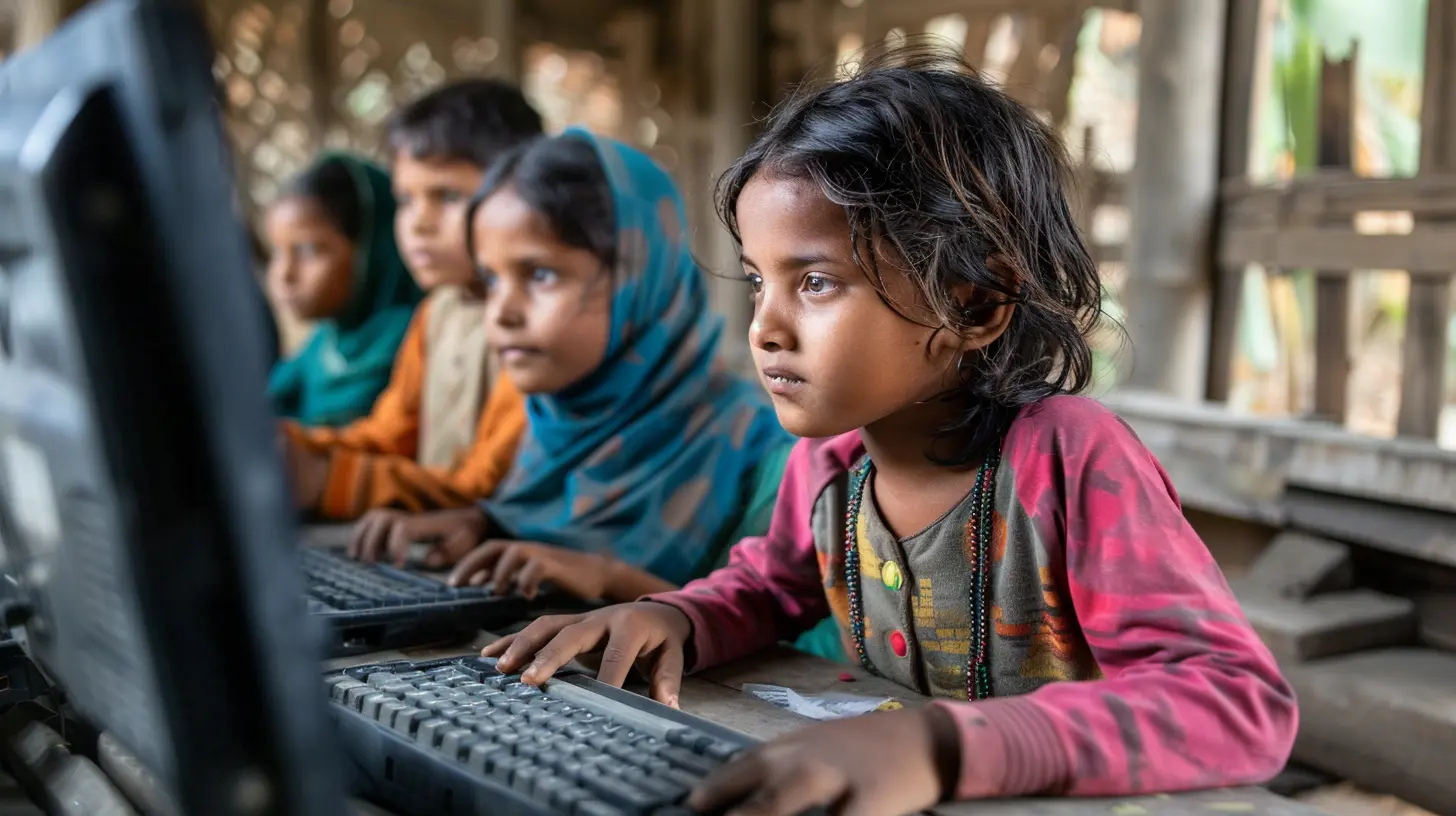
The Harsh Reality of the Digital Divide
We talk a lot about opportunity, but sometimes forget how unevenly it's distributed. In many rural areas, schools struggle with even the basics—reliable internet connections, up-to-date hardware, and trained teachers.Let’s take a quick look at some of the challenges:
1. Lack of Internet Access
In many rural areas, internet access is either limited or completely absent. And even when it’s available, it can be patchy or painfully slow. Imagine trying to run a virtual coding class with a dial-up-like connection. Yikes.2. Outdated Technology
Many rural schools still use computers that belong in a museum. Outdated software and old machines hinder the ability to teach coding effectively. You're not going to write Python code on a PC that freezes every five minutes.3. Shortage of Trained Teachers
You can’t teach what you don’t know. Unfortunately, many rural schools don’t have access to educators with a tech background. And training teachers takes time—and money.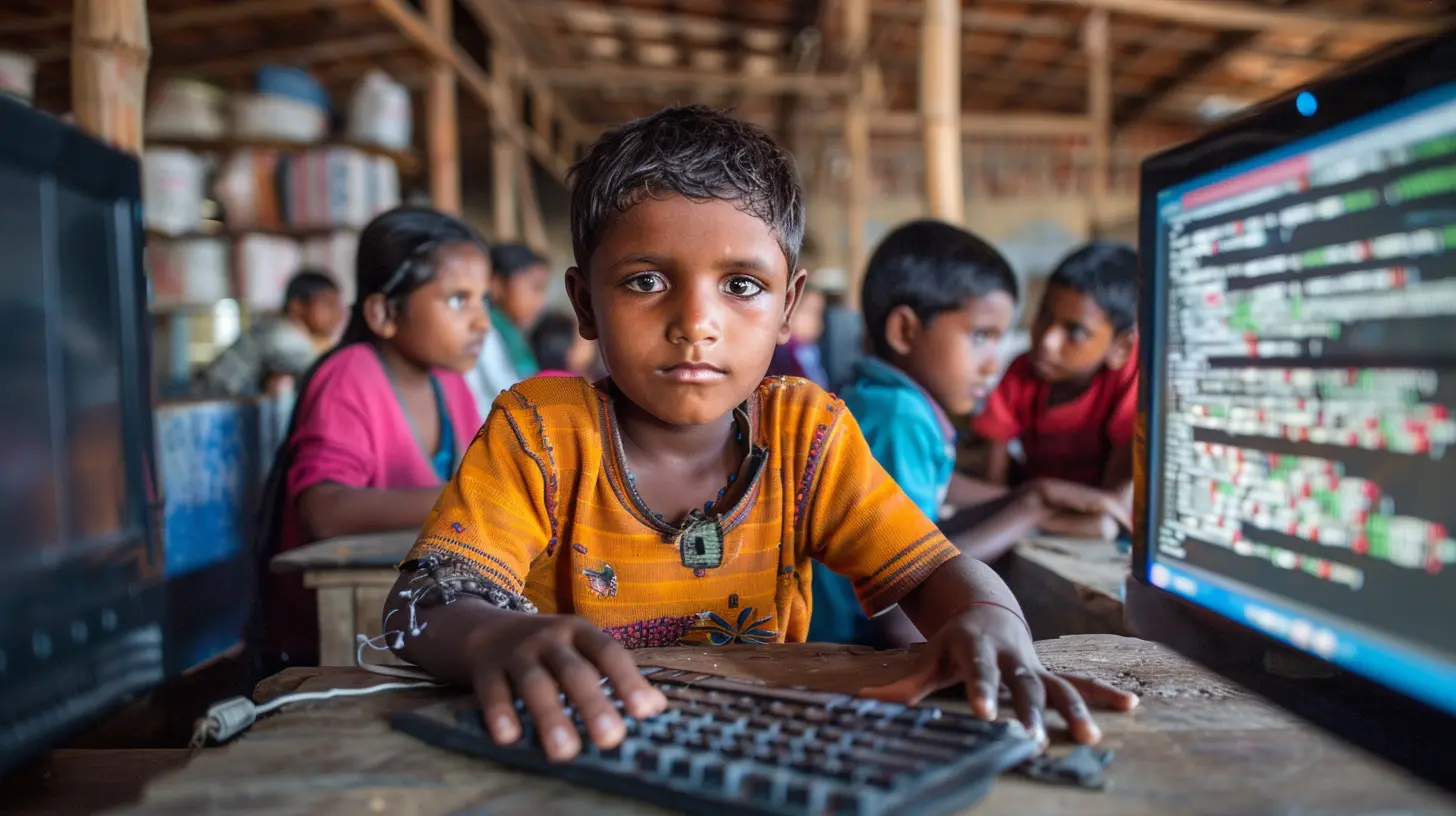
So, Where Do We Begin?
Okay, enough doom and gloom. Let’s talk about solutions. The good news? We’re not starting from scratch. There are already some great ideas out there—and they’re working.1. Start Small, Start Smart
You don’t need a computer lab with 30 brand-new Macs to teach coding. Even a few Raspberry Pi kits or basic laptops can do the trick. Open-source platforms like Scratch, Code.org, and Khan Academy make learning code fun and accessible.2. Mobile Coding Labs
If students can’t go to tech, let tech come to them! Mobile computer labs are essentially classrooms on wheels that bring equipment and instructors right to the school.It’s like Uber for coding education.
3. Community Partnerships
Local businesses and tech companies are often more than willing to help—especially when it involves supporting local youth. Grants, donations, and volunteer programs can all be game-changers.4. Train the Teachers
Investing in professional development is key. Online courses and workshops can equip teachers with the skills they need to lead coding classes, even if they had zero experience before.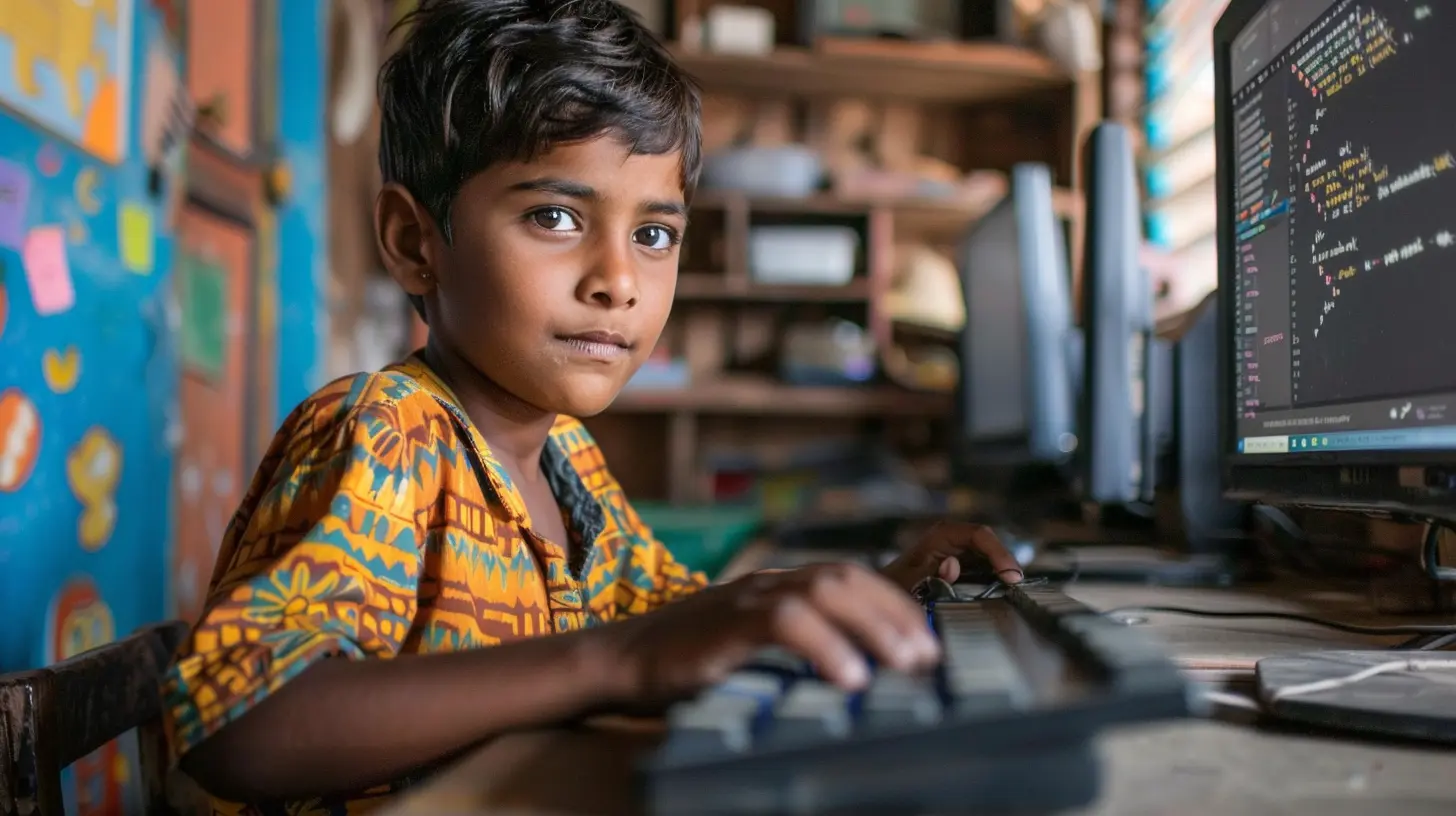
Real-Life Success Stories
Still skeptical? Let’s look at some real examples where rural schools are already making big waves in tech education.Kentucky’s Rural STEM Initiative
In parts of Kentucky, schools partnered with nonprofits to integrate computer science into the curriculum. The result? Students built real-world apps and even participated in national coding competitions. Some even landed internships at tech firms straight out of high school.India’s Grassroots Coding Camps
In rural areas of India, solar-powered computer labs and offline coding tutorials are helping bridge the tech gap. Kids who had never used a mouse are now writing lines of code!How Parents and Students Can Get Involved
Here’s a little secret: You don’t have to wait for the school system to catch up. If you’re a student or parent in a rural area, there are still plenty of ways to get started.Access Free Online Resources
Websites like code.org, Khan Academy, and MIT’s Scratch offer beginner-friendly courses—for free! All you need is a basic internet connection.Use What You’ve Got
Even smartphones can be powerful learning tools. Apps like Grasshopper (by Google) teach coding in fun, bite-sized lessons right from your phone.Join Online Communities
Platforms like Reddit, Stack Overflow, and GitHub are filled with people who love helping newbies. Ask questions, share your work, and soak in the knowledge.The Long-Term Impact
When we teach kids in rural schools how to code, we’re doing more than filling a skills gap—we’re building a pipeline of future problem-solvers, innovators, and leaders. Imagine a student in a tiny farming town building an app to help local farmers track their crops more efficiently. That’s the kind of change we’re talking about.Plus, teaching coding empowers students. It gives them confidence, a sense of agency, and the belief that they can shape their own futures.
What Policymakers Can Do
Let’s not forget the folks pulling the strings on a larger scale. Policy can make or break the success of tech education in rural schools.Here’s what needs to happen:
- Increase funding for rural tech education programs.
- Provide incentives for schools to integrate coding into their curriculum.
- Support broadband expansion so schools aren’t limited by poor connectivity.
- Offer teacher grants for professional development in tech education.
Final Thoughts: It’s Time to Level the Playing Field
The world is zooming ahead with AI, automation, and digital innovation. If we don’t include rural schools in that momentum, we’re leaving a big chunk of our future behind.But here’s the beautiful part: the gap can be bridged. With the right tools, guidance, and support, rural students can absolutely thrive in the world of coding. All they need is a chance.
So whether you're a teacher, student, parent, or policymaker—ask yourself: what can I do to help bridge the technology gap?
After all, the next big tech genius might just be sitting in a classroom miles away from the nearest city—coding his or her first program on a dusty old laptop.
Let's make sure they don't get left behind.
all images in this post were generated using AI tools
Category:
Coding In SchoolsAuthor:

Charlotte Rogers
Discussion
rate this article
10 comments
Jett Wilcox
This article highlights the essential role of coding education in rural schools, emphasizing its potential to bridge the technology gap, foster innovation, and empower students for future opportunities.
February 26, 2026 at 12:21 PM
Charlotte Rogers
Thank you for your insightful comment! I'm glad you found the article's emphasis on coding education in rural schools important for bridging the technology gap and empowering students.
Alvin Pruitt
This article effectively highlights the challenges and potential of introducing coding in rural schools. However, it could benefit from discussing sustainable training models for educators to ensure long-term success.
February 25, 2026 at 8:52 PM
Charlotte Rogers
Thank you for your feedback! I appreciate your suggestion on discussing sustainable training models for educators, and will consider integrating that in future discussions.
Phoenix McLaury
This article highlights the critical need for equitable access to coding education in rural schools, emphasizing technology's role in fostering innovation and bridging socioeconomic divides.
February 24, 2026 at 4:13 AM
Charlotte Rogers
Thank you for your insightful comment! I completely agree that equitable access to coding education is essential for fostering innovation and bridging socioeconomic divides in rural communities.
Christina McQuaid
Great insights on enhancing tech education in rural areas!
February 23, 2026 at 5:21 AM
Charlotte Rogers
Thank you! I'm glad you found it valuable. Empowering rural areas through tech education is essential for bridging the gap.
Charlotte Reed
Empowering rural students through coding is key to bridging the technology gap and fostering future innovators!
February 22, 2026 at 9:35 PM
Charlotte Rogers
Thank you! Empowering rural students with coding skills is indeed essential for driving innovation and closing the technology divide.
Aria Gray
Who knew coding could be the ultimate rural superhero? With a keyboard in hand, these students are trading tractors for tech! Let’s bridge the gap and watch them debug their way to a brighter future!
February 22, 2026 at 3:45 AM
Charlotte Rogers
Absolutely! Coding empowers rural students to transform their futures, proving that technology can be just as vital as traditional skills. Let’s continue to support this exciting shift!
Wade Hurst
What a fantastic initiative! 💻🌾 Bringing coding to rural schools is like planting seeds for future tech wizards! Let's equip young minds with the tools they need to build the next big thing—who knows, maybe a farming app? 🚜✨
February 20, 2026 at 5:20 AM
Charlotte Rogers
Thank you! We're excited to empower rural students with coding skills and inspire future innovators in tech and beyond! 🌟
Nix McKinley
This article highlights a crucial issue. Empowering rural schools with coding skills is essential for bridging the technology gap. Investing in resources and training can unlock opportunities for students, ensuring they’re equipped for a digital future. Well done!
February 18, 2026 at 11:26 AM
Charlotte Rogers
Thank you for your insightful comment! I completely agree—empowering rural schools with coding skills is vital for ensuring equitable access to technology and opportunities for all students.
Zaren Mendez
This article beautifully highlights the immense potential of coding in rural schools. Empowering students with tech skills is vital for their futures, fostering innovation and closing the technology gap. Thank you!
February 16, 2026 at 4:28 AM
Charlotte Rogers
Thank you for your feedback! I'm glad you found the article inspiring and insightful. Empowering students through coding truly is essential for their future success.
Harvey Sweeney
Empowering rural students with coding skills not only bridges the technology gap but also fosters creativity and critical thinking. Investing in this education enriches communities and opens doors to future opportunities.
February 13, 2026 at 7:34 PM
Charlotte Rogers
Thank you for your insightful comment! Empowering rural students with coding skills truly transforms communities and paves the way for future success.
MORE POSTS

The Importance of Mixed-Age Classrooms in Montessori Education

The Future of Coding Education: Trends to Watch in K-12 Classrooms
How to Foster a Sense of Belonging in Early Childhood Classrooms

The Importance of Reflection in Lesson Planning

Overcoming Common Challenges in Adult Education

Coding Bootcamps for Kids: A New Approach to Digital Literacy

How to Stay Motivated During Your Adult Education Journey