Creating a Mindful School Culture: A Step-by-Step Guide
6 December 2025
Ever walked into a school and instantly felt at ease? The chatter is lively but respectful, students radiate confidence, and teachers genuinely enjoy what they do. That, my friend, is what a mindful school culture looks like. But how do you create that magical atmosphere? Well, grab a cup of coffee (or tea if that's your vibe), and let’s dive into a step-by-step guide to transforming your school into a mindfulness haven. 
🧘 What Is a Mindful School Culture?
Before we dive into the steps, let’s clear up what "mindful school culture" actually means.A mindful school culture is one where emotional well-being is just as important as academic success. It’s a place where:
- Students feel safe expressing their thoughts and emotions.
- Teachers prioritize their mental health as much as their lesson plans.
- Parents, staff, and administrators work together to create a supportive environment.
Sounds like a dream, right? Well, it’s absolutely achievable! It just takes a little bit of intention, effort, and consistency. 
🌱 Step 1: Start with Leadership
A mindful culture starts at the top. If school leaders don’t practice mindfulness themselves, it’s going to be tough to inspire students and staff to do the same.How can leadership foster mindfulness?
- Lead by example – Administrators and teachers who incorporate mindfulness into their daily routine set the tone for others.
- Encourage self-care – Support teachers in maintaining a work-life balance (yes, that means fewer late-night emails).
- Promote open communication – A culture of honesty and vulnerability paves the way for emotional well-being.
Think of it like planting a tree: you can’t expect it to grow strong if the roots aren’t healthy. Leadership is the foundation of a mindful school. 
🏫 Step 2: Create a Welcoming Environment
Would you feel calm and focused in a chaotic, fluorescent-lit, anxiety-inducing space? Probably not.A mindful school environment should be:
- Calm and inviting – Use soft lighting, plants, and peaceful decor.
- Organized and clutter-free – A cluttered space leads to a cluttered mind.
- Equipped with "quiet zones" – Spaces where students and staff can take a break, breathe, and reset.
Think about it—Starbucks doesn’t just sell coffee; they create an experience. Your school should do the same by crafting an atmosphere that promotes peace and focus. 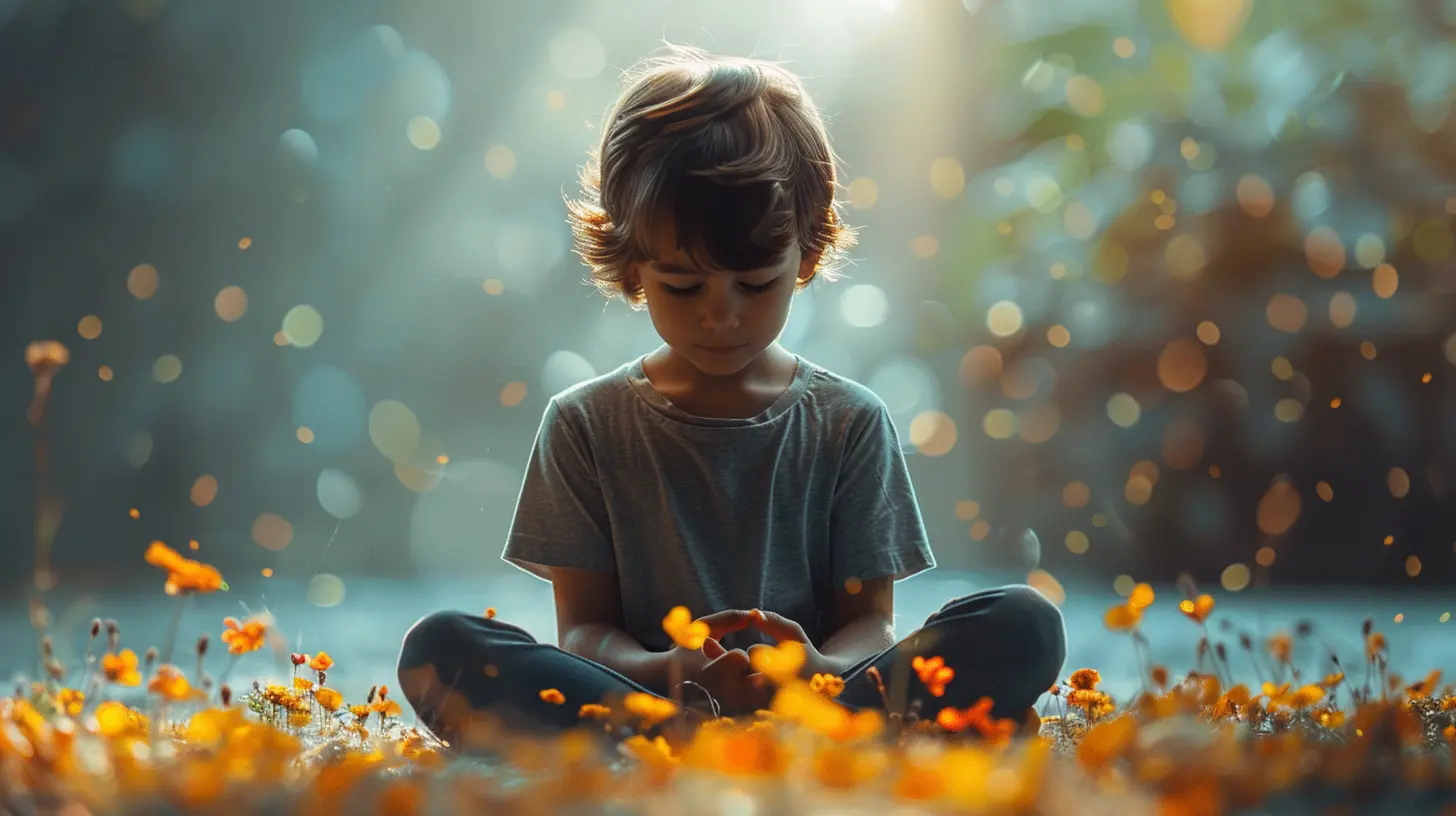
🧠 Step 3: Incorporate Mindfulness into the Curriculum
Mindfulness isn’t just about sitting cross-legged and meditating (although that’s great too!). It can be woven into everyday school activities.🤔 Practical Ways to Integrate Mindfulness:
- Start the day with a mindful moment – A minute of deep breathing or gratitude sharing can set a positive tone.- Encourage mindful listening – Teach students to truly listen to each other during discussions.
- Incorporate movement breaks – A quick stretch or breathing exercise between lessons works wonders.
- Teach emotional intelligence – Helping students label and manage their emotions is a game-changer.
Just a few simple tweaks can make mindfulness a natural part of school life.
💬 Step 4: Foster a Culture of Kindness and Gratitude
A mindful school isn’t just about individual well-being—it’s about community. We want students and staff to want to be there.💡 Here’s how to build kindness into the culture:
- Gratitude circles – Set aside time for students to share what they’re thankful for.- Random acts of kindness challenges – Who doesn’t love a good challenge? Reward students for simple acts of kindness.
- Teacher appreciation programs – Happy teachers make for happy students. Regularly acknowledge their hard work.
It’s amazing how a small "thank you" or a kind note can completely shift someone’s day.
📢 Step 5: Train Teachers in Mindfulness
Teachers are the heartbeat of a school. If they’re burned out, stressed, and overwhelmed, it’s nearly impossible to create a mindful environment.Here’s how schools can support their teachers:
- Offer mindfulness workshops (because stress management isn’t just for students).
- Encourage self-care with flexible schedules and mental health resources.
- Create teacher support groups where they can vent, share, and uplift each other.
A well-supported teacher is a powerful force for change.
🚀 Step 6: Bring Parents on Board
Students don’t exist in isolation. If we want mindfulness to truly stick, it needs to continue outside the school walls. That’s where parents come in.📞 Ways to Involve Parents:
- Mindfulness newsletters – Share tips and exercises they can try at home.- Family mindfulness nights – Host workshops to practice together.
- Encourage open communication – Provide a judgment-free space for parents to ask for support.
When parents and educators work together, students reap the benefits.
🎯 Step 7: Measure and Adapt
Creating a mindful school culture isn’t a one-and-done project—it’s an ongoing journey. Schools should regularly check in and adjust as needed.📊 Ways to Measure Progress:
- Surveys – Ask students and teachers how they feel about the school environment.- Observation – Notice changes in behavior, stress levels, and engagement.
- Feedback sessions – Allow students and staff to voice their thoughts and suggestions.
Think of it like a recipe—sometimes you need to tweak the ingredients to get it just right.
🌟 Final Thoughts
A mindful school culture isn’t about perfection. It’s about progress. It’s about creating a space where students and staff feel safe, valued, and empowered.By taking small steps—leading with intention, fostering kindness, and supporting both teachers and students—we can transform schools into places where mindfulness isn’t just practiced, but lived.
So, are you ready to build a mindful school culture? One deep breath at a time, you've got this.
all images in this post were generated using AI tools
Category:
Mindfulness In EducationAuthor:

Charlotte Rogers
Discussion
rate this article
13 comments
Gabriel Price
This article provides valuable insights into fostering a mindful school culture. By implementing these practical steps, educators can enhance student well-being, promote emotional resilience, and create a supportive learning environment. A must-read!
March 1, 2026 at 5:35 AM
Charlotte Rogers
Thank you for your encouraging feedback! I'm glad you found the insights valuable for fostering a mindful school culture.
Kennedy McLaughlin
Creating a mindful school culture? Sure, if you can pry teachers away from their endless coffee breaks and screen time! But hey, if you can make mindfulness as trendy as the latest TikTok dance, then we might just have a chance. Let’s get this mindfulness party started!
January 29, 2026 at 9:11 PM
Charlotte Rogers
Thanks for your input! Making mindfulness engaging and relevant is key. Let’s work together to turn it into a fun and trendy part of school culture!
Xavi Clark
Thank you for this insightful guide! Mindfulness is crucial for fostering a positive school environment.
December 19, 2025 at 12:29 PM
Charlotte Rogers
Thank you for your kind words! I'm glad you found the guide helpful in promoting mindfulness in schools.
Blair Middleton
Great insights! Cultivating mindfulness in schools is essential for both students and staff—it fosters a positive, supportive environment.
December 19, 2025 at 4:42 AM
Charlotte Rogers
Thank you! I completely agree—mindfulness is key to nurturing a positive school culture for everyone.
Morgan Bryant
This article beautifully encapsulates the essence of fostering a mindful school culture. By prioritizing well-being and connection, we can create an environment where both students and educators thrive. Thank you for sharing such invaluable insights that will surely inspire positive change in our schools!
December 18, 2025 at 11:31 AM
Charlotte Rogers
Thank you for your kind words! I’m glad the article resonated with you and hope it inspires positive change in schools.
Eloise Graham
Cultivating a mindful school culture fosters emotional intelligence, resilience, and empathy, transforming educational environments into spaces where students thrive academically and personally. Mindfulness is essential.
December 15, 2025 at 9:13 PM
Charlotte Rogers
Thank you for your insightful comment! I completely agree—mindfulness is key to nurturing emotional intelligence and resilience in our educational spaces.
Riff Russell
This guide offers practical steps for fostering mindfulness in schools, enhancing student well-being and academic success. Great resource!
December 15, 2025 at 3:57 AM
Charlotte Rogers
Thank you! I'm glad you found the guide helpful for promoting mindfulness in schools. Your feedback means a lot!
Zephyris McCaw
This article piqued my interest! How can we effectively integrate mindfulness practices into daily routines without overwhelming teachers and students? I'm curious about the specific strategies that have shown the most impact in fostering a supportive and nurturing school environment. Excited to explore further!
December 14, 2025 at 9:51 PM
Charlotte Rogers
Thank you for your enthusiasm! To integrate mindfulness effectively, consider starting with short, 5-minute practices, incorporating breathing exercises during transitions, and providing training for both teachers and students. Gradually embedding these into daily routines can foster a supportive environment without overwhelming anyone. I'm glad you're excited to explore this further!
Jacob Kline
This article offers valuable insights into fostering a mindful school culture. It’s a crucial reminder of the importance of awareness and compassion in education. Implementing these steps can significantly enhance the well-being of both students and educators alike.
December 14, 2025 at 4:16 AM
Charlotte Rogers
Thank you for your thoughtful comment! I’m glad you found the insights valuable for fostering awareness and compassion in our schools.
Morrow McKeever
What an inspiring guide! Embracing mindfulness in schools can transform learning environments, fostering positivity and emotional well-being for students and teachers alike. Excited to see the ripple effects of this wonderful initiative! 🌟📚
December 13, 2025 at 7:26 PM
Charlotte Rogers
Thank you for your kind words! I'm thrilled you found the guide inspiring. Together, we can nurture a positive and mindful school culture! 🌟
Issac Oliver
This article provides essential strategies for cultivating a mindful school culture. By emphasizing awareness, empathy, and inclusivity, educators can foster a supportive environment that enhances student well-being and academic success. Practical steps outlined here are invaluable for any school looking to implement mindfulness effectively.
December 9, 2025 at 4:42 AM
Charlotte Rogers
Thank you for your insightful comment! I'm glad you found the strategies for fostering mindfulness in schools valuable. Your support for creating a nurturing environment is greatly appreciated!
Noelle McDowney
Building a mindful school culture fosters emotional intelligence and resilience among students. This guide offers practical strategies for educators to implement mindfulness practices, enhancing overall school well-being.
December 8, 2025 at 11:28 AM
Charlotte Rogers
Thank you! I'm glad you found the guide helpful. Cultivating a mindful school culture truly has the power to enhance emotional intelligence and resilience in students. Your feedback is appreciated!
Thalwen Vasquez
This guide offers practical steps for fostering mindfulness in schools. It's essential for improving student well-being and creating a positive, focused learning environment. A valuable resource!
December 7, 2025 at 4:03 AM
Charlotte Rogers
Thank you for your positive feedback! I'm glad you found the guide helpful for promoting mindfulness and well-being in schools.
MORE POSTS

Fostering Global Citizenship Through Montessori Education

Promoting Inclusivity in Early Childhood Classrooms

Using Observation as a Tool for Student Assessment
Project-Based Learning: Hands-On Activities That Inspire

Building a Culture of Feedback in the Classroom

How to Use Games and Simulations in Lesson Plans for Deeper Understanding

The Importance of Sleep and Its Role in Memory Retention

The Link Between Fine Motor Skills and Early Writing Development

The Impact of Parental Involvement on Early Literacy Success