Project-Based Learning: From Concept to Classroom
11 December 2025
Ever wondered why students sometimes seem bored out of their minds in traditional classrooms? Let’s be honest—lectures and textbooks don’t always cut it. That’s where Project-Based Learning (PBL) swoops in like a game-changer. PBL isn’t just another trendy teaching method; it flips the script entirely. It takes learning off the page and brings it into real life. Imagine turning a dull history lesson into a documentary project or a dry math problem into designing an eco-friendly home. Exciting, right?
In this blog, we’re diving headfirst into the world of PBL—from what it is, why it matters, how it works, and how educators can make it thrive in their own classrooms. So grab a coffee and get comfy—this might just be the shift your teaching philosophy needs.
What is Project-Based Learning (PBL), Really?
Let’s break it down. Project-Based Learning is a student-centered approach where learners gain knowledge and skills by working for an extended period to investigate and respond to a complex question, problem, or challenge.In simpler terms? Students learn by doing meaningful projects.
Instead of memorizing facts for a test, students create presentations, build models, write reports, or solve real-world problems. It’s all about diving deep, getting hands-on, and learning how to think, not just what to think.
Why Traditional Teaching Falls Short
Remember cramming for those high school exams? You'd memorize a ton of dates, formulas, or vocab words—and forget them right after the test. That’s traditional learning for you: short-term memory over long-term understanding.In today’s fast-paced, ever-changing world, students need more than just facts. They need creativity, collaboration, critical thinking, and communication—the infamous “4 Cs.” PBL helps cultivate these skills better than most conventional methods.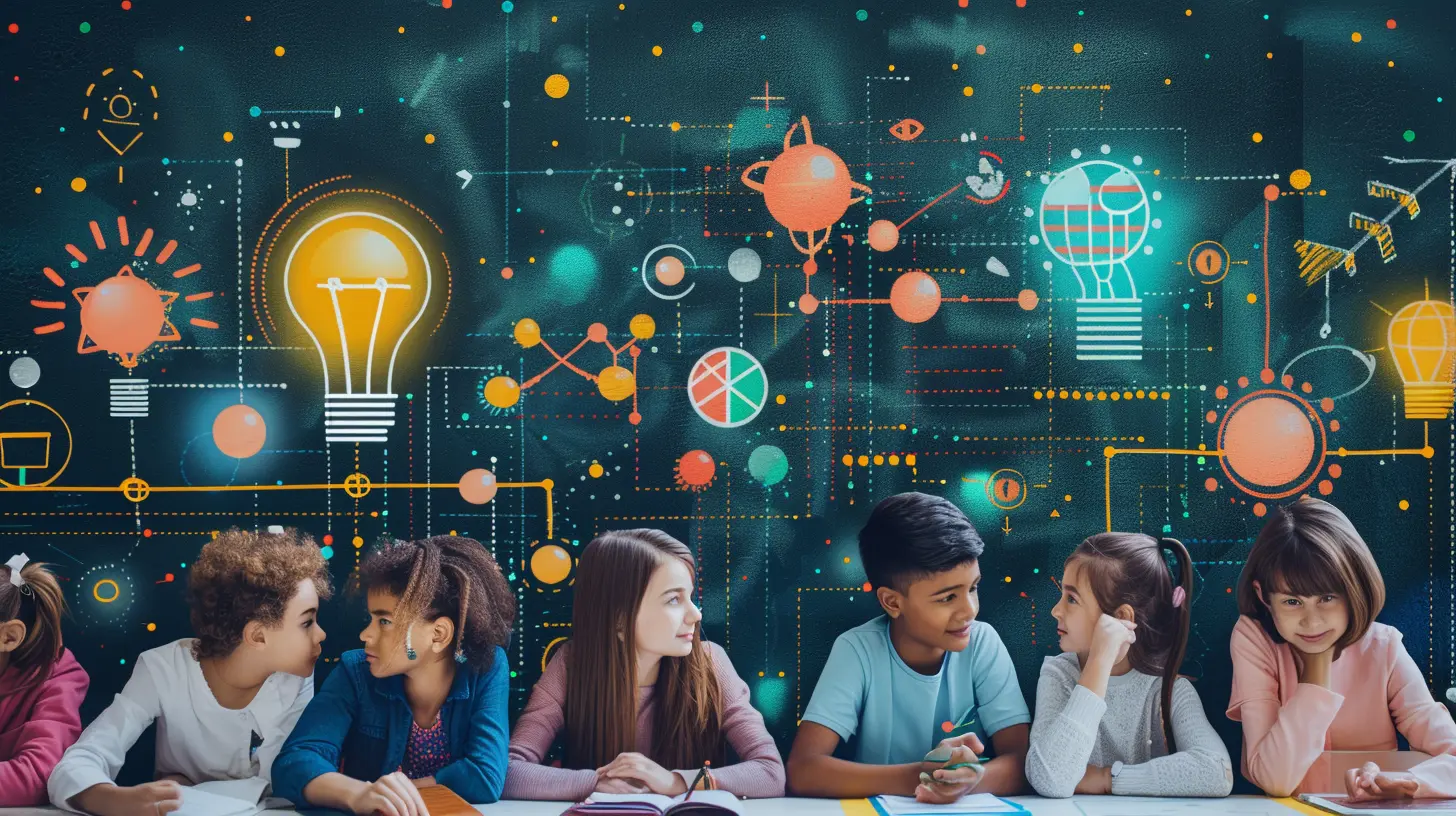
The Core Elements of Project-Based Learning
Before jumping into your first project like it’s a dive into the deep end, let's break down what makes PBL tick:1. A Challenging Problem or Question
Every PBL journey starts with a driving question. Not just any question—a juicy, open-ended one that sparks curiosity. Think:- “How can we reduce waste in our community?”
- “What would life be like in a world without clean water?”
These questions aren’t Google-able. They demand research, discussion, and innovation.
2. Sustained Inquiry
Rome wasn’t built in a day, and good projects aren’t either. PBL involves ongoing exploration. Students gather information, revisit ideas, and refine their work over time. It’s a process, not a pop quiz.3. Authenticity
Let’s face it—kids can sniff out busy work from a mile away. For PBL to work, it has to feel real. The project needs to connect to students’ lives or real-world issues. Authentic projects carry meaning, and that’s the secret sauce.4. Student Voice and Choice
Here’s where it gets interesting. In PBL, students get to make choices—about the topic, the process, even the final product. It gives them ownership, and when students own their learning, their motivation skyrockets.5. Reflection
Project-Based Learning isn’t just about doing—it’s about thinking. Students (and teachers!) take time to reflect on what they’ve learned, how they learned it, and what they’d do differently next time.6. Critique and Revision
Feedback is your friend. Students give and receive it throughout the process. It teaches them resilience, humility, and how to improve their work. And that’s a lifelong lesson right there.7. A Public Product
After all that effort, students present their work to a real audience—not just a teacher. This could be classmates, parents, or even community stakeholders. It adds purpose and polish to their final product.
Why Project-Based Learning Works
So, why does PBL resonate with students and educators alike? Here’s the magic:It’s Engaging
When students care about the problem they’re solving, they engage deeply. They work harder, think critically, and collaborate more willingly. PBL taps into natural curiosity.It’s Memorable
The knowledge sticks. Why? Because students learn by doing. They’re not just reading about science—they’re using it to design an irrigation system. That kind of learning doesn’t fade.It Builds Real-World Skills
Sure, knowing how to multiply fractions is important. But knowing how to communicate with teammates during a group project? That’s gold. PBL helps students become adaptable, tech-savvy thinkers ready for the world beyond school.It Encourages Equity
When designed thoughtfully, PBL levels the playing field. It allows different types of learners to shine—whether they’re visual, kinesthetic, verbal, or social learners.A Peek Into a PBL Classroom
Still not sold? Let’s walk through a day in a PBL classroom.Picture this: A 7th-grade science class is exploring climate change. Instead of following a textbook outline, students are tasked with creating a community awareness campaign.
Here's what’s happening:
- One group is designing infographics based on recent data.
- Another is making short videos with interviews from local environmentalists.
- Another is building a DIY air quality sensor.
All groups are tied to the same driving question, but they approach it in unique ways. The teacher, meanwhile, isn't lecturing—she’s guiding, questioning, and coaching. It’s loud, it’s lively, and it’s full of learning.
How to Implement PBL in Your Classroom
Ready to dive in? Getting started doesn’t have to be overwhelming. Here’s a step-by-step guide:1. Start Small
Your first PBL project doesn’t have to be a massive undertaking. Choose a manageable unit—something that lends itself to inquiry and creativity.2. Design Your Driving Question
Make it open-ended, relevant, and challenging. Avoid yes-or-no questions. A good test? If the answer fits in one sentence, keep brainstorming.3. Scaffold the Process
Students may not be used to this level of freedom. Teach research methods, communication skills, and time management. Provide checklists and checkpoints.4. Make It Collaborative
Encourage group work, but set clear expectations. Teach students how to give and receive feedback. Group dynamics are part of the learning.5. Integrate Assessment
Use rubrics that measure both the process and the final product. Include self-assessments and peer assessments too. The goal is growth, not perfection.6. Celebrate the Outcome
Have a showcase, an exhibition night, or a digital presentation. Let students shine in front of a real audience. It validates their hard work and fosters accountability.Common Challenges (And How to Overcome Them)
Every rose has its thorns, right? PBL has its hurdles—but nothing you can’t handle with a little planning.Time Management
PBL can feel time-consuming. The secret is integration. Combine objectives from multiple subjects into one powerful project. That way, you're hitting several birds with one stone.Classroom Control
Worried about chaos? Controlled chaos is actually a sign of active learning. Set routines, assign roles, and maintain structure within the freedom.Uneven Participation
Not every student pulls their weight. Assign group roles, use peer reviews, and check in frequently. Make accountability part of the process.Assessment Complexity
How do you grade a project? Create rubrics that assess both content and 21st-century skills. Think beyond just the final result—process matters too.Real-Life Examples of PBL in Action
Need inspiration? Check out these real-world examples:- 🌍 Elementary School: Students designed a “Kindness Campaign” that spread positivity through posters, classroom activities, and community events.
- 🌱 Middle School: Students tackled the issue of food deserts by designing urban garden prototypes and proposing them to the city council.
- 🛰️ High School: A physics class built working model satellites and presented their findings to a panel of engineers.
These aren’t fantasy scenarios—they’re happening in classrooms across the globe.
Is Project-Based Learning Right for Every Student?
Short answer: Yes. But with some adaptations.Some students might need more structure than others. Special education students may require modified roles or chunked timelines. The beauty of PBL is its flexibility. You can tailor it to fit your classroom realities without losing the heart of the method.
The Future of PBL
As education evolves, so does the need for approaches that prepare students for an uncertain future. With AI, climate change, and global connectivity reshaping the job market, students need more than facts—they need skills.Project-Based Learning bridges that gap. It’s aligned with where the world is headed, and it’s grounded in how students best learn.
Final Thoughts
Project-Based Learning isn’t perfect. It takes time, effort, and mindset shifts. But the payoff? Totally worth it.It turns passive learners into active problem-solvers. It makes learning sticky, meaningful, and even fun. And more than anything, it prepares students not just for the next test—but for life.
If you’re an educator looking to reignite your classroom, PBL might just be your secret weapon. So go ahead—start small, stay curious, and trust the process. You’ve got this.
all images in this post were generated using AI tools
Category:
Project Based LearningAuthor:

Charlotte Rogers
Discussion
rate this article
12 comments
Vesper McNair
Project-based learning transforms education by fostering engagement and critical thinking. Embrace its potential to inspire creativity and collaboration in the classroom—your students will thrive!
January 29, 2026 at 3:57 AM
Charlotte Rogers
Thank you for your insights! I entirely agree—project-based learning truly unlocks creativity and collaboration, enhancing student engagement and critical thinking.
Chelsea Baker
Great insights! Project-based learning really brings concepts to life and makes education so much more engaging. Excited to see how educators implement these ideas!
January 14, 2026 at 1:14 PM
Charlotte Rogers
Thank you! I'm glad you found the insights valuable. Excited to see how these ideas inspire innovative practices in the classroom!
Carmel Mullen
In classrooms alive with curiosity's spark, project-based learning weaves dreams into reality, nurturing minds to soar and explore.
January 13, 2026 at 12:40 PM
Charlotte Rogers
Thank you for capturing the essence of project-based learning! It's truly a transformative approach that ignites curiosity and fosters creativity in students.
Echo Morales
Great insights on Project-Based Learning! Emphasizing real-world applications can enhance student engagement. Looking forward to seeing more examples of successful classroom implementations in future posts!
January 11, 2026 at 8:34 PM
Charlotte Rogers
Thank you! I'm glad you found the insights valuable. Stay tuned for more examples of successful implementations in upcoming posts!
Mercy Mercado
Project-Based Learning is like a treasure hunt for knowledge! Dive in, explore, and watch students transform into curious explorers. Who knew learning could be this much fun?
January 9, 2026 at 9:10 PM
Charlotte Rogers
Thank you! I completely agree—project-based learning truly unlocks curiosity and transforms the learning experience into an engaging adventure!
Zephira Griffin
Engaging approach that fosters creativity!
January 9, 2026 at 11:58 AM
Charlotte Rogers
Thank you! I'm glad you found the approach engaging and creative. Your support means a lot!
Zander McKinnon
Project-Based Learning transforms education by immersing students in real-world challenges, fostering critical thinking and collaboration. This approach not only enhances engagement but also equips learners with essential skills for the future. Effective implementation requires intentional planning and support from educators to maximize its potential.
December 28, 2025 at 1:10 PM
Charlotte Rogers
Thank you for highlighting the transformative power of Project-Based Learning! Your insights on engagement and the necessity of educator support are spot on.
Charlie Blair
This article effectively highlights the benefits and challenges of project-based learning, offering valuable insights for educators.
December 26, 2025 at 8:38 PM
Charlotte Rogers
Thank you for your feedback! I'm glad you found the article insightful on both the benefits and challenges of project-based learning.
Wolf Cruz
Project-Based Learning transforms education by fostering creativity, collaboration, and critical thinking. Embrace the journey from concept to classroom, inspiring students to engage deeply with real-world challenges and develop skills that will shape their futures.
December 25, 2025 at 1:02 PM
Charlotte Rogers
Thank you for highlighting the transformative power of Project-Based Learning! It truly empowers students to thrive in real-world scenarios while developing essential skills.
Patrick Perry
Transform education: Engage, inspire, and empower learners!
December 21, 2025 at 1:59 PM
Charlotte Rogers
Absolutely! Project-based learning is a powerful approach that fosters engagement and empowers students to take charge of their learning journey.
Maren Newman
Project-Based Learning transforms education, fostering collaboration and creativity. It's inspiring to see these methods shape student engagement!
December 21, 2025 at 3:40 AM
Charlotte Rogers
Thank you! I'm glad you resonate with the impact of Project-Based Learning on student engagement and collaboration. It truly empowers both students and educators!
Enid Wolf
How can we effectively implement this?
December 16, 2025 at 12:16 PM
Charlotte Rogers
To effectively implement project-based learning, start by aligning projects with curriculum goals, provide student choice, foster collaboration, and incorporate regular feedback. Ensure ongoing professional development for educators to enhance their facilitation skills.
MORE POSTS

The Link Between Classroom Assessment and Student Engagement

Coding for Literacy: How Programming Can Improve Reading and Writing Skills

Lesson Plans to Bridge the Gap Between Theory and Practice

Integrating Mindfulness into the Daily School Routine
The Role of Performance in Music Education

How to Help Your Child Develop Pre-Writing Skills

How to Encourage a Reluctant Reader

Addressing Separation Anxiety in the Preschool Years