How Coding Can Help Improve Collaborative Learning in Classrooms
4 April 2026
Introduction
Ever noticed how classrooms are shifting from traditional lectures to more interactive and hands-on learning? One of the biggest game-changers in education today is coding. While many think of coding as a solo activity—just a programmer and a screen—it’s actually a fantastic tool for fostering collaborative learning.
Think about it: when students code together, they're not just writing lines of syntax; they’re brainstorming, problem-solving, and working as a team. In a world that thrives on collaboration, teaching coding in classrooms is more than just a skill—it’s a mindset shift. Let’s dive into how coding can enhance teamwork, communication, and critical thinking, making collaborative learning more effective than ever before.

The Shift Towards Collaborative Learning
Traditional learning often revolves around individual assignments, textbook memorization, and teacher-led instruction. While this method has its merits, it doesn't fully prepare students for the real-world workplace, where teamwork is essential.Collaborative learning flips this model on its head. It encourages students to work together, share ideas, learn from different perspectives, and solve problems collectively. Coding naturally fits into this framework, as most programming projects today involve teams working together to develop software, troubleshoot bugs, and innovate solutions.
So, how exactly does coding contribute to fostering collaboration? Let’s break it down.
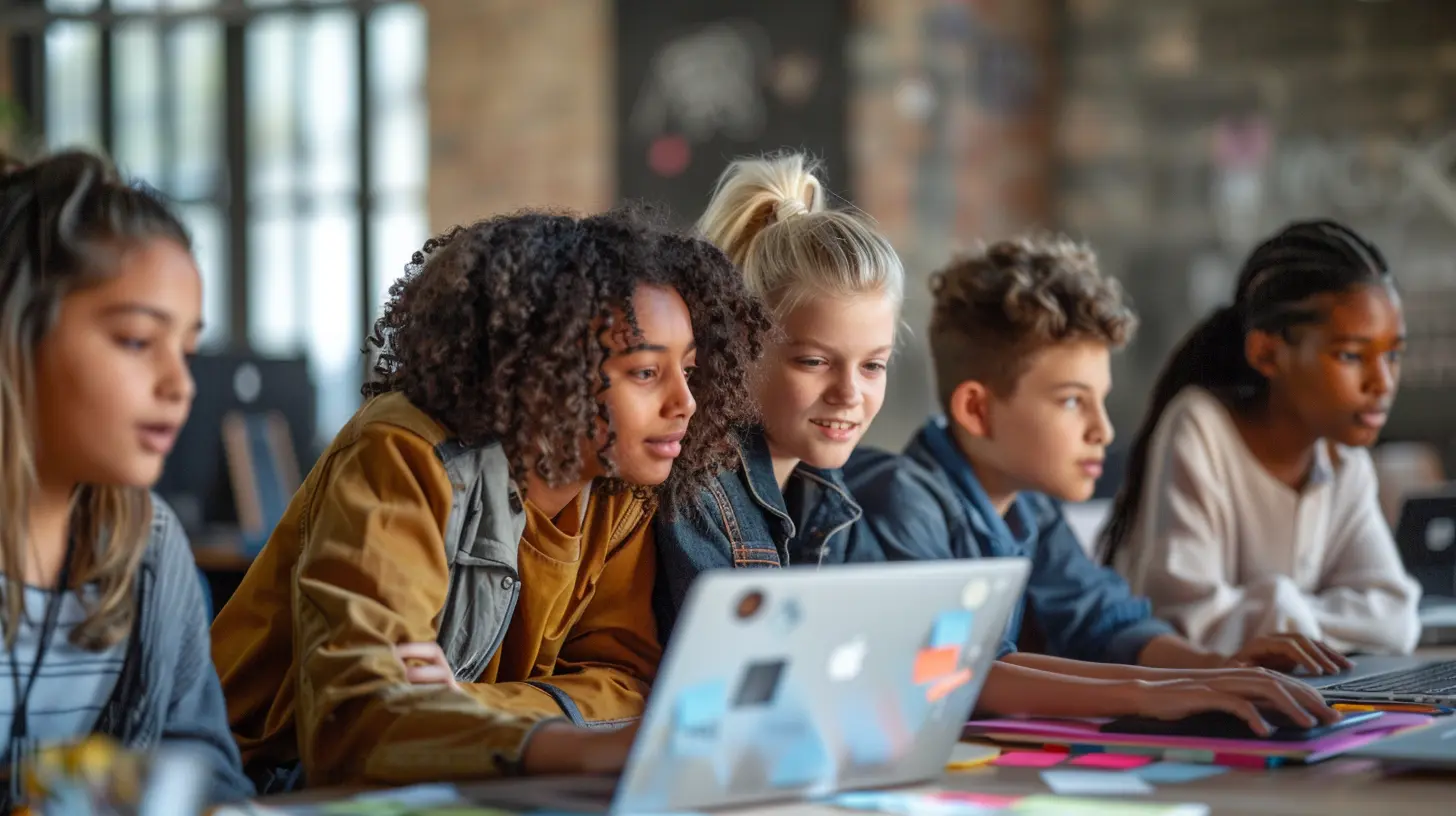
1. Coding Encourages Teamwork
Coding isn’t just about writing a perfect script—it's about designing solutions that work. In a classroom coding environment, students often work in pairs or groups, tackling real-world challenges together. A single project might involve:- A planner outlining the project structure.
- A developer writing the initial code.
- A debugger reviewing and fixing errors.
- A tester ensuring the code works as expected.
Each student plays a crucial role, much like the different positions in a soccer team. When they collaborate, reflect, and troubleshoot together, they gain first-hand experience in teamwork—a skill they’ll carry into their future careers.
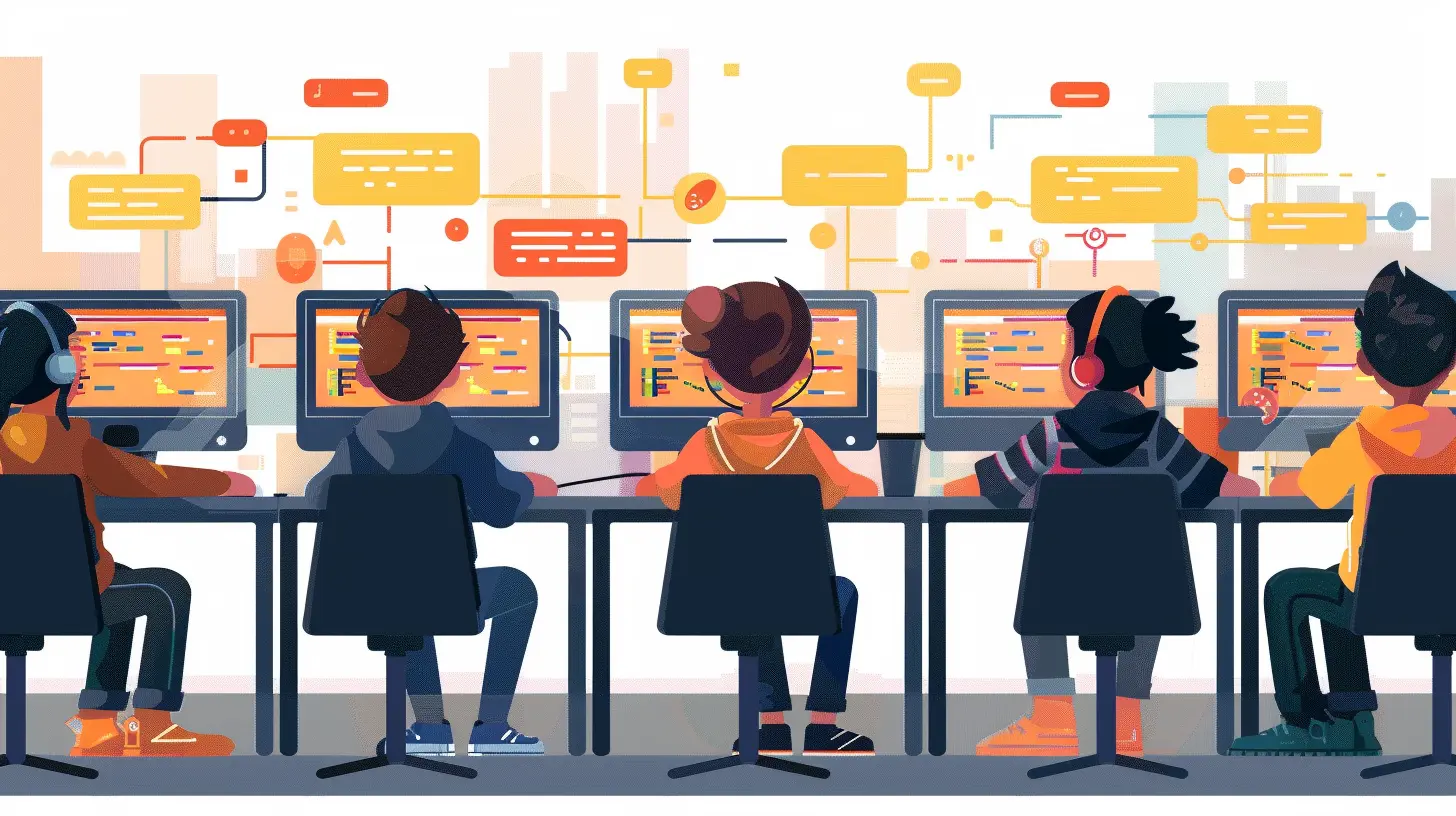
2. Problem-Solving Becomes a Group Effort
One of coding’s biggest perks? It teaches students how to tackle problems creatively. When students face bugs or errors in their code, they don’t just give up; they brainstorm solutions, test different approaches, and rely on their peers for fresh perspectives.Imagine a puzzle: you might struggle to find the next piece, but a friend notices it immediately. That’s the magic of collaborative problem-solving in coding—it helps students see beyond their own blind spots.
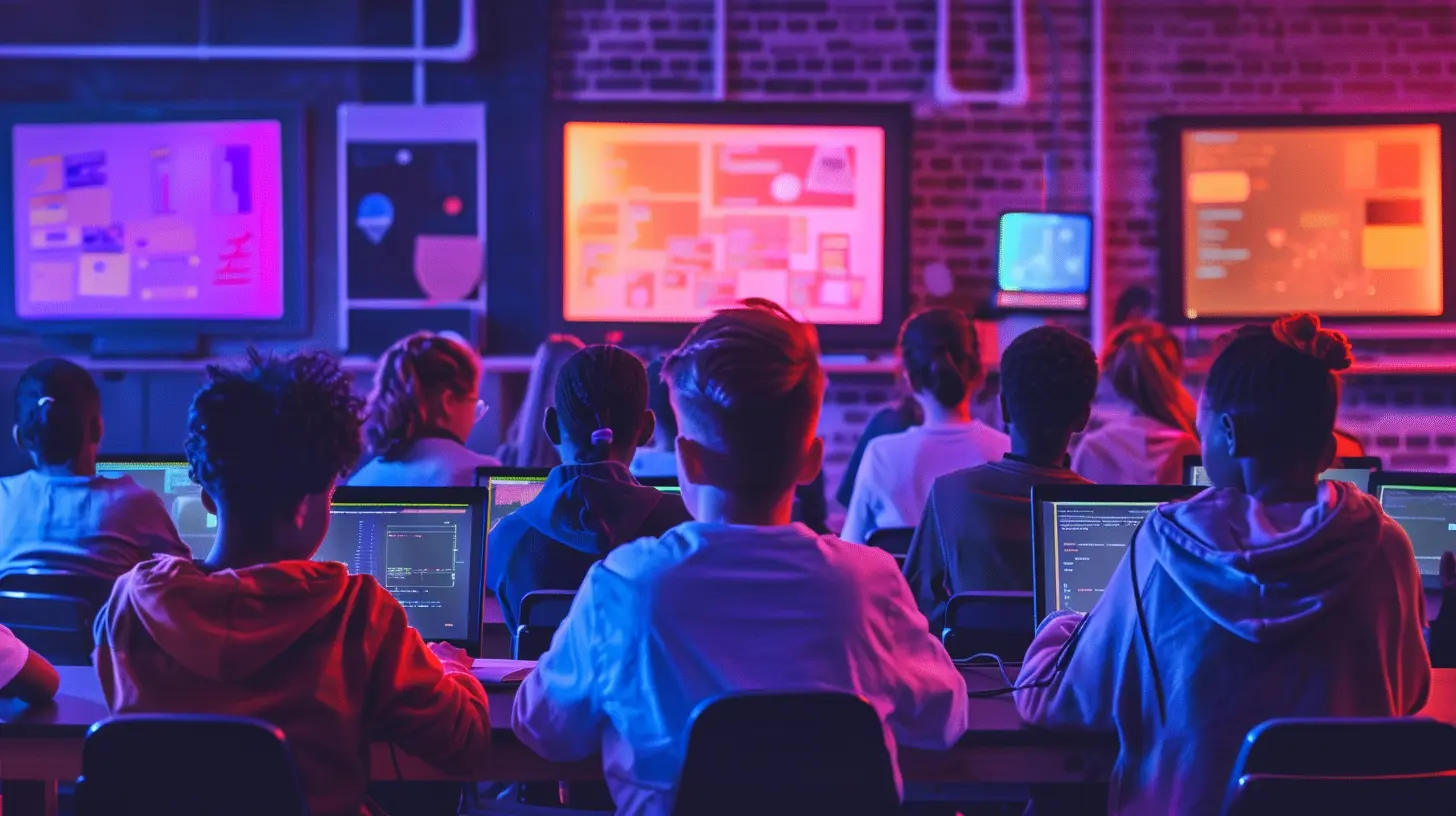
3. Develops Stronger Communication Skills
Effective communication is at the heart of collaboration, and coding provides the perfect practice ground. When students work on a coding project together, they're forced to explain their ideas, listen to others, and articulate their thought process clearly.Think about it—if one student struggles to understand a concept, another might need to explain it in simpler terms. This back-and-forth exchange fosters active listening, patience, and clarity of expression, which are essential life skills beyond the classroom.
4. Builds Peer-to-Peer Learning
Not all students learn at the same pace, and that’s perfectly okay! Coding classrooms often create a natural peer-to-peer learning environment, where students help one another.For instance, if a student masters a concept quickly, they can assist classmates who are struggling, reinforcing their own understanding in the process. This dynamic helps:
- Stronger students deepen their knowledge by teaching others.
- Struggling students grasp concepts better with peer guidance.
- The entire class fosters a culture of support and encouragement.
5. Encourages a Growth Mindset
Coding inherently teaches students that failing is just part of the process. A piece of code rarely works perfectly on the first attempt—debugging and refining are key parts of programming.Through coding, students learn that mistakes aren’t setbacks—they’re learning opportunities. When working together, they encourage one another to keep going, improving resilience, patience, and a willingness to try again.
6. Supports Diverse Learning Styles
Every student learns differently. Some prefer visual cues, while others learn best through hands-on activities. Coding accommodates diverse learning styles because it involves:- Visual learners – Using graphical interfaces (e.g., Scratch, Blockly).
- Hands-on learners – Writing and testing code in real-time.
- Logical thinkers – Structuring problems into step-by-step solutions.
When students work together in a coding environment, everyone contributes in their own way, making the learning experience richer for all.
7. Prepares Students for Future Careers
Technology is everywhere, and many future jobs will require at least some understanding of coding. But beyond the technical knowledge, coding teaches essential workplace skills like:- Collaboration – Just like software development teams in the real world.
- Critical thinking – Breaking problems down logically.
- Creativity – Thinking outside the box to develop solutions.
By integrating coding into classrooms, we’re not just teaching students how to build apps or websites—we’re preparing them to think, innovate, and work well with others in any career path they choose.
How Teachers Can Integrate Coding into Collaborative Learning
So, how can educators bring coding into classrooms in a way that maximizes collaboration? Here are some practical ideas:1. Pair Programming
In this technique, two students work together on the same code—one writes, while the other reviews and suggests improvements. They swap roles frequently, ensuring both get hands-on experience.2. Project-Based Learning
Teachers can assign real-world challenges—like building a simple game or designing a website—where students must work in teams and divide tasks effectively.3. Coding Competitions & Hackathons
Hosting friendly coding competitions or mini-hackathons within the classroom can boost engagement and teamwork. Students collaborate to solve challenges under a time limit, making learning more fun.4. Cross-Disciplinary Projects
Coding doesn’t have to be limited to computer science classes. Imagine students using Python to analyze data for a science project or creating a history timeline using HTML. Bringing coding into different subjects encourages broader collaboration.5. Encouraging Open Discussions
Allow students to discuss, reflect, and share their coding experiences. What challenges did they face? How did they overcome them? These discussions help them realize the importance of teamwork and shared learning.
Conclusion
Incorporating coding into classrooms isn’t just about preparing students for tech-driven careers—it’s about equipping them with essential life skills. Through coding, students learn to communicate effectively, solve problems collaboratively, and embrace challenges with a growth mindset.As educators, parents, and mentors, it’s time we recognize coding not just as a technical subject, but as a powerful tool for collaborative learning. By fostering teamwork and peer learning through programming, we’re shaping the next generation of thinkers, problem-solvers, and innovators.
After all, the future isn’t just about knowing how to code—it’s about knowing how to work together to build something amazing.
all images in this post were generated using AI tools
Category:
Coding In SchoolsAuthor:

Charlotte Rogers
Discussion
rate this article
4 comments
Korian McGuffin
Great insights on fostering collaboration through coding!
July 4, 2026 at 3:04 AM
Charlotte Rogers
Thank you! I'm glad you found the insights valuable for enhancing collaboration in classrooms.
Ezra Wells
Code together, think together, spark magic in class!
May 6, 2026 at 4:24 AM
Charlotte Rogers
Absolutely! Collaborative coding fosters teamwork, enhances problem-solving skills, and sparks creativity, making learning not just effective but truly magical.
Max Potter
This article highlights a crucial aspect of modern education. Integrating coding into classrooms not only enhances problem-solving skills but also fosters teamwork. By working together on coding projects, students learn to communicate better, share ideas, and develop a deeper understanding of the subject matter.
April 19, 2026 at 11:51 AM
Charlotte Rogers
Thank you for your insightful comment! I completely agree—integrating coding in education significantly boosts collaboration and communication among students, equipping them with essential skills for the future.
Selina McCray
Unlock hidden potential: code your classroom's future.
April 18, 2026 at 12:39 PM
Charlotte Rogers
Absolutely! Coding empowers students to collaborate, think critically, and innovate, paving the way for a brighter educational future.